
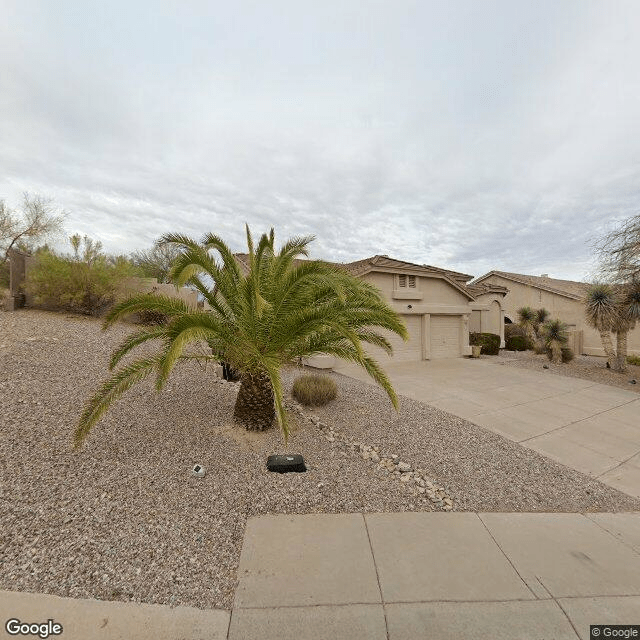
16312 E Crystal Point Dr, Fountain Hills, AZ 85268
To contact a resident: (602) 818-2301
For more information about senior living options: (866) 208-4318
Sunflower Assisted Living Facility Costs & Pricing
At Sunflower Assisted Living Facility, the monthly cost for a private room is $3,000, positioning it as a competitive option compared to the broader market in Maricopa County and the state of Arizona. In Maricopa County, the average cost for similar accommodations is approximately $3,318, while across Arizona, it reaches around $3,345. This places Sunflower Assisted Living Facility not only below the county average but also provides potential residents with an attractive alternative that combines affordability with quality care. Such pricing reflects a commitment to ensuring accessible living options without compromising on the essential services and comfort that our residents deserve.
| Floor plans | Sunflower Assisted Living Facility | Maricopa County | Arizona |
|---|---|---|---|
| Private | $3,000 | $3,318 | $3,345 |
Senior living communities with a similar price nearby
-
from -$200 / mo

Pinnacle Peak Assisted Living
$2,800 to $3,100 / month12.3 miles away -
from -$375 / mo

The Eldercare Home Of Tempe
$2,625 to $3,412 / month18.5 miles away -
About the same
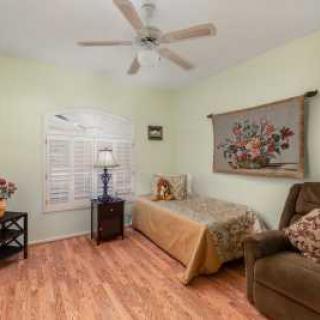
Endeavor AL I
$2,950 to $4,200 / month14.5 miles away -
from +$500 / mo

Endeavor AL II
$3,500 to $4,000 / month13.9 miles away -
from -$500 / mo
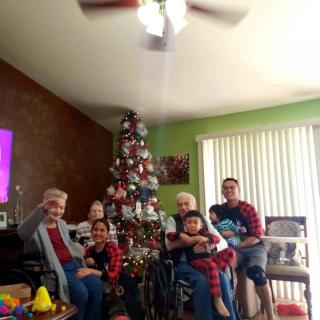
La Bella Vita ALH
$2,500 to $7,000 / month14.7 miles away
Overall Review of Sunflower Assisted Living Facility
Pros
 Mike is an amazing caring man.
- They helped my father so much during the last few years.
- Mike and Gabbi are truly caring people.
- They helped us with my mother in the beginning of April.
- Their rooms are large, comfortable, and clean.
- Their food is cooked from scratch.
Review
Sunflower Assisted Living Facility in Fountain Hills is best suited for families seeking a small, intimately staffed environment where end-of-life and near-end-of-life caregiving feel personal, steady, and deeply attentive. The consensus from the few reviews centers on hands-on leaders and caregivers who establish trust quickly, with Mike singled out as a truly caring presence and Gabbi consistently described as deeply involved. For seniors who prize a home-like setting where rooms are described as large, comfortable, and clean, and where meals are cooked from scratch, Sunflower offers a tangible sense of warmth and continuity that can ease the emotional and logistical stresses of caregiving for aging loved ones.
Those who may want to consider alternatives are those who require more formal medical oversight, broader daily programming, or specialized memory-care services. A larger facility with a wider array of clinical staff, on-call nurses, or structured activity calendars might better suit residents with complex medical needs or those seeking a more mission-critical level of oversight. Families should keep in mind that the limited number of reviews means a broader variety of experiences may exist beyond what has been shared, and engaging directly with staff to gauge responsiveness will be essential before making decisions.
The strongest pros here are the unmistakable warmth and reliability of the caregiving team, anchored by Mike and Gabbi. The personal commitment shown in supporting families through what can be emotionally exhausting phases, end-of-life transitions and the early days of placement, offsets potential uncertainty about the breadth of services. Large, comfortable, and clean rooms paired with meals cooked from scratch contribute to daily comfort and dignity, reinforcing a sense of home rather than an institutional routine. In practical terms, these elements translate into steadier routines, clearer communication with families, and less friction around daily care needs, which can dramatically reduce caregiver stress during a very demanding time.
Conversely, the tradeoffs implied by the reviews are modest but real: the small sample size means the community’s consistency across all residents is not fully demonstrated, and no explicit details are provided about medical staffing levels, emergency response practices, or extensive activity programming. Without broader data, families must verify whether the level of clinical support, transportation options, and daily engagement fits the specific needs of their loved one. While the care approach appears deeply relational, perspectives on pace of life, privacy, and the availability of on-site specialists will matter and should be confirmed through direct conversations and a trial placement if possible.
Decision guidance follows a practical, question-driven path. Prospective families should ask about staffing ratios and on-site medical coverage, including how end-of-life decisions are communicated and who is accessible after hours. Confirm meal plans, dietary accommodations, and how “scratch-made” meals are implemented in practice. Inquire about room configurations, private vs. shared arrangements, and what amenities accompany the monthly rate. Request a clear breakdown of costs, what is included in the price, and any potential add-ons. Most importantly, arrange a visit that emphasizes interactions with care staff in routine moments to gauge whether the warmth that shines in the reviews translates into daily reliability.
In the end, Sunflower stands out for those who prize genuine caregiver relationships, a home-like atmosphere, and tangible daily comforts that can make a difficult transition less burdensome. It is a particularly strong fit for families who value steadfast, compassionate leadership and who are confident that end-of-life support can be delivered with dignity and personal attention within a small, close-knit setting. For residents whose needs demand more extensive clinical oversight, broader activity programming, or memory-care specialization, exploring alternatives with larger footprints and documented clinical resources is prudent. When alignment exists on personal touch, comfort, and the human elements of care, Sunflower is a compelling, trustworthy option.
 Board and Care Home
 Activities on-site
 Beautician on-site
 Devotional services on-site
 Indoor common areas
 Outdoor common areas
 Private
 Private bathrooms
 Respite or short term stays offered
 Wheelchair accessible showers
 Phoenix Sky Harbor International (20 miles away)
 Diabetic care
 High acuity care
 Meals provided




 8 Essential Assistive Devices for Older Adults
 Navigating the Financial Road to Nursing Home Care: In-Depth Guidance and Resources
 Supportive Employee Benefits That Help Caregivers Attain Better Work-Life Harmony