
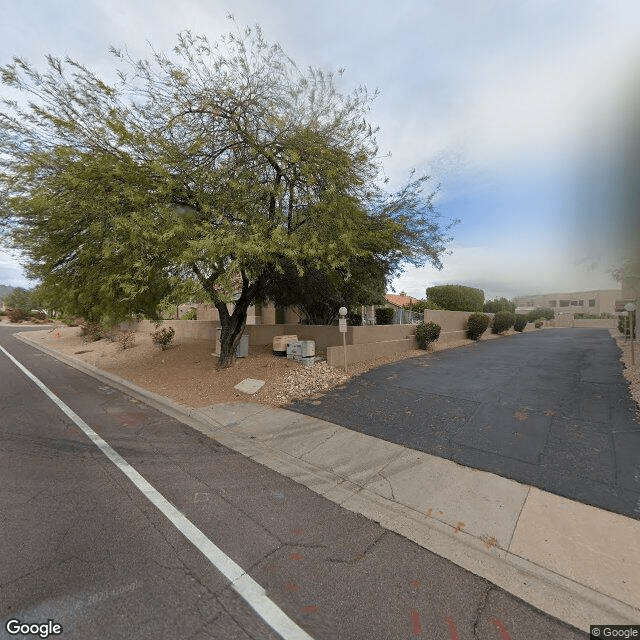
16602 E. Palisades Blvd, Fountain Hills, AZ 85268
To contact a resident: (480) 816-9267
For more information about senior living options: (866) 208-4318
Fountain View Manor Costs & Pricing
Fountain View Manor offers competitive pricing for its accommodations, with both private and semi-private rooms priced at $3,500 per month. This rate is noticeably higher than the average costs in Maricopa County, where similar private rooms are approximately $3,318 and semi-private options are around $2,801. When compared to the state averages in Arizona, Fountain View Manor's rates still exceed the typical figures of $3,345 for private rooms and $2,820 for semi-private arrangements. While Fountain View Manor may command a premium price point, it is essential to consider the quality of care, amenities, and overall environment purportedly offered by the facility when evaluating the investment in senior living options.
| Floor plans | Fountain View Manor | Maricopa County | Arizona |
|---|---|---|---|
| Private | $3,500 | $3,318 | $3,345 |
| Semi-Private | $3,500 | $2,801 | $2,820 |
Senior living communities with a similar price nearby
-
from +$150 / mo
SeniorBridge - Scottsdale, AZ
$3,650 / month9.7 miles away -
from -$550 / mo
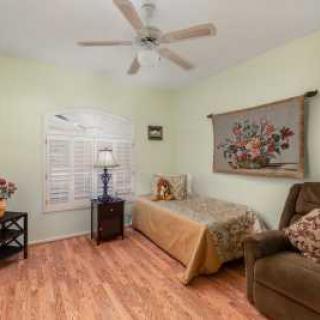
Endeavor AL I
$2,950 to $4,200 / month14.8 miles away -
from +$200 / mo
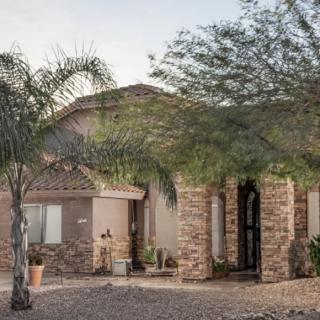
Endeavor AL III
$3,700 to $4,000 / month13.9 miles away -
About the same
Endeavor AL II
$3,500 to $4,000 / month14.2 miles away -
from -$500 / mo
Bella Amore Assisted Living
$3,000 / month23.8 miles away
Overall Review of Fountain View Manor
Pros
 It is an amazing home for the elderly.
- The caregivers prepared an amazing Christmas/Birthday lunch for the grandmother.
- The caregivers take amazing care of residents.
- Residents receive clean clothes and showers and are genuinely happy there.
- The house is meticulously clean and spotless.
- The staff provide high-quality, attentive, one-on-one care with around-the-clock availability and fast response times.
- Denise and George are fantastic caregivers, and Denise makes home-cooked meals.
Cons
 The reviewer felt the resident doctor failed to care for their loved one properly, which led the doctor to become increasingly agitated during their time there.
- They had never liked nursing homes, so that wasn't an option for them.
Review
Fountain View Manor in Fountain Hills is best suited for families seeking a warm, home-like assisted living option for seniors who need substantial daily support, especially when dementia care and strong personal attention are priorities. The community shows itself as a calm, clean, and genuinely caring environment where residents can stay dressed, showered, and well-fed, with caregivers who consistently emphasize one-on-one interaction and hands-on assistance. This is a setting where the daily experience centers on intimate, attentive care rather than clinical efficiency alone, making it a practical fit for those who value dignity, regular human connection, and a well-kept living space.
Those who may want to consider alternatives include families prioritizing robust medical oversight or a broader clinical program. While Fountain View Manor earns praise for the caregivers and the overall caregiving atmosphere, several voices flag concerns about physician engagement. For residents who require consistent, highly proactive medical decision-making, or who need a more integrated team of clinicians in daily routines, it’s wise to compare options that emphasize physician availability, interdisciplinary care teams, and more formal medical oversight. The right choice hinges on whether daily safety and companionship can offset a potential need for stronger clinical governance.
The strongest payoffs here come from the caregiving model and the living environment. Reviewers repeatedly highlight attentive, often one-on-one care, rapid response to call lights, and around-the-clock supervision as core strengths. The staff’s responsiveness translates into tangible safety and comfort for residents who are frail, ill, or living with dementia. The emphasis on personal-care routines, clean clothes, showers, and timely assistance, coupled with a consistently clean, well-maintained home environment makes the setting feel secure and premium for day-to-day living. In practical terms, these elements offset many concerns families might have about being in an assisted-living setting, especially when independence has become limited.
Another discernible advantage is the quality of life factors that families notice at mealtimes and in room setups. The facility’s kitchen and dining experience come across as homey rather than institutional: meals described as home-cooked, with a touch of personalization, and even small daily rituals like freshly squeezed juice that reinforce a sense of normalcy and care. Rooms are portrayed as comfortable with a welcoming atmosphere, and a clean, fragrant environment reinforces a sense that residents are well-cared-for in a pleasant, nonclinical space. These quality-of-life positives often matter just as much as clinical indicators, particularly for residents who thrive on routine, familiarity, and considerate daily routines.
Yet the caution flag raised by the minority of reviewers cannot be ignored. A notable caveat centers on the resident physician’s approach, described by one family as agitating or not fully aligned with the family’s expectations of care. This points to a potential variability in the medical dimension of the experience. For families, the practical takeaway is to scrutinize medical oversight early, request a clear explanation of who manages medical needs, how physicians interact with residents and families, and what happens when concerns arise. The strength of the caregiving team here means many issues can be resolved through disciplined nursing practice and attentive staff; still, medical guidance remains a critical factor for some residents and families.
In the end, Fountain View Manor delivers a compelling package for those prioritizing a home-like setting with meticulous cleanliness, strong caregiver engagement, and responsive day-to-day support. It stands out for residents who may not require aggressive medical intervention but do need steady companionship, routine, and dignity-enhancing care. For families where medical oversight and immediate physician involvement are non-negotiable, it makes sense to compare alternatives with more explicit clinical programming and more predictable physician availability. A visit that includes meeting the caregiving team, reviewing the care plans, and observing typical routines, especially mealtimes and activity structures, will clarify whether this community aligns with the resident’s needs.
 Board and Care Home
 Private
 Private bathrooms
 Phoenix Sky Harbor International (20 miles away)
 Diabetic care
 High acuity care





 Supportive Employee Benefits That Help Caregivers Attain Better Work-Life Harmony
 Top Cars for Senior Drivers and Essential Safety Innovations
 A Closer Look at Private Pay Home Care