

507 North Nantucket Court, Chandler, AZ 85225
For more information about senior living options: (866) 208-4318
Leisure Living Costs & Pricing
Leisure Living offers competitive pricing compared to both Maricopa County and the broader state of Arizona, making it an attractive option for those seeking quality accommodations. For a semi-private room, Leisure Living's cost is $2,500 per month, notably lower than the county average of $2,801 and the state average of $2,820. The private room option at Leisure Living is priced at $3,500, which remains below the Maricopa County rate of $3,318 and the state's figure of $3,345. However, when it comes to 1-bedroom units, Leisure Living's monthly charge stands at $5,000 - significantly higher than both the county's average of $3,473 and Arizona's overall average of $3,532. This pricing structure highlights Leisure Living's commitment to affordability in shared accommodations while positioning itself as a premium choice for private living spaces.
| Floor plans | Leisure Living | Maricopa County | Arizona |
|---|---|---|---|
| Semi-Private | $2,500 | $2,801 | $2,820 |
| Private | $3,500 | $3,318 | $3,345 |
| 1 Bedroom | $5,000 | $3,473 | $3,532 |
Memory care communities with a similar price nearby
-
About the same
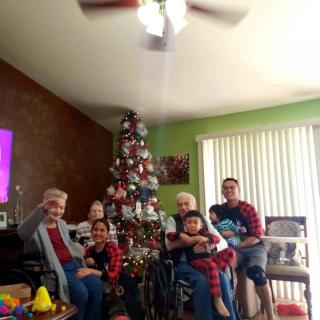
La Bella Vita ALH
$2,500 to $7,000 / month10.3 miles away -
from -$100 / mo
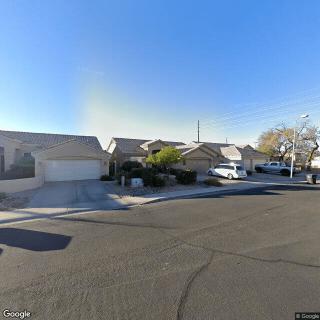
Golden Touch One Adult Care Home
$2,400 to $5,800 / month2.9 miles away -
from -$245 / mo

Windsor Luxury Assisted Living, LLC
$2,255 to $5,950 / month17.1 miles away -
from -$275 / mo
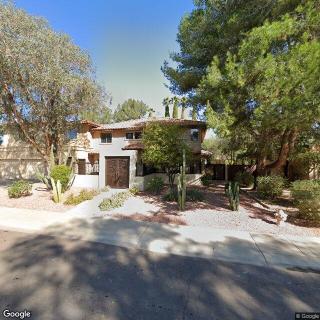
Harts Home - Exceptional Elder Care
$2,225 to $5,500 / month18.9 miles away -
from -$300 / mo
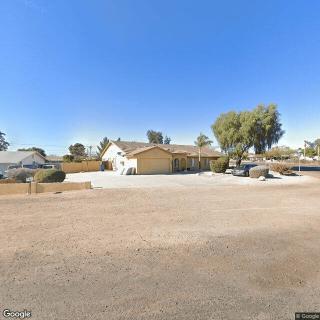
Desert Springs Communites
$2,200 to $2,500 / month12.5 miles away
Overall Review of Leisure Living
Pros
 The staff are easy to work with and provide good care.
- She has had no problems with meals and enjoys participating in activities with other residents.
- Her quality of life has improved, and she is walking and socializing more with peers her own age.
- She seems happier and really likes the staff.
- The staff encourage her to stay active and have matched her with another resident who needs a little extra help, making her feel useful.
- The food is good and residents are gaining some weight.
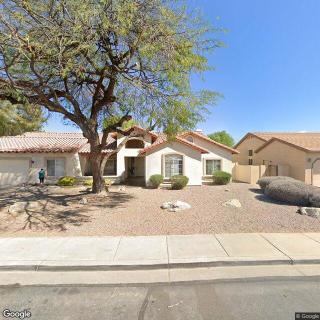
- The home is clean, large and roomy, near a park in a quiet neighborhood.
- There are three caretakers available 24/7 and home health teams tending to residents.
- The facility has a 5-star rating.
Cons
 The reviewer was not impressed with this home; it was very dark and depressing.
- The rooms are small, with two twin beds in each room.
- The reviewer noted there was no activities calendar.
Review
Leisure Living in Chandler is best suited for families seeking a smaller, home-like setting where attentive staff and integrated health care form the core of daily life. This community tends to work well for residents who appreciate a quiet neighborhood ambiance, proximity to a park, and a strong emphasis on safety and routine. It suits those who are comfortable sharing a room and who value dependable staff accessibility and regular on-site care, including visiting clinicians. Families should know up front that this is not a large, bustling campus with every amenity; for someone craving private rooms, a more expansive programming calendar, or a brighter, more modern atmosphere, alternatives may be preferable.
The strongest positives here revolve around staff reliability and meaningful social engagement. Families report staff who are easy to work with, responsive to concerns, and consistently attentive to daily needs. Residents often become more active and social after move-in, with opportunities to participate in exercise classes and other activities. A distinctive plus is the staff’s proactive approach, engaging residents in tasks or pairing them with peers who need a little assistance, so seniors feel useful and valued. On-site health touchpoints, such as a monthly dentist visit and visiting nurses for routine checks, enhance medical oversight without forcing frequent trips outside the community. Meals are generally well received, supporting good appetite and overall well-being, even when a little extra weight results. The combination of three caretakers around the clock and an explicit medication structure adds a reassuring layer of safety and accountability.
Yet the environment carries measurable drawbacks that families must weigh. Rooms are shared, with two twin beds per space and dimensions that can feel tight, especially for longer-term stays or for residents who highly value privacy. A notable caveat is the reported ambience in at least one visit, described as dark and depressing, which can influence mood and willingness to engage. Some reviewers note the absence of a formal, published activities calendar, which raises questions about how consistently programming is scheduled. While there is substantial staff presence and home health support during the week, the lack of a clearly visible, ongoing calendar may signal variability in daily structure for some residents.
Nevertheless, the robust care framework and social opportunities often offset these downsides for the right person. The key pro, steady, caring personnel who actively promote independence and companionship, directly mitigates concerns about smaller living quarters by delivering reliable supervision and meaningful engagement. The on-site health and wellness advantages, including regular medical touchpoints and exercise offerings, help sustain activity levels and health with fewer external trips. The availability of on-site professionals, combined with a quiet, park-adjacent setting, creates a safe, predictable routine that benefits residents who thrive on consistency and personal connection more than on private space or bustling programming.
This is also a clear signal for who should consider alternatives. For families prioritizing private accommodations or a more expansive, modern atmosphere with a broad slate of daily activities, larger campuses or newer communities may be a better fit. If a resident requires a high degree of autonomy, frequent off-site outings, or a calendar that feels full every day, Leisure Living may feel limiting. For those who place a premium on visual brightness, contemporary decor, and highly diversified programming, it would be prudent to tour other options that emphasize fresh interiors and a more dynamic activity schedule.
For families actively evaluating Leisure Living, a practical next step is to request a structured tour with specific questions. Probe whether private rooms are available or if shared accommodations can be rearranged to improve privacy. Ask for a current, published activities calendar and a sample weekly schedule to gauge consistency and variety. Confirm the staffing ratios during peak and off-peak hours and inquire about staff turnover, as continuity of care matters in a smaller community. Review a current menu and a plan for dietary restrictions, and confirm the presence and timing of on-site health services, including any weekly therapists or specialists. Finally, verify the emergency plans and safety features are up-to-date and clearly posted, ensuring peace of mind as needs evolve.
 8 resident community capacity
 Assisted Living
 Board and Care Home
 Memory Care
 Respite Care
 Dogs allowed
 Activities on-site
 Air-conditioning
 Bath tubs
 Cable or satellite TV
 Dining room
 Full kitchen
 Fully furnished
 Garden
 Housekeeping services
 Indoor common areas
 Move-in coordination
 Outdoor common areas
 Private
 Private bathrooms
 Telephone
 Wheelchair accessible showers
 Wi-Fi/high-speed internet available
 Phoenix Sky Harbor International (14 miles away)
 24-hour supervision
 Assistance with bathing
 Assistance with dressing
 Assistance with transfers
 Diabetes diet
 Diabetic care
 High acuity care
 Incontinence care
 Meal preparation and service
 Medication management
 Special dietary restrictions
 Transportation arrangement (medical)
 Transportation to doctors appointments
 Art classes
 BBQs or picnics
 Birthday parties
 Karaoke
 Live musical performances
 Visiting chaplain or priest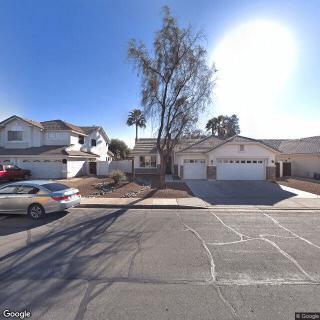


 5 Early Indicators of Dementia and What You Can Do
 8 Important Indicators That Memory Care May Be Necessary
 Delving into the Inner World of Dementia: Insights into Thoughts and Awareness