

3304 N. Los Altos Dr., Chandler, AZ 85224
To contact a resident: (480) 897-7236
For more information about senior living options: (866) 208-4318
Comfort Living Home Costs & Pricing
Comfort Living Home offers competitive pricing for its residential care services, providing an economical solution for families in need of supportive living arrangements. With monthly costs of $1,600 for a semi-private room and $1,800 for a private room, Comfort Living Home stands out significantly against the averages in Maricopa County and across Arizona. In contrast, the typical costs in Maricopa County are approximately $2,801 for a semi-private room and around $3,318 for a private room, while statewide figures reach about $2,820 and $3,345 respectively. This pricing structure not only underscores Comfort Living Home's commitment to affordability but also highlights its value proposition within the broader market landscape.
| Floor plans | Comfort Living Home | Maricopa County | Arizona |
|---|---|---|---|
| Semi-Private | $1,600 | $2,801 | $2,820 |
| Private | $1,800 | $3,318 | $3,345 |
Senior living communities with a similar price nearby
-
from +$261 / mo

Endeavor Senior In-Home - Mesa
$1,861 / month6.1 miles away -
from +$300 / mo

Young Life Assisted Living I
$1,900 to $2,500 / month17.9 miles away -
from +$200 / mo

Divine Grace Assisted Living Home
$1,800 to $2,500 / month16.0 miles away -
from +$250 / mo
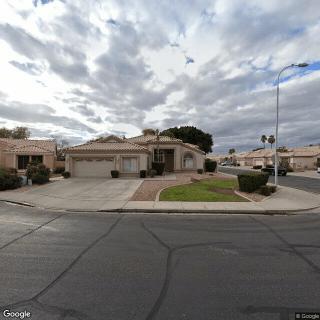
Divine Mercy Assisted Living II
$1,850 to $3,350 / month6.4 miles away -
About the same

Maria's Garden Of Eden
$1,600 to $1,800 / month21.1 miles away
Overall Review of Comfort Living Home
Pros
 They would give more than five stars if possible, praising Comfort Keepers for excellent care from start to finish.
- The team was extremely communicative, and their follow-up was outstanding.
- They followed detailed instructions and repeated them back accurately, executing perfectly.
- Ashley was the primary caregiver, trusted by the family, and described as fantastic and wonderful with the sister.
- The caregivers were kind and caring, and the mom was very happy with her companions.
Cons
 Wordeen had a no-show for the 11am appointment meant to meet the mom.
- Wordeen’s post-appointment call to confirm, and her excuse of being with another client, contributed to a miscommunication and was deemed unprofessional.
- The reviewer stated the experience was not professional and that confirmations should happen before the appointment, not after.
- The reviewer felt they were treated poorly as a client, and that the situation wouldn’t work out due to these mistakes.
Review
Best suited for families needing in-home, non-acute care with strong caregiver continuity and brisk, reliable communication. Comfort Living Home shines for clients who want hands-on support at home rather than a move into an assisted living facility, with a team capable of transportation, routine companionship, and meticulous instruction execution. The most persuasive evidence comes from families who must supervise care from out of state: caregivers who stay connected, repeat back instructions, and carry them out with precision. This is not a large institutional operation; it is a coordinated, intimate care partnership. For families managing care remotely, the ability to receive timely updates and clear confirmations makes Comfort Living Home a particularly appealing option.
Those who should consider alternatives are families needing flawless scheduling, constant on-site medical oversight, or 24/7 nursing support. The reviews reveal a strong talent for compassionate care, yet they also expose vulnerabilities in administrative reliability. An inconsistency in appointment handling and a single negative interaction point to a potential gap in professional accountability. If a client requires rigid, show-up-on-time scheduling and a tightly controlled intake process, or if medical supervision beyond non-medical assistance is essential, exploring other providers with more defined escalation protocols may be prudent.
The standout positives largely offset the drawbacks. Across multiple accounts, caregivers are described as kind, attentive, and genuinely engaged with the client’s happiness and comfort. The ability to follow detailed instructions and communicate back with the family creates a dependable care loop, reducing the burden on distant relatives. The most talked-about caregiver, Ashley, embodies the level of trust and reliability families seek: she’s described as trustworthy, capable, and outstanding in her treatment of the loved one. When these elements are present, the risk of neglect or disengagement from daily needs is markedly diminished, and the daily experience feels personalized rather than generic.
Nonetheless, the lone sharp negative example matters. A missed appointment and late, seemingly reactive communication highlight how a lapse in scheduling discipline can undermine confidence. It isn’t enough to have caring staff if the operating guidelines around appointments, confirmations, and accountability aren’t airtight. Families should insist on a formal scheduling protocol, with guaranteed confirmations, defined backup coverage, and a clear escalation path if a caregiver becomes unavailable. If the provider can demonstrate a plan to prevent reoccurrences, such as a dedicated scheduler, written handoffs, and proactive outreach, this weakness becomes a manageable risk rather than a disqualifying flaw.
From a practical decision-making standpoint, the key questions center on coverage, matching, and oversight. Is there a reliable backup caregiver for every shift? How is matching determined, based on personality, routines, and special needs? What level of supervision exists, and who owns the care plan if instructions shift? Families should request a detailed service agreement that stipulates response times, no-show policies, and periodic care-plan reviews. A trial period, two to four weeks, allows a real-world assessment of consistency and compatibility. Inquire about references, caregiver training, background checks, and the process for adjusting care plans as needs evolve.
In the end, Comfort Living Home is a strong option for those who value high-touch, responsive in-home care with dependable caregiver relationships and clear family communication, especially when the family is remote. The upside, consistent compassion, proactive communication, and trusted caregivers, often outweighs the drawbacks. The caveat is a need for robust scheduling discipline and explicit accountability for any missteps. If the priority is constant medical oversight or guaranteed perfection in every appointment, it may be wise to compare with facilities offering more integrated on-site nursing and a formalized scheduling workflow. Proceed with a concrete service-level agreement, a defined caregiver-match plan, and a short-term trial to confirm that the care partnership truly fits the client’s needs.
 Board and Care Home
 Private
 Private bathrooms
 Phoenix Sky Harbor International (9 miles away)
 Diabetic care





 Caregiver Exhaustion: Recognizing the Signs and Restoring Your Well-Being
 Understanding Hospice Care at Home: Comprehensive Services, Key Benefits, and Eligibility
 Understanding the Full Cost of 24/7 In-Home Care: A Detailed Overview