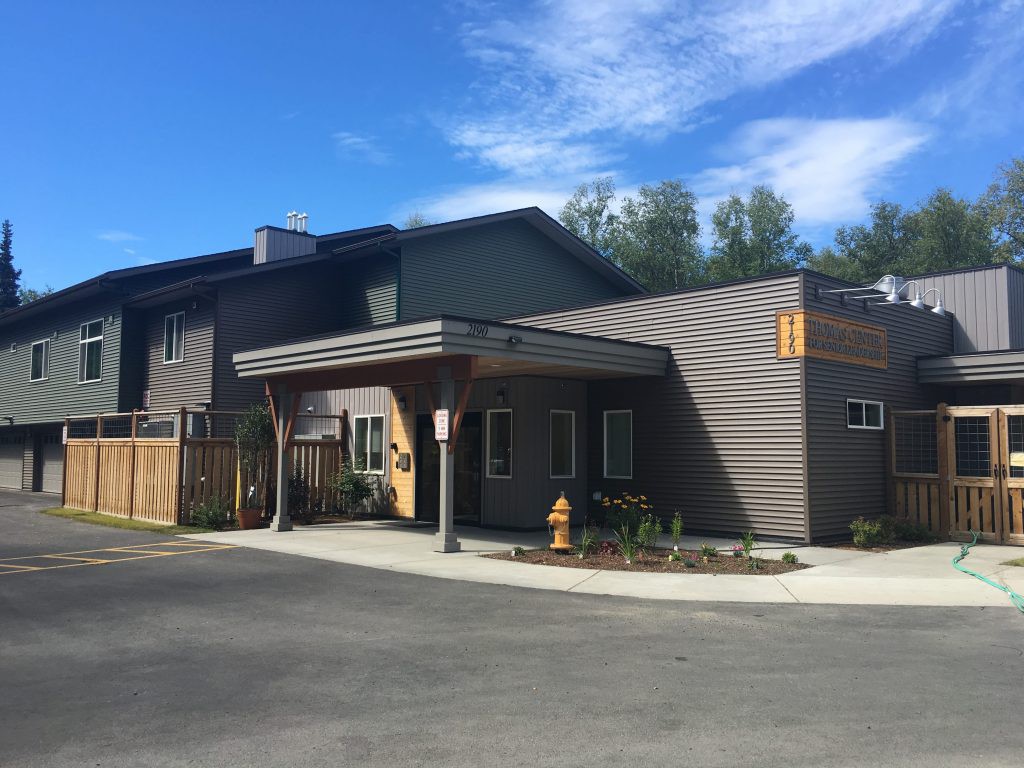
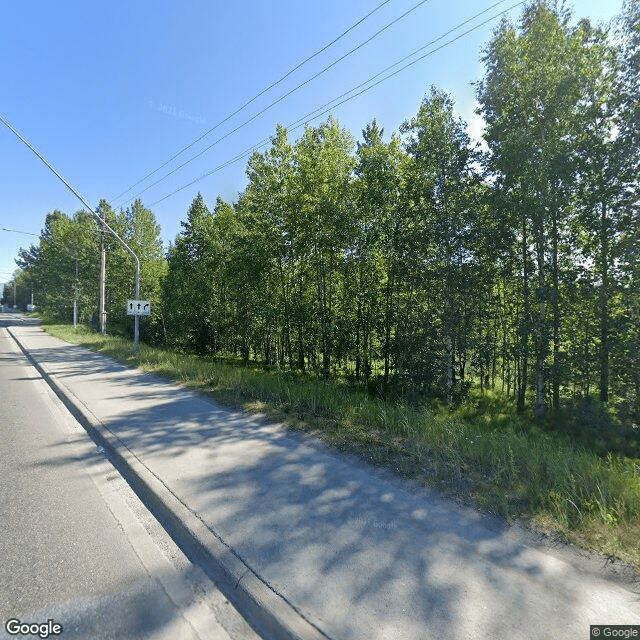
2190 E Tudor Rd, Anchorage, AK 99507
To contact a resident: (907) 538-9995
For more information about senior living options: (866) 208-4318
Overall Review of Thomas Center For Senior Leadership
Pros
 The community is described as having super nice people and a friendly, welcoming atmosphere.
- It is called an intentional community.
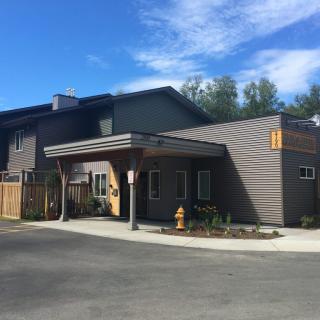
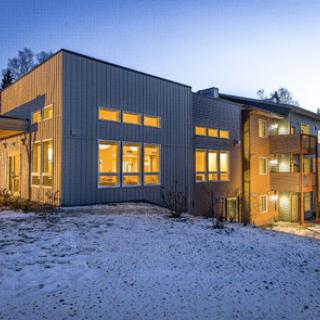
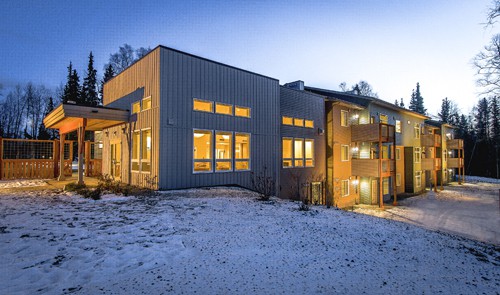
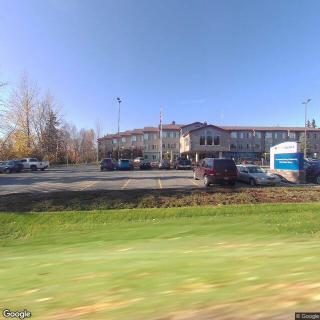
- It is a great independent living senior community in the heart of Anchorage, close to the U‑Med district and midtown, with a quiet wooded setting.
- Residents note that everyone is super friendly and the setting is lovely, clean, and inviting.
- The atmosphere is lively and lovely.
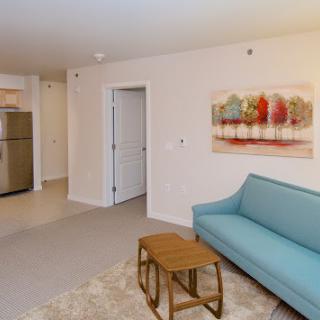
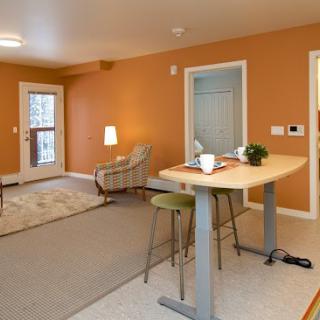
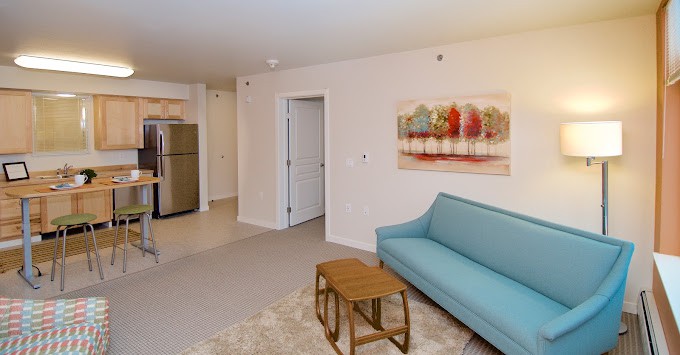
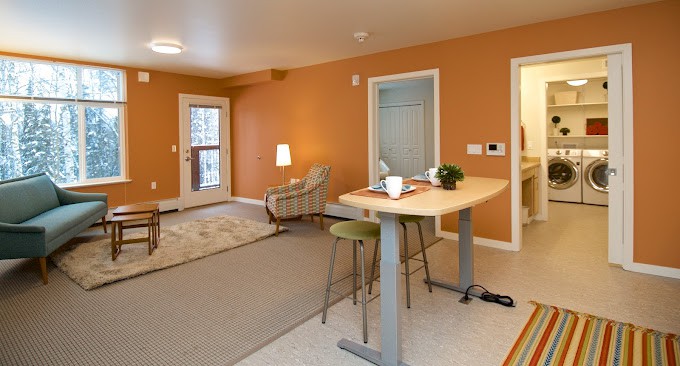
- It is a great place for active seniors who want both privacy and community living, featuring 14 independent, fully equipped apartments around shared spaces.
- The Thomas Center is beautifully designed as a welcoming space that supports aging in place within a caring community.
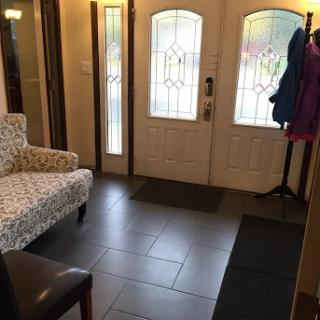
- The grounds and facilities include meal service, housekeeping, an exercise room, craft room, common room, a patio and garden, and neighbor-friendly features like kitchen windows.
Review
Thomas Center For Senior Leadership in Anchorage is best suited for active, independence-minded seniors who want privacy balanced with a meaningful, community-centered lifestyle. The setting blends a quiet, wooded atmosphere with convenient access to the U-med district and Midtown, appealing to those who value proximity to services while staying connected to city life. It fits residents who enjoy learning and social engagement and who appreciate a welcoming, lifelong-learning culture. Those with a clear need for extensive on-site healthcare, memory care, or a broad continuum of care should consider alternatives rather than this independent-living focused community.
The core appeal rests on a thoughtfully designed independent living footprint. Fourteen fully equipped apartments anchor shared spaces, a craft room, dining room, community lounge, and an exercise room, creating a natural rhythm of social interaction without sacrificing personal space. Heated garages add a practical perk for winters, and the meal plan is optional, offering flexibility for those who prefer cooking at times or seek social dining on some days. On-site housekeeping and regular access to communal amenities support a low-maintenance lifestyle, while the courtyard, garden, and moose fencing emphasize safety and a serene environment.
Residents highlight an engaging, welcoming culture, people from diverse faith backgrounds or none at all, all invested in a shared sense of community. The design supports aging in place gracefully, with kitchen windows into the hallway encouraging spontaneous neighborly chats or controlled privacy as desired. The campus’s quiet grounds and proximity to greenbelt trails create an oasis feel within a busy urban setting, a factor that matters for those who value safety, aesthetics, and the mental lift of pleasant surroundings.
Yet the smaller scale carries limitations that can influence a decision. The intimate footprint means fewer on-site services and a tighter social circle, which may not satisfy seniors seeking a broader array of activities, specialized programs, or a wide range of care options in one location. The optional meal plan helps on price variability, but families must consider overall cost against personal routines and social priorities. The location on a busy corridor, though described as peaceful in practice, could be a concern for residents who prioritize absolute quiet or who are sensitive to street activity. A tentative signal from a lower-rated review suggests variability in experiences, underscoring the importance of direct tours and conversation with current residents.
Despite these caveats, the advantages largely offset the drawbacks for the right buyer. The intentional community design reduces isolation, fosters everyday connection, and cultivates a support network among neighbors. Aging-in-place features, routine housekeeping, and predictable meal options deliver comfort and practicality, easing the transition from private home life to a shared living environment. The strong social fabric appears to be the engine of the center, with residents’ active engagement in crafts, fitness, and dining creating a sense of belonging that is hard to replicate in larger, more clinical settings.
Who should consider alternatives? Families looking for a larger continuum of care, more comprehensive on-site medical supervision, or memory-care services will likely want to explore other Anchorage options with broader service lines. Those needing frequent transportation, access to a wider variety of dining venues, or a broader menu of classes and cultural activities may also prefer a different community. Finally, if a non-religious or different neighborhood atmosphere is a priority, other centers may better satisfy those personal or spiritual preferences.
Bottom line: for active seniors who prize a tight-knit community, deliberate design, and convenient access to city amenities, Thomas Center delivers a compelling blend of privacy and social engagement in a compact, well-conceived package. The main pros, clear social structure, aging-in-place capabilities, flexible dining, and a peaceful campus setting, substantially offset the potential drawbacks of scale and scope. Prospective residents should arrange visits, speak with current residents, and compare with a handful of alternatives to ensure the fit truly aligns with care needs, budget, and lifestyle goals.
 Board and Care Home
 Ted Stevens Anchorage International (5 miles away)

 Exploring Palliative Care in the Home: A Comprehensive Overview
 Comprehensive Insights into Palliative Home Care: What It Is and What to Expect
 Skilled Nursing Facilities vs. Nursing Homes: Making Sense of the Differences