

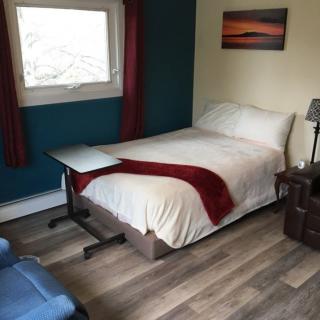


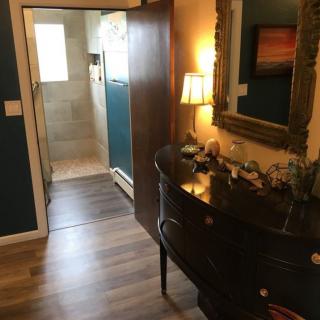
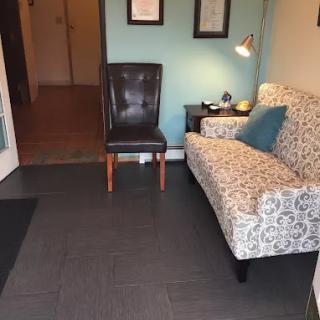
3832 Young Street, Anchorage, AK 99508
For more information about senior living options: (866) 208-4318
Overall Review of The Marietta House
Pros
 The Marietta House is one of the best in Anchorage.
- The Lommel family and their staff provide attentive care and treat residents like family.
- Bonnie’s attention to detail and experience contribute to top-notch care.
- Alex and Bonnie are a Godsend to families, maintaining contact and allowing visits at any time.
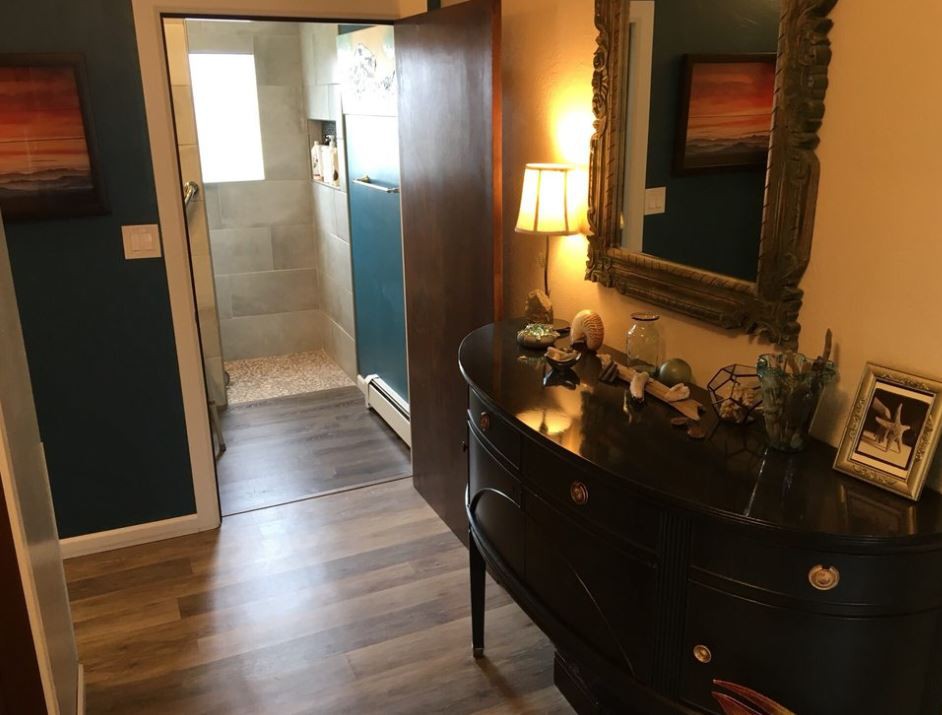
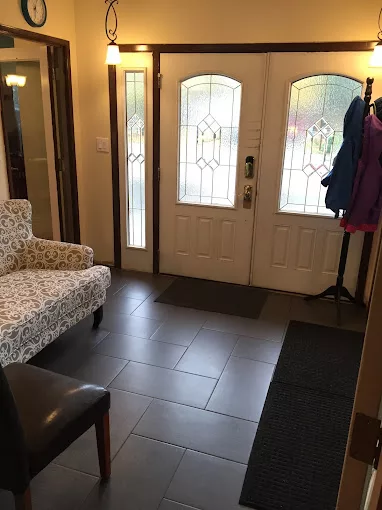
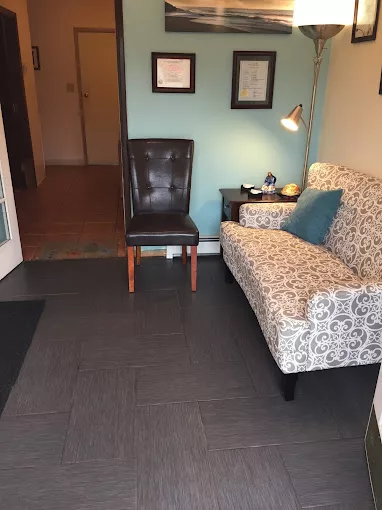
- The facility is beautiful, and the staff are caring and professional.
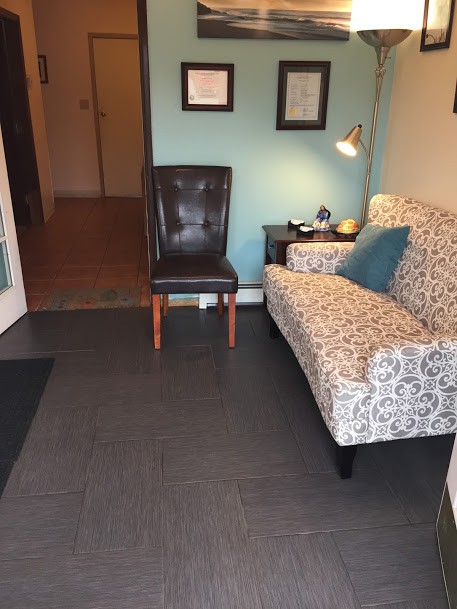
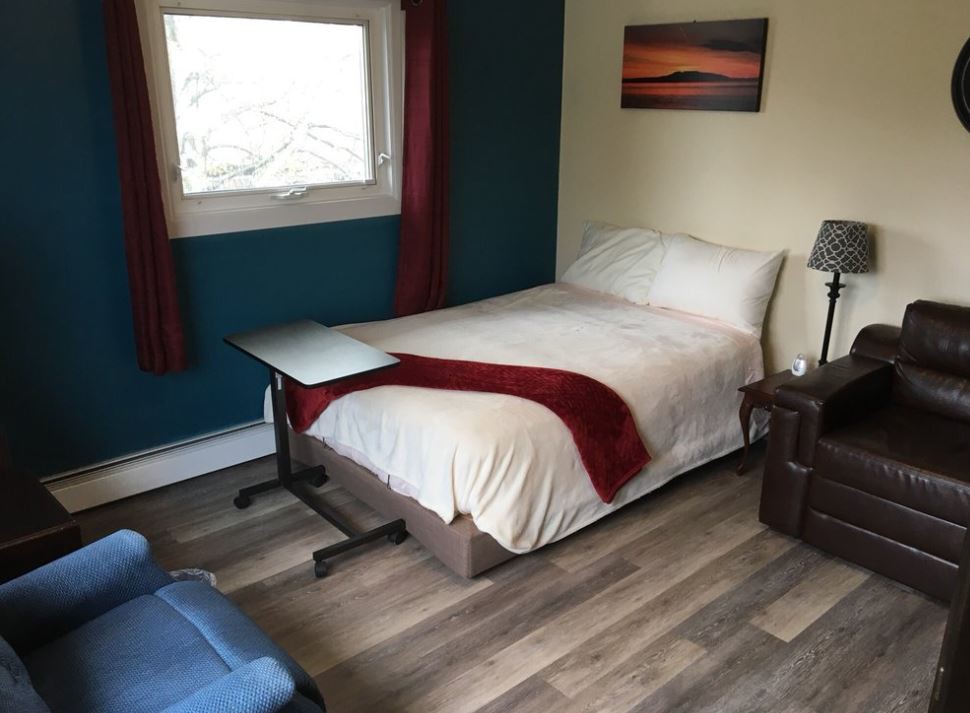
- The environment feels like a warm, family home.
- The owners are hands-on to ensure residents’ experiences are personalized and well cared for.
- The Marietta House has a welcoming atmosphere and smells of delicious home-cooked meals.
- Families would highly recommend The Marietta House for assisted living.
Cons
 The family was told to trust them and not worry, while being denied access to information.
- Bonnie refused to talk with the reviewer and avoided them.
- The reviewer’s mother had to push to get blood work, which showed she had not deteriorated as hospice had claimed.
- It was inappropriate to tell the reviewer’s mom alone that she probably wouldn’t live through the weekend.
- Six weeks later, the mom was discharged back to Marlow Manor with promises to visit that never materialized.
- The portions of food were small, and the reviewer’s mother lost 18 pounds.
- There were concerns about the caregivers in the room next to the mom selling riverside property and a cabin to Alex, raising questions about appropriateness.
- An informed advocate felt unwelcome, demeaned, and put off.
- At the time, the only nurses visiting were hospice nurses.
Review
The Marietta House in Anchorage is best suited for families seeking a small, intimate, family-run assisted living experience where residents are treated like members of a close-knit household. It excels for seniors who thrive on personal attention, steady access to caregivers who know them by name, and a home-like atmosphere that prioritizes warmth and relationship-based care. This is not the right fit for those who expect a large campus with formal programming, extensive medical oversight, or highly regimented schedules. The community’s strength lies in its hands-on owners and a culture that feels like “home” first, care second.
The core strengths are unmistakable. The Lommel family and their team are repeatedly described as genuinely caring, accessible, and deeply involved in day-to-day life. Residents appear to benefit from staff who spend time getting to know them, tailor assistance to individual needs, and maintain open lines of communication with families. The setting itself reinforces these strengths: a well-kept, aesthetically pleasing house that smells like home-cooked meals, with a layout designed to support a cozy, family-style living experience. Staff are credited with delivering top-notch service through attentive, detail-oriented care, and owners are consistently described as hands-on and responsive to concerns.
Two notable caveats warrant frank attention. A single review raises concerns about access to information, noting that an advocate for the resident felt sideswiped by a preference for internal staff and established providers, with perceived reluctance to engage directly. That account also touched on delays in medical updates and questions about how hospice conversations were framed, suggesting a potential gap in transparency at times. Another practical note from reviews points to small meal portions, with residents receiving “snacks” of the day that could prompt weight loss if not monitored. While these concerns are not universal, they illuminate real considerations for families that prioritize open medical communication and clear nourishment plans, particularly when complex care needs arise.
Yet these cons do not negate the undeniable advantages. The home ambiance, depth of caregiver engagement, and a reputation for treating residents like family create a reservoir of trust that can offset occasional lapses in information flow. When the owners model available, responsive leadership and invite families to participate in planning, even if the facility isn’t the perfect fit, the trust earned can compensate for a lack of sprawling campus resources. The intimate setting supports consistent relationships, reducing the impersonality often found in larger communities and enabling personalized care plans that reflect individual histories, preferences, and routines.
For families weighing options, the Marietta House makes a compelling case for small-scale, relationship-focused care, provided one understands the trade-offs. Alternatives to consider include larger assisted living communities with formal oversight structures, more robust in-house medical programming, or dedicated memory-care environments if cognitive needs are pronounced and caregivers require specialized training. If choosing Marietta House, prospective residents and families should pursue a candid conversation about information-sharing protocols, medical updates, and the involvement of outside providers in care decisions. Ask for a clear policy on records access, decision-making authority, and how hospice or hospital communications are coordinated with the facility.
The bottom line is practical and direct: for families prioritizing warmth, accessibility, and a home-like daily rhythm, The Marietta House offers a remarkable, high-touch experience in Anchorage. The principal risk is potential gaps in transparent medical communication and a few nutrition-related concerns; these are not pervasive, but they matter. The recommended path is to engage with Alex and Bonnie Lommel early, outline expectations for information flow, confirm meal planning and portion adjustments, and arrange to observe interaction patterns across mealtimes and care routines. When these elements are aligned, The Marietta House delivers a trusted, comforting senior-living option where residents truly feel cared for, protected by a supportive family enterprise that treats each member as part of the family itself.
 5 resident community capacity
 Assisted Living
 Board and Care Home
 Cable or satellite TV
 Dining room
 Fully furnished
 Garden
 Housekeeping services
 Move-in coordination
 Outdoor space
 Telephone
 Wi-Fi/high-speed internet available
 Ted Stevens Anchorage International (5 miles away)
 24-hour supervision
 Activities of daily living assistance
 Assistance with bathing
 Assistance with dressing
 Assistance with transfers
 Diabetes diet
 Meal preparation and service
 Medication management
 Special dietary restrictions
 Transportation arrangement (medical)
 Transportation to doctors appointments



 Comprehensive Supportive Living Arrangements for Adults with Disabilities
 Funding and Affording Assisted Living: A Thorough Overview
 Assisted Living Expenses and Long-Term Care Insurance: A Comprehensive Exploration