
3801 Lake Otis Parkway, Suite 250, Anchorage, AK 99508
For more information about senior living options: (866) 208-4318
Overall Review of Alpenglow Short Stay Assisted Living
Pros
 The nurses, physical therapists, and other staff were professional, smart, and kind.
- All questions asked by patients were answered to their satisfaction.
- The nursing and physical therapy team were wonderful, compassionate, professional, and great listeners.
- Alpineglow is an example of healing and teaching, described as a true blessing.
- Cathy and Haley were outstanding overnight nurses, bringing a relaxed atmosphere to an unpleasant procedure and were personable and welcoming.
Cons
 The facility’s claim of 24-hour operation was undermined by no one answering at the front desk, described as completely unacceptable after treatment.
Review
Alpenglow Short Stay Assisted Living in Anchorage is best suited for adults who are navigating post-acute recovery after surgery or acute illness and need skilled nursing, physical therapy, and a tightly focused care team in a small, homelike setting. It excels when the objective is a purposeful bridge between hospital care and home, with nurses, therapists, and support staff who concentrate on healing, education, and a clear discharge plan. The facility’s compact footprint translates into high-touch attention, quicker replies to questions, and a calmer environment that can significantly reduce the confusion and stress that often accompany a brief rehab stay. For families prioritizing a proven post-op pathway over a sprawling, activity-heavy senior living campus, this option stands out.
This community is not a universal fit for every aging-in-place scenario. Alternatives should be considered for residents who require long-term, high-acuity supervision, complex chronic medical management, or around-the-clock care that extends beyond what a short-stay model can feasibly sustain. For those seeking robust memory-care programming, extensive social-planning, or a broad spectrum of on-site amenities aimed at ongoing independent living, a larger facility with deeper programming may serve better. If after-hours administrative responsiveness is a non-negotiable, that need should be weighed carefully against the small, high-touch strengths here. In short, those with ongoing, 24/7 medical or social needs might want to explore other communities that are structured for continuous, all-day support.
The strongest advantages are the people and the pace. Nursing and physical therapy teams are consistently described as compassionate, professional, and skilled, with a capacity to listen and respond thoughtfully to questions and concerns. The care is not rushed; staff members are praised for taking time with each patient, ensuring comfort with pain control, IV management when needed, and a steady progression through rehabilitation milestones. Several reviewers specifically highlight names like Cathy and Haley, whose bedside manner and proactive problem-solving leave a lasting impression of dependable, person-centered care. The small-bed environment also means that therapists and nurses can tailor plans closely to individual recovery trajectories, which translates into a more confident step-down to home after surgery.
Complementary strengths offset the occasional operational shortfall observed in a single negative report. The standout pros, expert clinical teams, attentive communication, and a serene setting, taveg the main risk of a less reliable front desk or after-hours access that one reviewer flagged. In practice, the consistent endorsements from multiple patients about the quality of care, combined with the ease of getting questions answered during active care windows, create a strong case for choosing this facility when the goal is a smooth, medically guided recovery. The ambience, clean, comfortable rooms and a recovery-focused atmosphere, bolsters the practical benefits, reinforcing recovery readiness and reducing the stress typically associated with transitions from hospital to home.
From a decision-making perspective, this community aligns best with short-stay post-acute trajectories tied to surgical recoveries such as recent hip or back procedures, where the objective is functional restoration and discharge planning rather than ongoing, long-term assisted living. Families should prioritize clarity around discharge timelines and home-care arrangements, and verify that the therapy schedule and nursing oversight can accommodate the expected post-op course. Prospective residents should also assess whether the level of social programming, staff coverage after hours, and the facility’s capacity to manage IVs, wound care, or other post-op needs match the complexity of the individual’s surgery and recovery plan. The facility’s small size supports individualized care, but it also means capacity constraints can arise more quickly than in larger communities.
In the end, Alpenglow Short Stay Assisted Living offers a compelling, practical choice for a specific niche: a highly attentive post-acute recovery hub near Anchorage that can deliver a confident bridge from hospital care to home. The care team’s expertise, the low patient-to-staff ratios, and the emphasis on teaching and healing translate into meaningful advantages for patients aiming to regain function and independence after surgery. When the priority is a controlled, calm environment where questions are answered and progress is tracked with discipline, this community earns strong consideration. For anyone whose care needs extend beyond short-term rehab or who requires ongoing, around-the-clock supervision and programming, alternative options with broader long-term support may be warranted. The decision should hinge on how well the expected post-op trajectory matches the facility’s staffing model, discharge reliability, and the patient’s personal preferences for setting, pace, and level of professional attention.
 9 resident community capacity
 Assisted Living
 Board and Care Home
 Cable or satellite TV
 Dining room
 Fully furnished
 Garden
 Housekeeping services
 Move-in coordination
 Outdoor space
 Telephone
 Wi-Fi/high-speed internet available
 Ted Stevens Anchorage International (5 miles away)
 24-hour supervision
 Activities of daily living assistance
 Assistance with bathing
 Assistance with dressing
 Assistance with transfers
 Diabetes diet
 Meal preparation and service
 Medication management
 Special dietary restrictions
 Transportation arrangement (medical)
 Transportation to doctors appointments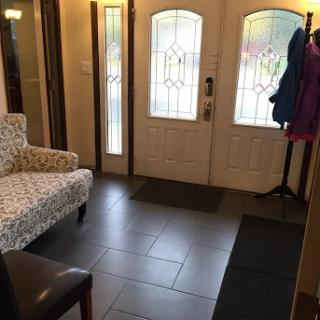

 A Detailed Exploration of Assisted Living Medicaid Waivers Across the United States
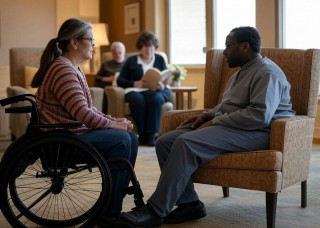 Comprehensive Residential Support and Assisted Living Solutions for Individuals with Disabilities
 Comprehensive Supportive Living Arrangements for Adults with Disabilities