
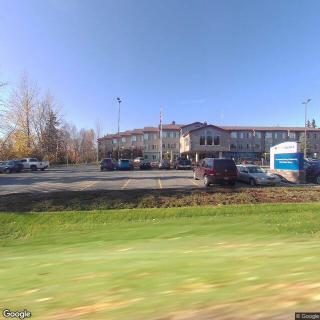
2948 Kimberlie Court, Anchorage, AK 99508
For more information about senior living options: (866) 208-4318
Overall Review of Feh's Humanitarian Alh
Pros
 They are doing a good job with the homeless
- Very helpful and kind workers.
- Well organized to step in and volunteer
Cons
 The reviewer states they lost everything they owned at the Aviator hotel.
- The reviewer notes a sleeping bag valued at $500 and three pairs of Carhartts/overalls valued at $450 were lost.
- The reviewer warns others not to leave gear with these operators, since belongings may be separated from them and not returned, and suggests calling the police.
- The reviewer filed a police complaint to address such behavior.
Review
Feh's Humanitarian Alh in Anchorage is best suited for adults experiencing homelessness who need immediate shelter, practical support, and a clear pathway to local services. This community shines when the goal is to stabilize daily life quickly, maintain dignity in a tight living environment, and plug residents into outreach networks that can lead to housing, employment support, and social services. The operating tone is straightforward and service-driven, not upscale, which makes it a reliable choice for those who prioritize steady access to help and to people who will show up with solutions rather than platitudes. With a 4.5 rating from six reviews, the consensus is that Feh’s delivers meaningful frontline support, backed by a staff and volunteer base that understands the pressures of rough-sleeping and transitional housing.
Those who may want to consider alternatives are clear: anyone needing long-term private housing, ongoing licensed medical oversight, or high-level, facility-based care should look elsewhere. If medical management, medication administration, or specialized memory care are priorities, a traditional assisted-living setting with formal nursing support will typically offer more predictability. Similarly, if privacy and predictable security of belongings matter deeply, or if there is a requirement for strict, documented property policies with clear liability coverage, other options with defined storage procedures and stronger safeguarding measures should be evaluated. Feh’s can be excellent for rapid stabilization and resource access, but it may not fulfill every expectation for regulated care and item security.
The strongest positives revolve around people and process. Reviewers repeatedly praise the staff as helpful and kind, a quality that turns shelter into a source of reassurance rather than a mere stopgap. The operation’s organization and openness to volunteers translate into tangible benefits: residents receive hands-on assistance with navigating social services, applying for benefits, and connecting to local organizations that can assist with housing, employment, and stability. The presence of a well-organized volunteer framework suggests a responsive, community-oriented environment where newcomers don’t get lost in the shuffle. In practical terms, this means fewer barriers to access what is needed most in the short term: meals, case management, and a bridge to next steps.
Yet there is a concrete caveat tied to the sheltering model. One review cautions about safeguarding personal belongings, describing situations where items may be separated from their owners and not promptly returned. That note is not a slam on the staff’s intentions, but it signals a real-world risk: belongings can slip through the cracks in a high-traffic, resource-constrained setting. For families evaluating Feh’s, the takeaway is to plan around this reality, limit valuables, use whatever secure storage is available, document possessions, and insist on a clear, written policy for item handling and loss. Prospective residents should ask for specifics about check-in/check-out procedures, storage lockers, inventory logs, and incident reporting so expectations are aligned before admission.
The program’s capacity to connect residents to broader resources is a meaningful strength. The expressed aim of reaching out to relevant Anchorage organizations and supporting individuals as they strive to improve their condition points to a broader mission: turn shelter time into momentum. This proactive orientation matters because it increases the odds of people moving toward housing opportunities, job training, benefits enrollment, and sustained community integration. For families seeking more than shelter, someone who wants concrete steps toward independence, Feh’s can function as a catalyst, not just a place to wait out tough times.
Decision guidance flows from weighing warmth and resource navigation against the risk of item loss. Feh’s Humanitarian Alh is a credible, capable option for those prioritizing compassionate staff, practical daily support, and structured access to services within a shelter-like setting. It offsets its limitations with real-world benefits: approachable staff, an active volunteer ecosystem, and a straight-line path to community resources that can change outcomes. However, the principal drawback, safeguarding personal belongings, means consideration of alternatives is prudent if private security, ongoing medical oversight, or formalized guardian policies are non-negotiable. Families should tour the facility, question policies on property handling, and assess whether the combination of care, connection to services, and community support aligns with the loved one’s goals. When the aim is immediate stabilization coupled with tangible progress through local networks, Feh’s presents a practical, accountable option worth serious consideration.
 3 resident community capacity
 Assisted Living
 Board and Care Home
 Cable or satellite TV
 Dining room
 Fully furnished
 Garden
 Housekeeping services
 Move-in coordination
 Outdoor space
 Telephone
 Wi-Fi/high-speed internet available
 Ted Stevens Anchorage International (6 miles away)
 24-hour supervision
 Activities of daily living assistance
 Assistance with bathing
 Assistance with dressing
 Assistance with transfers
 Diabetes diet
 Meal preparation and service
 Medication management
 Special dietary restrictions
 Transportation arrangement (medical)
 Transportation to doctors appointments

 Securing Financial Support for Assisted Living: A Comprehensive Overview
 Social Security Benefits and Assisted Living: Navigating Options Across the U.S.
 An Extensive Exploration of the VA Aid and Attendance Benefit