For more information about senior living options: (866) 208-4318
3.4 from 119 reviews
5 stars
63
4 stars
5
3 stars
5
2 stars
3
1 stars
43
Overall Review of Providence Alaska Medical Center
caveat12 reviews mention this
Billing is a recurring frustration
Several reviewers criticize high charges and billing follow-through.
Cost and billing come up repeatedly, with reviewers describing unexpectedly large bills and problems disputing or getting accurate charges handled. Some mention delays or difficulty getting questions answered about what they were billed for, even after contacting billing. A separate set of reviews is more supportive of financial assistance programs, suggesting outcomes can vary depending on the situation.
caveat9 reviews mention this
Wait times frustrate some visits
Some reviewers report long waits and slow processing.
Several reviewers describe waiting in the emergency area for extended periods, sometimes while experiencing serious symptoms. Others mention delays with specific steps like getting discharge paperwork or receiving needed items and medication. A few comments counterbalance this by praising quick and efficient care, but the wait-time complaints are frequent enough to stand out.
common20 reviews mention this
Staff care comes through
Many reviewers describe staff who are professional and compassionate.
Across many reviews, residents (or patients) describe doctors, nurses, and other staff as caring, knowledgeable, and attentive. Several people single out communication—taking time to explain what is happening and checking in—especially during surgery, ICU stays, and emergency visits. At the same time, a smaller number of reviews report rude behavior or inadequate attention, which is why the overall experience seems to depend on the unit and staff shift.
caveat2 reviews mention this
Cleanliness and hygiene are mixed
Some reviewers raise concerns about hygiene and sanitation.
A couple of reviews point to sanitation problems, like missing soap or non-working sanitizer stations, and suggest the facility is not maintaining basic hygiene consistently. Another reviewer describes the hospital as visibly dirty in common areas. Other reviews do mention a clean facility, so cleanliness appears inconsistent rather than uniformly poor.
How we summarize
Counts show how many written reviews mention each theme; a review can touch several themes, and only frequently mentioned themes are displayed.
Features
Transportation
Ted Stevens Anchorage International (6 miles away)
Nearby Places of Interest
This area of Anchorage, Alaska, offers a convenient location with easy access to various medical facilities, including Providence Health & Services and the Children's Hospital at Providence. There are also several pharmacies nearby for easy access to medication and healthcare needs. In terms of dining options, there are familiar fast food choices like Wendy's and McDonald's as well as casual sit-down restaurants like Taco Bell and Village Inn. For those who enjoy coffee, there is a Starbucks within walking distance. Additionally, Castle Heights Park provides a peaceful outdoor space for leisurely walks or picnics. Overall, this neighborhood offers a balance of medical amenities, dining options, and recreational opportunities for seniors considering living in the area.
Hospitals
Providence Sleep Disorders Center (0 miles)
Providence Health & Services-Washington (0.2 miles)
Providence Day Surgery (0.2 miles)
Providence Medical Center Pharm (0.2 miles)
The Children's Hospital at Providence Prenatal Unit (0.2 miles)
Psychiatric Emergency Department at Providence Alaska Medical Center (0.2 miles)
Providence Alaska Medical Center (0.3 miles)
Physicians
Kaylyn Hum, Au.D (0 miles)
Anchorage Fracture & Orthopedic Clinic (0 miles)
Totten Mary C Md (0 miles)
Alpine Urology (0 miles)
Alyeska Family Medicine (0 miles)
Seattle Children's Pediatric Cardiology of Alaska (0.1 miles)
Home health care offers a range of clinical services provided in a patient's home, including nursing and therapy, tailored to individual needs, particularly for aging seniors with chronic conditions. This approach enhances patient independence, promotes better disease management, and utilizes technology for real-time monitoring while fostering collaboration among healthcare providers and family members.
Seniors benefit from ride-hailing services like Uber and Lyft, which provide convenient and accessible transportation options that promote independence and social engagement, while addressing mobility challenges. These platforms have adapted to meet senior needs with user-friendly features and safety measures, although costs can be a concern; community programs may help subsidize rides for older adults.
The guide outlines the eligibility criteria for home health care services, emphasizing clinical requirements, insurance options, and application processes. It distinguishes between Medicare's strict and Medicaid's flexible qualifications while addressing challenges families may face in securing necessary care at home.
Get PricingAsk A QuestionSchedule A TourContact Senior Advisor
By clicking submit, you agree to our Partner's Terms of Use. You
also consent to receive calls and texts, which may be autodialed, from our Partner. Your consent is not a condition to
using our Partner's service. Please visit our Partner's Privacy Policy for information about their privacy practices.


 Ted Stevens Anchorage International (6 miles away)
 Small, intimate setting with personalized care and comprehensive services.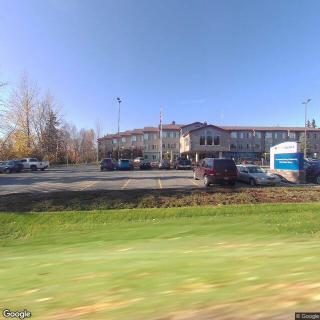
 Home Health Care Demystified: A Comprehensive Guide for Families and Caregivers
 Seniors and Modern Transportation: Exploring Uber, Lyft, and Other Ride-Hailing Options
 Comprehensive Guide to Qualifying for Home Health Care Services