

300 Baker Road, Satsuma, AL 36572
To contact a resident: (251) 679-9192
For more information about senior living options: (866) 208-4318
Carrington Place Costs & Pricing
Carrington Place offers competitive pricing for its accommodations, particularly when comparing the monthly costs to both Mobile County and the broader state of Alabama. For a semi-private room, Carrington Place's rate is $2,600, slightly below the Mobile County average of $2,643 and significantly lower than the state average of $3,495. Meanwhile, their studio option is priced at $3,200, which also compares favorably against Mobile County's average of $3,061 and the statewide figure of $3,279. This positioning reflects Carrington Place's commitment to providing quality care at more accessible price points for residents seeking comfortable living arrangements in a supportive environment.
| Floor plans | Carrington Place | Mobile County | Alabama |
|---|---|---|---|
| Semi-Private | $2,600 | $2,643 | $3,495 |
| Studio | $3,200 | $3,061 | $3,279 |
Memory care communities with a similar price nearby
-
from +$265 / mo
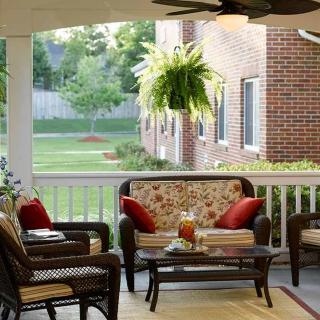
Vitality Living Regency
$2,865 to $5,935 / month13.9 miles away -
from +$450 / mo
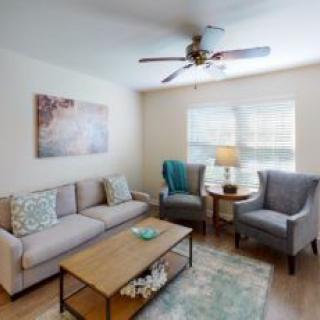
Somerby Mobile
$3,050 to $4,250 / month14.6 miles away -
About the same
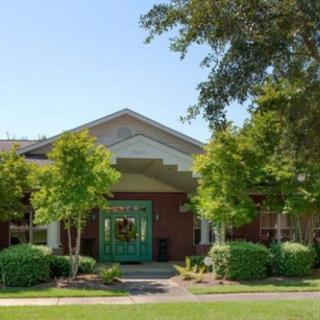
Knollwood Pointe
$2,600 to $4,100 / month17.0 miles away -
from +$315 / mo
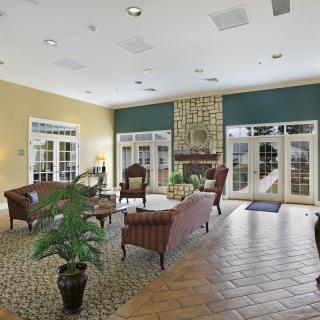
Proveer at Heritage Woods
$2,915 / month17.4 miles away -
from +$400 / mo

Our Southern Home - Orchard
$3,000 to $3,700 / month10.6 miles away
Overall Review of Carrington Place
Pros
 The facility is a great place with friendly staff.
- Residents are fed well.
- Residents are occupied and well cared for.
Cons
 The reviewer would not leave their own mother at the facility.
- They cite a lack of resources and support from the facility’s owners, Duane and Kim Carr.
- They imply the facility couldn’t provide proper care, as the mother passed away at home.
Review
Carrington Place in Satsuma, Alabama, is best suited for seniors who want a small, neighborly setting where staff interactions feel personal, meals are reliably served, and residents stay engaged with daily programming. It rewards families who value a steady, friendly caregiving presence and a visible routine that keeps residents occupied. For a loved one who can thrive with consistent supervision and social activity in a home-like environment, Carrington Place offers practical reassurance without demanding high-acuity medical needs.
Those with complex medical requirements or a need for aggressive care planning should look elsewhere. The reviews hint at constraints tied to the owners’ resources, which can translate into slower access to enhancements, equipment, or specialized support. If a loved one requires frequent medical monitoring, 24/7 skilled nursing, or rapid escalation pathways, alternatives with bigger staffing budgets or corporate backing are likely to offer greater safety margins.
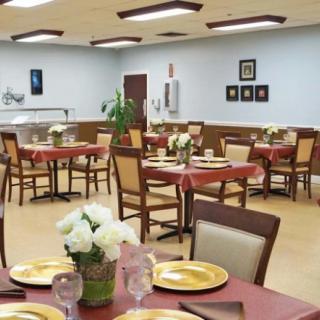
On the upside, the strongest selling points are tangible: a welcoming caregiving staff, meals that keep residents fed well, and a consistent sense that residents are not just present but engaged. The positive anecdotes describe a warm front-line team and a community where residents appear occupied and cared for. In practice, that translates to less daytime anxiety for families and more predictable daily life, which matters when managing transitions and long-term routines.
Where the caveats show up is in the resource gap that ownership may create. The pointed critique from a caregiver, expressing reluctance to place a family member there despite the staff’s effort, signals a risk that caring depth could drift if owners cannot sustain or expand the necessary supports. That backdrop matters most when changes in health status occur, or when staffing needs intensify. In short, care quality at this campus hinges more on the day-to-day dedication of frontline workers than on a robust, well-funded infrastructure.
That dynamic means the pros offset the cons when the resident remains moderately independent but still benefits from structured meals, social activities, and steady staffing. Families should verify concrete protections: staffing ratios per shift, escalation protocols, access to outside medical services, and a transparent plan for capital improvements. Tours should probe how ownership involvement translates into everyday resources, whether there are contingency plans for staffing shortages, and how quickly the facility can respond to new care requirements. Knowing these details helps determine if Carrington Place can sustain the level of care that might be needed down the line.
Bottom line: Carrington Place is a practical choice for seniors who prize a friendly, engaged environment and reliable meals in a smaller community, provided that vigilance remains about ownership-backed resources. For families prioritizing high-acuity care, rapid escalation, or strong corporate backing, alternatives with broader resource pools will likely feel more secure. A considered tour with explicit questions about staffing, access to equipment, and contingency planning will reveal whether this community can meet both current comfort goals and future care needs.
 Assisted Living
 Memory Care
 Activities on-site
 Devotional services off-site
 Indoor common areas
 Mobile Regional (15 miles away)
 Ambulatory care
 Diabetic care
 Meals provided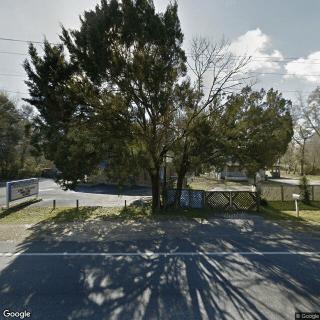

 Understanding Dementia Through Its Seven Stages: A Comprehensive Look at Progression and Expectations
 Safeguarding Your Memory Through the Golden Years: Eight Ways to Preserve Cognitive Health
 Comprehensive Insights into Activities of Daily Living (ADLs) and Their Assessment