
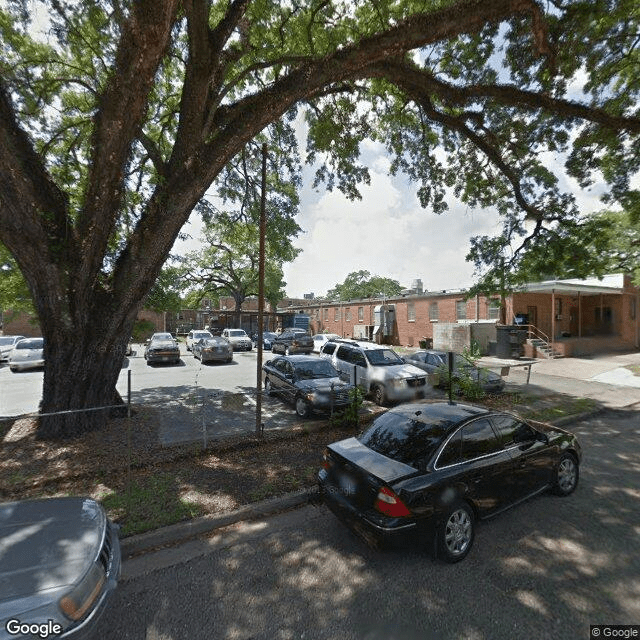
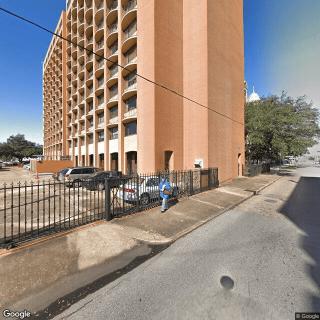
735 S Washington Ave, Mobile, AL 36603
To contact a resident: (334) 433-2642
For more information about senior living options: (866) 208-4318
Overall Review of Allen Memorial Home
Pros
 The staff are amazing and provide peace, comfort, and excellent care for residents.
- Staff across all departments are helpful and attentive to residents’ needs.
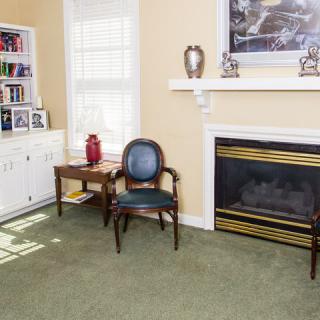
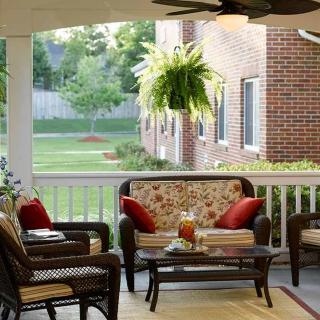
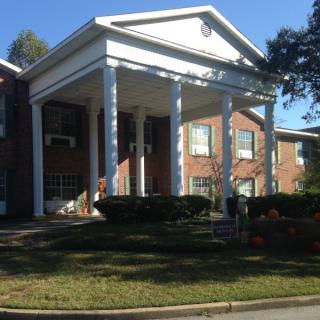
- The facility is clean, well maintained, and inviting, with a pleasant overall ambiance.
- The staff are caring, efficient, and on top of everything, ensuring residents receive attentive care.
- The facility offers engaging activities and amenities, such as an attached garden, a park-like outdoor space, and a beauty shop.
- Staff responsiveness is evident, with team members like Amy providing kind, helpful information.
- Allen Memorial Home is described as wonderful, with caring and efficient staff that residents and families highly appreciate.
- The outdoor spaces and natural surroundings, including mature oak trees, enhance the facility’s appeal.
Cons
 The facility is described as a nightmare experience, with staff perceived as cruel, neglectful, or disrespectful.
- Residents were seen screaming for help and being ignored, with at least one person left freezing for hours without a bed cover.
- It was labeled a "do not lift" facility, where a patient reportedly lay in bed for months.
- A family member was left with an unpaid balance of $76 that was never refunded.
- Hospital notifications were reportedly mishandled, and information was selectively relayed to the family.
- Personal belongings were stolen, including shoes, dentures, a bank card, and other hygiene items.
- Some residents reportedly did not receive help with feeding or drinking, leading to eating or drinking issues.
- The facility was criticized for lack of care, no showers, and horrible food.
Review
Allen Memorial Home in Mobile, Alabama is best suited for families who prize a warm, people-first caregiving culture, plus a clean, activity-rich environment in an older but well-kept building. It works well for residents who can thrive on personal attention from staff across roles and who value social programming, comfortable common spaces, and an on-site garden and beauty services. Those seeking a modern, hospital-like setting with private, en-suite bathrooms in every room or a flawless safety record, however, should consider alternatives.
Pros consistently cited by families include a staff that feels genuinely caring and responsive, across reception, nursing, activities, and support services. Cleanliness and a well-maintained campus are repeatedly noted, with features such as an attached garden and a park-like setting framed by ancient oaks. The activity calendar, ranging from spa days to festive gatherings, gives residents meaningful engagement and daily structure, while amenities like a beauty shop and dining options contribute to a sense of normal life within the walls. When care goes well, the experience is described as deeply reassuring for families and comforting for residents.
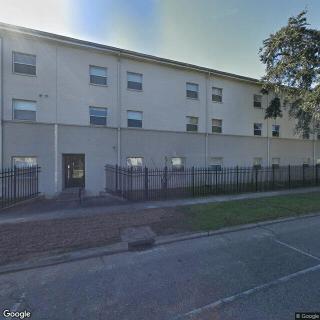
Yet the resonance of these positives is counterbalanced by troubling inconsistencies found in several accounts. Some families report distressing lapses in care, the perception that pleas for help were ignored, or that assistance arrived too slowly. There are references to hospitalizations or medical changes not being promptly communicated to relatives, and in at least one case, doubts about whether a resident’s basic needs were adequately addressed. Instances of personal property being lost or stolen add another layer of concern, touching on trust and safety in daily routines. The building’s age is evident in physical space, with private rooms not universally available and some residents sharing rooms unless a premium private option is chosen.
These strengths and weaknesses interact in complex ways. For families who value a nurturing, people-centered environment, the staff and community atmosphere can substantially enhance everyday life and offset some facility limitations, particularly when the resident thrives on social interaction and a lively calendar. The renovations and ongoing upkeep of the grounds soften the impact of the aging structure, presenting a lived-in charm that resonates with many residents. In such cases, Allen Memorial Home can deliver meaningful quality-of-life benefits that counterbalance practical gaps.
However, it is prudent to consider alternatives if safety traceability and consistent communication are non-negotiables. Families with heightened expectations for transparency will want concrete answers about incident reporting, notification timelines after hospital stays or accidents, and a robust plan for rapid caregiver response. If privacy and private bathrooms are essential, or if there is a strong need to minimize the risk of mislaid belongings, other communities with newer builds, higher staff-to-resident ratios, and stricter security may be a better fit. For residents needing advanced memory or higher-acuity care, look for specialized programs and more integrated medical oversight than what the current profile suggests.
The bottom line is that Allen Memorial Home can be a thoughtful choice for the right resident and family, delivering warmth, attentiveness, and a socially rich environment that makes daily life meaningful. It is not a match for everyone, and certain red flags around care consistency and family communication cannot be ignored. Prospective movers should conduct thorough, targeted inquiries: multiple visits, candid conversations with current residents and a cross-section of staff, a clear view of incident and medication policies, and a careful review of room options and what is included in ongoing costs. If the balance of personal care, engaged programming, and overall atmosphere aligns with a resident’s needs and family expectations for safety and transparency, Allen Memorial Home offers genuine value; if not, pursuing options with stronger safety records and more modern amenities is the smarter, more protective path.
 Board and Care Home
 Mobile Regional (11 miles away)


 Financing Long-Term Nursing Home Care Through Social Security: A Thorough Exploration
 Essential Knowledge on Pneumonia in Older Adults
 Exploring Palliative Care in the Home: A Comprehensive Overview