
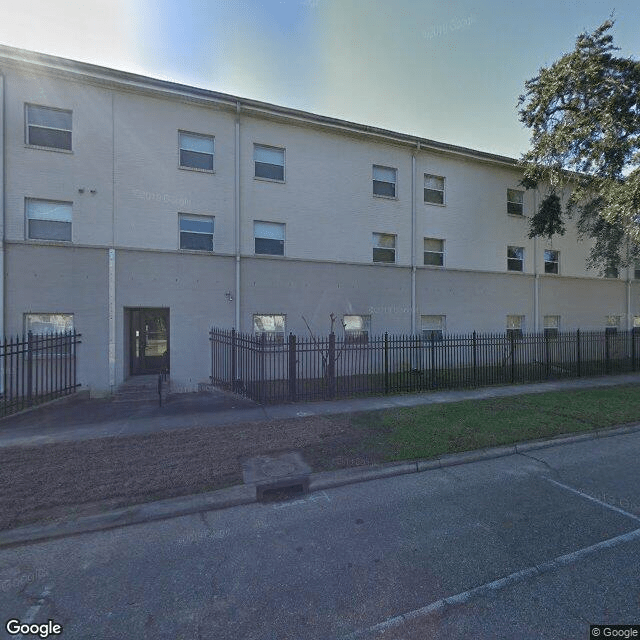
800 Conti St, Mobile, AL 36602
To contact a resident: (251) 432-2312
For more information about senior living options: (866) 208-4318
Overall Review of Baptist Oaks Apartments
Pros
 The management team is caring and attentive.
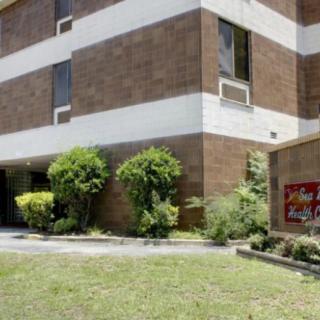
- The facility is clean and well kept from the first to the third floor.
- The living is easy in a great atmosphere where seniors enjoy a clean, caring environment.
- It is one of the best places to live, with staff that are awesome.
- The staff fixes issues in a timely manner, ensuring prompt maintenance.
Cons
 The elevator has been out for three months, forcing residents to climb stairs and risk a fall.
- In a senior building, having only one elevator is unacceptable.
- The owners have not taken action to address the single elevator outage for three months.
- The lack of urgency from the owners is appalling.
- Rent is collected monthly, yet safety for seniors is not provided.
- The owners and management should be ashamed of themselves.
Review
Best suited for independent seniors who prize a spotless, well-run living environment and a responsive on-site team. Baptist Oaks Apartments in Mobile, AL, leans into clean, comfortable spaces with an atmosphere described as easy and caring. Residents and families who value practicality over bells and whistles will find a straightforward, comfortable daily rhythm here. The facility promotes a clean, well-kept feel from the first through the third floor, with staff perceived as accessible and attentive to routine needs. For many, the appeal centers on the sense that maintenance issues are addressed and that the community remains a calm, predictable place to call home. It is a place where daily life stays simple and manageable.
However, the building’s layout and current elevator situation sharply limit its suitability for residents who rely on reliable vertical access. With one elevator out of service for three months, mobility-impaired seniors or fall risks face real safety concerns and inconvenient, potentially perilous stair navigation. Prospective residents should not assume elevator downtime is a rare anomaly; the impression from reports is that management response can be inconsistent in urgency. Families seeking proximity to caregivers, frequent medical visits, or accommodations for wheelchairs and walkers may be better served elsewhere where elevator reliability and emergency contingencies are clearly planned. In short, this is not the optimal choice for those needing robust mobility support or quick emergency access.
Still, the upside is meaningful. The care-focused management team earns trust for its practical, hands-on approach and the consistency of upkeep. The facility is clean and well maintained across all accessible floors, with an atmosphere described as easy-going and friendly. Residents speak highly of the staff, noting that tasks get done promptly, and that a respectful, supportive culture pervades the community. The combination of cleanliness, predictable routines, and responsive maintenance, when issues arise, creates a sense of reliability for those who can stay on main living floors without needing elevated mobility. For many, these day-to-day strengths substantially offset the quieter, less glamorous aspects of the setting.
Yet the most consequential drawback remains the elevator problem. An extended outage places seniors at risk and forces last-mile challenges that can translate into falls or detours that disrupt independence. The lack of visible urgency to address the outage raises questions about safety prioritization and responsiveness when critical infrastructure fails. This is not a minor inconvenience; it directly affects daily routines, social engagement, and emergency access. For residents who require reliable lift access or who frequently move between floors for visits, the elevator issue multiplies stress and undermines the otherwise solid impression of the community. The gap between theory of care and palpable access becomes the deciding fault line.
Strategically, the positives can be leveraged by choosing a lower-floor living option whenever possible, or by ensuring mobility plans align with the building’s elevator status. A clean, well-kept environment and a staff known for timely fixes can still deliver strong value to someone who is mostly independent, uses walkers or limited stairs, and values a calm, social-friendly setting. Prospective residents should verify current elevator status, request a defined maintenance response time, and understand what contingencies exist for outages. If the individual’s daily needs are modest and the plan includes regular outside assistance or family support during outages, Baptist Oaks becomes a sensible, cost-effective choice that prioritizes dignity and ease in everyday living.
In sum, Baptist Oaks Apartments suits older adults who prize cleanliness, dependable maintenance on routine issues, and a nurturing staff, provided mobility and safety can be managed without full-time reliance on a functioning elevator. It is less suitable for those who must navigate stairs daily, require reliable vertical access, or demand urgent contingency planning for infrastructure failures. Alternatives with redundant elevator service, stronger emergency readiness, or more expansive mobility accommodations should be on the list for residents with higher mobility needs. For the right resident, independent, practical, and sociable, this community delivers a high-quality, supportive home that keeps daily life straightforward and comfortable.
 Independent Living
 Mobile Regional (11 miles away)



 Home Health Care Demystified: A Comprehensive Guide for Families and Caregivers
 Seniors and Modern Transportation: Exploring Uber, Lyft, and Other Ride-Hailing Options
 Comprehensive Guide to Qualifying for Home Health Care Services