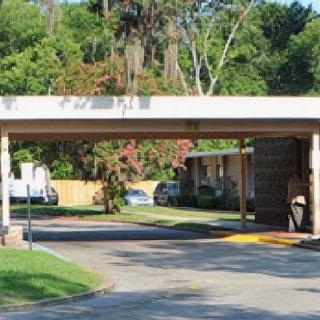
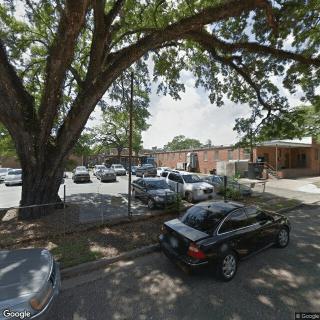
857 Crawford Lane, Mobile, AL 36617
For more information about senior living options: (866) 208-4318
Overall Review of Twin Oaks Rehabilitation And Healthcare Center
Pros
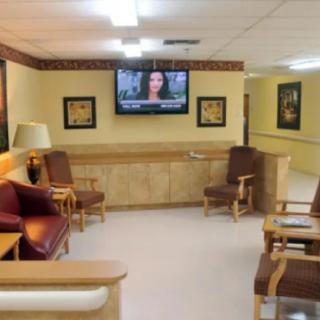
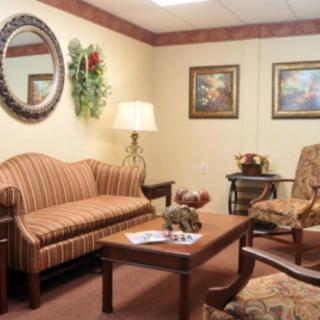
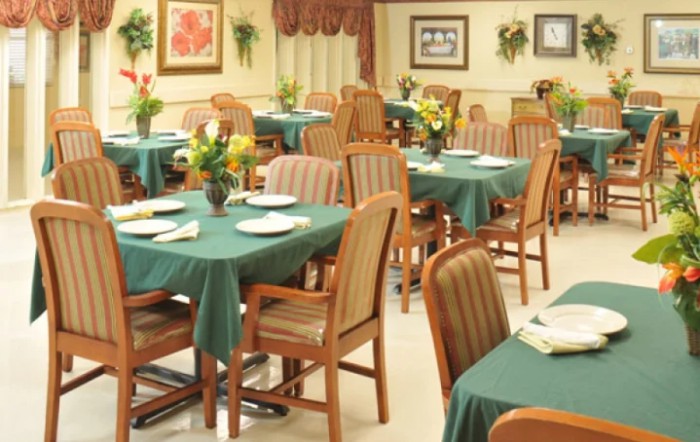
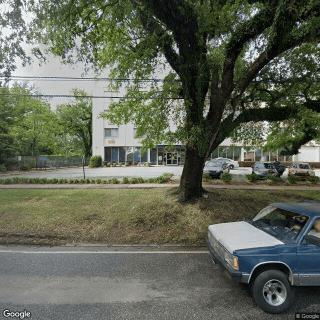
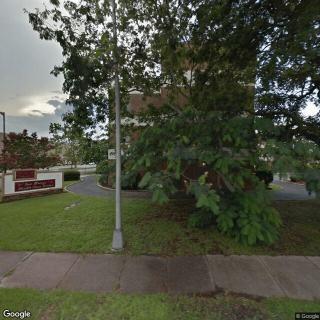
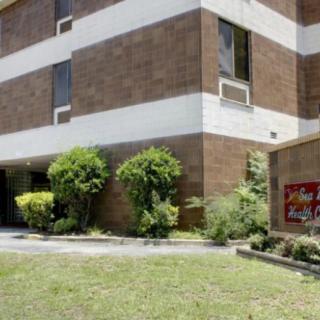
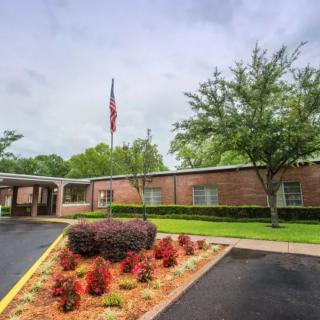
 The facility is beautiful and impeccably clean, with staff who are kind, friendly, and take excellent care of their patients.
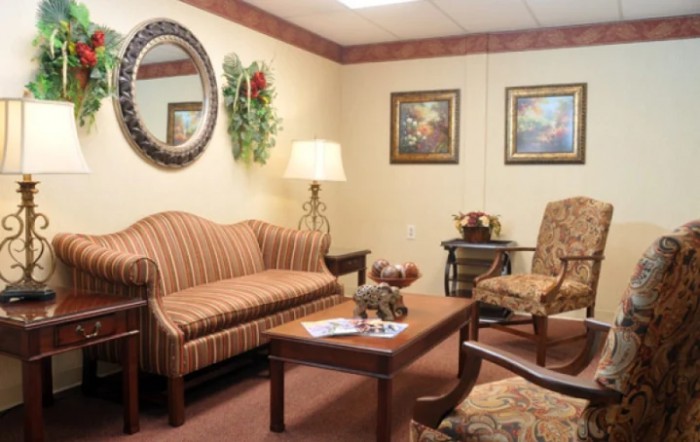
- The staff at Twin Oaks Rehabilitation & HealthCare Center are welcoming and very friendly, and the facility is clean and well kept.
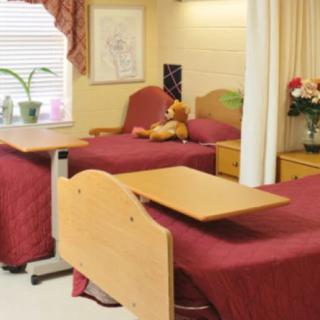
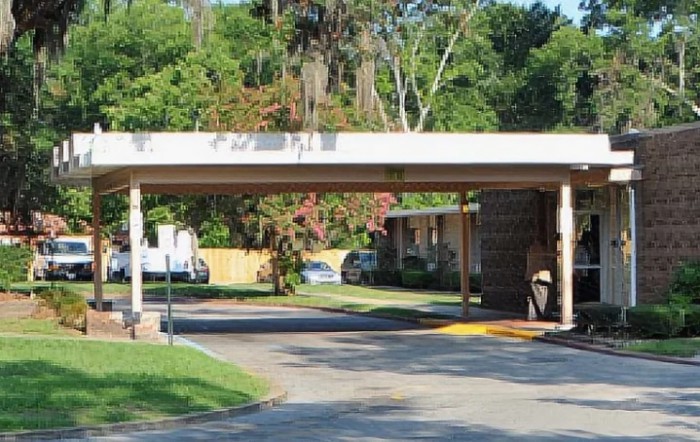
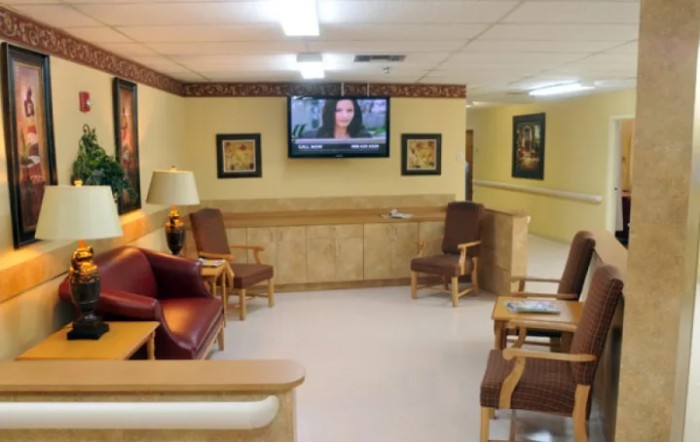
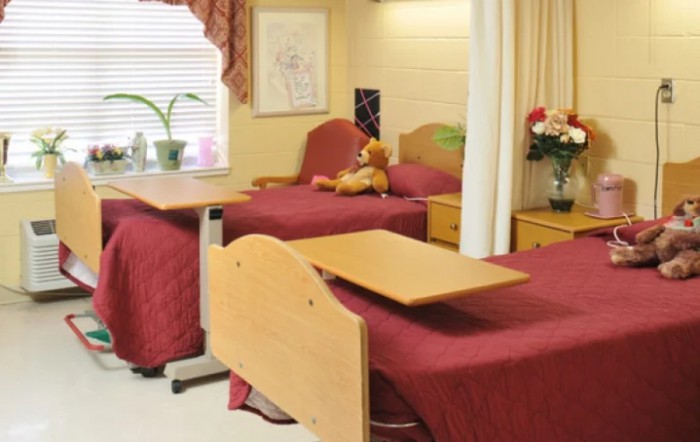
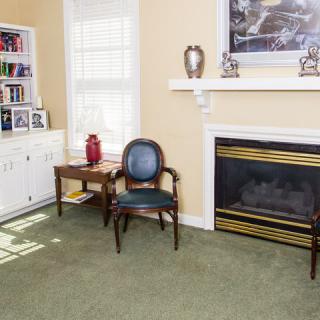
- The facility remains well kept despite its age, with comfortable rooms and thoughtful amenities.
- Residents have access to engaging activities like crocheting, knitting, and board games.
- The executive staff is excellent, and the director and leadership are great.
- The facility is one of the cleanest nursing facilities visited, with no odors and knowledgeable, friendly staff.
- The kitchen staff are nice and provide good service.
Cons
 The reviewer fears for some of the senior residents and believes cameras are needed in the rooms.
- Residents are labeled troublemakers for speaking about wrongdoing.
- The reviewer believes staff are not doing their jobs and that the place should be supervised more often.
- The smell of urine is throughout the place, and some staff do not report to the family about the patient’s condition.
- The reviewer is not satisfied or impressed with what is going on there.
- A patient’s foot was neglected, leading to amputation below the knee.
- The facility is unfit.
- The facility is filthy and reeks of bodily fluids.
- A relative died after dehydration, with staff not promptly recognizing or responding to the condition.
Review
Twin Oaks Rehabilitation and Healthcare Center in Mobile is best suited for families seeking a clean, orderly campus with a friendly staff and reliable daily routines for an older adult who needs rehabilitation or custodial care, and who can actively participate in oversight. The community tends to appeal to those who value courteous interaction, a secure environment for dementia patients, and structured activities that keep residents engaged. It is not the right fit for families that demand stringent clinical oversight, meticulous wound care, or consistently transparent communication about daily conditions and changes in health. For residents with complex medical needs or a history of neglect concerns, alternatives should be explored.
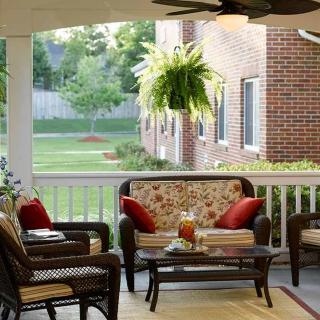
Several strong positives repeatedly appear in reviews. The facility is widely described as well-kept and clean, with a calm, welcoming atmosphere in which staff are courteous and supportive. Families repeatedly note that the staff, from aides to kitchen workers, can be warm and engaging, and that the campus offers meaningful activities, crocheting, board games, and other social pursuits, alongside basic physical activity options. The existence of a secured dementia area and the general sense of organization contribute to a feeling that a resident can live with a degree of safety and routine. These advantages create a solid foundation for daily living when risks are managed and communication is solid.
Yet substantial, high-stakes concerns color the overall picture. Several reviews describe neglectful lapses: untreated wounds that worsened dramatically, dehydration, weight loss, and even a resident ending up in the hospital after alarming deterioration. Accounts also depict odors and a perceived culture where speaking up about problems could carry social or disciplinary consequences for families and residents. The most troubling notes center on inconsistent reporting to families and questions about supervision and accountability. Taken together, these narratives imply that a portion of the staff and leadership may fail to meet essential standards, particularly in critical moments requiring timely intervention.
Those risk factors do not vanish because the campus looks clean or the lobby feels welcoming. The main question becomes whether the prospective resident can tolerate a environment where positive day-to-day experience could be fragile in the face of serious care gaps. The pro of a pleasant, organized setting is significantly offset by the cons of potential neglect and communication breakdowns. For residents who need rigorous wound care, fluid and nutrition management, or rapid recognition of trouble signs, the current mix of experiences suggests a meaningful likelihood of recurring problems if oversight is not consistently rigorous and proactive.
Guidance for decision-making should align with the resident’s care needs and the family’s capacity to advocate. If clinical complexity, regular family updates, and strict oversight are non-negotiables, alternatives with documented strong wound care, higher staffing ratios, and transparent reporting will likely serve better. If the priority is a sociable environment, accessible activities, and dependable daily living in a well-kept setting, and a family ready to stay engaged and monitor progress, Twin Oaks can be appropriate, provided there is a clear plan for oversight, regular communication, and a rapid escalation path for any medical concerns.
In final evaluation, Twin Oaks offers a solid base of cleanliness, cordial staff, and structured activity, with a secured unit for dementia and a reputation for a decent daily routine. However, the serious concerns about neglect and poor responsiveness cannot be ignored. Families should conduct a focused, up-front assessment: request recent wound care histories, nurse-to-patient ratios, and specific examples of daily documentation and family communication practices. Tour with a checklist that includes a hands-on look at care for a resident with a recent wound, talk to front-line staff about escalation procedures, and verify that leadership accountability is clearly defined. Only with concrete assurances of reliable care oversight can the positives outweigh the red flags in this community.
 131 resident community capacity
 Skilled Nursing Facility
 Air-conditioning
 Beauty salon
 Cable or satellite TV
 Computer center
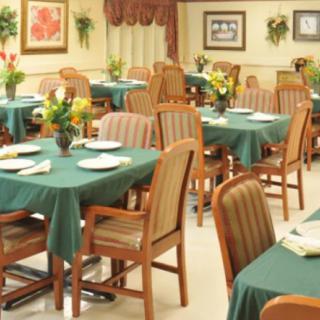
 Dining room
 Fitness room
 Fully furnished
 Gaming room
 Garden
 Housekeeping services
 Kitchenette
 Move-in coordination
 Outdoor space
 Private bathrooms
 Restaurant-style dining
 Small library
 Telephone
 Wellness center
 Wi-Fi/high-speed internet available
 Mobile Regional (10 miles away)
 Community operated transportation
 12-16 hour nursing
 24-hour call system
 Activities of daily living assistance
 Assistance with bathing
 Assistance with dressing
 Assistance with transfers
 Diabetes diet
 Medication management
 Mental wellness program
 Special dietary restrictions
 Concierge services
 Planned day trips
 In-Home Care Costs in 2025: A Detailed State-by-State Exploration
 Understanding Home Health Care: A Comprehensive Guide
 Home Health Care Demystified: A Comprehensive Guide for Families and Caregivers