



Azalea Gardens Of Mobile
Save1758 Springhill Avenue, Mobile, AL 36607
For more information about senior living options: (844) 490-3973
Azalea Gardens of Mobile offers a range of private room options, with monthly costs varying from $3,960 to $5,921. This pricing positions the facility competitively within Mobile County, where the average cost for similar accommodations is approximately $3,576. In comparison to the broader state average in Alabama, which stands at around $4,158 per month for private rooms, Azalea Gardens provides a variety of choices that cater to different budgets and preferences. This flexibility allows families and residents to find an option that best suits their individual needs while ensuring a high standard of care and comfort.
| Floor plans | Azalea Gardens Of Mobile | Mobile County | Alabama |
|---|---|---|---|
| Private | $3,960 to $5,921 | $3,576 | $4,158 |
Across a wide spread of years and voices, the experiences shared about Azalea Rehab and Health, Azalea Gardens, and related Azalea facilities weave a troubling picture of elder care that swings between concern, anger, disappointment, and rare moments of satisfaction. Several reviewers describe themselves as shocked by what they witnessed or were told, and many speak in urgent, emotional terms about safety, honesty, and the basic humanity of care for vulnerable loved ones. Taken together, the threads suggest a facility where some families felt ignored, mistreated, or put at risk, while others encountered staff who were kind, responsive, or capable of making a difficult transition seem more manageable.
One of the most searing accounts centers on a family's attempt to care for their mother within a setting that felt unsafe and dismissive. The reviewer recalls, "we should have known better to put our mother in this place," describing a scene in which a father "broke out it like a escape inmate," and a few days into a stay an 85-year-old disabled woman fell to the floor. The family says their questions were met with indifference and that they were granted no justice or clear accountability. The reviewer's verdict is pointed and unambiguous: "no justice for the elderly we can't even find a lawyer to help us please don't take your loved one there," culminating in a stark, if acknowledging, verdict - "zero stars."
A second thread runs through a 2015 account about a grandmother who was placed under the care of a facility that allegedly lied about her whereabouts. Visiting was interrupted by a claim that a sister had taken the grandmother out for the day, only for the reviewer to discover that she had been in a hospital nearby because she was dehydrated. The family contends the nurse lied to them, signaling a breach of trust at a very basic level. The reviewer's update in 2022 adds another layer: the grandmother passed away in December 2015, a month after the original post. While the writer stops short of saying the facility caused the death, they express that the last days were likely uncomfortable and describe the facility as a "joke," underscoring lasting distress tied to that time.
In stark contrast to these strongly negative experiences, another reviewer claimed, "I cannot say enough good things about the staff at this place," praising admissions, reception, therapy, nursing staff, and aides for their kindness, responsiveness to questions, and overall helpfulness. Yet within the same collection of impressions are powerful rebuttals and serious accusations made by others - that a relative was neglected and mistreated, that attempts to resolve problems involved intimidation (the family being charged with trespassing or banned from the property), and that the patient was effectively starved, dehydrated, and left to suffer sores described as being "all over his body" with contradictory or denied medical observations from staff. The tension between voices - praising some individuals on one hand and accusing the administration of systemic failures on the other - creates a jarring mosaic of care experiences.
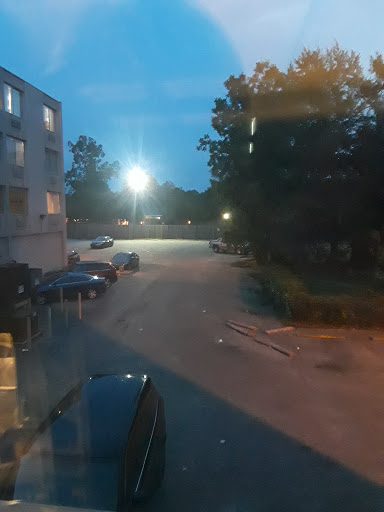
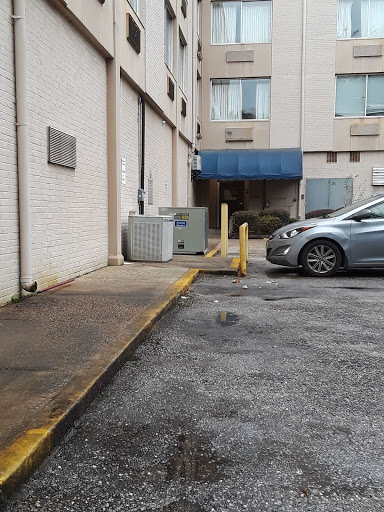
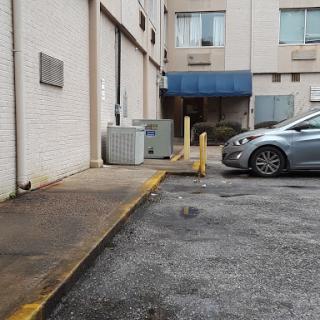
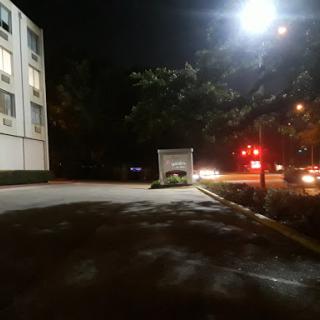
Other reviewers offer a blended critique that notes both accessibility to hospital transfer as a potential benefit and a long list of operational and safety concerns. One reviewer points out that the facility accepts hospital transfers for temporary rehab when other facilities will not, and suggests the business pressures may have influenced decisions and priorities. Food portions are described as "very small," necessitating outside snacks, while staffing shortages and underfunding are repeatedly invoked. A highlight in this thread is a nurse named Cierra who, despite being overworked on double shifts, maintained a positive attitude and helped "save the whole stay." The property is described as dated and under-resourced, with a rear entrance that feels unsafe at night, a dark parking lot, and a back entrance with a code box that is reportedly out of reach for someone seated in a wheelchair. The facility's reliance on contracted physical and other therapies is noted, with the caution that while some services are decent, promises are often not honored and the overall experience feels precarious.
Moments of frustration turn into sharper warnings: a sequence of phrases - "Miserable. Miserable. Oh did I mention miserable" - dramatizes a universal frustration with the quality and consistency of care. A social worker's conduct is criticized for crossing professional boundaries and for showing anger toward a family member, allegedly hanging up on them. The chronic problem of wound care is pressed into service as a warning sign: a decubitus lesion described as "the size of a nickel" expanding to "the size of a fist," coupled with a staph infection that compounds the patient's risk. The reviewer attributes this deterioration to insufficient wound care and cleaning, pointing to a broader pattern of neglect and broken expectations around medical records and communication. The sentiment is clear: families are searching for trustworthy care and accountability, and the lack of consistent, proactive attention is deeply troubling.
Yet the collection does not end on a single note of despair. A later statement reflects a different experience: moving a loved one from one place to another could be challenging, but the Azalea Gardens staff managed to make it a positive transition. The reviewer describes their mother as a "firecracker" who remains herself under the care of nurses and aides who were "super helpful and forthcoming" with her needs, and they express relief and gratitude that she is "safe and cared for around the clock." The contrast with the harsher accounts early in the thread is striking, and it underscores that individual experiences at these facilities can vary widely, sometimes depending on the staff on duty, the specific unit or wing, and the particular day.
In the same vein, there are lighter, more communal notes about life at the facility that speak to ordinary moments of social engagement and enjoyment. A reference to "Looking for a resident Molly Tuberville?" followed by a playful remark about spending time with residents and assistants at BINGO evokes a social atmosphere in which residents participate in activities and companionship exists beyond clinical care. The juxtaposition of these positive social moments with the grave concerns raised elsewhere highlights the multifaceted reality of elder care environments: they are places where warmth, neglect, efficiency, and deficiency can all collide, sometimes within the same building or even the same wing.
Taken as a whole, the narratives paint a picture of a facility that has produced deeply painful experiences for some families - marked by claims of dehydration, deception, neglect, and dangerous lapses in care - in while at other times offering moments of genuine care, connection, and relief for others. The themes that emerge consistently include questions about transparency and accountability, the adequacy of staffing and resources, the quality of wound and medical care, and the degree to which residents are treated with dignity and respect. For families seeking placement, these reviews underscore the importance of due diligence, proactive oversight, and ongoing communication with staff, in addition to listening to the voices of multiple residents and relatives who have engaged with the facility over time.
Azalea Gardens Of Mobile in Mobile, AL is a vibrant and welcoming assisted living community that offers outstanding care and an array of amenities to ensure a fulfilling lifestyle for its residents. Situated in the heart of Mobile, our community provides easy access to nearby cafes, pharmacies, physicians, restaurants, places of worship, and hospitals.
Within our community, residents can enjoy a range of exceptional amenities designed to enhance their well-being and provide convenience. Our beauty salon ensures that residents can always look and feel their best. We offer cable or satellite TV for entertainment purposes, as well as Wi-Fi/high-speed internet to stay connected with loved ones. Community-operated transportation ensures that residents can easily access various destinations in the area.
Our computer center is perfect for staying connected online or pursuing personal interests. For dining needs, we have a lovely dining room where restaurant-style meals are served. Residents also have the option of using their own kitchenette facilities within their private accommodations. Housekeeping services further contribute to a comfortable living environment.
To promote physical fitness and overall wellness, our community features a fully equipped fitness room and a wellness center where residents can participate in various fitness programs tailored to their needs. Additionally, our outdoor space provides a serene setting for relaxation or social activities with fellow residents.
Residents can engage in recreational activities at our gaming room or enjoy quiet reading time at the small library. With move-in coordination services available, transitioning into our community is made seamless.
In terms of care services provided at Azalea Gardens Of Mobile, we prioritize the well-being of our residents through round-the-clock supervision and 24-hour call systems for immediate assistance. Our dedicated staff offers assistance with daily activities such as bathing, dressing, and transfers to ensure comfort and independence. Medication management is also provided along with specialized diabetes diets and other dietary restrictions.
We believe in fostering mental wellness among our residents and offer engaging mental wellness programs tailored to their individual needs.
At Azalea Gardens Of Mobile, we aim to provide a vibrant and enriching lifestyle for our residents while ensuring their safety, comfort, and well-being. With our exceptional amenities, caring staff, and convenient location, we strive to make each day meaningful and enjoyable for all who choose to call our community home.
This part of Mobile, Alabama offers a convenient and diverse range of amenities for senior living. The proximity to pharmacies such as Walgreens and Winn-Dixie ensures easy access to medication and healthcare needs. There are also reputable physicians in the area including Gulf Orthopaedics and Cardiology Associates. The variety of restaurants like Dew Drop Inn Restaurant and Cammie's Old Dutch Ice Cream Shoppe offer opportunities for dining out or enjoying a sweet treat. Additionally, nearby hospitals like Infirmary Health System provide peace of mind for any medical emergencies. Places of worship such as Little Flower Catholic Church and Dauphin Way Baptist Church offer spiritual support, while cafes like Nova Espresso and Starbucks provide comfortable spaces for leisurely coffee breaks. Overall, this area provides a supportive community with plenty of options for seniors looking to settle down in Mobile.
Azalea Gardens of Mobile offers a range of private room options, with monthly costs varying from $3,960 to $5,921. This pricing positions the facility competitively within Mobile County, where the average cost for similar accommodations is approximately $3,576. In comparison to the broader state average in Alabama, which stands at around $4,158 per month for private rooms, Azalea Gardens provides a variety of choices that cater to different budgets and preferences. This flexibility allows families and residents to find an option that best suits their individual needs while ensuring a high standard of care and comfort.
Azalea Gardens Of Mobile is located at 1758 Springhill Avenue, Mobile, AL 36607 in Mobile County, Alabama
The features offered at Azalea Gardens Of Mobile play a crucial role in enhancing the quality of life for residents with dementia or Alzheimer's disease. Assistance with dressing and bathing promotes personal dignity and hygiene, which can be particularly challenging for individuals experiencing cognitive decline. Medication management ensures that residents receive their necessary medications on time, reducing the risk of health complications. Meal preparation and service cater to nutritional needs while also fostering a routine around meal times, which is essential for maintaining structure in their day. Activities of daily living assistance supports independence, while assistance with transfers prevents falls and injuries, ensuring safety. The 24-hour supervision provides a secure environment where residents can feel safe and monitored at all times. Finally, the mental wellness program engages residents cognitively and emotionally, promoting mental stimulation that is vital for their overall well-being. Each of these features collectively contributes to a supportive atmosphere that prioritizes both care and comfort for individuals living with memory challenges.
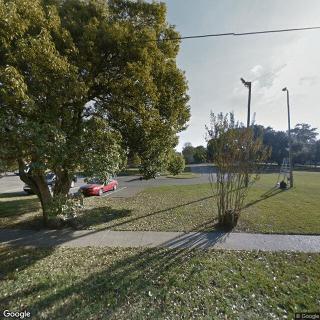
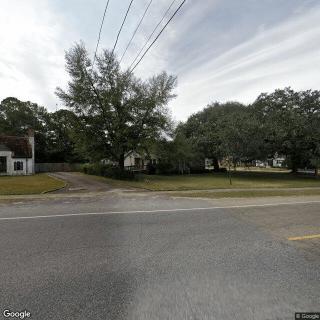
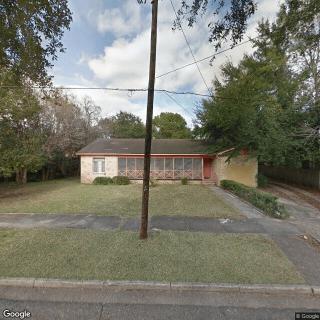
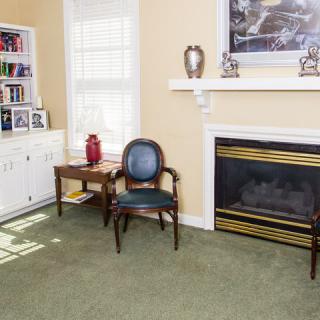
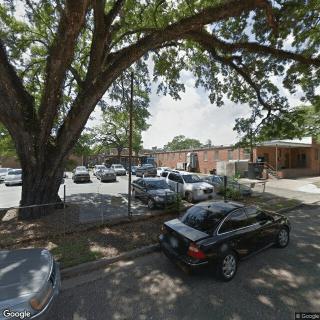
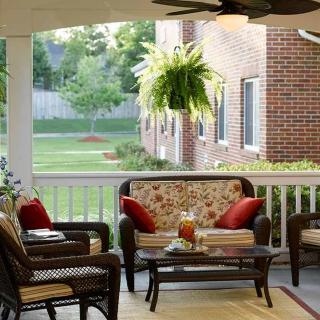
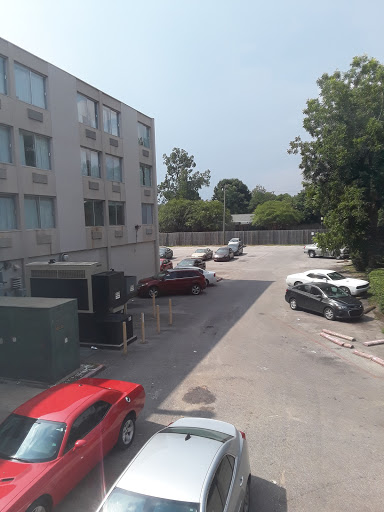
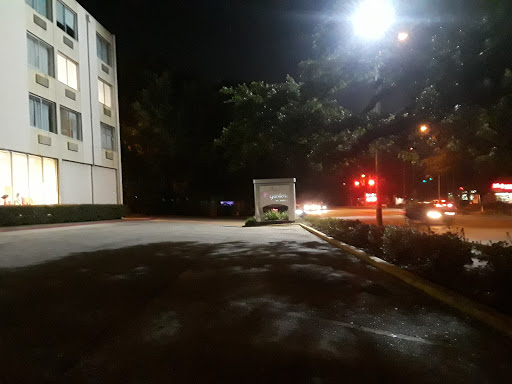
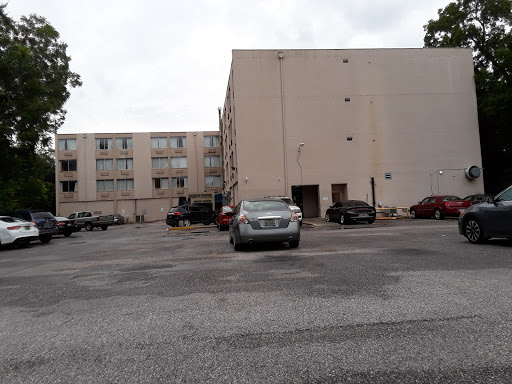
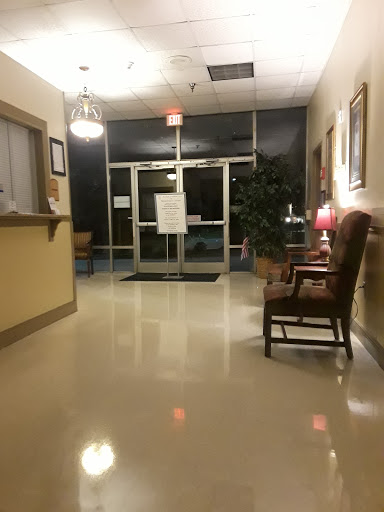
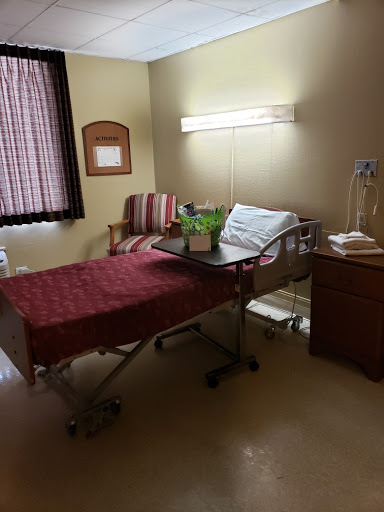
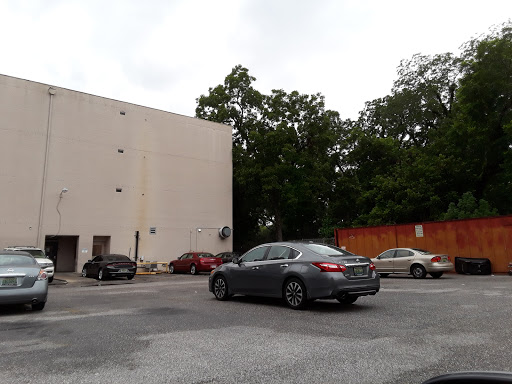
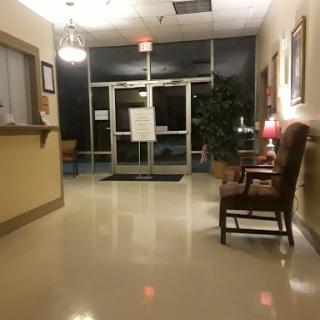
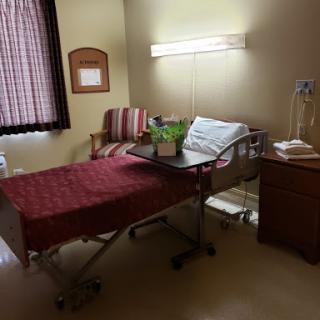
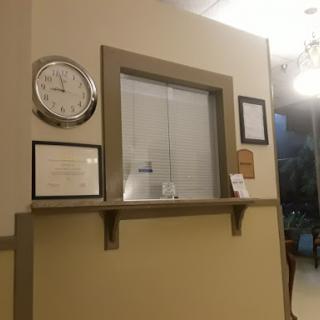
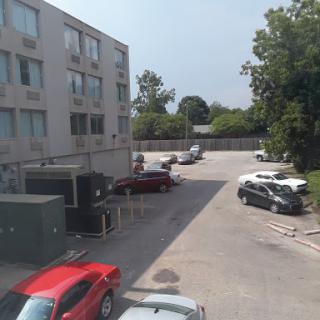
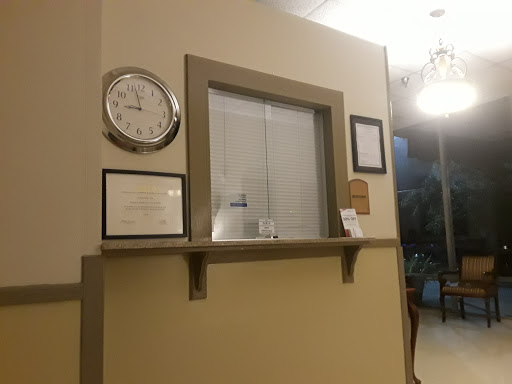
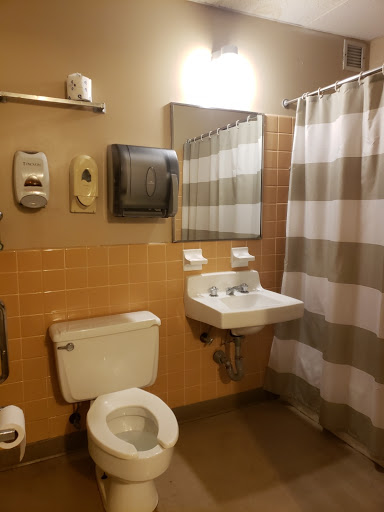
Azalea Gardens Of Mobile on seniors.fyi includes 11 photos including images showing parking, urban, trees, building, bathroom, outdoors, interior, waiting area, and more.
Ashland Place Health And Rehabilitation
Mobile, AL
Beautiful, clean facility with attentive rehab staff.
Ashland Place Health And Rehabilitation reviews
Ashland Place Health And Rehabilitation images
Little Sisters of the Poor Residence
Mobile, AL
Compassionate, inclusive care in a home-like setting with engaging activities.
Little Sisters of the Poor Residence reviews
Little Sisters of the Poor Residence images
Home Instead - Mobile, AL
Mobile, AL
Reliable, compassionate staff with responsive office support.
Home Instead - Mobile, AL reviews
Home Instead - Mobile, AL images
Murray House Assisted Living
Mobile, AL
Caring, family-like staff with attentive care.
Murray House Assisted Living reviews
Murray House Assisted Living images
Holiday University Oaks
Mobile, AL
Friendly, attentive staff with engaging activities and overall affordable pricing.
Holiday University Oaks costs
Holiday University Oaks reviews
Holiday University Oaks images
Vitality Living Regency
Mobile, AL
Caring, family-like staff with strong communication and a hotel-style, activity-rich environment.
Vitality Living Regency costs
Vitality Living Regency reviews
Vitality Living Regency images
Exploring the Power of Reminiscence Therapy for Individuals With Dementia
Reminiscence therapy helps individuals with dementia recall past memories through structured discussions and meaningful objects, enhancing mood, relationships, and sense of identity while celebrating their lives. It can be practiced in formal settings or at home, requiring sensitivity to personal histories and cultural backgrounds.
An In-Depth Look at Reminiscence Therapy in Dementia Care

Reminiscence therapy is a structured method for older adults, especially those with dementia, to share life stories using prompts and sensory cues, fostering emotional well-being, social engagement, and self-identity. It aims to improve quality of life by enhancing interpersonal connections and cognitive stimulation while requiring careful facilitation to avoid distressing memories.
Dementia-Related Hallucinations: Causes, Experiences, and Practical Approaches
Dementia, particularly Lewy body dementia, often involves hallucinations that can significantly distress both patients and caregivers due to disruptions in sensory processing and neurotransmitter imbalances. Effective management includes compassionate communication, environmental adjustments, and a multidisciplinary approach to care while addressing the emotional needs of caregivers.