
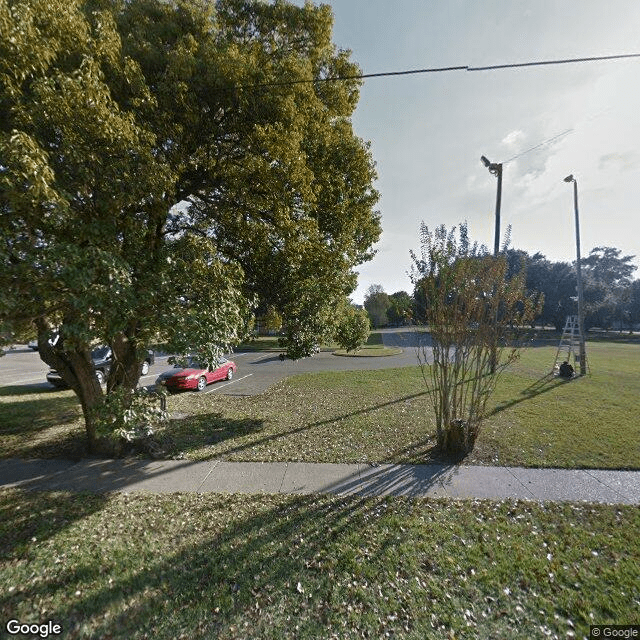
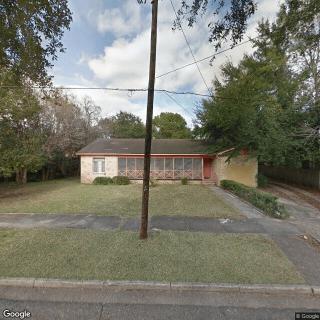
1655 Mcgill Ave, Mobile, AL 36604
To contact a resident: (251) 476-6335
For more information about senior living options: (866) 208-4318
Overall Review of Little Sisters of the Poor Residence
Pros
 The care offered by the Little Sisters of the Poor is the best the reviewer has ever witnessed.
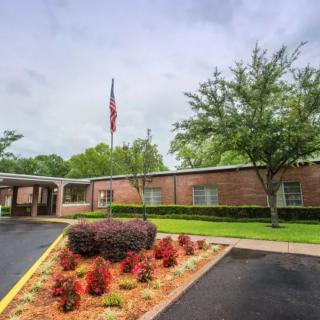
- The facility is exceptionally clean, well-maintained, and welcoming.
- The staff and volunteers provide delicious food and attentive, compassionate service.
- The care is patient-centered and inclusive, regardless of color, sex, or religion.
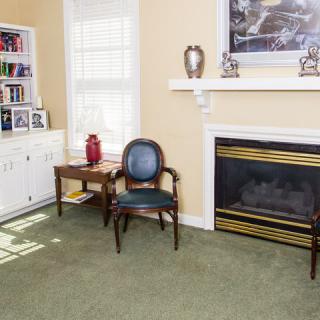
- The rooms feel like home, with tasteful decorations and personal touches.
- The CNAs take time to sit with residents and engage in conversation.
- Residents stay active through planned activities, day trips, and holiday events.
- The staff and nuns provide compassionate end-of-life support and prayers.
- The facility is described as the best-run nursing home the reviewer has seen and is spotless.
Cons
 Most nursing homes they’ve visited have a smell that greets visitors at the door.
- They claim that other facilities are not as clean as the Little Sisters of the Poor.
- They imply that the conditions at other nursing homes are less favorable than at this facility.
Review
Little Sisters of the Poor Residence in Mobile is best suited for families seeking a small, faith-centered, person-first skilled-nursing environment where care feels intimate, consistent, and deeply relational. It excels for residents who value dignity, routine, and a home-like atmosphere, delivered by a team that treats seniors with quiet warmth and steady attention. The setting rewards those who appreciate clean surroundings, personal touches in rooms, and meaningful daily activities that emphasize social connection, gentle mobility, and ongoing engagement. For families who want spiritual care woven into daily life, with staff who invest time in conversations and companionship, this community stands out as a dependable, purpose-driven choice.
Those who may want to consider alternatives are families prioritizing a secular environment, a bustling campus with a wide array of modern amenities, or a facility focused primarily on aggressive rehabilitation and high-tech medical offerings. If a resident requires intensive, high-acuity medical interventions or a highly specialized memory-care program with expansive clinical support, other providers may deliver more of the expected intensity and breadth. In short, this is not the place for families chasing a glossy, large-scale operation or a setting that emphasizes clinical novelty over personal connection.
The strongest positives, unassailable cleanliness, consistently patient-first care, and genuine warmth, provide a powerful offset to any potential drawbacks. Reviews describe a campus that feels pristine and welcoming, where caregivers take time to sit with residents, listen, and participate in conversations rather than rush through tasks. The home-like rooms feel lived-in, each with its own story and decoration, which reinforces a sense of belonging. The combination of attentive CNAs, dedicated staff, and volunteers creates a dependable safety net: residents are seen, attended to, and engaged, which mitigates concerns about isolation or neglect. Cleanliness, good food, and regular activities translate into a livable rhythm that can ease transitions for families and residents alike.
The ongoing emphasis on activity, mobility, and companionship further compounds the pros. Residents can expect a balanced social calendar, library immersion, and opportunities for meaningful interaction with staff and volunteers. Even for those with dementia or memory challenges, the environment is described as supportive and respectful, with staff prioritizing presence and reassurance. The spiritual component, including prayerful moments and a caring, nonjudgmental atmosphere, reinforces a culture of dignity that resonates with families seeking continuity of values and a sense of spiritual community during the aging process. In short, the relational warmth and structured routine substantially compensate for the absence of sweeping luxury or high-tech amenities.
If a con must be acknowledged, it centers on fit rather than deficiency: the community’s distinctive religious, small-campus character may not align with every family’s beliefs, culture, or preferred care style. For those who want a secular environment, a bigger, more commercially oriented facility, or a setting with broader on-site rehab specialties, alternatives should be explored. Yet the very attributes that some might view as limitations, nurturing, faith-forward care; homelike rooms; and a tightly knit staff–resident community, are precisely what many families report as the decisive strengths when evaluating long-term comfort, consistency, and peace of mind.
Ultimately, families weighing this option should prioritize a site visit that focuses on daily interactions, staffing rhythms, and resident satisfaction narratives. Observe how CNAs talk with residents, how meals are presented, and how the facility accommodates spiritual or culturally meaningful activities. Confirm that the level of medical oversight, dementia support, and mobility programs aligns with the resident’s current needs and anticipated trajectory. For families who value quiet competence, lasting relationships, and a homey, purpose-driven environment, Little Sisters of the Poor Residence offers a compelling, well-regarded choice in Mobile that consistently earns high marks and heartfelt endorsements.
 Assisted Living
 Skilled Nursing Facility
 Activities on-site
 Devotional services off-site
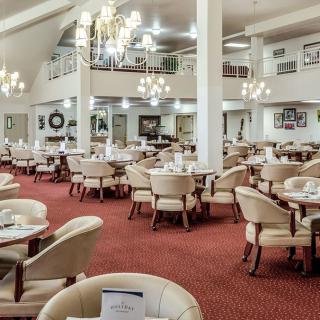
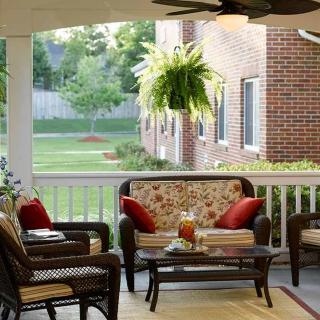
 Indoor common areas
 Mobile Regional (10 miles away)
 Ambulatory care
 Diabetic care
 High acuity care
 Meals provided



 Social Security Benefits and Assisted Living: Navigating Options Across the U.S.
 An Extensive Exploration of the VA Aid and Attendance Benefit
 Senior Transition Services: Understanding Their Role, Cost, and Importance