The Village at Cook Springs offers competitive pricing for its residents compared to both St. Clair County and the broader Alabama market. For instance, a one-bedroom unit is available at $1,295, significantly lower than the county average of $2,654 and state average of $3,417. Similarly, two-bedroom options at Cook Springs are priced at $1,425, again well below the county's average of $2,630 and Alabama's average of $3,788. The studio units are offered at $2,350 while still maintaining an edge over the local and state averages of $2,741 and $3,279 respectively. Even the semi-private accommodation stands out with a cost of $3,600 compared to St. Clair County's average of $3,245 and Alabama's overall average of $3,495. This pricing structure reflects Village at Cook Springs' commitment to providing affordable living options without sacrificing quality or comfort for its residents.
Floor plans
Village at Cook Springs
St. Clair County
Alabama
1 Bedroom
$1,295
$2,654
$3,417
2 Bedrooms
$1,425
$2,630
$3,788
Studio
$2,350
$2,741
$3,279
Semi-Private
$3,600
$3,245
$3,495
Assisted Living communities with a similar price nearby
The property’s farm setting, pond, and animal interaction are repeatedly highlighted in reviews.
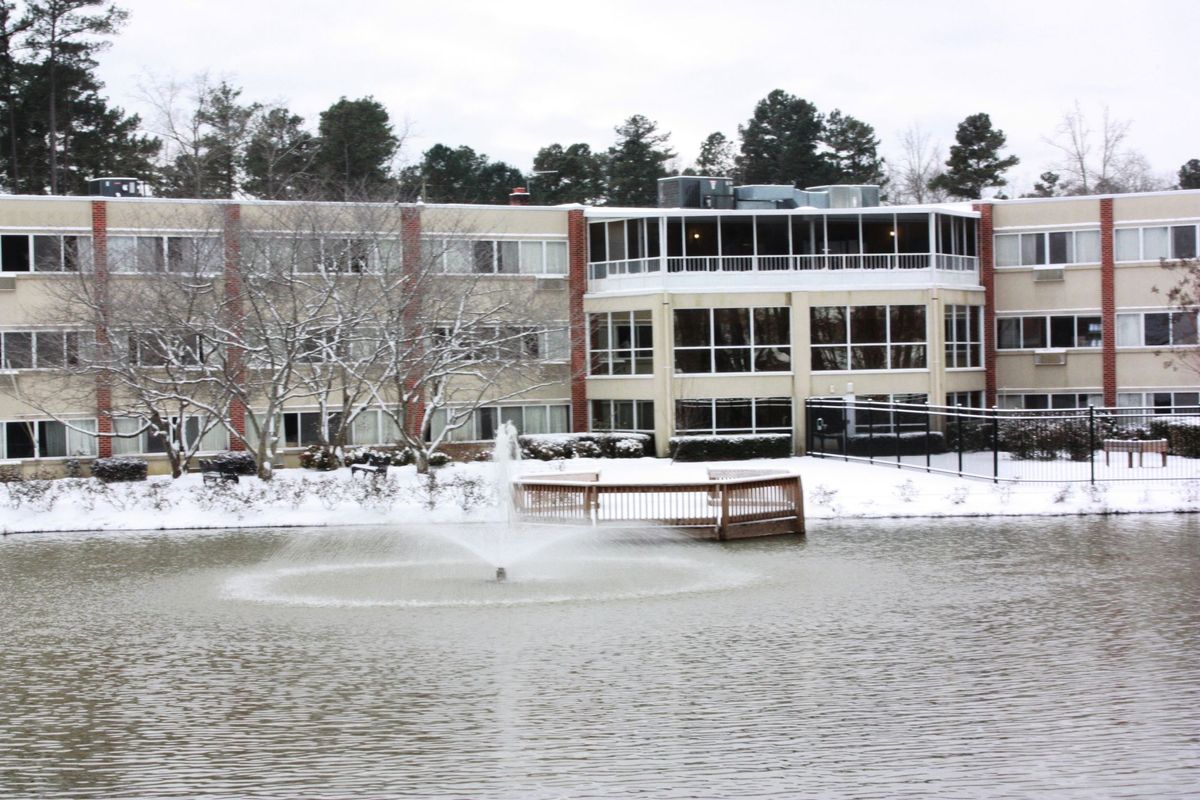
Several residents and visitors describe a farm-like setting with animals on the grounds, along with a pond and fountain feature. Reviews mention that people can interact with animals directly, and they also point to the outdoor space as part of what makes the place feel comforting. One visitor specifically calls out the scenery and setting during a tour, while other reviewers connect the setting to how much residents enjoy day-to-day life.
common6 reviews mention this
Meals are generally praised
Food quality comes up often, with many reviewers describing the meals as good.
Multiple reviews describe the meals as good or excellent, and several tie food to overall satisfaction. Some reviewers also mention portion quality or that residents enjoy eating at the community. While a small number of reviews complain about bland food, the most consistent theme across reviews is that residents and families tend to like what’s served.
caveat3 reviews mention this
Medication and care timing concerns
Some residents’ families report missed or late medication and care follow-through.
A handful of reviews describe medication not being given as expected, including missing prescriptions and treatments. Others describe nurses forgetting medicine at certain times or being slow to provide timely care. These concerns are paired with claims about cleanliness and unmet needs, with families saying they had to check frequently or escalate to other steps outside the community.
How we summarize
Counts show how many written reviews mention each theme; a review can touch several themes, and only frequently mentioned themes are displayed.
Features
Housing
32 resident community capacity
Types of Care
Assisted Living
Continuing Care Retirement Community (CCRC)
Day Program
Independent Living
Memory Care
Skilled Nursing Facility
Amenities
Activities off-site
Activities on-site
Air-conditioning
Beautician on-site
Beauty salon
Cable or satellite TV
Devotional services off-site
Devotional services on-site
Dining room
Fully furnished
Garden
Housekeeping services
Indoor common areas
Kitchenette
Move-in coordination
Outdoor common areas
Outdoor space
Respite or short term stays offered
Restaurant-style dining
Small library
Telephone
Wheelchair accessible showers
Wi-Fi/high-speed internet available
Transportation
Birmingham International (20 miles away)
Care Services
24-hour call system
24-hour supervision
Activities of daily living assistance
Ambulatory care
Assistance with bathing
Assistance with dressing
Assistance with transfers
Diabetes diet
Diabetic care
High acuity care
Incontinence care
Meal preparation and service
Medication management
Mental wellness program
Special dietary restrictions
Dining
Diabetes diet
Guest meals
Meals provided
Restaurant style dining
Special dietary restrictions
Vegetarian
Activities
Activities off-site
Activities on-site
Community-sponsored activities
Devotional activities offsite
Devotional activities on-site
Resident-run activities
Scheduled daily activities
Nearby Places of Interest
This area of Pell City, Alabama offers a variety of amenities and services that cater to the needs of seniors looking for a comfortable and convenient living environment. With multiple places of worship nearby, including Mineral Springs Baptist Church and Community Presbyterian Church, residents have access to spiritual support and community engagement. In terms of healthcare, there are several physicians' offices and pharmacies in close proximity, such as Northside Medical Associates and Walgreens, ensuring easy access to medical care. The presence of parks like Nemo Dog Park and St Clair Memorial Park provide opportunities for outdoor recreation and leisure activities. Additionally, the area boasts a selection of dining options ranging from fast food chains like KFC to sit-down restaurants like El Cazador. For entertainment, seniors can enjoy movies at Pell City PREMIERE LUX CINERTAINMENT or Regal Trussville theaters. Overall, this part of Pell City offers a well-rounded environment with essential services for seniors seeking a comfortable living experience.
Places of Worship
Mineral Springs Baptist Church (5.1 miles)
Community Presbyterian Church (5.9 miles)
Freewill Church Of God In Christ Pell City (6 miles)
The Village at Cook Springs offers competitive pricing for its residents compared to both St. Clair County and the broader Alabama market. For instance, a one-bedroom unit is available at $1,295, significantly lower than the county average of $2,654 and state average of $3,417. Similarly, two-bedroom options at Cook Springs are priced at $1,425, again well below the county's average of $2,630 and Alabama's average of $3,788. The studio units are offered at $2,350 while still maintaining an edge over the local and state averages of $2,741 and $3,279 respectively. Even the semi-private accommodation stands out with a cost of $3,600 compared to St. Clair County's average of $3,245 and Alabama's overall average of $3,495. This pricing structure reflects Village at Cook Springs' commitment to providing affordable living options without sacrificing quality or comfort for its residents.
The features offered at Village at Cook Springs are specifically designed to enhance the quality of life for residents with memory care needs by promoting independence while ensuring safety and comfort. Assistance with dressing, bathing, and transfers helps residents maintain dignity while receiving the support they require to navigate daily challenges. Medication management ensures that residents adhere to their prescribed regimens, minimizing confusion and potential health risks. Thoughtfully prepared meals not only meet nutritional requirements but also cater to individual preferences, fostering a sense of normalcy. Activities of daily living assistance aids in fostering independence while building routine confidence, while 24-hour supervision provides peace of mind for families and a secure environment for residents. Moreover, a dedicated mental wellness program addresses cognitive engagement and emotional support, contributing positively to overall well-being, while incontinence care offers respect and discretion in maintaining hygiene and comfort.
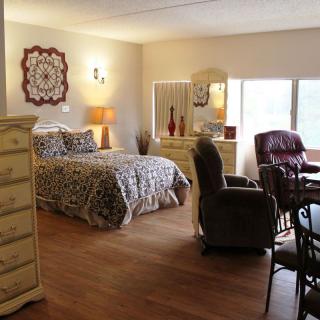
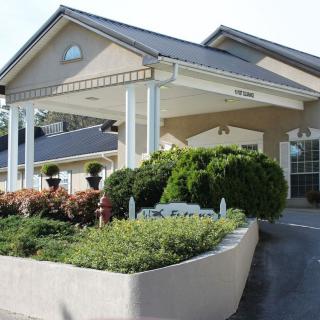
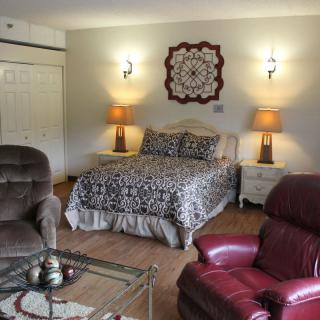
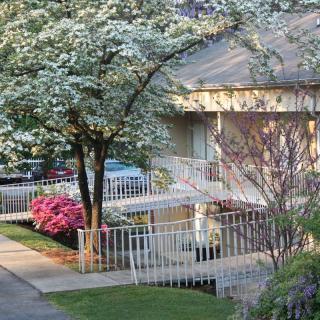
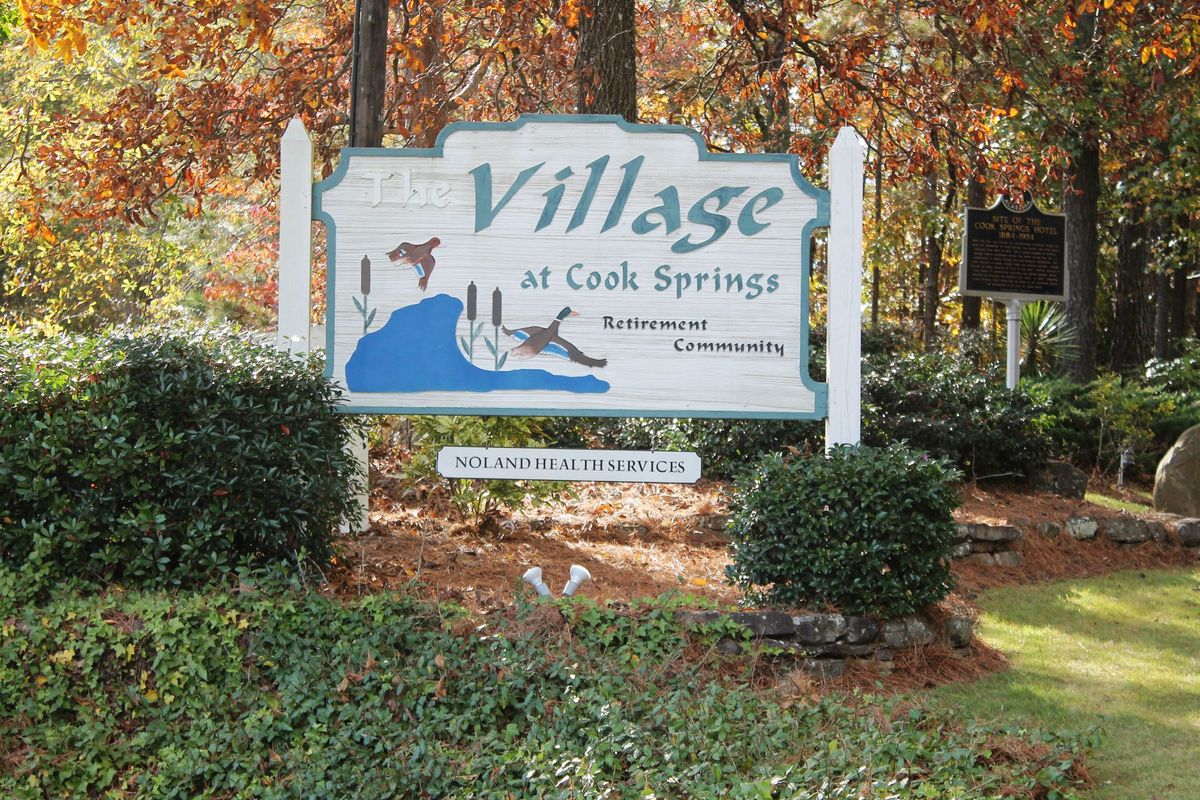
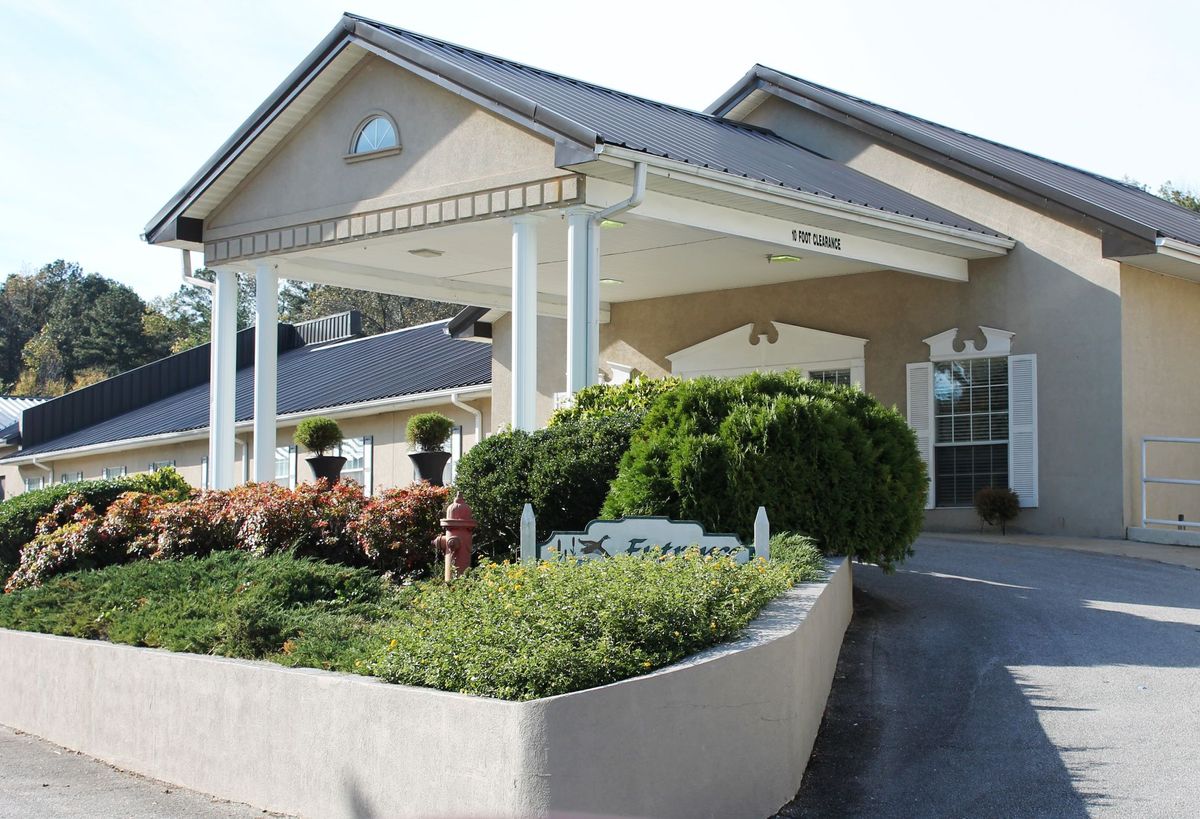
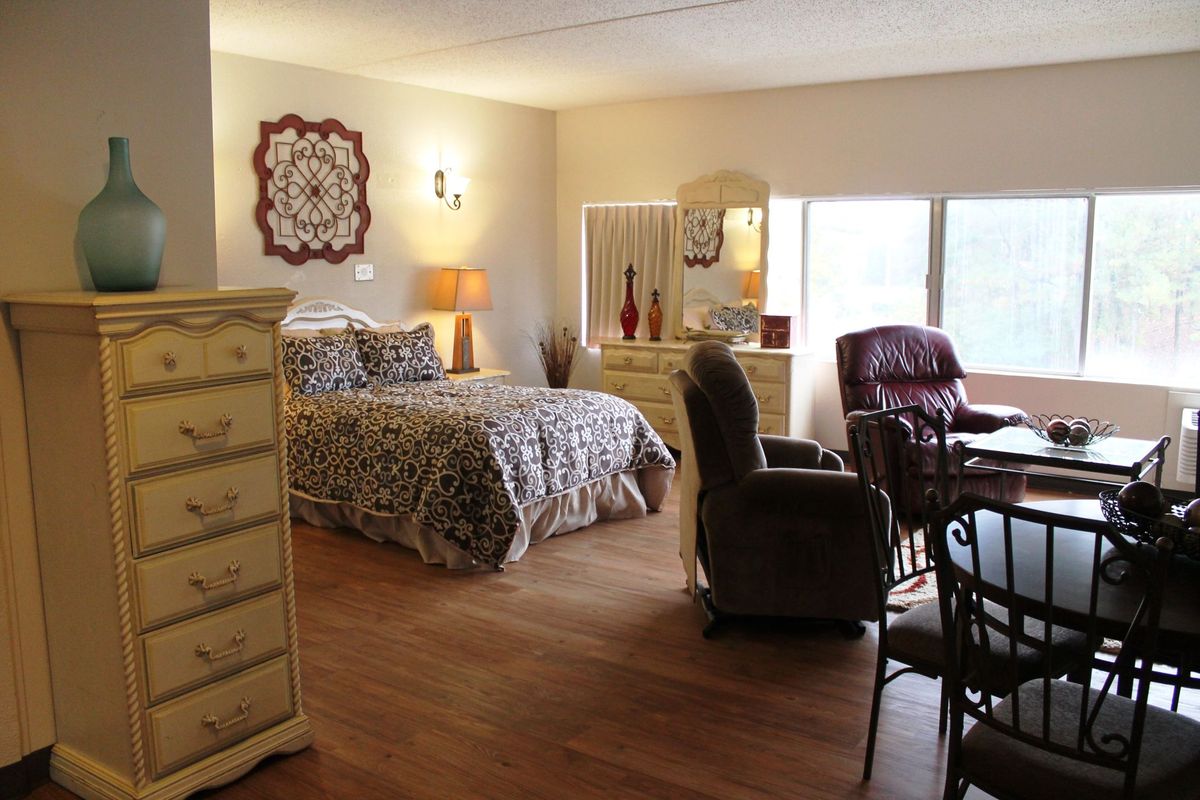
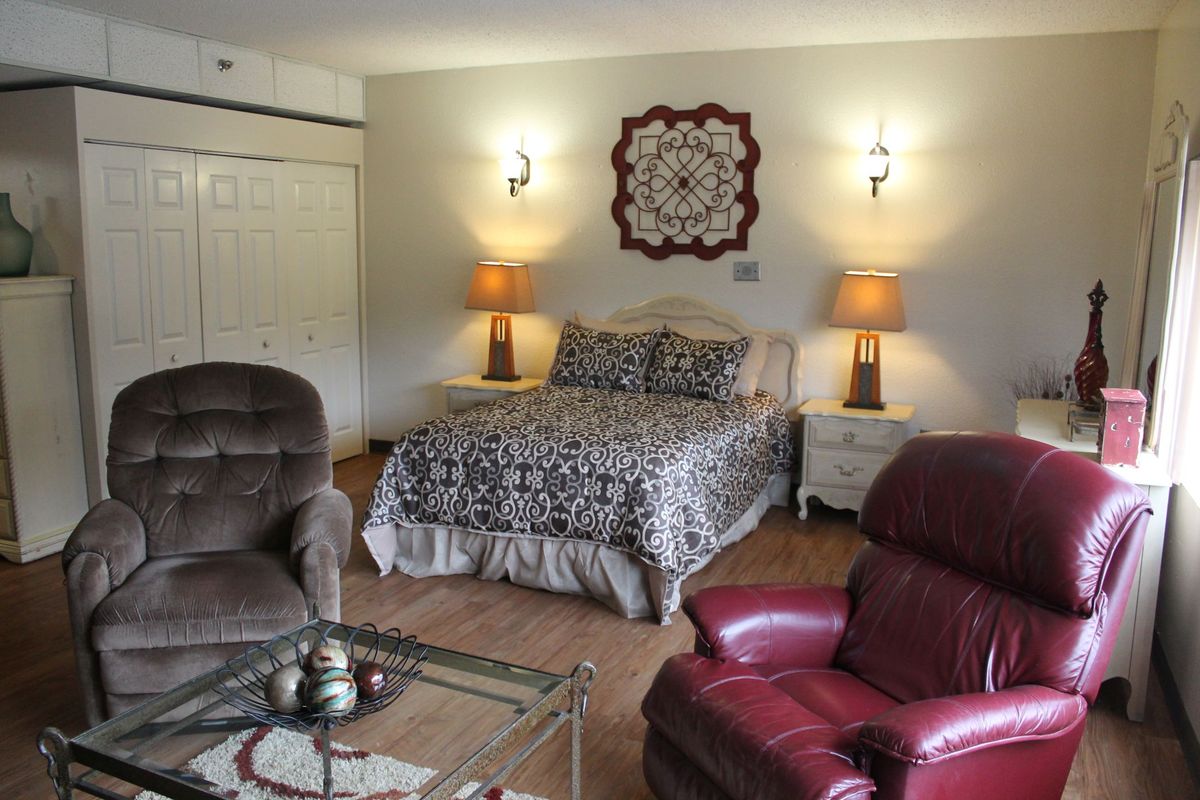
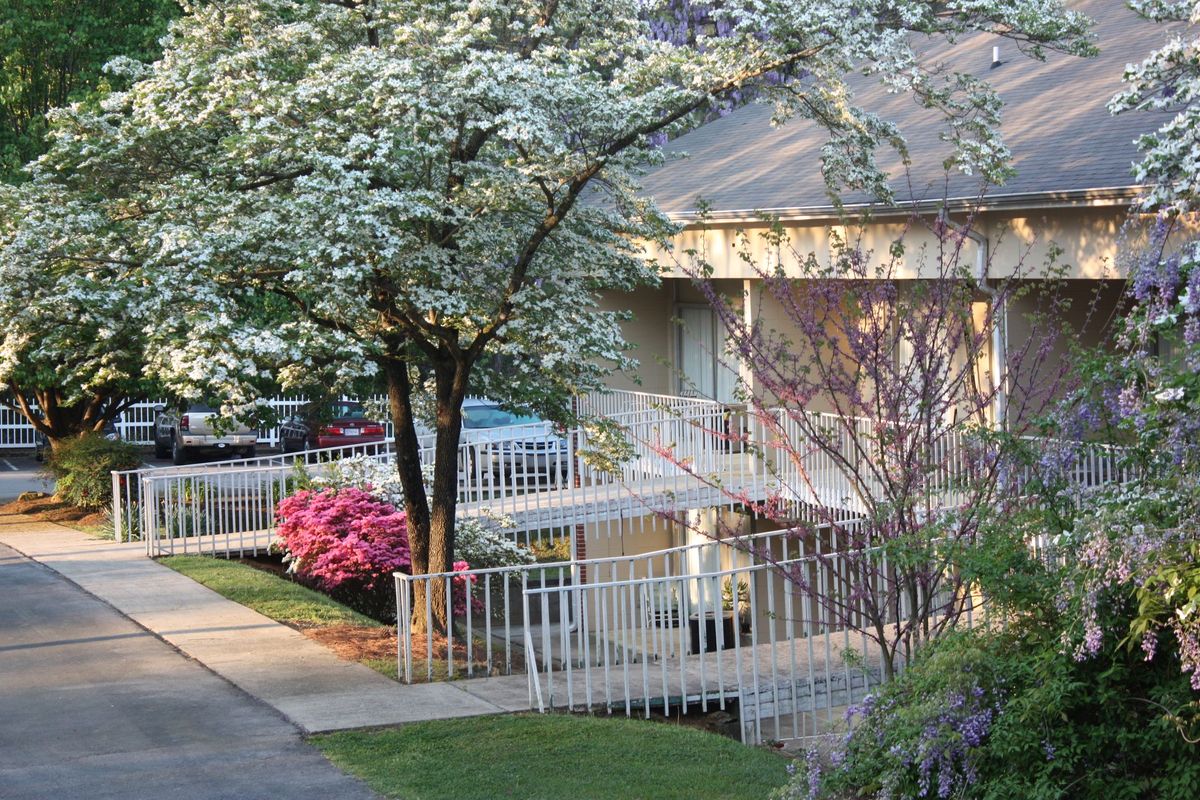
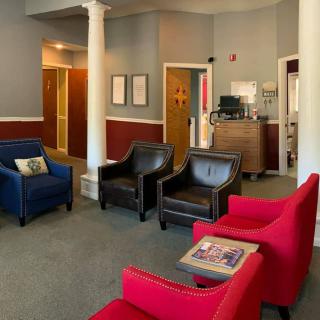
Village at Cook Springs on seniors.fyi includes 6 photos including images showing bedroom, landscaping, trees, interior, architecture, outdoor, garden, windows, and more.
Nearby Communities
Meadowview Nursing Center
Pell City, AL
3.5 from 19 reviews
Compassionate staff with consistent updates and supportive care for complex needs.
Diversicare Of Pell City
Pell City, AL
3.3 from 54 reviews
Comprehensive amenities and 24/7 care options (Memory Care/Skilled Nursing) with engaging activities.
Colonel Robert L. Howard State Veterans Home
Pell City, AL
4 from 56 reviews
Comprehensive care (assisted living, memory care, and skilled nursing) with 24/7 supervision and on-site amenities.
Oak Circle Assisted Living, LLC
Pell City, AL
5 from 5 reviews
$2,500 to $3,250 / month
Competitive pricing with specialized diabetic care and engaging activities.
Oak Circle Assisted Living
Pell City, AL
4.8 from 6 reviews
Intimate, family-owned setting with personalized care.
St Clair Health Care Ctr
Pell City, AL
Skilled nursing with diabetic care focus and on-site dining.
Legacy Ridge at Trussville
Trussville, AL
4.7 from 67 reviews
$4,350 to $5,350 / month
Friendly, communicative staff with engaging activities.
Proveer at Grayson Valley
Birmingham, AL
4.3 from 34 reviews
$3,275 / month
Caring, responsive staff with strong family communication and engaging activities.
East Glen
Birmingham, AL
2.4 from 48 reviews
New, clean, state?of?the?art facility with caring staff and engaging activities.
The article presents five subtle indicators of dementia, such as memory lapses and mood swings, to help families assess cognitive decline in loved ones. It emphasizes early detection, open communication, and seeking professional help while providing practical support steps.
Dementia encompasses progressive neurological disorders that impair cognitive functions and can lead to paranoia due to cognitive decline and emotional changes. The article discusses the triggers of paranoia in dementia, caregiver strategies for managing it, and the importance of distinguishing between dementia-related paranoia and other psychiatric conditions.
Memory care activities are essential for improving the quality of life of seniors with cognitive impairments, as they stimulate cognitive function, promote well-being, and encourage social interaction through tailored strategies. These activities combine structured exercises with spontaneous tasks, sensory engagement, physical workouts, creative pursuits, and intergenerational interactions to enhance emotional connection and a sense of purpose.
Get PricingAsk A QuestionSchedule A TourContact Senior Advisor
By clicking submit, you agree to our Partner's Terms of Use. You
also consent to receive calls and texts, which may be autodialed, from our Partner. Your consent is not a condition to
using our Partner's service. Please visit our Partner's Privacy Policy for information about their privacy practices.



 32 resident community capacity
 Assisted Living
 Continuing Care Retirement Community (CCRC)
 Day Program
 Independent Living
 Memory Care
 Skilled Nursing Facility
 Air-conditioning
 Beautician on-site
 Cable or satellite TV
 Devotional services off-site
 Dining room
 Fully furnished
 Garden
 Housekeeping services
 Indoor common areas
 Kitchenette
 Move-in coordination
 Outdoor common areas
 Respite or short term stays offered
 Restaurant-style dining
 Small library
 Telephone
 Wheelchair accessible showers
 Wi-Fi/high-speed internet available
 Birmingham International (20 miles away)
 24-hour call system
 Ambulatory care
 Assistance with bathing
 Assistance with dressing
 Assistance with transfers
 Diabetes diet
 Diabetic care
 High acuity care
 Incontinence care
 Medication management
 Mental wellness program
 Special dietary restrictions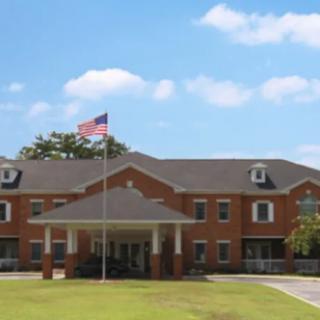
 Compassionate staff with consistent updates and supportive care for complex needs.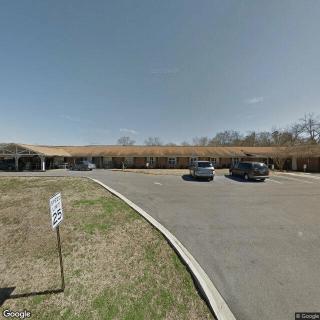

 Five Subtle Dementia Indicators to Observe: An In-Depth Guide to Understanding “Does My Mom Have Dementia?”
 Dementia, Paranoia, and Caregiver Guidance: Understanding the Connection
 Engaging Memory Care Activities That Enhance Quality of Life