Colonel Robert L. Howard State Veterans Home

Save

  • Interior

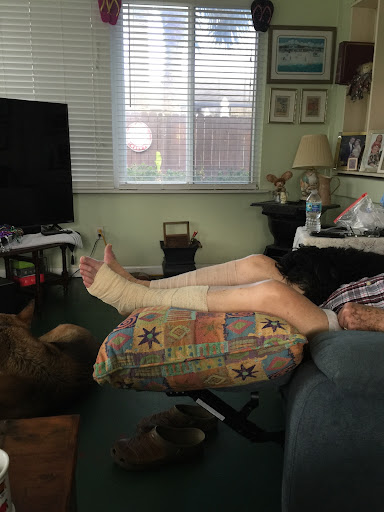
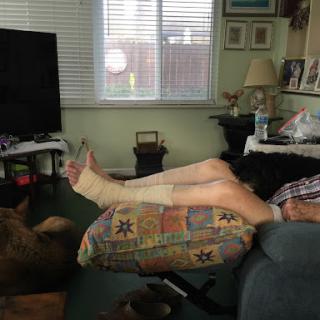
    A person relaxing at home with a leg cast, accompanied by a dog.
  • Outdoors

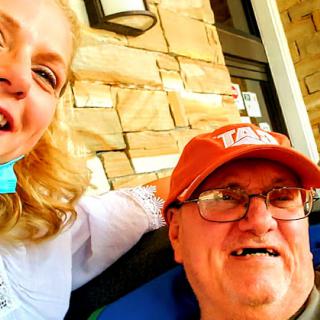
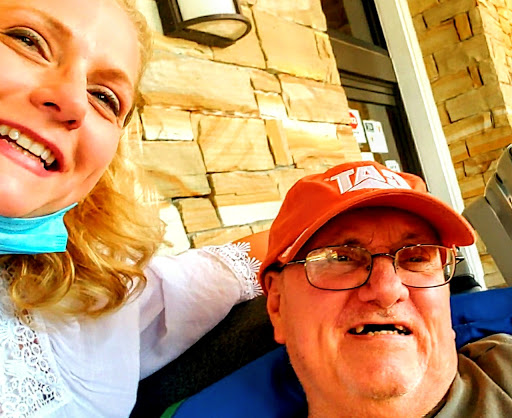
    A joyful moment captured in a sunny outdoor setting.
  • Building

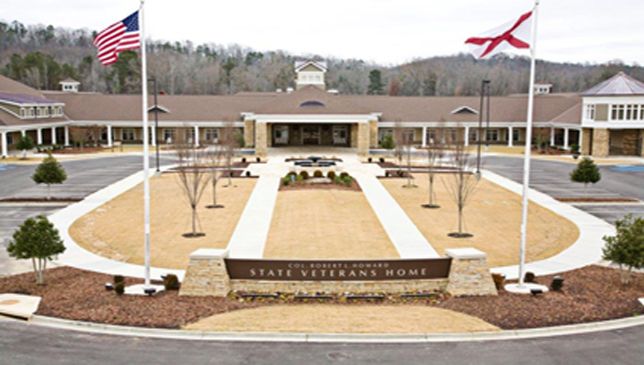
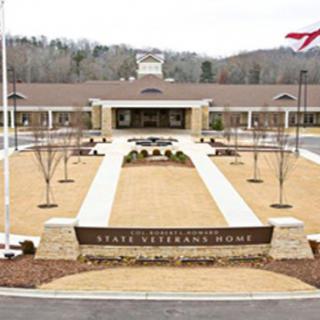
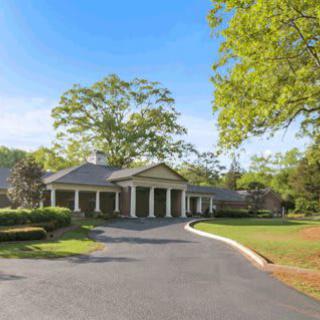
    A state veterans home with a neatly landscaped entrance and pathways, adorned with flags.
  • Outdoor

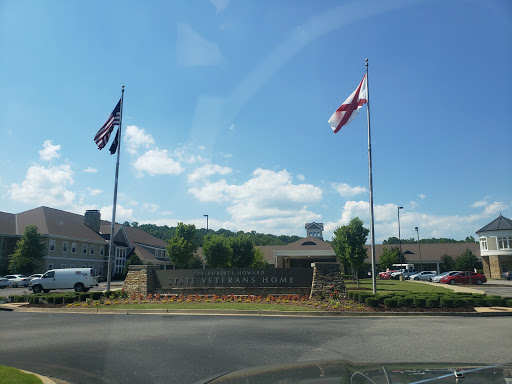
    A view of flags representing the United States and Alabama, set against a clear blue sky.
  • Flag

    A vibrant mural depicting a diverse group of historical figures united under the American flag.
  • Healthcare

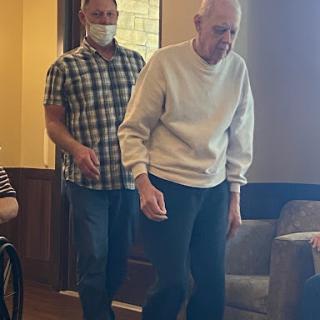
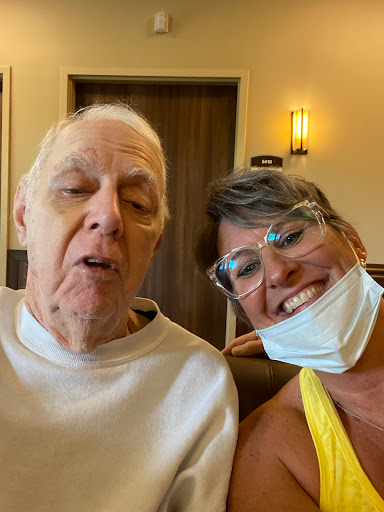
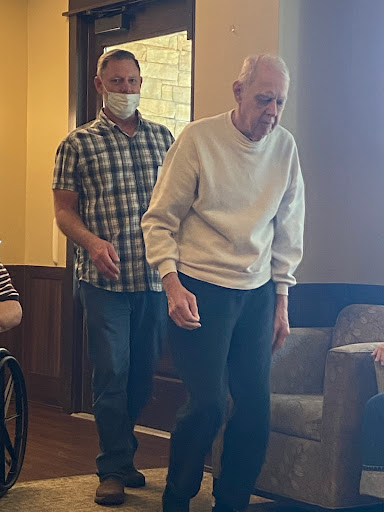
    An elderly man assisted by a caregiver as they walk indoors.
  • Vintage

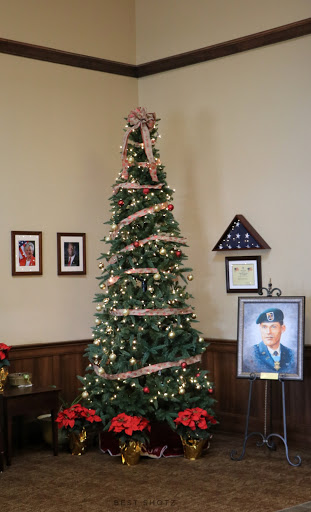
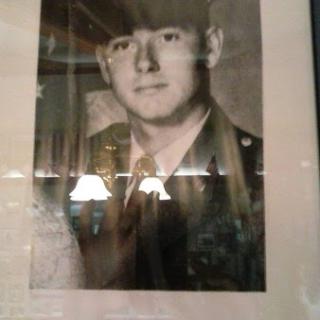
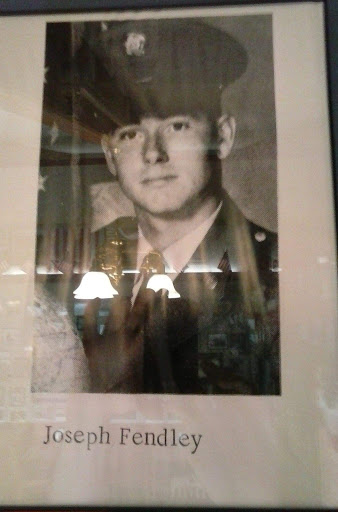
    A vintage black and white portrait of a serviceman in military uniform.

Colonel Robert L. Howard State Veterans Home

7054 Veterans Parkway, Pell City, AL 35125

For more information about senior living options: (844) 490-3973

3.6 from 38 reviews
5 stars
22
4 stars
4
3 stars
0
2 stars
0
1 stars
12

Assisted Living Memory Care Skilled Nursing Facility

Overall Review of Colonel Robert L. Howard State Veterans Home

Pros

  • pro This place has given him excellent care and is always very accommodating when family members are brought to eat lunch and visit with him.
  • pro My Father In Law was a resident for little less than a year and it was the BEST treatment and care he had during his 4 year battle with dementia.
  • pro Hilary and Theresa were so helpful and kind.
  • pro They all went above and beyond everyday.
  • pro This is the most wonderful facility with a staff that goes above and beyond.
  • pro He is always clean and happy.
  • pro The staff treats him and us with the most respect.
  • pro The facility is always clean, and smells clean. The staff goes out of their way to care for the residents.
  • pro Security is in place around the clock to ensure the safety of patients, staff, and guests.

Cons

  • pro Neglect is real at this place.
  • pro The staff spend time on in-office romances, allegedly reducing management efficiency.
  • pro Without constant family visits, residents are neglected and only receive attention when in a critical state.
  • pro The facility is understaffed and the care is described as a joke.
  • pro The reviewer claims neglect contributed to the death of their loved one.
  • pro There are reports of veterans left in dried vomit, indicating unsanitary conditions.
  • pro The VA home staff is described as a joke and there are calls for accountability.
  • pro Some reviewers say they wouldn't even bring a dog to this place due to how veterans are treated.

Review

In Pell City, Alabama, the Col. Howard State Veterans' Home (the local VA facility often referred to as Pell City VA Senior Care) stands as a place that inspires strong, often contradictory emotions among those who have family members there. On one hand, several families sing its praises with gratitude for attentive caregivers, clean surroundings, and thoughtful staff who welcome visitors and work hard to make residents feel cared for. On the other hand, a chorus of voices raises alarms about neglect, delays in attention, and unsanitary conditions, coloring the facility with a sense of urgency and fear for loved ones who depend on daily, reliable care. Taken together, these testimonials present a complex, deeply personal portrait of care at this veterans' home.

Some reviews emphasize what many families want to hear: reliable, compassionate care from a team that treats residents with respect and dignity. One account notes that a father "has been there for several years? given him excellent care" and that staff are "always very accommodating when we bring several family members at one time to eat lunch and visit with him." The same family describes him as "happy as anyone can be at his age, relying on others for care," and recalls being impressed by the respect shown to both him and the family. Another reviewer, describing a father-in-law's stay, called the care "the BEST treatment and care he had during his 4 year battle with dementia," praising Hilary and Theresa for going "above and beyond everyday." These narratives frame the facility as a place where staff can be truly caring, attentive, and helpful, with specific moments that stood out: front desk staff who greet visitors with warmth, a director of nursing who personally escorts a resident back to his room, and conversations with physical therapists about daily diet choices - moments that reinforce a sense that the home can be a supportive, well-run environment.

The supportive stories extend beyond the walls of the resident's room. Community engagement is highlighted as a meaningful and genuine part of residents' lives. A school counselor from a nearby elementary school describes the facility as "always clean and very inviting," with staff who are "very kind and welcoming to our students and faculty." The residents enjoy visits from local children who sing patriotic songs, recite poems, and participate in events tied to the school calendar. The program isn't just about visits; it includes donations and activities - stuffed animals and trinkets for Bingo, items collected for the 100th Day of School, and decorations for Christmas trees - that help residents feel connected to the broader community. In this view, the home serves as a cherished partner in the community, a place where veterans are celebrated and engaged through the energy of students and volunteers.

Within the same tapestry of praise, several accounts emphasize the everyday human warmth that makes a difference in residents' lives. A family member describes the staff as people who "go above and beyond," noting how the facility feels clean, smells clean, and is managed by personnel who consistently greet visitors with a smile. There are reminders of practical, reassuring routines - visiting at lunch, being able to talk with the director of nursing, and hearing that the person at the front desk "definitely has the right person answering the phone" with a friendly, audible smile in her voice. The messages repeatedly acknowledge how security and routine care contribute to a feeling of safety and well-being for both residents and their families. In these pieces, the home appears to be a place where dedicated individuals figure out how to balance professional care with the personal touch that helps families sleep at night.

Yet the same facility is the site of vehement, grave concerns raised by others who feel the care has fallen far short of what their loved ones deserve. The most urgent accusations speak of neglect and insufficient staffing, painting a stark contrast to the positive testimonials. One reviewer, grappling with the loss of a loved one, writes that neglect began after the first year, and that "unless you and your family can rotate visits every day around the clock, your loved one will be neglected and only get attention when they get in a critical state." The message is blunt and distressing: "NEGLECT IS REAL AT THIS PLACE!!! Staffing is a joke." There are painful details about a death and a lack of condolences or communication about belongings, which further compounds the sense of failure and betrayal felt by grieving families. Across several postings, there are repeated calls for accountability, as well as stark pictures of conditions described as unsanitary or mishandled - such as references to a veteran lying in dried vomit, and to pictures and reports that allegedly circulated among veterans' families and outside agencies. Some contributors argue that even in a well-staffed building, crises such as vomit, incontinence, and "bed rolls" require more timely, consistent attention, urging administrators and staff to prioritize rounds and proactive care.

Amid the discord, some voices acknowledge that there are elements of the situation that cannot be ignored. The language is pointed and passionate, from accusations of "a disgrace to our veterans" to statements about the emotional impact of seeing a veteran in distress. There are calls for external accountability, with some reviewers insisting that what they observed in the facility should be brought to higher authorities or legal attention. The strongest condemnations are paired with expressions of personal hurt and a demand for meaningful change, underscoring how deeply the stakes are for families who trusted the home to protect and care for their loved ones in their final years.

Even within the most critical narratives, there are moments that remind readers of what many families value about the home: outreach, generosity, and moments of joy. There are mentions of an Elvis tribute show that brightened a day, signs of care that transcend routine medical tasks, and comments that "the Home is a beautiful place." The final notes in several threads affirm a belief that government-supported facilities should strive to be exemplary in their mission to honor veterans, and there is genuine disappointment when experience suggests that promises of care and respect may not always align with reality. The stories together reveal a landscape where compassionate, effective caregiving coexists with troubling episodes that trigger fear, anger, and a call for accountability.

Taken as a whole, the assessments converge on a few core truths: for many families, this veterans' home represents a lifeline of connection, care, and community that can make a tangible difference in a resident's daily life; for others, it represents a source of heartbreak and fear when neglect or perceived neglect undermines safety and dignity. The facility is described as clean, well-intained, and staffed by individuals who can be deeply kind and responsive, yet it also faces serious, loud concerns about consistency, adequacy of staffing, and timely attention to residents' needs. The range of experiences suggests that outcomes may vary by day, staff on shift, or the specific care needs of a given resident, and that ongoing vigilance, transparent communication, and steadfast commitment to high standards remain essential for any facility entrusted with the care of veterans.

Features

Housing

  • 80 resident community capacity 80 resident community capacity

Types of Care

  • Assisted Living Assisted LivingAssisted living facilities provide crucial support and care for seniors who may need help with daily tasks such as medication management, bathing, and meal preparation. These communities offer a safe and comfortable environment where seniors can maintain their independence while receiving the assistance they need to thrive in their golden years.
  • Memory Care Memory CareMemory care is crucial for seniors as it provides specialized support and services for individuals with dementia or Alzheimer's disease. These programs offer a safe and secure environment where residents receive personalized care, cognitive stimulation, and help with daily activities. Memory care helps seniors maintain their independence, quality of life, and dignity while also providing peace of mind for their families.
  • Skilled Nursing Facility Skilled Nursing FacilitySkilled Nursing Facilities are crucial for seniors as they provide round-the-clock medical care, rehabilitation services, and assistance with daily activities. These facilities ensure that seniors receive the specialized care they need to maintain their health and well-being as they age.

Amenities

  • Activities on-site Activities on-siteActivities on-site are important for seniors because they provide opportunities for socialization, mental stimulation, physical activity, and overall well-being. Engaging in activities can help seniors stay active, maintain their independence, and improve their quality of life.
  • Air-conditioning Air-conditioningAir conditioning is important for seniors as they are more vulnerable to heat-related illnesses and may have underlying health conditions that make it difficult for them to regulate their body temperature. It helps to keep them comfortable, safe, and healthy in hot weather.
  • Beauty salon Beauty salonBeauty salons are important for seniors because they provide a space for them to feel pampered, socialize, and maintain their personal grooming and hygiene. Regular visits to a beauty salon can help boost seniors' self-esteem and overall well-being.
  • Cable or satellite TV Cable or satellite TVCable or satellite TV is important for seniors because it provides entertainment, news, and companionship, helping to combat loneliness and boredom. It also offers a wide range of programming options tailored to different interests and preferences.
  • Computer center Computer centerA computer center is essential for seniors as it provides access to technology, communication tools, and resources that can enhance their daily lives. It allows them to stay connected with loved ones, engage in online activities, and learn new skills, ultimately promoting socialization and mental stimulation.
  • Devotional services off-site Devotional services off-siteDevotional services off-site are important for seniors as they provide spiritual nourishment, social engagement, and a sense of community outside of the senior living facility. This can enhance overall well-being and help combat feelings of isolation and loneliness often experienced by older adults.
  • Dining room Dining roomDining rooms are important for seniors as they provide a space for socialization, connection, and nutritious meals. They offer opportunities for residents to bond over shared meals, foster a sense of community, and promote healthy eating habits. Dining rooms also ensure that seniors have access to well-balanced meals tailored to their dietary needs and preferences.
  • Fitness room Fitness roomHaving a fitness room in a senior living community is essential for seniors to stay active, maintain their physical health, and improve their overall well-being. Regular exercise can help prevent falls, reduce the risk of chronic diseases, and promote mental sharpness. It also provides social opportunities for residents to connect with others and enjoy a sense of community.
  • Fully furnished Fully furnishedFully furnished senior living communities are important for seniors because they provide convenience, comfort, and a hassle-free moving experience. Seniors can easily settle into their new living space without the stress of having to buy and move furniture. This allows them to focus on enjoying their new home and community.
  • Gaming room Gaming roomGaming rooms are important for seniors as they provide a fun and engaging environment for socializing, cognitive stimulation, and physical activity. Games can improve memory, problem-solving skills, and overall mental well-being while fostering friendships and reducing feelings of isolation.
  • Garden GardenGardens are important for seniors as they provide a peaceful and therapeutic environment for relaxation, physical activity, and socialization. Being in nature has been shown to reduce stress, improve mood, and promote overall well-being. Gardens also offer opportunities for seniors to engage in gardening activities, which can improve mobility, flexibility, and cognitive function. Additionally, gardens create a sense of community and connection with others who share a passion for plants and outdoor spaces.
  • Housekeeping services Housekeeping servicesHousekeeping services are important for seniors because they help maintain a clean and safe living environment, promote independence, and reduce the risk of accidents or illnesses. Additionally, having assistance with household chores can alleviate physical strain and allow seniors to focus on other aspects of their well-being.
  • Indoor common areas Indoor common areasIndoor common areas are crucial for seniors as they provide a space for socialization, recreation, and community engagement, promoting overall well-being and reducing feelings of isolation and loneliness.
  • Kitchenette KitchenetteKitchenettes are important for seniors living in senior living communities because they provide the convenience and independence of being able to prepare simple meals and snacks in the comfort of their own living space. This can help promote a sense of autonomy and well-being for seniors, allowing them to maintain some level of control over their dietary choices and daily routines.
  • Move-in coordination Move-in coordinationMove-in coordination is important for seniors because it helps ease the transition into their new living environment. It ensures that all logistics, such as packing, organizing movers, and setting up utilities are taken care of, allowing seniors to focus on settling in and adjusting to their new home. Having a smooth move-in process can alleviate stress and anxiety, making the transition smoother and more enjoyable for seniors.
  • Outdoor space Outdoor spaceOutdoor spaces are important for seniors as they provide opportunities for physical activity, social interaction, exposure to natural light and fresh air, and a sense of connection to nature. Having access to outdoor spaces can improve overall well-being and quality of life for older adults living in senior communities.
  • Private bathrooms Private bathroomsPrivate bathrooms are important for seniors in senior living communities because they provide independence, dignity, and comfort. Having a private bathroom allows seniors to maintain their personal hygiene routines without the need for assistance, promoting a sense of autonomy and privacy. Additionally, private bathrooms help prevent the spread of infections and provide a safe and clean environment for seniors to navigate safely.
  • Restaurant-style dining Restaurant-style diningRestaurant-style dining is important for seniors because it allows them to enjoy delicious, nutritious meals in a social and upscale setting. This enhances their dining experience, promotes healthy eating habits, and fosters socialization with fellow residents, ultimately contributing to their overall well-being and quality of life.
  • Small library Small librarySmall libraries are important for seniors as they provide access to a variety of reading materials, including books, newspapers, and magazines. This can help stimulate their minds, keep them engaged, and provide a sense of community through book clubs and other social activities. Additionally, reading has been shown to improve cognitive function and overall mental well-being in older adults.
  • Telephone TelephoneTelephones are important for seniors as they provide a lifeline for communication with loved ones, emergency services, and healthcare providers. They offer a sense of security and independence, enabling seniors to stay connected and access assistance when needed.
  • Wellness center Wellness centerWellness centers are important for seniors because they offer a variety of programs and services that promote physical, mental, and emotional well-being. These centers provide opportunities for exercise, socialization, education, and relaxation, helping seniors maintain their overall health and quality of life.
  • Wi-Fi/high-speed internet available Wi-Fi/high-speed internet availableWi-Fi/high-speed internet is important for seniors to stay connected with loved ones, access online resources, and participate in virtual activities to combat feelings of loneliness and isolation. It also allows them to easily manage healthcare needs, access entertainment, and engage in lifelong learning opportunities.

Transportation

  • Community operated transportation Community operated transportationCommunity operated transportation is crucial for seniors as it provides them with the means to access essential services, social activities, and medical appointments. It allows seniors to maintain their independence and quality of life by ensuring they can participate in activities outside of their homes. Additionally, community-operated transportation services offer a safe and reliable way for seniors to travel without having to rely on family or friends for assistance.
  • Transportation arrangement Transportation arrangementTransportation arrangements are crucial for seniors as they may face challenges with driving, mobility, or access to public transportation. Having reliable transportation services ensures that seniors can easily attend appointments, social activities, and maintain their independence and quality of life.
  • Transportation arrangement (non-medical) Transportation arrangement (non-medical)Transportation arrangements are essential for seniors as they provide access to essential services, activities, and social interactions outside the home. This service helps maintain independence, mobility, and overall well-being for seniors who may have limited transportation options.
  • Transportation to doctors appointments Transportation to doctors appointmentsTransportation to doctors appointments is crucial for seniors as it ensures they have access to necessary medical care and support, promoting their health and well-being. It allows them to receive timely treatment, monitor existing conditions, and address any new health concerns efficiently. Additionally, transportation services can help seniors maintain their independence and quality of life by enabling them to stay connected with their healthcare providers.

Care Services

  • 12-16 hour nursing 12-16 hour nursing12-16 hour nursing care is crucial for seniors in order to ensure around-the-clock monitoring, timely medication administration, and prompt response to any health concerns or emergencies. This level of care helps to promote the overall well-being and safety of seniors living in senior living communities.
  • 24-hour call system 24-hour call system24-hour call systems are important for seniors because they provide peace of mind and immediate assistance in case of emergencies. This technology ensures that help is always available, promoting safety and security for elderly individuals living alone or in assisted living facilities.
  • 24-hour supervision 24-hour supervision24-hour supervision is important for seniors to ensure their safety, well-being, and access to immediate assistance in case of emergencies or health issues. This constant support provides peace of mind for both seniors and their loved ones, allowing them to age in place with dignity and security.
  • Activities of daily living assistance Activities of daily living assistanceActivities of daily living assistance are important for seniors because they provide essential support with tasks such as eating, bathing, dressing, and mobility. This assistance helps seniors maintain their independence, dignity, and overall quality of life as they age.
  • Ambulatory care Ambulatory care"Ambulatory care services provide essential medical support and treatment to seniors without requiring hospitalization, allowing them to maintain their independence and quality of life while managing chronic conditions or receiving routine medical care."
  • Assistance with bathing Assistance with bathingAssistance with bathing is crucial for seniors as it helps maintain personal hygiene, prevents infections, and ensures their overall well-being and comfort. It also provides a sense of dignity and independence for seniors who may struggle with this task on their own.
  • Assistance with dressing Assistance with dressingAssistance with dressing is important for seniors because it helps maintain their independence, promotes personal hygiene, prevents accidents and injuries, and improves overall quality of life. This service ensures that seniors can continue to dress comfortably and confidently, despite any physical limitations they may have.
  • Assistance with transfers Assistance with transfersAssistance with transfers is crucial for seniors as it helps prevent falls and injuries, maintains their independence, and ensures they can safely navigate their living environment. It also provides peace of mind for both seniors and their loved ones.
  • Diabetes diet Diabetes dietA diabetes diet is crucial for seniors as it helps manage blood sugar levels, reduce risks of complications, and improve overall health and well-being. By following a balanced and nutritious diet tailored to their specific needs, seniors can better control their diabetes and enhance their quality of life.
  • Diabetic care Diabetic careDiabetic care is crucial for seniors as they are more susceptible to developing diabetes due to aging and other health conditions. Proper management of diabetes can help prevent complications such as heart disease, vision loss, and nerve damage, improving the overall quality of life for seniors in senior living communities.
  • Meal preparation and service Meal preparation and serviceMeal preparation and service are crucial for seniors as they may have limited mobility or energy to cook nutritious meals. Having access to healthy and convenient food options can ensure they are getting the proper nutrition needed to maintain their overall health and well-being.
  • Medication management Medication managementMedication management is crucial for seniors to ensure they are taking the right medications at the correct dosages and times. This helps prevent adverse drug interactions, reduces the risk of medication errors, and promotes overall health and well-being. Proactive management also allows for adjustments as needed based on changing health conditions or new prescriptions.
  • Mental wellness program Mental wellness programMental wellness programs are essential for seniors as they promote cognitive stimulation, emotional support, and social engagement. These programs help prevent isolation, depression, and cognitive decline, ultimately enhancing the overall quality of life for older adults.
  • Special dietary restrictions Special dietary restrictionsSpecial dietary restrictions are important for seniors because age-related changes in metabolism and health conditions can make it difficult for their bodies to process certain foods. By following a diet tailored to their specific needs, seniors can maintain their overall health and well-being, manage chronic conditions, and reduce the risk of complications such as malnutrition or food interactions with medications.

Dining

  • Diabetes diet Diabetes dietA diabetes diet is crucial for seniors as it helps manage blood sugar levels, reduce risks of complications, and improve overall health and well-being. By following a balanced and nutritious diet tailored to their specific needs, seniors can better control their diabetes and enhance their quality of life.
  • Meals provided Meals provided"Meals provided" are crucial for seniors in assisted living communities as it ensures they have access to nutritious, balanced meals without the stress of meal planning and preparation. This can help promote overall health and well-being for seniors who may have limited mobility or cognitive abilities.
  • Special dietary restrictions Special dietary restrictionsSpecial dietary restrictions are important for seniors because age-related changes in metabolism and health conditions can make it difficult for their bodies to process certain foods. By following a diet tailored to their specific needs, seniors can maintain their overall health and well-being, manage chronic conditions, and reduce the risk of complications such as malnutrition or food interactions with medications.

Activities

  • Activities on-site Activities on-siteActivities on-site are important for seniors because they provide opportunities for socialization, mental stimulation, physical activity, and overall well-being. Engaging in activities can help seniors stay active, maintain their independence, and improve their quality of life.
  • Community-sponsored activities Community-sponsored activitiesCommunity-sponsored activities are important for seniors as they provide opportunities for social interaction, mental stimulation, and physical activity. These activities can help improve overall well-being, combat loneliness and isolation, and promote a sense of belonging and purpose among older adults.
  • Concierge services Concierge servicesConcierge services are essential for seniors as they provide assistance with daily tasks and errands, enhance their quality of life by offering convenience and personalized care, and promote a sense of safety and security.
  • Devotional activities offsite Devotional activities offsiteDevotional activities offsite are important for seniors because they provide social engagement, spiritual growth, and a sense of community outside of their living environment. This can improve overall well-being, mental health, and combat feelings of isolation or loneliness.
  • Fitness programs Fitness programsFitness programs are crucial for seniors as they help improve strength, flexibility, balance, and overall well-being. Staying active can reduce the risk of chronic diseases, improve mental health, and enhance quality of life in older adults.
  • Planned day trips Planned day tripsPlanned day trips are important for seniors because they offer opportunities for socialization, mental stimulation, and physical activity. They provide a change of scenery and help seniors stay engaged and connected to their community, promoting overall well-being and quality of life.
  • Resident-run activities Resident-run activitiesResident-run activities are important for seniors as they encourage social interaction, creativity, and a sense of autonomy. These activities empower seniors to stay engaged and active in their community while fostering meaningful connections with their peers.
  • Scheduled daily activities Scheduled daily activitiesScheduled daily activities are important for seniors because they provide structure, socialization, mental stimulation, and physical activity. Engaging in regular activities can improve overall well-being and quality of life for seniors living in a community setting.

Description

The Colonel Robert L. Howard State Veterans Home in Pell City, AL is a top-notch assisted living community offering a range of care services to meet the unique needs of its residents. With both Memory Care and Skilled Nursing Facility options available, this community caters to individuals requiring specialized care and support.

Residents can enjoy a comfortable living environment complete with modern amenities and conveniences. The facility provides air-conditioning throughout, ensuring a pleasant atmosphere even during hot summer months. For personal grooming needs, there is a beauty salon conveniently located on-site. Residents can stay entertained with cable or satellite TV in their private rooms or enjoy the company of others in the gaming room or small library.

Transportation for various purposes is readily available, with community operated transportation and transportation arrangements for non-medical needs like doctor's appointments. Additionally, move-in coordination services help to make the transition as smooth as possible for new residents.

The dining experience in this assisted living community is designed to be restaurant-style with meals provided to residents. Special dietary restrictions are accommodated, including diabetes diets. A fully furnished dining room offers a pleasant setting for socializing while enjoying delicious meals prepared by dedicated staff members.

Engaging activities play an integral role in promoting an active and fulfilling lifestyle within the community. Community-sponsored activities, fitness programs, scheduled daily activities, and planned day trips are all part of the diverse array of offerings. Residents have opportunities to participate in resident-run activities and can also access concierge services for their convenience.

Located nearby are several amenities that enhance the overall quality of life for residents. Cafes, parks, pharmacies, physicians' offices, restaurants, places of worship, theaters, and hospitals are all easily accessible from the assisted living community.

With 24-hour call systems and supervision coupled with assistance available for activities of daily living such as bathing and dressing, residents receive personalized care tailored to their individual needs. Medication management ensures that medications are administered safely and efficiently. A mental wellness program is in place to promote emotional well-being.

In conclusion, the Colonel Robert L. Howard State Veterans Home in Pell City, AL offers a comprehensive and enriching assisted living experience with dedicated care services, modern amenities, engaging activities, and convenient access to nearby amenities.

Nearby Places of Interest

Located in Pell City, Alabama, this area boasts a convenient array of healthcare facilities, including Saint Vincent Saint Clair Hospital and St Clair Regional Outpatient Multi-Specialty Clinic within close proximity. Additionally, there are reputable physicians such as St Vincent's Family Care and Northside Medical Associates nearby for your medical needs. Several pharmacies like Northside Apothecary and Walgreens are easily accessible for medication refills. When it comes to dining options, popular chains like Chick-Fil-A and Jack's offer convenient meal choices. For spiritual fulfillment, various places of worship like Freewill Church Of God In Christ Pell City and Mineral Springs Baptist Church are located within a short distance. Those seeking entertainment can enjoy a movie at the Pell City PREMIERE LUX CINERTAINMENT theater or grab a coffee at Starbucks nearby. Overall, this part of Pell City offers a mix of essential amenities and recreational opportunities suitable for senior living.

Hospitals

  • Saint Vincent Saint Clair (0.2 miles)
  • St Clair Regional Outpatient Multi-Specialty Clinic (0.2 miles)
  • St Vincent's St Clair Hospital (1.3 miles)

Physicians

  • St Vincent's Family Care (0.2 miles)
  • Northside Medical Associates (0.8 miles)
  • Alabama Anesthesiology & Pain Consultants (1.3 miles)
  • Aultman Dental (3.3 miles)
  • DaVita Adoc-st Clair (11.3 miles)
  • Northside Medical Associates (11.3 miles)
  • UAB Clinic (11.6 miles)

Pharmacies

  • Northside Apothecary (0.8 miles)
  • Walgreens (1.1 miles)
  • U-Save Pell City (1.1 miles)
  • CVS Pharmacy (1.6 miles)
  • Mainstreet Drugs Health Mart (1.7 miles)
  • J's Pharmacy (2.2 miles)
  • Pell City Pharmacy (2.4 miles)

Restaurants

  • Burger King (1 miles)
  • Chick-Fil-A (1.1 miles)
  • Jack's (1.2 miles)
  • Arby's (1.2 miles)
  • El Cazador Mexican Grill (1.2 miles)
  • Krystal (1.2 miles)
  • KFC (1.2 miles)

Places of Worship

  • Freewill Church Of God In Christ Pell City (1 miles)
  • Mt Zion Freewill Baptist (1.1 miles)
  • Mineral Springs Baptist Church (1.3 miles)
  • Seventh Day Adventist Church (1.4 miles)
  • First United Methodist Church (1.5 miles)
  • Pell City Church of Christ (1.5 miles)
  • Harvest Center Sanctuary God's House (1.6 miles)

Cafes

  • Starbucks (1.1 miles)

Theaters

  • Pell City PREMIERE LUX CINERTAINMENT (1.8 miles)

Transportation

  • Etheredge Enterprises (2.1 miles)

Parks

  • Park Bence (4.3 miles)
  • St Clair Memorial Park (7.3 miles)
  • Nemo Dog Park (11.3 miles)
  • Springville Park (15.1 miles)
  • D.O. Langston Park (15.9 miles)

Frequently Asked Questions

Where is Colonel Robert L. Howard State Veterans Home?
Does Colonel Robert L. Howard State Veterans Home provide care for residents with dementia or Alzheimer's disease?
What photos are available for Colonel Robert L. Howard State Veterans Home in Pell City, Alabama?

Nearby Communities

  • Diversicare Of Pell City

    Diversicare Of Pell City

    Pell City, AL

    3 from 43 reviews
     

    pro Comprehensive amenities and 24/7 care options (Memory Care/Skilled Nursing) with engaging activities.
  • Oak Circle Assisted Living,  LLC

    Oak Circle Assisted Living, LLC

    Pell City, AL

    5 from 5 reviews
    $2,500 to $3,250 / month

    pro Competitive pricing with specialized diabetic care and engaging activities.

  • Oak Circle Assisted Living

    Oak Circle Assisted Living

    Pell City, AL

    4.8 from 6 reviews
     

    pro Intimate, family-owned setting with personalized care.

  • St Clair Health Care Ctr

    St Clair Health Care Ctr

    Pell City, AL


    pro Skilled nursing with diabetic care focus and on-site dining.

  • Village East

    Village East

    Pell City, AL

    5 from 1 review
    $2,000 to $2,800 / month

    pro Memory-care specialist with 24/7 supervision in a small, amenity-rich 28-unit community.

  • Village at Cook Springs

    Village at Cook Springs

    Pell City, AL

    3.8 from 104 reviews
    $1,295 to $3,600 / month

    pro Warm, attentive staff with engaging activities and attractive grounds.

  • Legacy Ridge at Trussville

    Legacy Ridge at Trussville

    Trussville, AL

    4.7 from 67 reviews
    $4,350 to $5,350 / month

    pro Friendly, communicative staff with engaging activities.

  • Proveer at Grayson Valley

    Proveer at Grayson Valley

    Birmingham, AL

    4.3 from 34 reviews
    $3,275 / month

    pro Caring, responsive staff with strong family communication and engaging activities.

  • East Glen

    East Glen

    Birmingham, AL

    2.4 from 48 reviews
     

    pro New, clean, state?of?the?art facility with caring staff and engaging activities.

Related Resources

  • memory care activitiesEngaging Memory Care Activities That Enhance Quality of Life

    Memory care activities are essential for improving the quality of life of seniors with cognitive impairments, as they stimulate cognitive function, promote well-being, and encourage social interaction through tailored strategies. These activities combine structured exercises with spontaneous tasks, sensory engagement, physical workouts, creative pursuits, and intergenerational interactions to enhance emotional connection and a sense of purpose.

  • when to move from assisted living to memory careWhen to Transition from Assisted Living to Memory Care: Key Indicators, Steps, and Finding the Right Community

    Transitioning from assisted living to memory care is driven by an individual's cognitive decline and specific needs, requiring careful evaluation of indicators like increased confusion and wandering. The process involves consulting medical professionals, researching suitable communities, considering financial and legal aspects, and ensuring effective communication for personalized care plans.

  • assisted living vs memory careUnderstanding the Distinctions: Assisted Living and Memory Care Explained
    The article differentiates between assisted living and memory care, explaining that assisted living supports seniors with daily activities while promoting independence, whereas memory care provides specialized services for individuals with dementia, focusing on secure environments and cognitive support. It also addresses staff training, safety considerations, costs, family involvement, and transition strategies for families navigating these care options.