


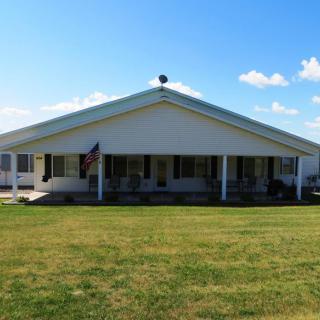
206 West Prospect Street, Thorp, WI 54771
For more information about senior living options: (866) 208-4318
Overall Review of Oakbrook Health And Rehabilitation
Pros
 Oakbrook Health & Rehab is a reputable facility recommended for short- or long-term care.
- They provide exceptional care for residents while maintaining a clean and welcoming environment.
- The environment is friendly and supportive for rehabilitation and care.
- They regularly offer fun activities for residents to participate in.
- The activity director, Rhonda G B, is professional, patient, and kind, with strong communication with families.
- Rhonda G B and her colleagues are important to residents’ mental health.
- The hair stylist, Sue, lifts morale at the facility.
- The place seems clean and tidy.
Cons
 The 2021 male administrator was accused of lying to a family member over the phone.
- The administrator is described as unprofessional and careless with his career reputation.
- Leadership and higher-ups in healthcare are criticized as unprofessional.
- It is lamented that frontline workers who provide hard, loving care are paid much less than staff with higher levels of formal education.
- Life-threatening decisions allegedly made by leadership went against the family member's wishes.
- The top decision makers and leadership are urged to be more careful in how they treat people.
Review
Oakbrook Health and Rehabilitation in Thorp, Wisconsin is best suited for families seeking short- or long-term rehabilitation where daily care is dependable, social engagement is encouraged, and the environment feels clean and welcoming. The community earns strong marks (a 4.8 rating from four reviews) for providing solid, hands-on care in a setting that supports recovery and day-to-day living. It works well for residents who need structured rehabilitation, consistent nurse and aide attention, and ongoing activity programming that keeps residents engaged. The recurring theme is a practical, resident-centered environment that values interaction, mobility, and routine, making it a sensible choice for families prioritizing tangible daily quality of life.
Nonetheless, certain realities warrant careful consideration. One review flags leadership concerns, describing a 2021 administrator as untrustworthy and noting life-threatening decisions made against a family’s wishes. That thread raises questions about governance, transparency, and how quickly and clearly family input is incorporated into care decisions. For families where unwavering alignment with administrators and a transparent decision-making process is non-negotiable, these signals suggest a need to look at alternatives with a more clearly documented governance framework and stronger assurances around family communication.
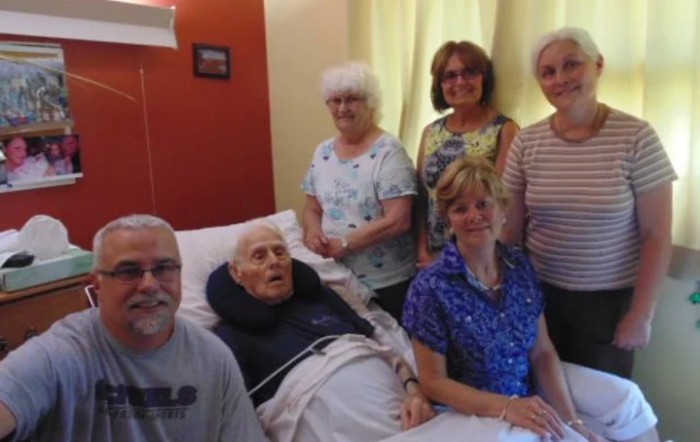
The strongest positives at Oakbrook are uncompromising on-the-ground care and morale. Residents benefit from an exceptionally warm, active environment, with the activity director singled out as professional, patient, and communicative, qualities that translate into better mood, engagement, and routine for the people living there. The staff’s daily presence, nurses described as decent, aides who show up consistently, and ancillary professionals like a hair stylist who lifts spirits, creates a supportive micro-community. The facility’s cleanliness and tidy appearance reinforce a sense of safety and respect for residents, which matters as much as clinical competence in everyday life.
These advantages do not erase the leadership concerns, but they do contextualize them. The day-to-day care you’ll see, rehabilitation programming, social activities, regular contact with a trustworthy activity director, and a generally upbeat, supportive atmosphere, helps offset some risk by delivering reliable, observable quality. Smaller, intimate settings often translate into more personalized attention; Oakbrook seems to capitalize on that. However, the absence of clear, consistently demonstrated governance can erode trust over time, especially if family members must navigate decisions that seem to contradict their wishes. That combination makes it crucial to probe leadership processes before committing.
For families moving forward with Oakbrook, a practical, actionable due-diligence plan is essential. Schedule a formal conversation with the administrator to understand decision-making processes, family-communication protocols, and how care plans are documented and updated. Ask for recent examples of family meetings, how conflicts are resolved, and what safeguards exist to prevent mistaken or conflicting directives. Request a clear chain of communication for emergencies and routine updates, and verify staffing levels, turnover, and the availability of key clinical staff. This due diligence should be paired with a real-time visit to observe how activities are run, how residents interact with staff, and whether the atmosphere matches the expectations set in conversations.
In the end, Oakbrook presents a compelling choice for families prioritizing rehabilitative focus, consistent daily care, and a cheerful, engaging living environment. The strongest cons, leadership concerns and potential misalignment with family wishes, do not negate the visible strengths of frontline care and resident morale, but they are not trivial either. For families who can require transparent governance and proactive, documented family involvement, Oakbrook remains strong on the essentials of daily living and recovery; for those who need unwavering assurances about leadership decisions and family control, it is prudent to explore options with a more explicit governance framework. The right fit hinges on balancing the value placed on daily care quality and activity life against the comfort level with administrative transparency and alignment.
 58 resident community capacity
 Skilled Nursing Facility
 Air-conditioning
 Beauty salon
 Cable or satellite TV
 Computer center
 Dining room
 Fitness room
 Fully furnished
 Gaming room
 Garden
 Housekeeping services
 Kitchenette
 Move-in coordination
 Outdoor space
 Private bathrooms
 Restaurant-style dining
 Small library
 Telephone
 Wellness center
 Wi-Fi/high-speed internet available
 Community operated transportation
 12-16 hour nursing
 24-hour call system
 Activities of daily living assistance
 Assistance with bathing
 Assistance with dressing
 Assistance with transfers
 Diabetes diet
 Medication management
 Mental wellness program
 Special dietary restrictions
 Concierge services
 Planned day trips



 Comprehensive Guide to Qualifying for Home Health Care Services
 Powerful Realities of Elder Abuse and the Most Effective Ways to Report It
 Ten Vital Duties of a Senior Caregiver: A Comprehensive Guide