
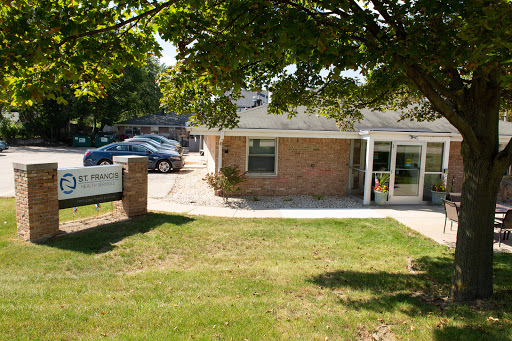



1915 East Tripoli Avenue, Saint Francis, WI 53235
For more information about senior living options: (866) 208-4318
St Francis Health Services Costs & Pricing
St. Francis Health Services presents a distinct pricing structure for its accommodations when compared to both Milwaukee County and the broader state of Wisconsin. For semi-private rooms, St. Francis charges $6,476 per month, significantly higher than the county's average of $4,341 and the state's average of $3,977. Similarly, the cost for private rooms at St. Francis is set at $6,778, which again exceeds both Milwaukee County's rate of $4,513 and Wisconsin's statewide average of $4,339. These figures suggest that while St. Francis Health Services offers specialized care or amenities that may justify the costs, potential residents should carefully consider their options in relation to local pricing trends.
| Floor plans | St Francis Health Services | Milwaukee County | Wisconsin |
|---|---|---|---|
| Semi-Private | $6,476 | $4,341 | $3,977 |
| Private | $6,778 | $4,513 | $4,339 |
Skilled Nursing Facilities with a similar price nearby
-
About the same

Lakewood Transitional Assisted Living and Memory Care
$6,500 to $7,600 / month14.6 miles away -
About the same

Newcastle Place, a CCRC
$6,298 to $8,724 / month19.0 miles away -
from -$1011 / mo

Lutheran Home Adult Day Services
$5,465 to $6,315 / month8.6 miles away -
from -$684 / mo

Dycora Transitional Health - Glendale
$5,792 / month10.2 miles away -
from -$326 / mo

Maple Ridge
$6,150 / month4.1 miles away
Overall Review of St Francis Health Services
Pros
 The staff is incredibly caring, including residents in activities and providing comfort that they are in good hands.
- The caregivers are compassionate, professional, and attentive.
- The rehab team is very attentive and actively supports patients.
- The review notes a high rating (five stars) for the place.
- A reviewer expresses gratitude for the help received.
Cons
 The place is described as horrible, with a complaint filed after a near-death incident due to improper catheter care.
- The nurses are lazy and many do not care to help, often staying at the nurse station for most of their shifts.
- CNAs and housekeepers are scarce, with never enough supplies, diapers, towels, or wash cloths.
- Ann Lopez and Elaine are described as sneaky and as sweeping problems under the rug, prioritizing saving money over patient care.
- Staff do not help patients when they are sick and tell them they are fine.
- The care is mismanaged, with diuretics not resumed after a hospital stay, leading to edema and readmission.
Review
St Francis Health Services in Saint Francis, WI is best suited for families that want a smaller, neighborly setting where family involvement and rehab emphasis are prioritized, and where there is room for vigilant oversight. The community can work for residents who benefit from direct, personal attention and a caregiving culture that some staff demonstrate in practice. It is not a universal fit, however, and those seeking consistently flawless medical oversight, robust staffing on every shift, and modern room amenities should be prepared to look elsewhere.
On the plus side, the strongest through-line in the feedback is genuine, hands-on care from some frontline staff. Several residents or family members highlight caregivers who engage with residents, include families in activities, and make a visible effort to support rehab goals. This engagement matters when a loved one’s days revolve around social connection and structured activity designed to aid recovery. For families comfortable with a smaller community where attentive moments can happen in the open, these episodes of care can be meaningful and reassuring.
Yet the darker notes cannot be ignored. Repeated concerns focus on inconsistent staffing and what amounts to uneven care quality. Reports allege lazy or overwhelmed nurses and CNAs, especially on night shifts, with some staff not consistently available to assist when a resident is sick. When care is uneven, the risk becomes acute: critical lapses that affect safety and outcomes, such as lapses in medication management or delayed response to needs. The troubling claims extend to management and office staff, described by some as opaque or dismissive, with accusations of shifting responsibility and “sweeping issues under the rug.” Those who prioritize steady, predictable medical oversight should weigh these risks carefully.
The clinical missteps cited in multiple accounts are particularly blunt. At least one family recounts a preventable hospitalization triggered by a missed diuretic plan after a hospital stay, resulting in fluid overload and a new hospital admission within hours of discharge. Another account questions the appropriateness of a nebulizer treatment, suggesting potential harm from unnecessary therapy. When such episodes occur, they underscore a structural weakness: the need for reliable protocols, meticulous medication reconciliation, and vigilant discharge planning. If a loved one requires rigorous medical management, these red flags deserve serious consideration.
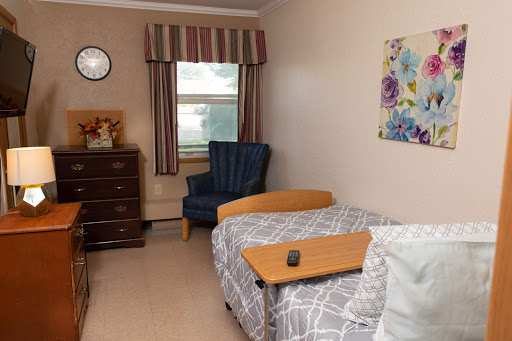
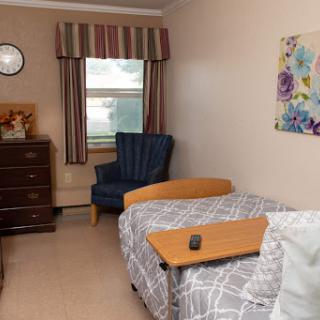
Facilities and daily living conditions amplify the concerns. Rooms are described as small, with no in-room telephones, which complicates communication for residents and families. Supply shortages, diapers, towels, washcloths, point to resource constraints that can degrade daily comfort and dignity. Reported inconsistencies in weekend coverage and the perception that issues get addressed only on weekdays further compound the risk for families who cannot be present around the clock. In short, the environment can feel under-resourced at times, which clashes with the expectations of a safer, more predictable care setting.
For families weighing alternatives, the decision hinges on risk tolerance and the ability to monitor care actively. If a loved one thrives with a close-knit, rehab-focused setting and a family culture that remains engaged, St Francis can deliver meaningful benefits. However, for those requiring unwavering clinical oversight, stable staffing, and environments with larger, more modern amenities, it is prudent to explore other options first. Pros offset some risks when compassionate frontline care is reliably present and rehab remains a clear priority; but when care gaps widen and administrative responsiveness is uneven, the cons quickly outweigh potential rewards.
Practical next steps center on due diligence. Prospective residents and families should request a direct walkthrough of clinical processes, ask to speak with the current nursing leadership, and review the facility’s care plan framework, especially around medication management and discharge planning. Observe night-shift operations, enquire about staff-to-resident ratios on weekends, and demand transparency on supply management and room readiness. Consider a trial period or staged admission that allows concrete evaluation of daily care quality, responsiveness, and safety. In the end, the choice comes down to whether the family can commit to active oversight in a smaller setting that delivers meaningful social and rehab benefits, or whether a more consistently resourced, larger-capacity community better fits the care continuum needed.
 34 resident community capacity
 Skilled Nursing Facility
 Beauty salon
 Cable or satellite TV
 Dining room
 Fully furnished
 Garden
 Housekeeping services
 Kitchenette
 Move-in coordination
 Outdoor space
 Private
 Restaurant-style dining
 Small library
 Telephone
 Wi-Fi/high-speed internet available
 General Mitchell International (2 miles away)
 24-hour call system
 Activities of daily living assistance
 Assistance with bathing
 Assistance with dressing
 Assistance with transfers
 Diabetes diet
 Medication management
 Mental wellness program
 Special dietary restrictions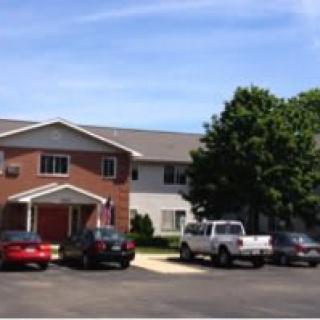





 Exploring the World of Home Health Nurses: Qualifications, Roles, and Hiring Tips
 Navigating Medicare Coverage for In-Home Care Services
 In-Home Care Costs in 2025: A Detailed State-by-State Exploration