1970 Navajo Street, Rhinelander, WI 54501
For more information about senior living options: (866) 208-4318
Overall Review of Rennes Health And Rehab Center - Rhinelander
Pros
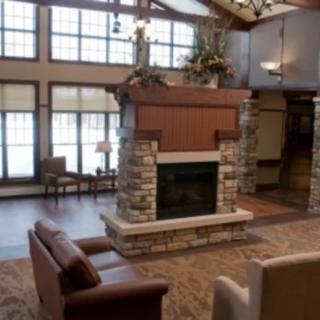
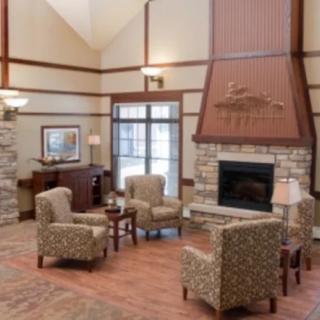
 The facility is beautiful and the staff are nice and caring.
- The staff and residents are friendly and professional, delivering top-notch service and care.
- The place is wonderful, with kind and caring staff.
- The staff are friendly and take great care of the residents, and the facility is clean with delicious food and engaging activities.
- The care provided is high quality, and the staff are kind.
- The nurses are kind, compassionate, and always willing to help.
- The kitchen staff go out of their way to accommodate residents' dietary needs.
Cons
 Grandma Kate has not had a shower in eight days because there is no hot water, which is pretty disgusting.
- The absolute worst part of his stay was the Covid-19 restrictions that prevented family visits.
- After arriving, everything went downhill.
- The mother-in-law's health care needs are not being met, including delays in applying compression socks and limited assistance with movement.
- Staff leave her in bed or in a wheelchair all day, and she has to beg them to help her move.
- The facility denies care to patients with a history of alcoholism.
- Not recommended anymore.
Review
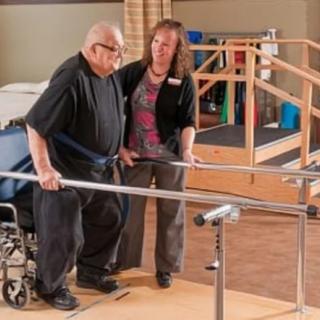
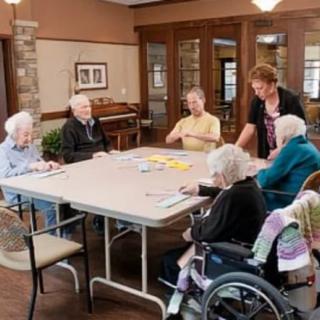
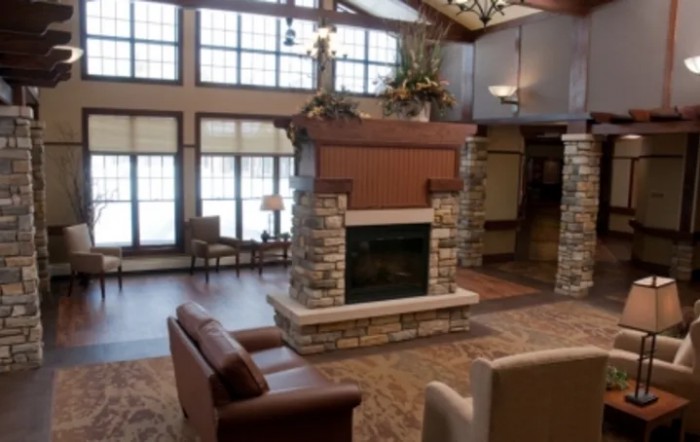
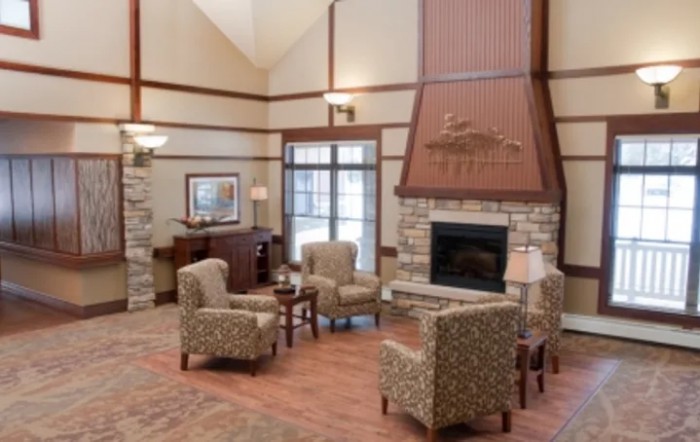
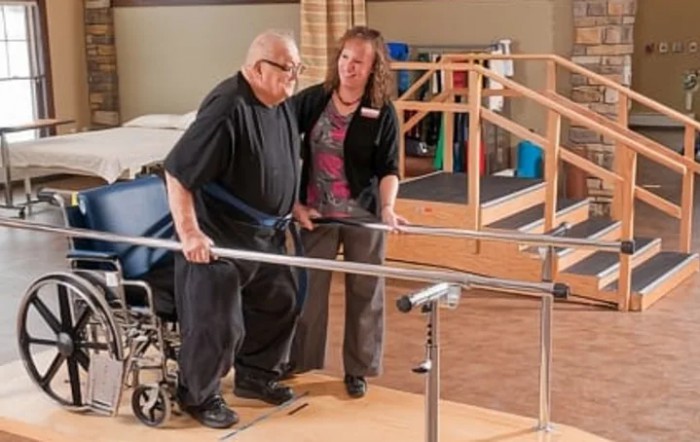
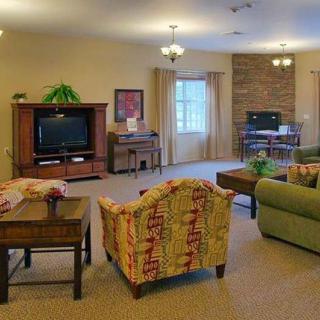
Rennes Health and Rehab Center in Rhinelander is best suited for families seeking a rehab-focused stay in a setting that feels like a home more than a clinical facility. The reviews consistently point to a warm, people-centered environment where residents are treated with care, and where therapy teams and nursing staff are accessible and engaged. For short-term recovery after surgery or an acute health event, Rennes presents as a solid option: the building and grounds are described as welcoming, the vibe is personalized, and the staff are praised for friendliness, patience, and genuine effort to accommodate individual needs. In short, this community earns its strongest praise from families who want a recovery-oriented experience where the human element, compassionate aides, attentive nurses, and a kitchen that seems to listen to dietary preferences, takes precedence.
What may drive families to consider alternatives are gaps that show up in the longer arc of care. Some reviewers flag variability in everyday reliability, including a notable concern about basic comforts and timely care. A few stories highlight inconsistencies in meeting everyday medical and mobility needs, such as delays in routine tasks or gaps in post-surgical care that can affect healing. The most consequential red flags center on the risk of insufficient attention to ongoing, higher-need care: for example, reports of delayed compression therapy after joint procedures and limited assistance with mobility, which can impede recovery and raise safety concerns. Additionally, there are instances where the living environment, like shared rooms with neighbors who are loud at all hours, has impacted comfort and privacy. A policy-related concern also emerges in one account of a resident being denied care based on a medical history, underscoring the importance of understanding each resident’s eligibility and care plan before committing.
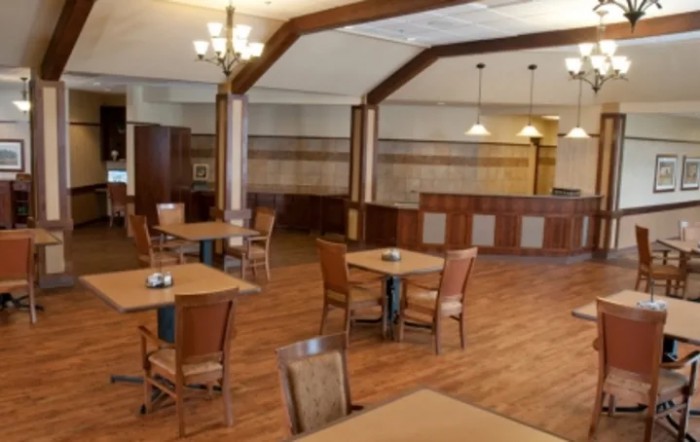
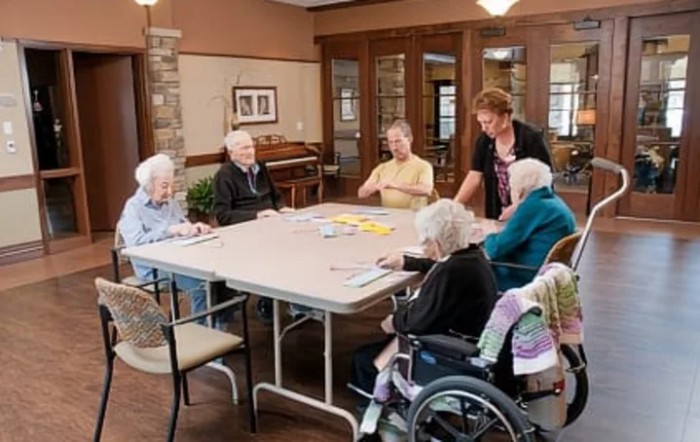
The core advantages at Rennes lie in its people and atmosphere. Families repeatedly praise the compassionate demeanor of frontline staff, CNA Anna is singled out for special recognition, and several accounts credit the nursing team with kindness, attentiveness, and a genuine willingness to help. The care ethos extends beyond clinical tasks to everyday gestures, cleanliness, welcoming common areas, and a kitchen that tries to accommodate dietary preferences. For families navigating rehab, these elements can translate into more consistent progress, higher satisfaction with daily routines, and a perception that the resident is valued as an individual. The pleasant surroundings and the sense of a supportive community also contribute to emotional well-being, which in turn can aid physical recovery.
Yet the drawbacks cannot be dismissed, especially for residents who require steady, comprehensive care over the long term. The most impactful concerns involve consistency and timeliness of care during ongoing rehabilitation or chronic management. When basic tasks or mobility support aren’t delivered promptly, the benefits of a friendly staff and a beautiful building can be undermined, making it harder to sustain progress. The experiences shared by some families also raise questions about how the facility handles complex medical needs and how decisions are communicated, which may influence a family’s comfort level with extended stays. Noise and privacy considerations, while not universal, are tangible enough to affect day-to-day quality of life for some residents.
For families making a move decision, Rennes should be approached as a strong option for rehab-focused care with a heartfelt staff, but with caution for long-term, high-demand needs. Prospective residents pursuing short-term therapy after surgery or illness will likely appreciate the supportive therapists, compassionate aides, and home-like ambiance that many reviewers celebrate. The facility’s strengths in personal attention, clean environment, and engaging activities can offset many concerns when recovery targets are realistic and time-bound. However, those requiring relentless, around-the-clock medical monitoring, or who must rely on timely, preventive care protocols on a day-to-day basis, should compare other options and ask pointed questions about staffing patterns, response times, and the facility’s policy framework before committing.
The bottom line is practical and clear: Rennes Rhinelander delivers a compassionate, recovery-oriented experience in a setting that feels like home, and it flourishes when the goal is rehabilitation with strong human support. It becomes a more strategic choice for families who can tolerate occasional operational gaps and who are prepared to advocate on behalf of consistent care as needs evolve. For longer-term residency or for residents with highly demanding medical requirements, alternatives with a track record of uninterrupted daily care and fewer reliability concerns should be screened in parallel. The decision hinges on balancing the value of a warm, dedicated staff against the reality of variable day-to-day consistency; informed comparisons and direct conversations with the care team will reveal the best fit for the loved one’s specific trajectory.
 95 resident community capacity
 Skilled Nursing Facility
 Air-conditioning
 Beauty salon
 Cable or satellite TV
 Computer center
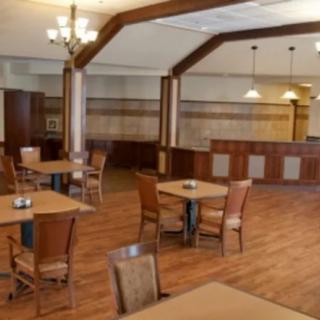
 Dining room
 Fitness room
 Fully furnished
 Gaming room
 Garden
 Housekeeping services
 Kitchenette
 Move-in coordination
 Outdoor space
 Private bathrooms
 Restaurant-style dining
 Small library
 Telephone
 Wellness center
 Wi-Fi/high-speed internet available
 Rhinelander-Oneida County (4 miles away)
 Community operated transportation
 12-16 hour nursing
 24-hour call system
 Activities of daily living assistance
 Assistance with bathing
 Assistance with dressing
 Assistance with transfers
 Diabetes diet
 Medication management
 Mental wellness program
 Special dietary restrictions
 Concierge services
 Planned day trips

 Managing Nursing Home Expenses After Medicare Coverage Ends
 Is a Geriatric Care Manager the Right Choice for Your Family?
 Compassionate Conversations: How to Comfort Someone Who Is Grieving