
1991 Winnebago Drive, Rhinelander, WI 54501
For more information about senior living options: (866) 208-4318
Options Counseling Services Costs & Pricing
When evaluating the costs associated with Options Counseling Services, it becomes clear that they offer a competitive alternative to other local and state options. Specifically, the monthly cost for private room accommodations under Options Counseling Services stands at $3,500, which is notably lower than the average price of $4,080 in Oneida County and even more affordable compared to the state average of $4,339 in Wisconsin. This difference highlights the affordability and potential value that Options Counseling Services provides for individuals seeking support while ensuring they receive attentive care tailored to their needs. Overall, these financial aspects position Options Counseling as a compelling choice within the market.
| Floor plans | Options Counseling Services | Oneida County | Wisconsin |
|---|---|---|---|
| Private | $3,500 | $4,080 | $4,339 |
Assisted Living communities with a similar price nearby
-
from -$300 / mo

Lake Shore Assisted Living Lake Tomahawk
$3,200 to $3,800 / month13.1 miles away
Overall Review of Options Counseling Services
Pros
 Katie Kennedy and Cristin Opall demonstrate exceptional professionalism, treatment, and intuitive insight.
- The office staff are always helpful and respectful.
- The facility is a safe place for care.
Review
Options Counseling Services in Rhinelander, WI is best suited for families seeking highly personalized guidance and care coordination delivered by a small, focused team. The standout value lies in direct access to two dedicated counselors whose professionalism, treatment approach, and intuitive insight create a sense of confidence and clarity for navigating complex care needs. The office staff are consistently described as helpful and respectful, and the overall environment is described as a safe place for care where families can feel secure in securing services. This configuration works particularly well for those who want a hands-on, relationship-driven planning process rather than a large, impersonal agency.
However, there are clear reasons to consider alternatives. One reviewer flags a fundamentally different experience, alleging unprofessional conduct and a coercive dynamic tied to AODA processes and probation/parole. That voice also questions the ethics of treatment in a setting perceived as pressuring clients, and raises concerns about insurance billing practices. For families that prioritize absolute transparency, a strictly evidence-based program with rigorous external oversight, or a model that minimizes perceived leverage or pressure, exploring other options may be prudent. In short, this option can be a strong fit for some, while tolerances for potential ethical ambiguities will vary.
The strongest positives, professionalism, targeted treatment, and the counselors’ intuitive insight, offer real upside when matched with a compatible client profile. When a family needs a trusted advocate to interpret options, align on realistic goals, and accompany them through next steps, these qualities translate into actionable plans and steady progress. A respectful office culture and a safe care atmosphere further bolster engagement and adherence to recommended plans. Yet the benefits hinge on ongoing trust, and that trust can be compromised if the perceived coercive dynamics or billing concerns described by one reviewer prove real in practice.
To make a sound decision, prospective clients should enter with explicit questions about process and governance. Ask how AODA services are structured, the exact roles of parole or probation-related processes, and whether any element of treatment is contingent upon external factors. Request written policies on ethics, consent, and billing, and seek a transparent explanation of insurance filing and reimbursement practices. Clarify expectations for intake, ongoing reviews, and how progress is measured. A strong provider will welcome these inquiries and provide concrete, verifiable answers without defensiveness.
This community is a solid option for families that want a high-touch, counselor-led approach to care navigation and resource access, especially when there is comfort with a small-team dynamic and a reputation for thoughtful, patient engagement. Those who require a more formalized, auditable structure with uniform practices across a larger network, clearer boundaries around coercive tactics, or stricter assurance of insurance integrity may find alternatives more aligned with their standards. The best course is an in-person consultation that surfaces both the strengths and the concerns described in reviews, then weighs them against personal values, budget, and timing.
In sum, Options Counseling Services delivers meaningful strengths in professional guidance, compassionate interaction, and a secure care environment. The decision hinges on tolerance for potential red flags raised by a minority of experiences and the necessity for transparent governance around treatment incentives and billing. For families oriented toward personal connection and proactive planning, this provider can be a decisive ally. For those who prize uniform ethics, unambiguous consent, and unequivocal financial clarity, it will be essential to compare alternatives and demand concrete assurances before committing.
 35 resident community capacity
 Assisted Living
 Beauty salon
 Cable or satellite TV
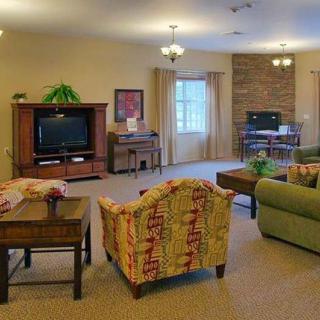
 Dining room
 Fully furnished
 Garden
 Housekeeping services
 Kitchenette
 Move-in coordination
 Outdoor space
 Telephone
 Wi-Fi/high-speed internet available
 Rhinelander-Oneida County (4 miles away)
 24-hour call system
 Activities of daily living assistance
 Assistance with bathing
 Assistance with dressing
 Assistance with transfers
 Diabetes diet
 Meal preparation and service
 Medication management
 Mental wellness program
 Special dietary restrictions
 Transportation arrangement (medical)
 Transportation to doctors appointments



 Is Assisted Living Deductible on Your Taxes? Understanding the Complexities of Assisted Living Expenses and Deductions
 Assisted Living Support for Veterans: A Complete and Detailed Overview
 Exploring the Contrasts Between Assisted Living and Skilled Nursing