
316 Sunset Place, Neillsville, WI 54456
For more information about senior living options: (866) 208-4318
Overall Review of Neillsville Care And Rehab
Pros
 The staff are very good and go above and beyond to be helpful.
- The facility has beautiful flower gardens that residents can enjoy.
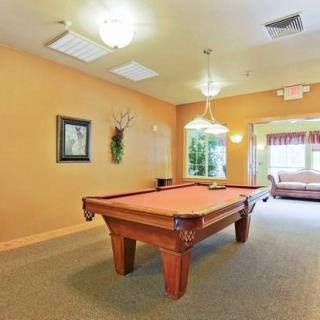
- Residents gather in the morning in the gathering room for coffee and a snack while the local newspaper is read to them.
- Local musicians visit to play music, and residents can participate in bingo and other games.
- The annual cookout with family members is amazing.
- Locals can stay in their hometown and still stay up to date on current events.
- The nurses and other staff are nice and respectful, contributing to a pleasant environment.
Cons
 There is a urine odor in the facility.
- Residents are left in the community room after meals for extended periods.
- Residents have to wait up to 30 minutes after pressing the help button.
- Rooms are small.
- Residents have been found sitting in their own feces or urine.
- Very little information is given to families about residents' health, habits, or behavior.
- A relative has fallen twice in one year with no explanations given.
- A relative is restrained to a wheelchair and has an alarm placed on her person.
Review
Neillsville Care And Rehab is best suited for seniors who prize a warm, community‑oriented setting where staff are genuinely attentive and daily life revolves around social connection. The campus leans into human-scale experiences: flower gardens to stroll, a morning gathering room with coffee and a local newspaper read aloud, and a steady rhythm of live music, bingo, and other games. Residents who want to stay connected to neighbors and local culture will find a familiar, welcoming atmosphere here, and families looking for a place where engagement and personal attention are visible in the daily schedule will feel the impact.
Those who should consider alternatives include families prioritizing pristine cleanliness, predictable safety protocols, and transparent health updates. Reports from some family members describe an odor issue and question whether basic needs are consistently met in a timely, dignified manner. For residents with higher care needs, especially those requiring frequent assistance, strict fall prevention, or detailed, ongoing health reporting, the staffing levels and process transparency may fall short. In such cases, a facility with stronger clinical oversight and more robust communication with families could be a better fit.
The strongest positives center on the care and social fabric. Staff are perceived as helpful and willing to go above and beyond, and the robust activity calendar provides meaningful engagement that combats isolation. The gardens, morning socialings, and community events create tangible touchpoints for residents to socialize, reminisce, and participate in shared experiences. This is not a sterile, activity-light environment; it’s a place where residents can enjoy structured interaction, music, games, and the chance to stay connected with the broader town through local volunteer and community involvement.
Yet serious concerns temper those strengths. A recurring urine odor in common areas and reports of residents waiting long stretches for help call into question cleanliness, supervision, and dignity in daily care. Observations of small rooms, residents sitting in soiled conditions, and delayed responses to basic needs hint at staffing pressures and workflow gaps. Falls without clear explanations, limited information shared with families about health status and changes, and a pattern of inactivity contributing to weight gain all point to gaps in continuous monitoring, mobility encouragement, and proactive care. The price also weighs in, roughly $3,500 per month, making these care quality questions harder to justify for families budgeting long term.
Taken as a package, the community’s social energy and attentiveness offset some everyday frictions for residents who value companionship and a lively local milieu. For those who can tolerate occasional lapses in cleanliness and responsiveness, the experience can still be rich and meaningful, especially with family involvement and active participation in events. The risk calculus shifts, however, for residents who require more consistent, higher-touch supervision, quicker call-bell responses, and clearer, ongoing medical communication. In such cases, the drawbacks, odor, limited room size, and inconsistent daily oversight, are material enough to steer toward facilities with stronger clinical staffing and more transparent operations.
For families deciding today, a practical path is essential. Conduct a focused tour that probes how quickly staff respond to alarms, how care plans are communicated, and how mobility assistance is managed during daily routines. Review any recent state inspection findings related to cleanliness, falls, and staffing turnover, and compare room options, particularly whether larger rooms or private spaces exist. Analyze total costs against anticipated long-term needs, including potential increases in care requirements and the likelihood of needing additional services down the road. If social life, staff warmth, and community engagement are nonnegotiables, and the family can actively monitor care quality, Neillsville Care And Rehab delivers a genuine, well‑rooted sense of belonging. If, instead, tighter supervision, clearer health updates, greater privacy, and stronger odor control are priorities, it is prudent to explore alternatives rather than lock in long-term commitments.
 50 resident community capacity
 Skilled Nursing Facility
 Beauty salon
 Cable or satellite TV
 Dining room
 Fully furnished
 Garden
 Housekeeping services
 Kitchenette
 Move-in coordination
 Outdoor space
 Restaurant-style dining
 Small library
 Telephone
 Wi-Fi/high-speed internet available
 24-hour call system
 Activities of daily living assistance
 Assistance with bathing
 Assistance with dressing
 Assistance with transfers
 Diabetes diet
 Medication management
 Mental wellness program
 Special dietary restrictions

 A Detailed Examination of Nursing Home Costs Across the U.S.
 Exploring Nonmedical Home Care: Understanding Services, Costs, and Financial Approaches
 Engaging Brain Games and Innovative Apps to Keep Senior Minds Active