
2501 Shelby Road, La Crosse, WI 54601
For more information about senior living options: (866) 208-4318
Bethany St Joseph Care Center Costs & Pricing
Bethany St. Joseph Care Center offers competitive pricing for its accommodations when compared to both La Crosse County and the state of Wisconsin. For a semi-private room, the cost is $4,403 per month, which is notably lower than the county average of $4,887 yet higher than the state average of $3,977. In the case of private rooms, Bethany's monthly fee of $5,283 again sits below La Crosse's average of $5,861 while surpassing Wisconsin's average rate of $4,339. For those seeking studio accommodations, the center's rate of $5,723 is slightly above La Crosse County's average of $5,237 but significantly higher than the state's average of $3,999. Overall, Bethany St. Joseph Care Center balances quality care with competitive pricing in a market where costs can vary considerably.
| Floor plans | Bethany St Joseph Care Center | La Crosse County | Wisconsin |
|---|---|---|---|
| Semi-Private | $4,403 | $4,887 | $3,977 |
| Private | $5,283 | $5,861 | $4,339 |
| Studio | $5,723 | $5,237 | $3,999 |
Skilled Nursing Facilities with a similar price nearby
-
from +$397 / mo
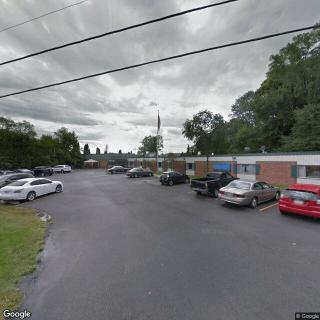
Golden LivingCenter - La Crescent
$4,800 / month6.2 miles away -
from -$408 / mo
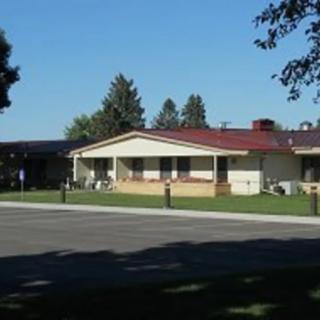
Mulder Health Care Facility
$3,995 to $10,195 / month11.7 miles away
Overall Review of Bethany St Joseph Care Center
Pros
 The staff provide warmth, kindness, and professionalism, easing families’ concerns.
- BSJ meets high standards of care, both personally and professionally.
- The care plans support recovery and show impressive progress.
- The facility is clean, rooms are roomy, and the food is great.
- Communication with providers is timely and thorough.
- Brianna Boehm is exceptionally helpful, patient, and compassionate.
- The memory care team is exemplary, anticipating residents’ needs with cheerful reassurance and providing hope.
Cons
 The institutional food wasn't very good.
- The reviewer felt the facility was merely an institution and not very great.
- There seemed to be not enough staff.
- There was no one at the front desk during regular business hours.
- There were hardly any nurses in the hallways and rooms reeked with odor.
- Staff could do a better job keeping residents' rooms neat and organized.
Review
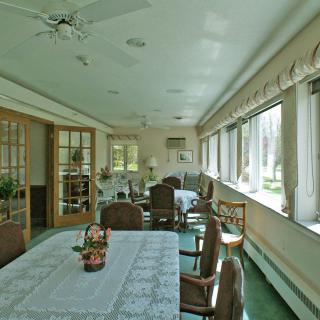
Bethany St. Joseph Care Center in La Crosse, Wisconsin is best suited for families prioritizing robust clinical care in rehab and memory care settings, coupled with dependable communication and a professional, orderly environment. The community demonstrates a settled culture where licensed nurses, physical and occupational therapists, and memory-care specialists coordinate to execute concrete care plans, track progress, and keep families informed. It is particularly strong for residents stepping out of hospital rehab, needing structured therapy, and for those with dementia who require steady supervision, meaningful activity, and reassurance from caregivers. The setting emphasizes cleanliness, roominess, and accessible dining options, which helps maintain dignity and comfort during recovery or long-term care.
However, certain realities make alternatives worth considering for some families. A few reviews point to occasions of under-staffing impressions, front-desk coverage gaps and limited nurse visibility at peak times. A handful of observers describe the environment as institutional rather than homelike, with odor issues in at least one report and room-neatening not always diligent. Food quality also shows variability, from highly praised meals to comments that standard hospital fare remains the norm. Families seeking a single-family residence feel, or hoping for consistently boutique-level dining and intimate staffing, may find other communities align more closely with those preferences.
On the positive side, the staff at BSJ consistently earns high marks for competence and warmth. Family members emphasize the depth of clinical care, nurses who respond promptly, therapists who craft targeted recovery plans, and managers who coordinate across disciplines. Rehab outcomes are a standout story: residents regain function under thoughtful PT/OT oversight, while communication about therapy goals, progress, and any changes is fast and clear. Memory care residents benefit from trained teams that use reassuring and redirecting approaches, meaningful activity programming, and thoughtful engagement strategies, including music-based reminiscence and regular entertainment. Cleanliness, roomy rooms, and versatile dining spaces further reinforce a sense of dignity and independence for residents.
Yet the weaknesses cannot be ignored. A consistent theme across some reviews is concerns about staffing visibility during busy periods, which can translate into occasional delays in routine tasks or assistance. The perceived institutional atmosphere, less coziness, more clinical corridor, may deter families seeking a home-like vibe. Some residents and families reported odor issues and gaps in housekeeping, while others described the dining experience as merely adequate rather than exceptional. While not universal, these concerns are real enough to influence the decision for residents who prize a particularly intimate environment or superior gastronomy.
Despite these caveats, the advantages tend to offset the drawbacks for most intent-focused buyers. The cornerstone is clinical excellence, care plans implemented with rigor, therapists who drive measurable improvement, and a care team that keeps families in the loop. For dementia and memory-care residents, the disciplined routines, redirective techniques, and engaging activities translate into steady daily life and meaningful moments. Cleanliness and room quality reduce the impact of any occasional staffing gaps; a well-run rehab unit and proactive management help recover progress quickly when problems arise. In short, BSJ delivers safer, more predictable care than many peers, particularly for post-acute needs and cognitive care, where outcomes matter most.
For families weighing options, BSJ is a strong fit when the priority is solid clinical performance, clear communication, and a robust activity calendar that supports recovery and cognitive engagement. If a more intimate, homelike setting with uniformly gourmet dining and relentless front-desk coverage is non-negotiable, exploring alternatives is prudent. The recommended next steps are targeted: arrange a tour with a focus on therapy-to-resident ratios, speak with current families about daily routines and response times, review memory-care programming and engagement offerings, and inspect room layouts, housekeeping standards, and dining arrangements. With those checks, the choice becomes clear: BSJ stands out for those who value dependable professional care and measurable progress over boutique atmosphere.
 114 resident community capacity
 Skilled Nursing Facility
 Air-conditioning
 Beauty salon
 Cable or satellite TV
 Computer center
 Dining room
 Fitness room
 Fully furnished
 Gaming room
 Garden
 Housekeeping services
 Kitchenette
 Move-in coordination
 Outdoor space
 Private bathrooms
 Restaurant-style dining
 Small library
 Telephone
 Wellness center
 Wi-Fi/high-speed internet available
 La Crosse Municipal (8 miles away)
 Community operated transportation
 12-16 hour nursing
 24-hour call system
 Activities of daily living assistance
 Assistance with bathing
 Assistance with dressing
 Assistance with transfers
 Diabetes diet
 Medication management
 Mental wellness program
 Special dietary restrictions
 Concierge services
 Planned day trips


 Understanding the Full Cost of 24/7 In-Home Care: A Detailed Overview
 Exploring the World of Home Health Nurses: Qualifications, Roles, and Hiring Tips
 Navigating Medicare Coverage for In-Home Care Services