
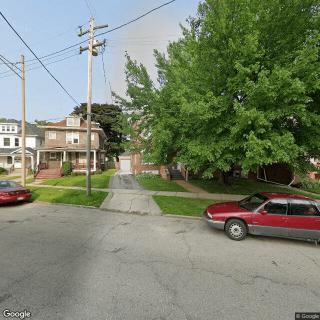
1703 60Th Street, Kenosha, WI 53140
For more information about senior living options: (866) 208-4318
Overall Review of Kenosha Estates Rehab And Care Center
Pros
 The staff are very friendly.
- Don and Adon are great.
- The therapy staff are great.
- Christine, Becky, Beth, Allison, and Julie are praised for their service.
- Some aides go above and beyond what is expected.
- The reviewer would recommend this facility in a heartbeat.
Cons
 The facility should be condemned.
- The tile is coming up on the floor.
- The beds are from the 1970s.
- The meals are produced by the staff and are typically sandwiches.
- A resident was seen distributing juice from a bottle he had been drinking from.
- Overall, the facility is hideous.
- The rehab center prioritizes cost over residents.
- This led to a high fever requiring four days in the hospital.
- The food here is terrible.
- The worst nursing home ever.
- Calls go unanswered.
- The stench upon entering is almost unbearable.
Review
Kenosha Estates Rehab and Care Center is best suited for families facing very limited options who are prepared to exert heavy on-site oversight and accept substantial risk in daily care. The reviews paint a picture in which cost-footing appears to drive decisions more than resident welfare, and where basic safety, hygiene, and reliable care can be inconsistent. This placement is not appropriate for seniors who require dependable nursing attention, clean surroundings, and respectful, timely staff interactions. In practical terms, only those who can sustain rigorous monitoring, advocate fiercely for every need, and escalate problems quickly should consider it, with the clear understanding that ongoing quality is far from guaranteed.
Those weighing alternatives should prioritize facilities with verifiable records of cleanliness, solid staffing, and proven medication safety. The strongest red flags here are hygiene lapses, odors, and reports of beds, walls, and ceilings in disrepair, all of which undermine dignity and safety. Families should not settle for a setting where call lights go unanswered for extended periods, staff rudeness is noted by multiple residents, and the standard of daily living, meals, laundry, and personal care, lacks consistency. Options offering transparent inspection histories, higher staffing ratios, and proactive maintenance deserve serious consideration over this site.
There are a few small positives that emerge in the mixed feedback. Some therapy staff are described as capable and highly engaged, and a handful of aides are noted to perform with care under pressure. A brief nod to a new cook improving meal quality in limited cases also appears, but these positives do not counterbalance the broader pattern of safety and service failures. Overall, reliable rehab progress and daily comfort are not consistently achievable here, even when one or two departments perform well. The practical effect is that any potential gains in therapy or nutrition are overshadowed by pervasive operational concerns.
The most consequential drawbacks are clear and persistent. Reports of inadequate hygiene, including soiled bedding and infrequent attention to personal care, create an environment that feels unsafe and dehumanizing. Alarmingly, there are accounts of preventable medical problems, such as catheter-related infections and hospital visits, that point to lapses in basic clinical protocol. Instances of poor food quality, allegations of staff unresponsiveness to call lights, and occasional aggressive or dismissive staff reactions compound the risk picture. Structural issues, peeling tile, chipped walls, and a general sense of neglect, signal long-term maintenance problems that undermine confidence in both safety and comfort. When a facility blends these issues with rumors of medication errors and serious patient harm, the calculus becomes stark.
To make a prudent decision, families should insist on concrete, verifiable assurances before placement. Request detailed tours that focus on cleanliness, medication administration practices, and response times to call lights. Ask for recent state inspection summaries, staffing ratios by shift, and plans for addressing any cited deficiencies. Seek demonstrations of care routines, including personal hygiene assistance and laundry processes, and require a commitment to timely, transparent communication with families. If earnest improvements are not verifiable, or if the facility cannot sustain a safe, sanitary environment, continue the search and place contingency plans in motion.
In sum, Kenosha Estates Rehab and Care Center represents a high-risk option best avoided for anyone who values consistent safety, dignity, and quality of daily care. For families with strong outside oversight and no alternative options, it may be passable as a temporary solution, but only with strict, ongoing accountability and rapid escalation pathways. The prudent course is to pursue other facilities with cleaner records, stronger staffing, and demonstrable success in delivering compassionate, reliable rehab and long-term care. The decision should favor proactive environments where hygiene, safety, and timely care are non-negotiable rather than aspirational.
 97 resident community capacity
 Skilled Nursing Facility
 Air-conditioning
 Beauty salon
 Cable or satellite TV
 Computer center
 Dining room
 Fitness room
 Fully furnished
 Gaming room
 Garden
 Housekeeping services
 Kitchenette
 Move-in coordination
 Outdoor space
 Private bathrooms
 Restaurant-style dining
 Small library
 Telephone
 Wellness center
 Wi-Fi/high-speed internet available
 Community operated transportation
 12-16 hour nursing
 24-hour call system
 Activities of daily living assistance
 Assistance with bathing
 Assistance with dressing
 Assistance with transfers
 Diabetes diet
 Medication management
 Mental wellness program
 Special dietary restrictions
 Concierge services
 Planned day trips




 9 Stimulating Memory Activities for Seniors: Puzzles, Cards, and Much More
 Managing Nursing Home Expenses After Medicare Coverage Ends
 Is a Geriatric Care Manager the Right Choice for Your Family?