
1834 60 Th Street, Kenosha, WI 53140
For more information about senior living options: (866) 208-4318
Overall Review of Kenosha Care Center III
Pros
 The staff are excellent, very knowledgeable and helpful.
- The place is friendly and takes care of visitors when they need them.
- The place has very caring people, though guests must be willing to do the work.
- It is great for help when someone needs a break.
- All staff are excellent in helping visitors.
Cons
 They ignore patients' medications.
- They push Benadryl and ignore high blood pressure symptoms.
- They are condescending.
- It is the worst place to detox.
- The men who work overnight are shady.
- People should not go there.
Review
Kenosha Care Center III is best suited for families seeking reliable respite or light-support housing for a senior who does not require intensive medical care but benefits from a steady, empathetic staff and straightforward daily assistance. The community tends to attract residents who value friendly, accessible caregivers and a welcoming environment where help is readily available during breaks in caregiving, short-term supervised stays, or transitional periods before broader planning. For seniors who want companionship, reminders for medications, and help with activities of daily living without the burden of acute clinical management, this center can fulfill those practical needs with consistency and warmth.
Alternatives should be considered for anyone who requires rigorous medical oversight or detox services. Several reviews point to medication-management weaknesses, including neglect of meds, pressure to take sedatives like Benadryl, and failing to address hypertension symptoms. That combination creates legitimate safety concerns for anyone with chronic conditions, complex medication schedules, or a need for careful monitoring. Additionally, reported condescension and concerns about overnight staff behavior raise red flags for families prioritizing a consistently respectful environment and reliable around-the-clock security. In short, this is not a facility to rely on for medical stabilization or high-risk care.
On the upside, the strongest asset is the staff. Reviews consistently praise employees as knowledgeable, attentive, and genuinely helpful, with multiple accounts of staff going the extra mile. That perception of competence and care translates into real value for families seeking a trusted point of contact during challenging days, as well as for residents who appreciate a calm, friendly tone and readiness to assist. The ability to provide meaningful support when a break is needed makes this center a practical choice for respite stays, short-term supervision, or lighter-guided routines where safety and personal attention matter most.
Yet the most troubling threads run through the negative feedback. The detox-specific warnings are hard to ignore: the facility is described as inappropriate for detox, with allegations of medication dismissal and inappropriate sedative use. The accusations of disregarding high blood pressure symptoms and a condescending posture toward residents compound risk in conditions that require stable management. Claims about overnight staff integrity and safety concerns further complicate the decision, underscoring that trust and predictable behavior cannot be assumed, even when daily care appears solid.
Despite the bright spots, the pros do not fully offset the main con for families needing reliable medical oversight. The capable, caring staff can make daily life smoother, provide companionship, and support caregivers during short spells, but those strengths cannot compensate for what appears to be gaps in essential medical governance. For residents needing chronic disease management, strict medication reconciliation, or detox supervision, the drawbacks dominate the calculus. In other words, positive interpersonal care helps, but it does not mitigate the risk of medication mismanagement or unsafe practices.
Decision-makers weighing options should approach Kenosha Care Center III with a clear plan. Interview staff about medication protocols, pain and BP monitoring procedures, and how emergencies are escalated. Request recent references from families with residents in similar medical conditions and seek a trial period to evaluate fit without committing long-term. Compare this center to other nearby options that offer stronger medical oversight, transparent medication-management policies, and verified safety assurances. The right choice balances the evident warmth and responsiveness of the team with the assurances that medical needs will be met consistently and safely.
 8 resident community capacity
 Assisted Living
 Board and Care Home
 Memory Care
 Cable or satellite TV
 Dining room
 Fully furnished
 Garden
 Housekeeping services
 Move-in coordination
 Outdoor space
 Telephone
 Wi-Fi/high-speed internet available
 24-hour supervision
 Activities of daily living assistance
 Assistance with bathing
 Assistance with dressing
 Assistance with transfers
 Diabetes diet
 Hospice waiver
 Meal preparation and service
 Medication management
 Mental wellness program
 Special dietary restrictions
 Transportation arrangement (medical)
 Transportation to doctors appointments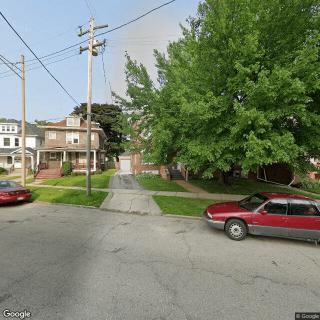




 Comprehensive Guide to VA Nursing Homes: A Crucial Long-Term Care Resource for Veterans
 Estimating the Expenses of At-Home Dementia Care: A Detailed Exploration
 Comprehensive Insights on the Late Stages of Dementia: What to Expect and How to Provide Care