1555 Dousman Street, Green Bay, WI 54303
For more information about senior living options: (866) 208-4318
Overall Review of Grancare Nursing Center
Pros
 Kim at Grancare was fantastic helping us work through an administrative nightmare.
- Kim is a real asset as a person.
- The lead RN Katie is a family favorite.
- The staff was excellent, they're topnotch.
- Grancare has been a blessing for our family.
- The nursing staff and support staff are bar none the best I have seen.
- Angels exist and this is a great collection of them.
- The facility is bright, clean and the staff is very careful and courteous.
Cons
 They describe the CNA program as horrible due to inflexibility with scheduling and constant short staffing.
- They say the RN instructor is rude and rushes trainees, offering little time to study for exams.
- They note an unfair, unprofessional, biased work environment where CNAs and RNs are rude and favor certain neighbors.
- They warn that hard-to-care-for residents or minorities may not receive proper care.
- They report CNA Jessica leaves the property without notice multiple times per shift, and that RNs are lazy and super rude.
- They state RNs refuse to help or act too busy, providing little guidance when asked.
- They consider the facility not a great place to be.
Review
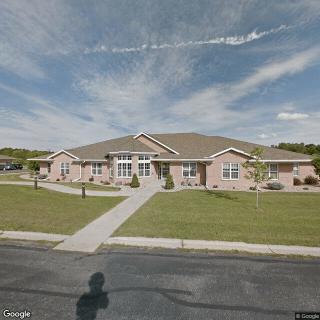
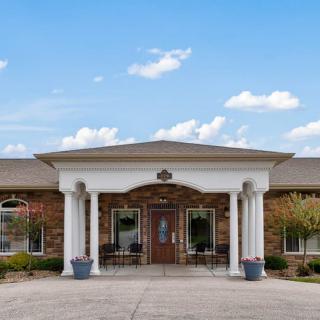
Grancare Nursing Center in Green Bay is best suited for families seeking a rehab-forward option where strong therapy services and attentive nursing care can translate into real functional gains, and where an intimate, home-like setting makes daily living feel manageable. The facility’s appeal lies in its emphasis on rehabilitation: a physical therapy room just down the hall, knowledgeable therapists, and a staff structure that allows for frequent contact with caregivers. Private rooms, clean and welcoming common areas, wide hallways, and wheelchair-friendly layouts support both recovery and independence. For families that plan to stay engaged, visiting often, asking questions, and coordinating care with the team, Grancare offers a practical path to meaningful improvement.
That said, certain families should consider alternatives. Reports within the reviews raise red flags for anyone prioritizing uniformly consistent care and a completely streamlined experience with minimal need for advocacy. Allegations of neglect, bias, and rude behavior from some CNAs and RNs, paired with claims of being short-staffed and rushed, signal a risk that care quality could vary by shift or individual. Those needing a facility with unwavering, predictable service across all residents, or who cannot be present regularly to supervise care, may encounter frustration or gaps. Budget-conscious families or those seeking a more transparent, consistently warm environment without the specter of staffing concerns may find better alignment elsewhere.
The strongest positives at Grancare perfectly align with post-acute recovery goals. Families repeatedly single out the nursing staff’s competence and approachability, with particular appreciation for leads like a key RN who becomes a dependable family touchpoint. The rehabilitation program earns high marks: therapists are described as warm, skilled, and well-equipped, with facilities that support a robust therapy regimen, including equipment and space for progressive exercises. Cleanliness and upkeep are consistently praised, and the building’s design, ample room for mobility, attractive private rooms, and accessible outdoor areas, contributes to a sense of safety and normalcy. For residents with wheelchairs or those needing frequent therapy, these elements translate into real day-to-day practicality and momentum in recovery.
Yet the negatives cannot be dismissed when forming a decision. The most persistent concerns revolve around staff dynamics and consistency: reports of rude or disengaged staff, perceived favoritism toward certain residents, and instances where care appeared uneven or insufficient. Complaints about scheduling and training for CNAs, plus a perception of administrative bottlenecks, underline a broader risk that some residents may experience delays or gaps in basic tasks. Cost is another factor that weighs against the positives for some families; even when the care is strong, the expense can be a barrier, particularly for longer stays or for those comparing options in the same region. These elements collectively temper the otherwise favorable rehab-focused narrative.
Balancing the pros and cons, Grancare can deliver outstanding rehab outcomes and a reassuring sense of oversight when families stay deeply involved and select a scenario with steady staffing and clear communication channels. The rehab and nursing teams can drive meaningful progress, and the facility’s environment supports safety and dignity. However, the potential for uneven care, interpersonal friction among staff, and higher costs means this is not a “set it and forget it” choice. Families must assess tolerance for staffing variability and the level of involvement they are prepared to provide. If the goal is high-quality therapy within a warm, contained setting and active family participation is feasible, Grancare remains a strong contender.
For a final decision, prioritize: the resident’s rehab trajectory, the willingness and ability to engage with the care team daily, and the comfort with financial commitment. If a reliable, consistently friendly care culture and more predictable staff performance across shifts are non-negotiables, alternatives may better meet expectations. If rehabilitation, a bright, clean environment, and a hands-on caregiving approach align with the loved one’s needs and the family’s capacity to participate, Grancare can be an excellent match. Before choosing, arrange focused conversations with the leadership and frontline staff, request to meet the lead RN and therapy team, and tour during varied times to observe interactions and workflow. The right fit will harmonize recovery potential with dependable daily care, reducing stress for both resident and family.
 75 resident community capacity
 Skilled Nursing Facility
 Air-conditioning
 Beauty salon
 Cable or satellite TV
 Computer center
 Dining room
 Fitness room
 Fully furnished
 Gaming room
 Garden
 Housekeeping services
 Kitchenette
 Move-in coordination
 Outdoor space
 Private bathrooms
 Restaurant-style dining
 Small library
 Telephone
 Wellness center
 Wi-Fi/high-speed internet available
 Austin Straubel International (5 miles away)
 Community operated transportation
 12-16 hour nursing
 24-hour call system
 Activities of daily living assistance
 Assistance with bathing
 Assistance with dressing
 Assistance with transfers
 Diabetes diet
 Medication management
 Mental wellness program
 Special dietary restrictions
 Concierge services
 Planned day trips


 Essential Knowledge on Pneumonia in Older Adults
 Exploring Palliative Care in the Home: A Comprehensive Overview
 Comprehensive Insights into Palliative Home Care: What It Is and What to Expect