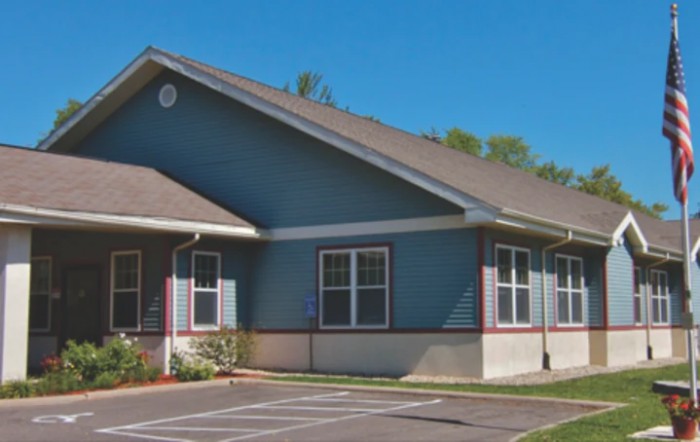








634 Center Street, Black Earth, WI 53515
For more information about senior living options: (866) 208-4318
Overall Review of Heartland Country Village
Pros
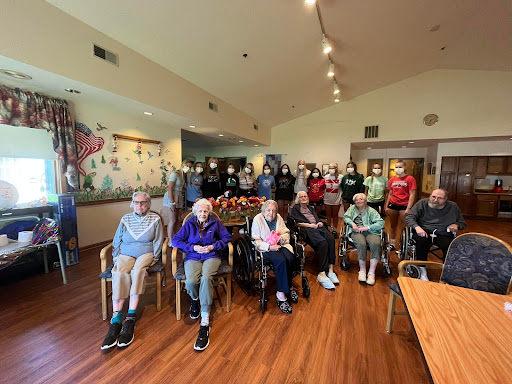
 The center feels like a family and provides personal care.
- The staff are pleasant, helpful, friendly, and patient.
- Therapy is excellent and helps residents go home sooner than expected.
- Care and management are great at their jobs.
- It is a wonderful place with caring staff.
- Residents feel respected and cared for by the staff.
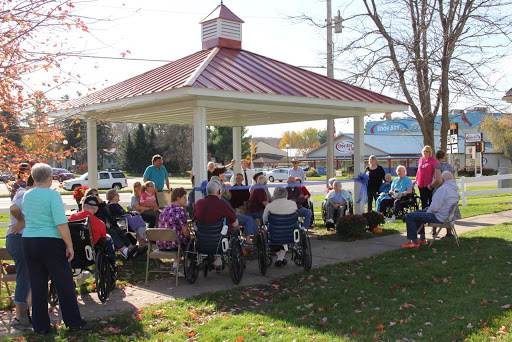
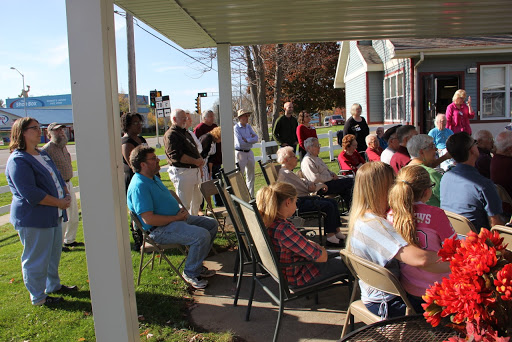
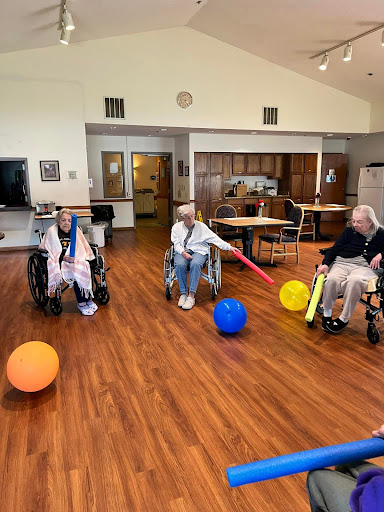
- Activities are engaging with good options, including in-room activities when desired.
- The director of nursing is hands-on, sweet, and makes residents feel important.
- The facility has a small-community, compassionate atmosphere with dedicated nurses and staff.
Cons
 The facility lacked leadership and was overworked and understaffed.
- The care led to the resident's decline, and by the time they were returned to the hospital it was too late.
- The reviewer warned that loved ones should not be sent there.
- The environment was described as toxic, high-stress, and abusive.
- Nurse Jennifer yelled and screamed at a resident as if the resident were trash.
- The DON reportedly participated in drama from home while on medical leave.
- Amy made a resident wait an entire eight-hour shift for pain medication.
- Jennifer refused to perform wound evaluations for multiple residents.
- Jillian cursed the new Administrator and was escorted out the door.
Review
Heartland Country Village in Black Earth, WI, is best suited for families seeking a small, home-like nursing and rehabilitation environment where care feels personal, staff know residents by name, and therapy can move a person toward going home. The center’s intimate size creates a family atmosphere that many families value over the anonymity of larger campuses. Residents who respond well to consistent routines, meaningful interaction, and hands-on attention from a stable, involved team will find this community compelling. It is especially well-mitted for rehab-focused stays where the goal is to regain independence quickly, with therapy staff delivering results and an emphasis on staying connected to familiar surroundings.
That said, alternatives should be considered for anyone prioritizing very steady,institution-wide leadership and a consistently robust staffing model. Several reviews surface concerns about leadership stability, nurse coverage, and the reliance on contract staff at times. The past wpis of drama, even allegations of neglect or mistreatment from a critic, underscores the reality that governance and day-to-day staffing can shift. Families facing highly complex medical needs, ongoing wound care, or the expectation of uniform care without significant fluctuation by shift may want to compare longer-standing, larger facilities with more formalized leadership and steadier nurse-to-resident ratios. Weekend programming gaps and wear-and-tear on the facility also deserve attention for those seeking a spotless, resort-like atmosphere.
The strongest positives, exceptional therapy, genuinely friendly staff, and a strong sense of being cared for, tend to offset most ordinary concerns about small-center operations. Therapy programs are described as excellent, with real progress and faster-than-expected paths to home. Staff come across as patient, respectful, and sometimes humorous, creating a morale that translates into daily routines and activities that residents actually participate in. The value of a dedicated administrator or director of nursing who is actively involved becomes clear in practice: leadership that interacts with residents and guides staff on the floor can make the difference between a good week and a truly reassuring stay. When leadership appears present, the small community shines.
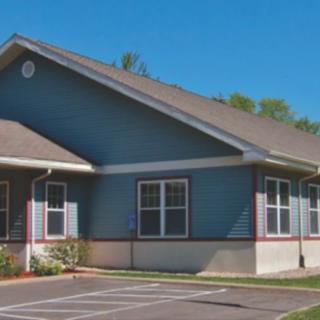
Still, the drawbacks cannot be ignored. A few reviews reference understaffing or turnover, which can translate into delays or variability in care. The building’s wear and tear is mentioned, from carpet needs to general upkeep, and some families feel weekend programming could be more robust. There is also a historical theme in some accounts of disruptive incidents tied to leadership or discipline, which understandably prompts concern for prospective residents and their families. The current picture appears more favorable in the wake of leadership changes noted by residents, but the risk, like many small centers, depends on daily staffing and the temperament of shifts at any given time. Prospective buyers should verify current leadership presence and staffing levels during a visit.
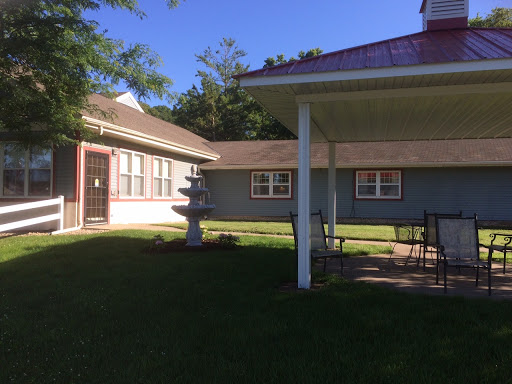
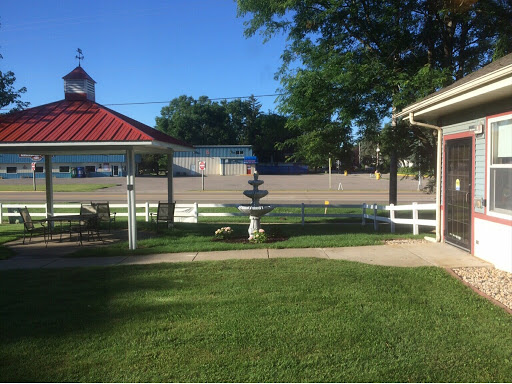
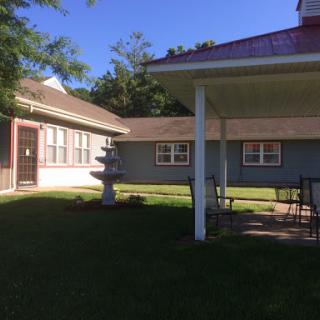
For families navigating a decision, arrange a thorough tour with opportunities to speak directly with the therapy director, the charge nurse, and the activities coordinator. Ask to review current care plans, discharge protocols, and how weekends and evenings are staffed. Inquire about dementia-specific programming if memory care is a factor, and probe how meals are tailored to dietary needs or personal preferences. Examine the facility’s physical condition, safety features, and the yard, which several families note as a value-add. Clarify what is included in monthly costs versus add-ons, and request recent resident satisfaction data. The right choice hinges on current leadership stability, day-to-day staffing, and whether the intimate, rehab-forward vibe aligns with care expectations.
In the end, Heartland Country Village offers a practical, heartfelt option for families prioritizing a small, neighborly setting with proven rehabilitation outcomes and engaged staff. It works best when leadership is consistently present, turnover is minimized, and residents can count on personalized routines that honor their preferences. For those who prize a tight-knit community and strong therapy-to-go-home momentum, this facility is worth hands-on exploration. If conclusive evidence points to steady leadership, robust weekend programming, and durable staffing, the fit is excellent. If not, or if the need is for a higher level of medical governance and uniform daily control, consider alternatives that promise more uniform oversight and broad-scale stability.
 50 resident community capacity
 Skilled Nursing Facility
 Beauty salon
 Cable or satellite TV
 Dining room
 Fully furnished
 Garden
 Housekeeping services
 Kitchenette
 Move-in coordination
 Outdoor space
 Restaurant-style dining
 Small library
 Telephone
 Wi-Fi/high-speed internet available
 Dane County Regional (21 miles away)
 24-hour call system
 Activities of daily living assistance
 Assistance with bathing
 Assistance with dressing
 Assistance with transfers
 Diabetes diet
 High acuity care
 Medication management
 Mental wellness program
 Special dietary restrictions



 Understanding the Nuances of Palliative Care and Hospice: A Comprehensive Exploration
 Fecal Incontinence in Older Adults: A Comprehensive Guide
 Recognizing the Journey: Understanding and Navigating Anticipatory Grief