
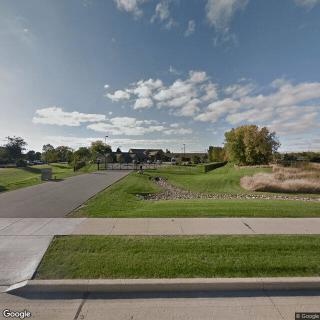
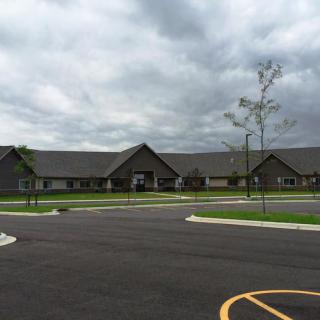
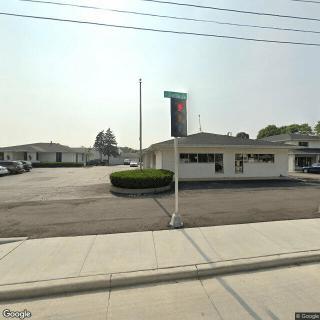
2015 East Enterprise Avenue, Appleton, WI 54913
For more information about senior living options: (866) 208-4318
Overall Review of Recovery Inn - An Eduro Healthcare Community
Pros
 The staff are very friendly and treat guests like family.
- Guests feel comfortable as if at home.
- The food is amazing.
- Grandpa loved it, and the staff were there for all his needs.
- Recovery Inn saved him and his family.
Cons
 None detected in the provided reviews.
Review
Recovery Inn is best suited for seniors who want a post-acute rehab or recovery-focused stay in a warm, home-like environment where staff treat residents like family. Located in Appleton, WI and operating under the Eduro Healthcare umbrella, the community earns strong praise for atmosphere and personal attentiveness. It is particularly well matched to families seeking comfort and a sense of belonging during a recovery phase, where encouragement and everyday routines support participation in therapy and a smoother transition back home.
Those considering alternatives include individuals who require heavy medical oversight around the clock, specialized dementia or memory-care programming, or a long-term nursing arrangement with a broad clinical footprint. If the priority is a hospital-like setting with extensive medical equipment, or a large campus offering a wider range of specialty units, Recovery Inn may not deliver the depth of medical services some needs demand. For such cases, larger skilled nursing facilities or dedicated memory-care communities could be more appropriate.
The strongest positives are crystal clear: staff who come across as genuinely welcoming, a family-like culture that makes residents feel at ease, and a homey ambience that reduces stress and fosters engagement in recovery activities. The dining experience stands out as well, with meals described as excellent and nourishing, contributing to mood, energy, and participation in rehabilitative routines. When residents feel emotionally secure and well fed, motivation to follow through with therapy tends to improve, which can translate into more efficient progress toward discharge goals. In practical terms, these elements often lower the emotional burden on families during a challenging transition.
There are few explicit downsides noted in the available impressions, which itself highlights that the core experience leans heavily on warmth and reliable daily rhythms. However, potential decision-makers should still verify the facility’s clinical depth for individual cases. Questions to bring to a tour include: the precise mix of rehabilitation services offered (physical, occupational, and speech therapies), the level of medical supervision, therapy schedules, and how discharge planning is coordinated with families. The absence of stated limitations in the reviews suggests a favorable baseline, but does not replace direct confirmation of service breadth for specific recovery trajectories.
For families evaluating options, a structured tour is essential. Confirm whether the stay is arranged as short-term post-acute rehab or a longer transitional arrangement, and ask for a clear outline of therapy frequency, staff-to-resident ratios, and daily routines that support recovery. Inquire about dietary accommodations, meal timing, and opportunities for family involvement in care planning, since the home-like atmosphere often hinges on predictable, resident-centered schedules. Request introductions to the care team and, if possible, attendance at an example therapy session to gauge practical alignment with a loved one’s needs. Clarify the cost structure, what is included, and what would incur additional charges.
Overall, Recovery Inn stands out for families seeking a compassionate, homey recovery setting where staff treat residents like family and meals contribute meaningfully to well-being. It is especially compelling for short-term rehabilitative stays where emotional comfort and attentive, personalized care can accelerate progress and ease transitions back toward independence. Those needing intensive clinical oversight, long-term memory care, or highly specialized medical services should consider alternatives with deeper medical depth. In the decision process, Recovery Inn should be prioritized for residents who value culture, warmth, and practical recovery support over breadth of clinical services.
 12 resident community capacity
 Skilled Nursing Facility
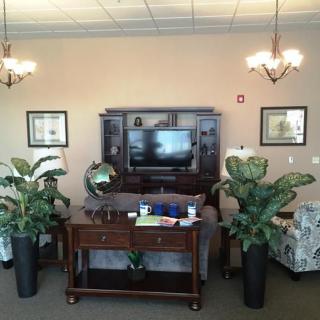
 Cable or satellite TV
 Dining room
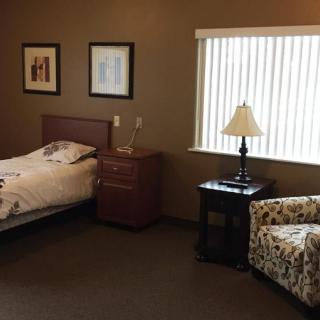
 Fully furnished
 Garden
 Housekeeping services
 Move-in coordination
 Outdoor space
 Telephone
 Wi-Fi/high-speed internet available
 Outagamie County Regional (8 miles away)
 24-hour supervision
 Activities of daily living assistance
 Assistance with bathing
 Assistance with dressing
 Assistance with transfers
 Diabetes diet
 Meal preparation and service
 Medication management
 Special dietary restrictions

 Weight Training for Seniors: Building Strength and Vitality
 Understanding the Sandwich Generation: Stress and Responsibilities for Multigenerational Caregivers
 8 Essential Assistive Devices for Older Adults