Care Partners Assisted Living - Appleton

Save

  • Interior

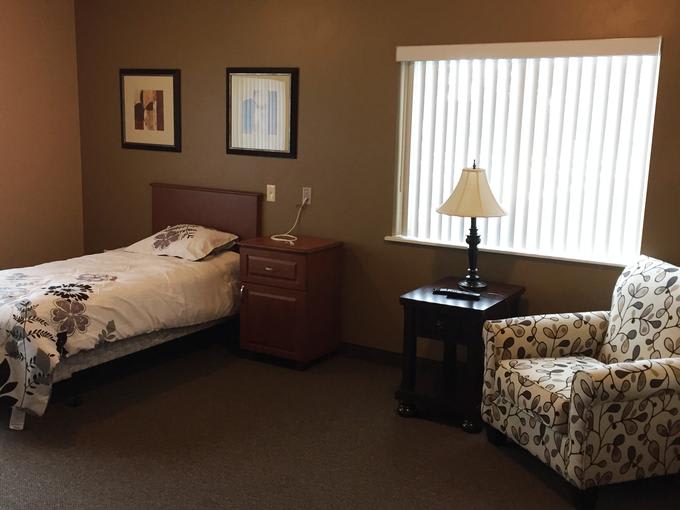
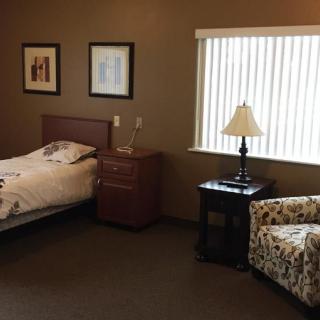
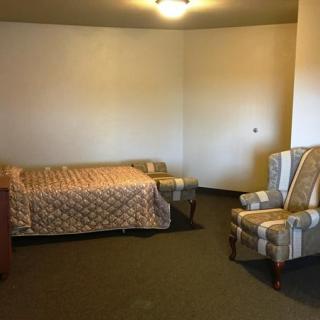
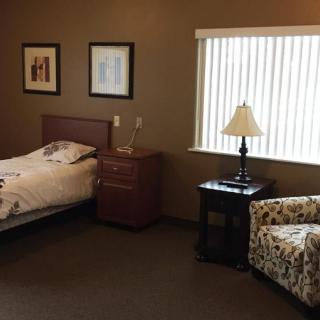
    A cozy and minimalist bedroom with a single bed, armchair, and a lamp by the window.
  • Decor

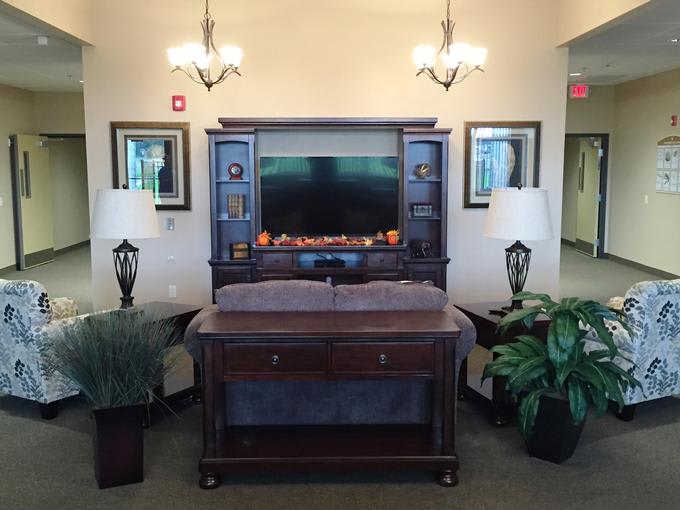
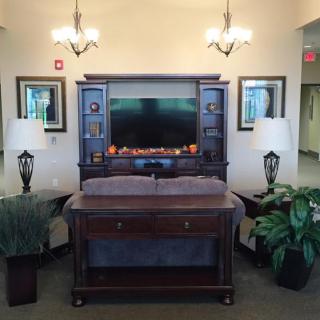
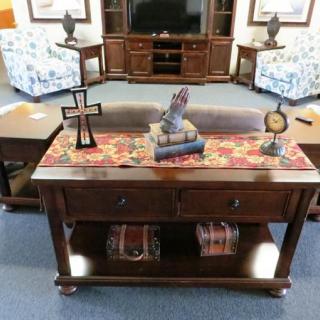
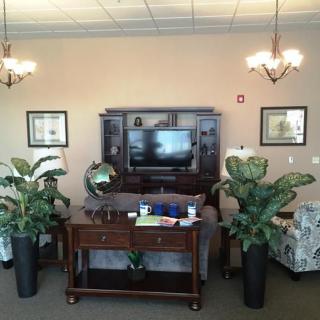
    A cozy living room setup featuring a large wooden entertainment center with a television, flanked by two table lamps and potted plants.
  • Living Room

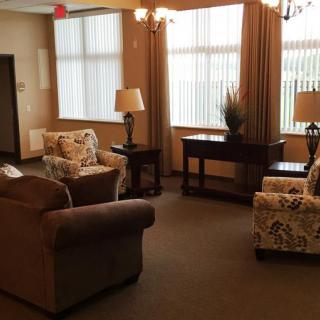
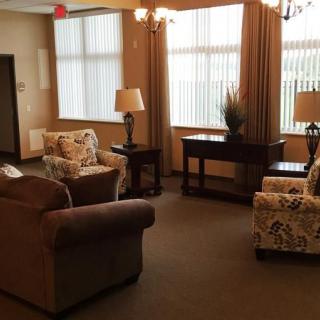
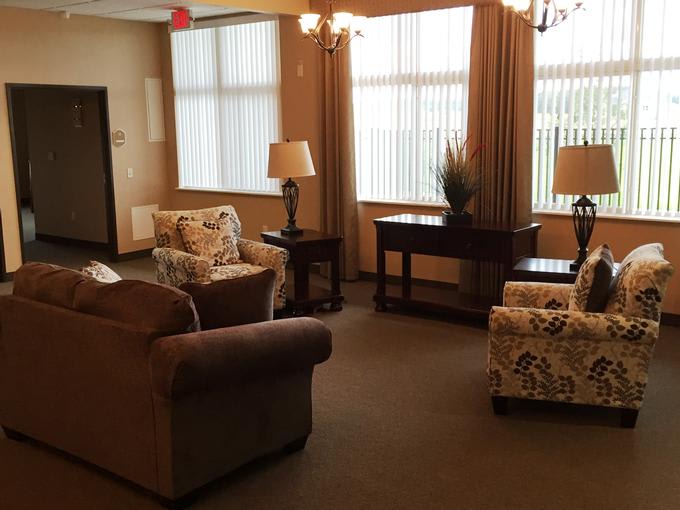
    A cozy living room with upholstered chairs, a sofa, tables, and lamps near large windows.
  • Building

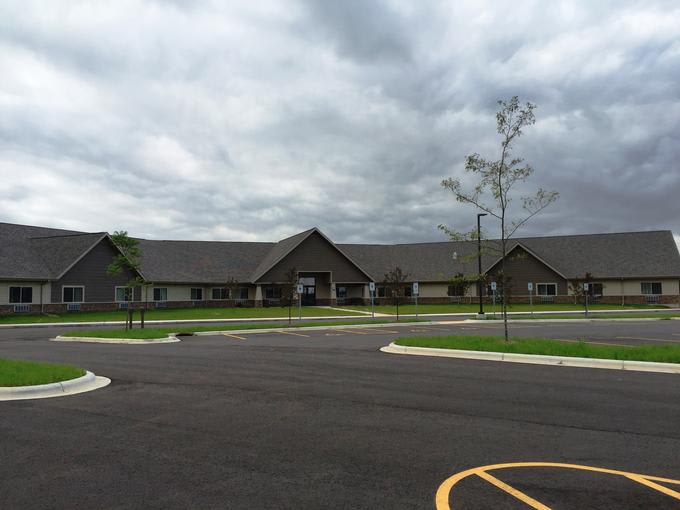
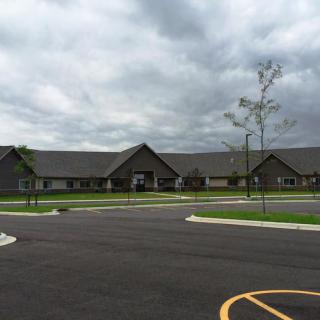
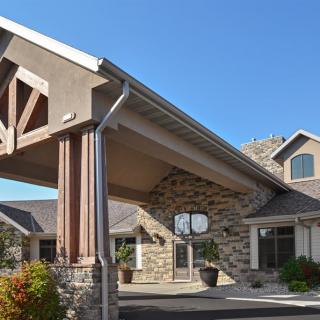
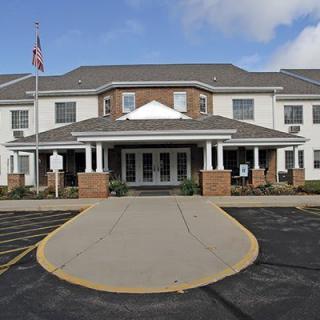
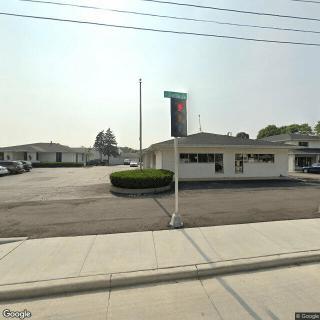
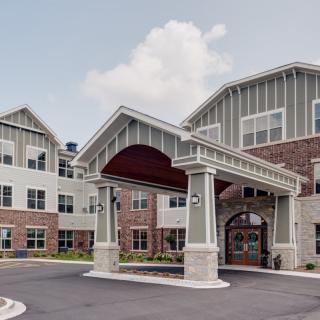
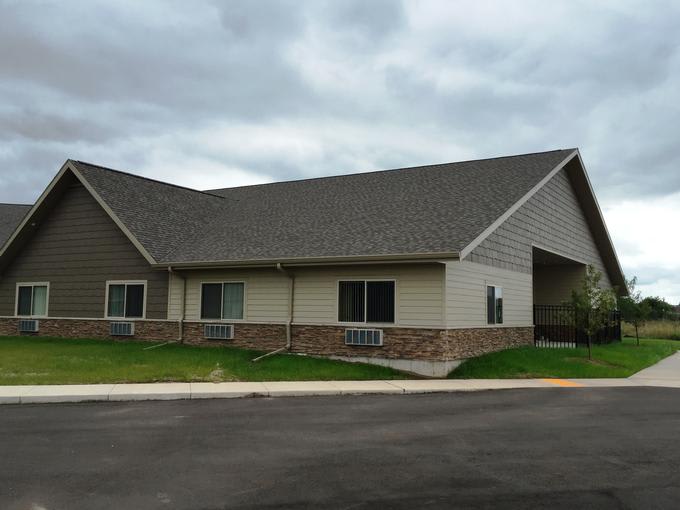
    A large building with a sloped roof surrounded by a parking lot and trees under a cloudy sky.
  • Bedroom

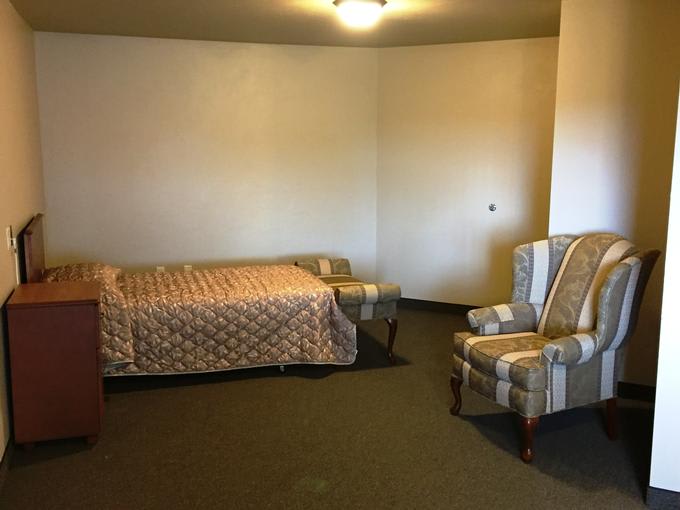
    A minimalist bedroom with a bed and armchair.
  • Windows

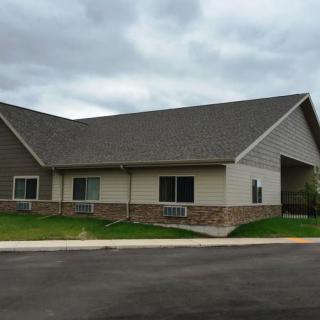
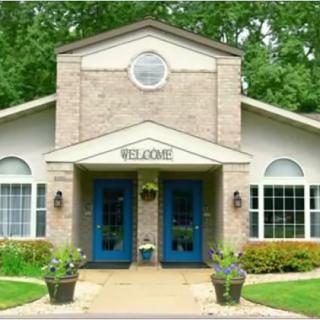
    A residential house with a sloped roof and surrounding lawn.
  • Dining

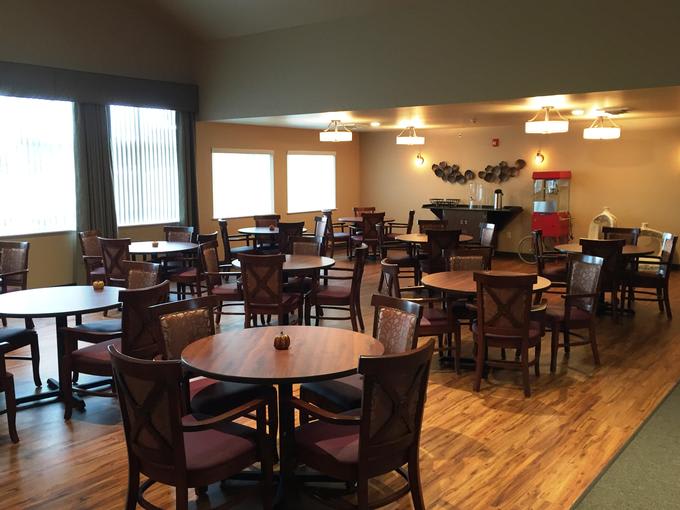
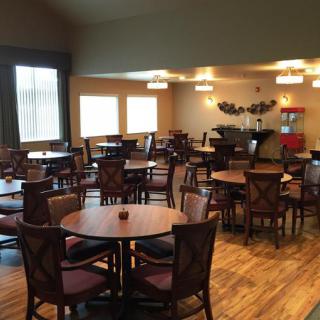
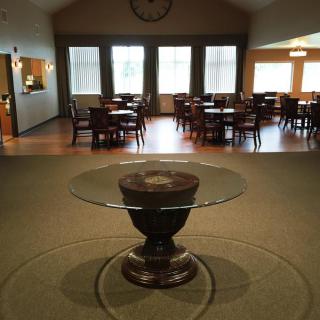
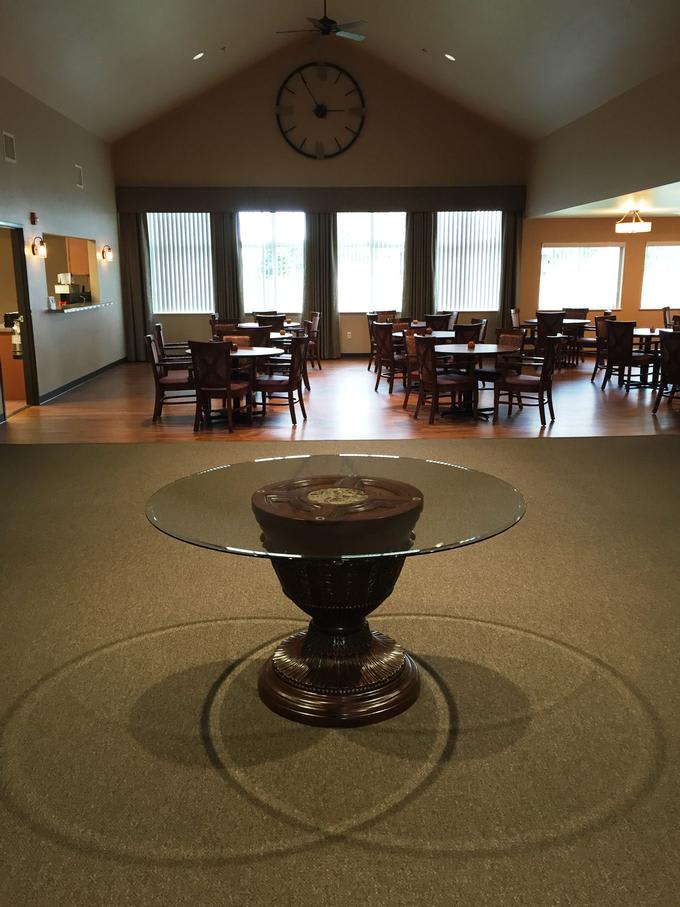
    An empty restaurant dining area with wooden tables and chairs arranged neatly.
  • Artwork

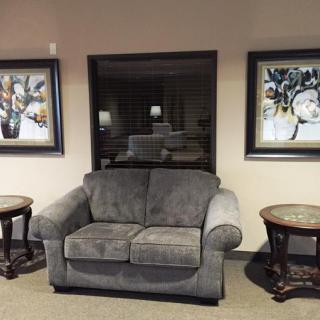
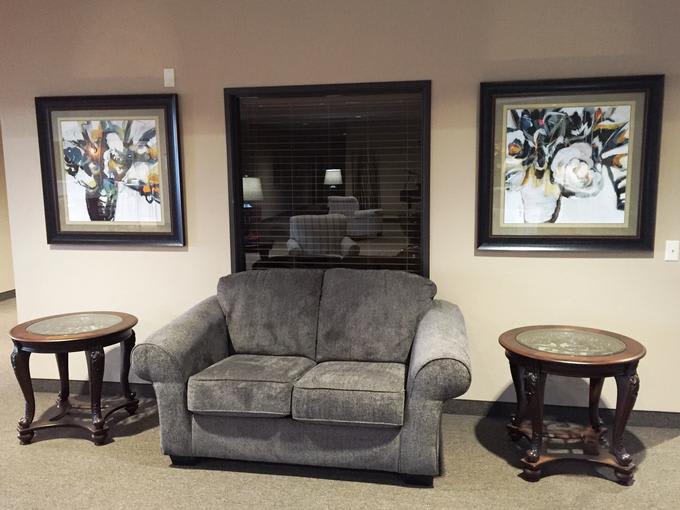
    A cozy living room setup featuring a gray loveseat with two side tables and framed artwork on the wall.
  • Television

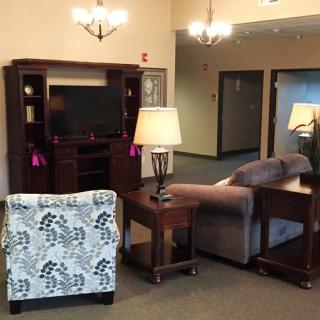
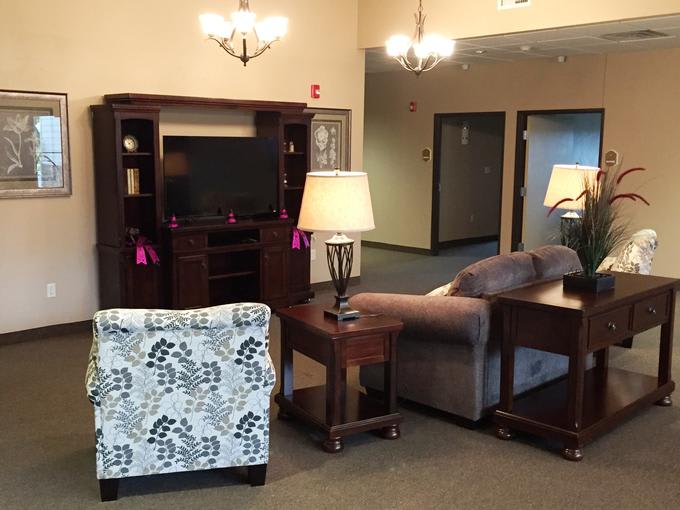
    A cozy living room setup featuring a television on an entertainment center, a sofa, an armchair, and multiple lamps providing warm lighting.
  • Wall Art

    A decorative setup featuring a nature-themed painting above a dark wooden table with a floral arrangement.
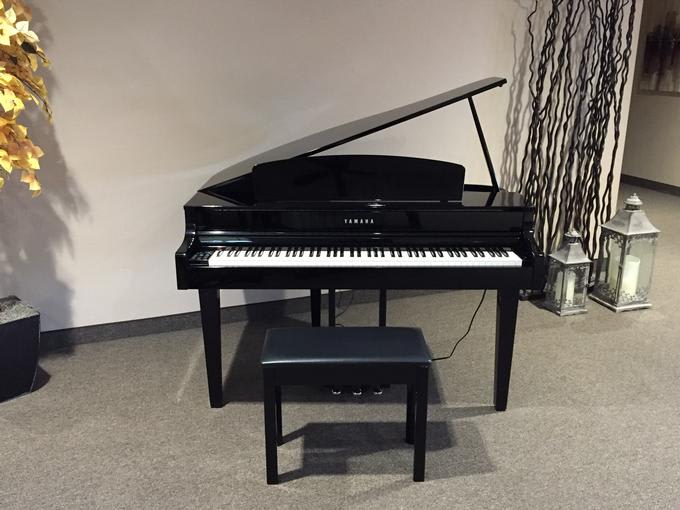
  • Piano

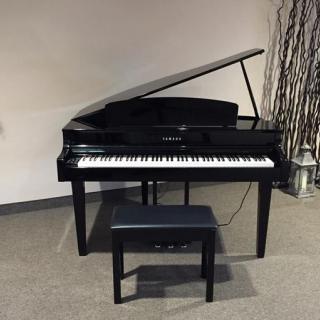
    A sleek black grand piano with a matching bench in a music room.

Care Partners Assisted Living - Appleton

5101 N. French Road, Appleton, WI 54913

For more information about senior living options: (844) 490-3973

2.3 from 32 reviews
5 stars
6
4 stars
4
3 stars
1
2 stars
2
1 stars
19

Assisted Living

Care Partners Assisted Living - Appleton Costs & Pricing

Care Partners Assisted Living in Appleton presents a monthly cost of $5,200 for studio accommodations, which is notably higher than both the average rates in Outagamie County ($4,320) and the broader state of Wisconsin ($3,999). This reflects not only the premium services and personalized care offered at this facility but also its commitment to enhancing residents' quality of life. While the pricing may exceed county and state averages, it suggests that Care Partners prioritizes providing a supportive environment tailored to individual needs. Prospective residents should consider these factors when evaluating their options within the region.

Floor plansCare Partners Assisted Living - AppletonOutagamie CountyWisconsin
Studio$5,200$4,320$3,999

Overall Review of Care Partners Assisted Living - Appleton

Pros

  • pro A resident there is happy.
  • pro The staff there are fantastic and very understanding.
  • pro The facility is highly recommended.
  • pro The new director at the French Road location is highly educated, doing amazing things, and treats residents and staff with respect.
  • pro The new director is absolutely amazing, well organized, and goes above and beyond for the staff and residents.
  • pro The activities, including bingo games and painting projects, are enjoyable.
  • pro The building is beautiful.

Cons

  • pro The staff are lazy and the management is inadequate.
  • pro The facility is unprofessional and disorganized, with gossip and money-driven leadership.
  • pro Residents are left unclean and underfed.
  • pro Phone calls go unanswered, staff are rude and lazy, and there is high turnover with some workers sleeping on shift.
  • pro The director does not care about residents and fails to communicate with families.
  • pro The administrator does not meet standards, with substandard food and misleading insurance practices and long waits to see medical staff.
  • pro The facility is severely understaffed and staff are not trained to care for dementia patients, leaving basic needs unmet.
  • pro There have been thefts of residents' belongings, and there was no adequate response after a resident's death.
  • pro Laundry is neglected and floors, tables, and chairs are dirty; cleaning is inconsistent.

Review

Care Partners Assisted Living in Appleton is best suited for families that prize a spacious, attractive campus with engaging activities and are willing to navigate significant variability in care quality and leadership. When the right director is in place and staff hit a steady rhythm, residents can enjoy social programming, friendly interactions, and a sense of liveliness that keeps daily life from feeling sterile. This community can work for families who are comfortable actively overseeing their loved one's day-to-day needs, reviewing staffing patterns, and insisting on clear, frequent communication with administration.

Those who should consider alternatives are families seeking consistently high-quality care with predictable staffing, flawless daily routines, and rigorous oversight. If a loved one requires dependable dementia care or has complex medical needs, the current pattern of understaffing, turnover, and uneven training raises red flags. Families that demand prompt responses to concerns, reliable housekeeping and nutrition, and strong incident-management will likely find other options that better align with those expectations. In short, this campus can be workable with hands-on family engagement, but not for those who want a hands-off, consistently flawless experience.

The strongest positives show up when leadership stabilizes and staff members demonstrate genuine commitment. The facility's size and design create a welcoming environment, and there are consistently reports of structured activities - bingo, art projects, and group interaction - that provide residents with meaningful social engagement. In at least one location, a director was described as exceptionally organized and attentive to both residents and staff, signaling that effective leadership can profoundly improve day-to-day life. Where supervision is steady, families note that tours, resident interaction, and overall morale can be meaningful and reassuring.

The dominant drawbacks, however, are hard to overlook. Chronic understaffing and high turnover produce gaps in basic care: missed or delayed routine services, cleanliness lapses, and inconsistent supervision of dementia residents. Communication with families can be inconsistent or slow, and firsthand reports describe situations ranging from neglected meals and toileting needs to medication errors and delays in transportation or physician access. Allegations of mismanagement, miscommunication, and even theft surface in several reviews, amplifying family concern about safety and the reliability of daily operations. The contrast between a beautiful building and uneven care creates a decision-making tension that is hard to resolve without substantial changes.

Prospects for meaningful improvement hinge on stable leadership, transparent accountability, and staffing that matches resident needs. The upshot is clear: the facility can deliver social and comfortable living when administration prioritizes staffing, training, and consistent family communication. Yet the weight of the cons - understaffing, inconsistent care, and frequent management shifts - tends to overwhelm the positives for families with higher care demands or tighter safety expectations. This community is not a guarantees-based choice; it is a place where outcomes swing with leadership quality and staff stability.

For families considering Care Partners, approach with a concrete plan: arrange to meet the on-site administrator, request current staffing ratios and shift patterns, and ask for a candid tour during a typical shift. Verify the dementia-specific training and care protocols, insist on regular, documented family updates, and probe incident-reporting practices. If the decision tilts toward trial placement, design a short-term, evaluative stay with clear milestones and a plan for escalation if expectations aren't met. If these conditions cannot be met, or if the risk tolerance is low, alternative communities with steadier leadership and more consistent care deserve priority consideration.

Features

Types of Care

  • Assisted Living Assisted LivingAssisted living facilities provide crucial support and care for seniors who may need help with daily tasks such as medication management, bathing, and meal preparation. These communities offer a safe and comfortable environment where seniors can maintain their independence while receiving the assistance they need to thrive in their golden years.

Amenities

  • Activities off-site Activities off-siteEngaging in off-site activities is crucial for seniors to maintain social connections, stay active, and stimulate their minds. It promotes overall well-being and helps combat feelings of isolation and loneliness.
  • Activities on-site Activities on-siteActivities on-site are important for seniors because they provide opportunities for socialization, mental stimulation, physical activity, and overall well-being. Engaging in activities can help seniors stay active, maintain their independence, and improve their quality of life.
  • Air-conditioning Air-conditioningAir conditioning is important for seniors as they are more vulnerable to heat-related illnesses and may have underlying health conditions that make it difficult for them to regulate their body temperature. It helps to keep them comfortable, safe, and healthy in hot weather.
  • Beautician on-site Beautician on-siteHaving a beautician on-site at a senior living community is important for seniors as it allows them to easily access grooming and personal care services, boosting their self-esteem and overall well-being. It also provides convenience and helps seniors maintain their sense of independence and personal style.
  • Devotional services off-site Devotional services off-siteDevotional services off-site are important for seniors as they provide spiritual nourishment, social engagement, and a sense of community outside of the senior living facility. This can enhance overall well-being and help combat feelings of isolation and loneliness often experienced by older adults.
  • Devotional services on-site Devotional services on-siteDevotional services on-site provide seniors with spiritual support and a sense of community, as well as an opportunity for reflection and guidance during their senior living experience. This can promote emotional well-being and connection to others, leading to a more fulfilling and enriching lifestyle in their later years.
  • Handicap accessible Handicap accessible"Handicap accessible" amenities are crucial for seniors to ensure they can easily navigate and access facilities, services, and activities without barriers or limitations due to physical impairments. This promotes independence, safety, and inclusivity for seniors in senior living communities.
  • Indoor common areas Indoor common areasIndoor common areas are crucial for seniors as they provide a space for socialization, recreation, and community engagement, promoting overall well-being and reducing feelings of isolation and loneliness.
  • Outdoor common areas Outdoor common areasOutdoor common areas are important for seniors as they provide a space for socialization, physical activity, and relaxation. Being outside in nature can improve mood and overall well-being, while also encouraging movement and engagement with others. These spaces can help combat feelings of isolation and promote a sense of community among residents.
  • Respite or short term stays offered Respite or short term stays offeredRespite or short term stays provide seniors with a temporary solution when their regular caregiver is unavailable, offering them the opportunity to receive additional care and support during times of need, while also giving caregivers a chance to rest and recharge.
  • Wheelchair accessible showers Wheelchair accessible showersWheelchair accessible showers are crucial for seniors as they provide a safe and independent bathing option for those with mobility challenges. These showers help prevent falls and allow seniors to maintain their dignity and autonomy while ensuring they can bathe comfortably.

Transportation

  • Outagamie County Regional (9 miles away) Outagamie County Regional (9 miles away)
  • Austin Straubel International (16 miles away) Austin Straubel International (16 miles away)

Care Services

  • Diabetic care Diabetic careDiabetic care is crucial for seniors as they are more susceptible to developing diabetes due to aging and other health conditions. Proper management of diabetes can help prevent complications such as heart disease, vision loss, and nerve damage, improving the overall quality of life for seniors in senior living communities.
  • Incontinence care Incontinence careIncontinence care is essential for seniors to maintain their dignity, hygiene, and overall quality of life. By addressing incontinence issues promptly and effectively, seniors can enjoy a sense of independence and comfort in their daily activities.
  • Medication management Medication managementMedication management is crucial for seniors to ensure they are taking the right medications at the correct dosages and times. This helps prevent adverse drug interactions, reduces the risk of medication errors, and promotes overall health and well-being. Proactive management also allows for adjustments as needed based on changing health conditions or new prescriptions.

Dining

  • Gluten-free Gluten-freeGluten-free options are important for seniors as they are more prone to digestive issues and dietary sensitivities. Offering gluten-free meal choices in senior living communities can help improve their overall health and well-being.
  • Low / no sodium Low / no sodiumLow/no sodium options are important for seniors because excessive sodium intake can lead to high blood pressure, heart disease, and other health issues commonly experienced by older adults. By choosing low/no sodium foods, seniors can better manage their health and reduce their risk of developing these conditions.
  • Meals provided Meals provided"Meals provided" are crucial for seniors in assisted living communities as it ensures they have access to nutritious, balanced meals without the stress of meal planning and preparation. This can help promote overall health and well-being for seniors who may have limited mobility or cognitive abilities.
  • No Sugar No SugarNo sugar diets are important for seniors because they can help prevent or manage chronic conditions such as diabetes, heart disease, and obesity. Sugar can also contribute to cognitive decline and inflammation in the body, so reducing sugar intake can lead to overall improved health and well-being in older adults.

Activities

  • Activities off-site Activities off-siteEngaging in off-site activities is crucial for seniors to maintain social connections, stay active, and stimulate their minds. It promotes overall well-being and helps combat feelings of isolation and loneliness.
  • Activities on-site Activities on-siteActivities on-site are important for seniors because they provide opportunities for socialization, mental stimulation, physical activity, and overall well-being. Engaging in activities can help seniors stay active, maintain their independence, and improve their quality of life.
  • Devotional activities offsite Devotional activities offsiteDevotional activities offsite are important for seniors because they provide social engagement, spiritual growth, and a sense of community outside of their living environment. This can improve overall well-being, mental health, and combat feelings of isolation or loneliness.
  • Devotional activities on-site Devotional activities on-siteDevotional activities on-site provide seniors with a sense of community, spiritual fulfillment, and emotional support, promoting overall well-being and a positive sense of purpose in their lives.

Description

Care Partners Assisted Living - Appleton in Appleton, WI is a vibrant and inclusive community that offers exceptional care and support for seniors. With a range of amenities and services, we strive to create a comfortable and fulfilling environment for all residents.

Our community boasts a variety of on-site activities that cater to different interests and preferences. From engaging indoor activities to access to nearby parks, cafes, restaurants, theaters, and places of worship, there are plenty of options for residents to socialize, explore their passions, and maintain an active lifestyle. We also offer devotional services both on-site and off-site for those seeking spiritual fulfillment.

We prioritize the well-being and comfort of our residents by providing air-conditioned living spaces, including indoor common areas where they can relax or engage in social activities. Our outdoor common areas offer opportunities for fresh air and relaxation amidst beautiful surroundings. Additionally, our facility is fully wheelchair accessible with wheelchair accessible showers, ensuring the safety and convenience of all residents.

Our highly trained staff is dedicated to meeting the individual needs of each resident. We offer specialized care services such as incontinence care and medication management to ensure optimal health and comfort. Furthermore, our dining services provide nutritious meals tailored to specific dietary requirements such as low/no sodium and no sugar options.

At Care Partners Assisted Living - Appleton in Appleton, WI, we prioritize the overall well-being of our residents by combining personalized care with an array of amenities. With proximity to nearby pharmacies, physicians' offices, hospitals, cafes, restaurants, parks, theaters, places of worship, our community provides both convenience and peace of mind for residents and their families.

Nearby Places of Interest

This part of Appleton, Wisconsin, offers a convenient and diverse array of amenities for seniors looking to settle in the area. With multiple pharmacies and physicians' offices located within close proximity, access to medical care and prescription services is readily available. Additionally, there are several places of worship nearby for spiritual enrichment and community engagement. The numerous parks offer opportunities for outdoor recreation and relaxation, while a variety of restaurants and cafes provide options for dining out or enjoying a leisurely meal. In case of emergencies or medical needs, Martha Siekman Cancer Center and Appleton Medical Center are easily accessible. Overall, this area provides a balanced mix of services and attractions that cater to the needs and interests of seniors looking to make Appleton their home.

Pharmacies

  • Shopko Rx Care (1 miles)
  • Omnicare (1.2 miles)
  • Pick 'n Save Pharmacy (2.2 miles)
  • Smith Pharmacy (2.6 miles)
  • Walgreens (2.8 miles)
  • Walgreens (3 miles)
  • Walgreens (3.7 miles)

Physicians

  • Apple Creek Oral Surgery (1.2 miles)
  • Associates In Gastroenterology Sc (1.2 miles)
  • Dermatology Associates of Wisconsin, S.C. (1.2 miles)
  • Forefront Dermatology Appleton, WI (1.2 miles)
  • Peter Katz, MD, FAAD (1.2 miles)
  • Wisconsin Institute of Plastic Surgery (1.2 miles)
  • Henry, Chasity Thedacare Physicians Appleton Pediatrics (1.3 miles)

Places of Worship

  • St Peter's Lutheran Church & School (1.6 miles)
  • Holy Spirit Church (3.2 miles)
  • First United Methodist Church (4.3 miles)
  • St Bernadette (4.4 miles)
  • Immanuel United Church of Christ (4.6 miles)

Parks

  • Plamann Park (1.8 miles)
  • Legion Park (2.6 miles)
  • Doyle Park (3.4 miles)
  • Erb Park (3.5 miles)
  • Heesakker Park (3.8 miles)
  • Riverside Park (4.2 miles)
  • La Follette Park (4.5 miles)

Restaurants

  • Culver's (2.4 miles)
  • Camelot Camelot (3.1 miles)
  • Dairyland Brew Pub (3.3 miles)
  • Scuba's Pourhouse (3.3 miles)
  • Culver's (3.3 miles)
  • Northland Neighborhood Sports Pub (3.4 miles)
  • Anduzzi's Sports Club - Kimberly (3.4 miles)

Cafes

  • Seth's Coffee & Bake Shop (3.1 miles)
  • Starbucks (3.6 miles)
  • Copper Rock Coffee (4.5 miles)

Hospitals

  • Martha Siekman Cancer Center (3.2 miles)
  • Appleton Medical Center (3.2 miles)
  • Icu (3.2 miles)

Theaters

  • Valley Grand Cinema Appleton, Wi (4.1 miles)

Frequently Asked Questions

How much does it cost to live at Care Partners Assisted Living - Appleton in Appleton, WI?
Where is Care Partners Assisted Living - Appleton?
What photos are available for Care Partners Assisted Living - Appleton in Appleton, Wisconsin?

Nearby Communities

  • Care Partners Appleton

    Care Partners Appleton

    Appleton, WI

    2.4 from 27 reviews
     

    pro Intimate 38-bed community with 24/7 supervision, medication management, dementia care programming, and restaurant-style dining.
  • Care Partners Appleton

    Care Partners Appleton

    Appleton, WI


    pro Fully furnished apartments with 24-hour supervision, memory/mental wellness care, medication management, tailored meals, and transportation to medical appointments.

  • Care Partners Memory Care - Appleton

    Care Partners Memory Care - Appleton

    Appleton, WI

    2.6 from 32 reviews
    $4,900 / month

    pro Specialized memory care with engaging activities in a home-like, well-maintained setting.

  • Apple Creek Place

    Apple Creek Place

    Appleton, WI

    3.1 from 44 reviews
    $1,590 to $5,194 / month

    pro Caring staff in a clean, welcoming facility with convenient on-site services and a good location.

  • Grand Horizons I

    Grand Horizons I

    Appleton, WI


    pro Memory-care focused with 24/7 supervision, specialized programming, furnished apartments, and restaurant-style dining.

  • Grand Horizons II

    Grand Horizons II

    Appleton, WI


    pro Specialized memory care with 24/7 supervision.

  • Senior Helpers - Appleton,  WI

    Senior Helpers - Appleton, WI

    Appleton, WI

    4.7 from 32 reviews
     

    pro Caring, skilled caregivers with flexible meal/dining options.

  • Aspire Senior Living - Kimberly

    Aspire Senior Living - Kimberly

    Kimberly, WI

    4.4 from 57 reviews
    $3,095 to $5,895 / month

    pro Caring staff, engaging activities, and a well-maintained, resort-like setting with dementia-friendly care.

  • Country Terrace Appleton

    Country Terrace Appleton

    Appleton, WI

    5 from 1 review
     

    pro Specialized memory care with 24/7 supervision and coordinated healthcare.

Related Resources

  • assisted living vs nursing homeChoosing the Right Senior Care: A Detailed Exploration of Assisted Living and Nursing Homes
    Choosing between assisted living and nursing homes involves evaluating emotional and financial factors, with assisted living offering independence and support for daily activities at a lower cost, while nursing homes provide intensive medical care for individuals with significant health needs. The decision is influenced by personal preferences, health status, cognitive function, and varying Medicaid coverage across states.

  • assisted living costUnderstanding the True Cost of Assisted Living in 2025: A Comprehensive Guide

    Assisted living in 2025 offers a crucial balance of independence and support for seniors, with costs varying from $2,500 to over $7,000 per month based on factors such as location and care level. Understanding pricing complexities, including regional differences and potential hidden fees, is essential for families to plan financially while ensuring quality care for their loved ones.

  • does medicaid pay for assisted livingUnderstanding Medicaid Coverage for Assisted Living: A Comprehensive Guide
    The guide outlines the complexities of Medicaid coverage for assisted living, highlighting significant state-to-state variations, limited coverage often restricted to personal care services, and the existence of specialized waivers for certain needs like memory care. It advises families to consult local Medicaid offices for options while emphasizing the importance of understanding state-specific regulations and facility policies.