Parkersburg Care Center

Save

Parkersburg Care Center

1716 Gihon Road, Parkersburg, WV 26101

For more information about senior living options: (844) 490-3973

4.6 from 30 reviews
5 stars
25
4 stars
2
3 stars
1
2 stars
0
1 stars
2

Skilled Nursing Facility

What level of care are you interested in?

Assisted Living

Memory Care

Independent Living

Skilled Nursing Facility

Continuing Care Retirement Community (CCRC)CCRC

Other


Request a tour at Parkersburg Care Center

    Overall Review of Parkersburg Care Center

    Pros

    • pro Amanda is consistently described as pleasant, helpful, and kind.
    • pro The staff provide compassionate care and go above and beyond to meet residents' needs.
    • pro Families feel safe and reassured by the attentive, professional care.
    • pro The facility is clean, welcoming, and has a home-like atmosphere where staff treat residents like family.
    • pro The administrator is dedicated to residents' well-being and prioritizes their needs.
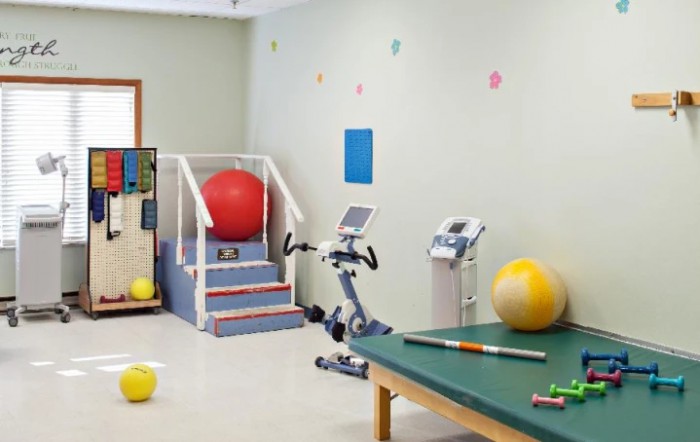
    • pro Residents receive regular therapy and participate in engaging activities that aid recovery.
    • pro Nurses and other staff are hardworking and dedicated, often praised for their care.
    • pro The center is regarded as offering exceptional care compared with other facilities.

    Cons

    • pro One reviewer warned others not to leave their loved ones at this place.
    • pro One reviewer described the administration as lousy.
    • pro One reviewer felt the staff were understaffed.
    • pro One reviewer noted that not everything has been perfect.
    • pro One reviewer stated that the only problem with the facility was the food.
    • pro One reviewer recounted an incident where a mother had to be rushed to the ER due to a full bladder after a catheter was removed.

    Review

    Across multiple firsthand accounts, families describe their experiences with Parkersburg area nursing centers as a mix of heartfelt care, personal attention, and ongoing challenges that come with how hard staff work every day. Taken together, the stories paint a consistent image of facilities where compassionate teams strive to treat residents like family, while also navigating the realities of administration, staffing, and the nuts-and-bolts of daily operations. Several reviewers specifically highlighted meaningful moments where staff went above and beyond, even as others noted small rough edges that come with any large caregiving operation.

    One early account describes a caregiver's mom who arrived in a fragile state, with a cath in place and a risky, painful episode that required urgent ER care because her bladder became uncomfortably full. The reviewer's message is a candid reminder not to leave loved ones in distressing situations. Yet within that same thread, there are glimmers of praise: Amanda was singled out for help with labeling clothing, described as kind and helpful, and the author noted that the place felt caring overall and that their loved one seemed reasonably happy with the care being provided. The message closes with a sincere hope that the team would find ways to make the patient more comfortable as breathing difficulties persisted, underscoring that the family's primary concern remains comfort and safety.

    In another transition, the same family moved from a different facility to Genesis. They observed a striking shift in tone after the move: the new environment looked more appealing, and the staff - "ALL of 'em" - felt genuinely great. The family gave a special nod to Miss Whitacre for her help and time, which helped ease the process of adjustment. The reviewers described therapy and overall care as exceeding expectations, with the sense that safety and compassion were consistently present. They emphasized that every time they walked in, someone was available to answer questions and address concerns, and they expressed deep gratitude for the level of support received.

    A sentiment echoed by several families is that communication and accessibility from staff made a meaningful difference. In one case, the admissions process was described as clear and informative, with Amy, the Admissions Director, and Marissa, the social worker, taking care to explain rights, paperwork, and options in a way that reduced anxiety. The reviewers noted that a nurse - Stephanie - provided helpful, informative guidance about dementia and what to expect, reinforcing trust in the team's expertise. The overall impression was that the facility cared about residents' rights, health trajectories, and family peace of mind, with even the vaccination process presented as accessible and considerate.

    Another family spoke to the broader quality of care and the sense of safety their loved one enjoyed. They credited therapy and daily care with surpassing expectations and described a staff who could always be found ready to address questions and concerns the moment they walked through the door. They thanked the caregivers for their consistent, compassionate approach and affirmed that the staff's dedication allowed them to sleep better at night, confident that their family member's needs were being met with kindness and competency.

    Several reviews centered on the human element - the people behind the care. Families offered warm appreciations for specific staff members, including Kathy and Teresa, who were praised for their constant care and attentiveness to a mother's needs during a challenging stay. Others highlighted the professionalism and kindness of unnamed staff, with statements like "the staff is amazing" extending from nursing to janitorial teams, emphasizing that everyone on the roster contributed to a supportive, respectful environment. The recurring theme is that small acts of attention - from listening patiently to explaining a situation to offering reassurance during a difficult day - were often the difference between stress and comfort for families.

    Several voices celebrated the facility as a good fit for long-term care and rehab. One reviewer, reflecting on nine months of observation across multiple nursing homes, described this center as the best care their relative had received, noting substantial improvements in the resident's condition and an overall sense of well-being. Although they acknowledged that no nursing home is perfect, they found sleep easier and confidence higher knowing their loved one was in a setting that prioritized consistent therapy, meaningful activities, and a caring, capable staff. The administrator, Ms. Ince, was singled out by one reviewer as the person who kept residents' needs at the forefront, reinforcing the impression of a facility that prioritizes people over processes.

    Other testimonials emphasized the sense of home that comes with a smaller, closely knit center. Reviewers described the facility as having a warm, home-like feel in part because of its size and the way the staff work together as a cohesive team. They described administrators who were approachable and responsive, and they highlighted the positive impact of dedicated roles like the activities director, whose programs created tangible, joyful moments - such as an activity that let residents experience the feel of sand between their toes, akin to being at the beach. These anecdotes illustrate how the facility tries to blend robust clinical care with meaningful, enriching activities that foster connection and happiness.

    A recurring note across stories is both praise and realism: families appreciate the high level of care and the personal touch from staff, yet they also acknowledge the realities of healthcare work, including occasional understaffing and a few less-than-perfect aspects like food in one account. Even so, the consensus is that the dedicated team - administrators, admissions, social workers, nurses, and support staff - works tirelessly to meet residents' needs, communicate clearly, and provide a sense of community. The overarching message from these reviews is one of gratitude and trust: that in times of vulnerability and transition, these centers have shown up with compassion, competence, and a genuine commitment to treating residents like family.

    In sum, the narratives converge on a core impression: these facilities are staffed by caring professionals who strive to make each resident's stay safe, dignified, and engaging. Families repeatedly highlighted specific individuals who made a meaningful difference, described environments that feel welcoming and supportive, and expressed relief that their loved ones receive attentive therapy, transparent information, and daily kindness. While challenges exist - administrative hurdles, staffing pressures, and occasional discomforts - the consistent thread is a deep appreciation for a culture of care that places residents and their families at the center of every decision. The message is clear: there are real people behind the care, and their ongoing dedication is what helps families sleep a little easier at night.

    Features

    Housing

    • 21 resident community capacity 21 resident community capacity

    Types of Care

    • Skilled Nursing Facility Skilled Nursing FacilitySkilled Nursing Facilities are crucial for seniors as they provide round-the-clock medical care, rehabilitation services, and assistance with daily activities. These facilities ensure that seniors receive the specialized care they need to maintain their health and well-being as they age.

    Amenities

    • Beauty salon Beauty salonBeauty salons are important for seniors because they provide a space for them to feel pampered, socialize, and maintain their personal grooming and hygiene. Regular visits to a beauty salon can help boost seniors' self-esteem and overall well-being.
    • Cable or satellite TV Cable or satellite TVCable or satellite TV is important for seniors because it provides entertainment, news, and companionship, helping to combat loneliness and boredom. It also offers a wide range of programming options tailored to different interests and preferences.
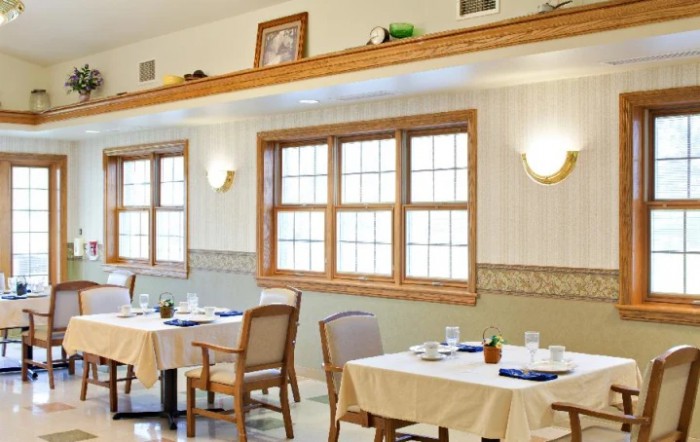
    • Dining room Dining roomDining rooms are important for seniors as they provide a space for socialization, connection, and nutritious meals. They offer opportunities for residents to bond over shared meals, foster a sense of community, and promote healthy eating habits. Dining rooms also ensure that seniors have access to well-balanced meals tailored to their dietary needs and preferences.
    • Fully furnished Fully furnishedFully furnished senior living communities are important for seniors because they provide convenience, comfort, and a hassle-free moving experience. Seniors can easily settle into their new living space without the stress of having to buy and move furniture. This allows them to focus on enjoying their new home and community.
    • Garden GardenGardens are important for seniors as they provide a peaceful and therapeutic environment for relaxation, physical activity, and socialization. Being in nature has been shown to reduce stress, improve mood, and promote overall well-being. Gardens also offer opportunities for seniors to engage in gardening activities, which can improve mobility, flexibility, and cognitive function. Additionally, gardens create a sense of community and connection with others who share a passion for plants and outdoor spaces.
    • Housekeeping services Housekeeping servicesHousekeeping services are important for seniors because they help maintain a clean and safe living environment, promote independence, and reduce the risk of accidents or illnesses. Additionally, having assistance with household chores can alleviate physical strain and allow seniors to focus on other aspects of their well-being.
    • Kitchenette KitchenetteKitchenettes are important for seniors living in senior living communities because they provide the convenience and independence of being able to prepare simple meals and snacks in the comfort of their own living space. This can help promote a sense of autonomy and well-being for seniors, allowing them to maintain some level of control over their dietary choices and daily routines.
    • Move-in coordination Move-in coordinationMove-in coordination is important for seniors because it helps ease the transition into their new living environment. It ensures that all logistics, such as packing, organizing movers, and setting up utilities are taken care of, allowing seniors to focus on settling in and adjusting to their new home. Having a smooth move-in process can alleviate stress and anxiety, making the transition smoother and more enjoyable for seniors.
    • Outdoor space Outdoor spaceOutdoor spaces are important for seniors as they provide opportunities for physical activity, social interaction, exposure to natural light and fresh air, and a sense of connection to nature. Having access to outdoor spaces can improve overall well-being and quality of life for older adults living in senior communities.
    • Telephone TelephoneTelephones are important for seniors as they provide a lifeline for communication with loved ones, emergency services, and healthcare providers. They offer a sense of security and independence, enabling seniors to stay connected and access assistance when needed.
    • Wi-Fi/high-speed internet available Wi-Fi/high-speed internet availableWi-Fi/high-speed internet is important for seniors to stay connected with loved ones, access online resources, and participate in virtual activities to combat feelings of loneliness and isolation. It also allows them to easily manage healthcare needs, access entertainment, and engage in lifelong learning opportunities.

    Care Services

    • 24-hour call system 24-hour call system24-hour call systems are important for seniors because they provide peace of mind and immediate assistance in case of emergencies. This technology ensures that help is always available, promoting safety and security for elderly individuals living alone or in assisted living facilities.
    • 24-hour supervision 24-hour supervision24-hour supervision is important for seniors to ensure their safety, well-being, and access to immediate assistance in case of emergencies or health issues. This constant support provides peace of mind for both seniors and their loved ones, allowing them to age in place with dignity and security.
    • Activities of daily living assistance Activities of daily living assistanceActivities of daily living assistance are important for seniors because they provide essential support with tasks such as eating, bathing, dressing, and mobility. This assistance helps seniors maintain their independence, dignity, and overall quality of life as they age.
    • Assistance with bathing Assistance with bathingAssistance with bathing is crucial for seniors as it helps maintain personal hygiene, prevents infections, and ensures their overall well-being and comfort. It also provides a sense of dignity and independence for seniors who may struggle with this task on their own.
    • Assistance with dressing Assistance with dressingAssistance with dressing is important for seniors because it helps maintain their independence, promotes personal hygiene, prevents accidents and injuries, and improves overall quality of life. This service ensures that seniors can continue to dress comfortably and confidently, despite any physical limitations they may have.
    • Assistance with transfers Assistance with transfersAssistance with transfers is crucial for seniors as it helps prevent falls and injuries, maintains their independence, and ensures they can safely navigate their living environment. It also provides peace of mind for both seniors and their loved ones.
    • Coordination with health care providers Coordination with health care providersCoordination with health care providers is crucial for seniors to ensure proper medical care, medication management, and overall well-being. This collaboration helps prevent overlapping treatments, track progress more effectively, and provide comprehensive support tailored to individual needs.
    • Diabetes diet Diabetes dietA diabetes diet is crucial for seniors as it helps manage blood sugar levels, reduce risks of complications, and improve overall health and well-being. By following a balanced and nutritious diet tailored to their specific needs, seniors can better control their diabetes and enhance their quality of life.
    • Meal preparation and service Meal preparation and serviceMeal preparation and service are crucial for seniors as they may have limited mobility or energy to cook nutritious meals. Having access to healthy and convenient food options can ensure they are getting the proper nutrition needed to maintain their overall health and well-being.
    • Medication management Medication managementMedication management is crucial for seniors to ensure they are taking the right medications at the correct dosages and times. This helps prevent adverse drug interactions, reduces the risk of medication errors, and promotes overall health and well-being. Proactive management also allows for adjustments as needed based on changing health conditions or new prescriptions.
    • Mental wellness program Mental wellness programMental wellness programs are essential for seniors as they promote cognitive stimulation, emotional support, and social engagement. These programs help prevent isolation, depression, and cognitive decline, ultimately enhancing the overall quality of life for older adults.
    • Special dietary restrictions Special dietary restrictionsSpecial dietary restrictions are important for seniors because age-related changes in metabolism and health conditions can make it difficult for their bodies to process certain foods. By following a diet tailored to their specific needs, seniors can maintain their overall health and well-being, manage chronic conditions, and reduce the risk of complications such as malnutrition or food interactions with medications.
    • Transportation arrangement (medical) Transportation arrangement (medical)Transportation arrangements for medical purposes are essential for seniors as they may have difficulty driving themselves to appointments or accessing public transportation. Having reliable and safe transportation options ensures that seniors can receive timely medical care and maintain their health and well-being.
    • Transportation to doctors appointments Transportation to doctors appointmentsTransportation to doctors' appointments is crucial for seniors as it ensures they have access to necessary medical care and support for their health needs. Without reliable transportation, seniors may struggle to attend important appointments, leading to potential delays in treatment and health complications. Providing transportation services helps seniors maintain their overall well-being and quality of life.
    Dining

    • Diabetes diet Diabetes dietA diabetes diet is crucial for seniors as it helps manage blood sugar levels, reduce risks of complications, and improve overall health and well-being. By following a balanced and nutritious diet tailored to their specific needs, seniors can better control their diabetes and enhance their quality of life.
    • Special dietary restrictions Special dietary restrictionsSpecial dietary restrictions are important for seniors because age-related changes in metabolism and health conditions can make it difficult for their bodies to process certain foods. By following a diet tailored to their specific needs, seniors can maintain their overall health and well-being, manage chronic conditions, and reduce the risk of complications such as malnutrition or food interactions with medications.

    Activities

    • Community-sponsored activities Community-sponsored activitiesCommunity-sponsored activities are important for seniors as they provide opportunities for social interaction, mental stimulation, and physical activity. These activities can help improve overall well-being, combat loneliness and isolation, and promote a sense of belonging and purpose among older adults.
    • Scheduled daily activities Scheduled daily activitiesScheduled daily activities are important for seniors because they provide structure, socialization, mental stimulation, and physical activity. Engaging in regular activities can improve overall well-being and quality of life for seniors living in a community setting.

    Description

    The Parkersburg Care Center in Parkersburg, WV is a fully furnished assisted living community that provides exceptional care services and a wide range of amenities to enhance the quality of life for its residents.

    Residents at the Parkersburg Care Center can enjoy the convenience of cable or satellite TV in their rooms, as well as access to a dining room where they can gather with friends and neighbors for meals. The facility also offers housekeeping services to ensure a clean and comfortable living environment.

    For those who enjoy spending time outdoors, the community features a beautiful garden and outdoor space where residents can relax and soak up the sunshine. Wi-Fi/high-speed internet access is available throughout the facility, allowing residents to stay connected with loved ones and pursue their hobbies online.

    The dedicated staff at the Parkersburg Care Center provide 24-hour supervision and assistance with activities of daily living such as bathing, dressing, and transfers. They work closely with health care providers to coordinate medical care for residents and manage medications as needed. The facility also offers a mental wellness program to support emotional well-being.

    Dining options at the Parkersburg Care Center are designed to accommodate special dietary restrictions, ensuring that all residents receive nutritious meals tailored to their individual needs. Meal preparation and service are provided by the staff.

    Residents have access to scheduled daily activities that cater to their interests and preferences, promoting an active and engaging lifestyle within the community. Additionally, nearby amenities include cafes, parks, pharmacies, physicians' offices, restaurants, transportation options (for medical appointments), places of worship, and hospitals - all conveniently located near the facility.

    Overall, the Parkersburg Care Center is an inviting assisted living community that offers comprehensive care services along with various amenities to support residents' comfort, well-being, social engagement, and overall quality of life.

    Nearby Places of Interest

    Pharmacies

    • Cox Family Pharmacy (0.9 miles)
    • Good Neighbor Pharmacy (0.9 miles)
    • Rite Aid (2.8 miles)
    • CVS Pharmacy (3 miles)
    • Fruth Pharmacy (3.3 miles)
    • Cox Family Pharmacy (3.4 miles)
    • CVS Pharmacy (3.5 miles)

    Places of Worship

    • Grace Brethren Church (0.9 miles)
    • Faith Gospel Church (1.2 miles)
    • Broadway Church of the Nazarene (1.6 miles)
    • Epworth United Methodist Church (1.8 miles)
    • Tri City Baptist Church (2 miles)
    • Blennerhassett Church of the Nazarene (2.1 miles)
    • Zion Baptist Church (2.3 miles)

    Restaurants

    • Wendy's (1 miles)
    • Chans diner (1.1 miles)
    • El Mariachi (1.1 miles)
    • Little Caesars Pizza (1.2 miles)
    • Burger King (1.5 miles)
    • Polo Club (2.1 miles)
    • Subway (2.3 miles)

    Physicians

    • MedExpress Urgent Care (1.2 miles)
    • Deblin Margaret WVU Medicine Physician Office Center (1.2 miles)
    • Camden Clark Primary Care (1.2 miles)
    • Westbrook Health Services (1.3 miles)
    • Inman Family Eye Care (1.3 miles)
    • Optometric Physicians (1.7 miles)
    • Dr Frank Schwartz (2.5 miles)

    Parks

    • Fort Boreman Park (2.1 miles)
    • Parkersburg City Park (3.1 miles)
    • Civitan Park (3.3 miles)

    Cafes

    • The Daily Grind (2.4 miles)

    Hospitals

    • Camden Clark Community Comprehensive Cancer Center (2.6 miles)
    • River Valley Medicine & Pediatrics (3.2 miles)
    • William Paul Tomlinson MD (3.4 miles)
    • Physicians Outpatient Surgery Center (3.8 miles)
    • Marietta Memorial Hospital (4.4 miles)
    • Marietta Memorial Hospital - Belpre Medical Campus (4.5 miles)
    • DaVita Belpre Dialysis (4.6 miles)

    Transportation

    • Budget Truck Rental (2.7 miles)
    • U-Haul Neighborhood Dealer (3.6 miles)

    Frequently Asked Questions

    Where is Parkersburg Care Center?
    What photos are available for Parkersburg Care Center in Parkersburg, West Virginia?

    Nearby Communities

    Related Resources

    • private pay home careA Closer Look at Private Pay Home Care

      Private pay home care offers a flexible caregiving option for older adults and families who don't qualify for government programs, allowing them to directly fund in-home care services that range from daily assistance to specialized support. This model's customization potential enables aging in place while addressing financial considerations through strategic planning options, though clients must navigate marketplace challenges and ensure quality compliance.

    • what to do for arthritisComprehensive Approaches for Arthritis: A Detailed Guide to Symptoms, Causes, and Care

      Arthritis encompasses over 100 joint disorders affecting people of all ages, leading to symptoms like pain and stiffness that impair mobility and quality of life. Effective management involves early diagnosis, lifestyle changes, medical treatments, emotional support, and ongoing monitoring with healthcare professionals.

    • elderly fall preventionComprehensive Insights and Practical Strategies to Help Older Adults Avoid Falls


      The article highlights the high risk of falls among older adults due to factors like muscle weakness, vision issues, and environmental hazards, with one in four experiencing a fall annually. It advocates for a comprehensive prevention approach that includes exercise, home safety modifications, medication management, social support, and caregiver involvement.


    Get Pricing Ask A Question Schedule A Tour Contact Senior Advisor