Montgomery General Hospital

Save

  • Building

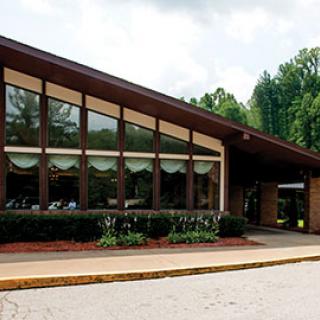
    A view of a brick building, likely a school, featuring large windows and a clear blue sky.
  • Architecture

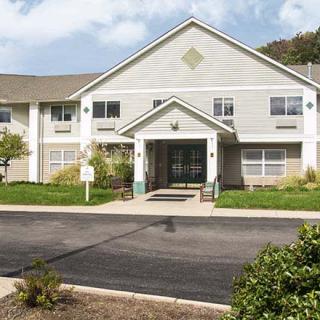
    A hospital building with cars parked in front of the entrance.
  • Trees

    A view of the Montgomery General Hospital parking structure surrounded by trees.
  • Landscaping

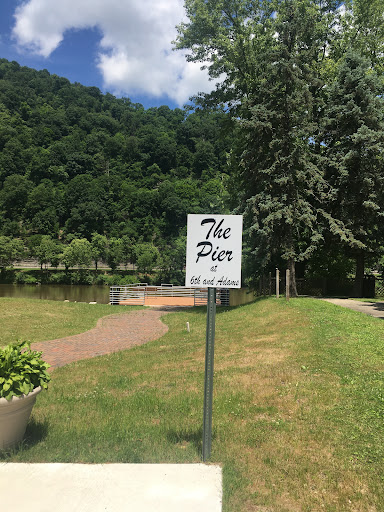
    A serene spot by the water, marked by a sign indicating 'The Pier'.
  • Outdoor

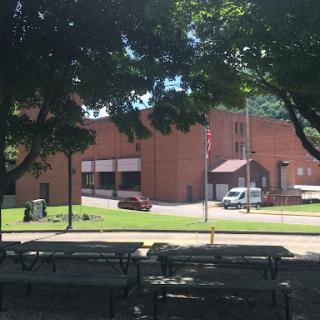
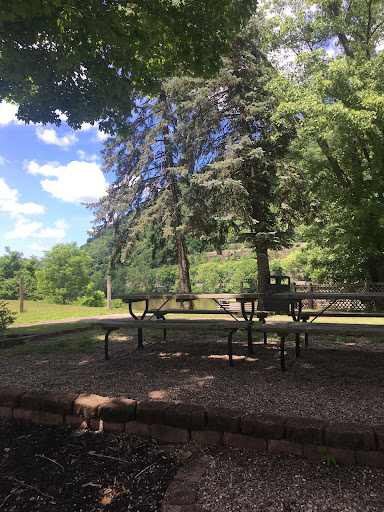
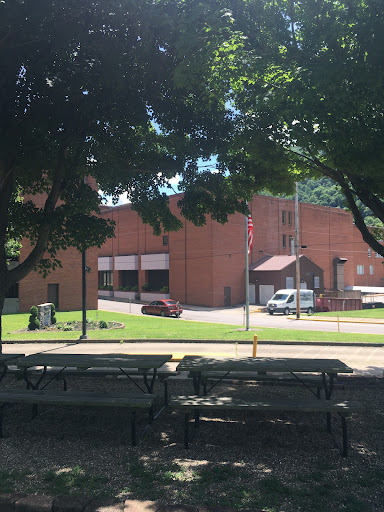
    A view of a brick building surrounded by greenery and picnic tables in a park.
  • Nature

    A serene outdoor park scene featuring benches under a lush tree canopy.
  • Healthcare

    Montgomery Rehab and Nursing sign with contact details and scenic imagery.
  • Urban

    View of Montgomery General Hospital's parking structure amidst a lush green landscape.
  • Road

    A view of a park entrance surrounded by trees and mountains.
  • Elevator

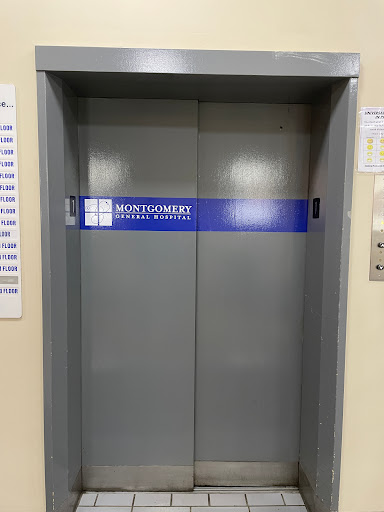
    An elevator door in a building.

Montgomery General Hospital

401 6Th Avenue, Montgomery, WV 25136

For more information about senior living options: (844) 490-3973

3.1 from 60 reviews
5 stars
20
4 stars
11
3 stars
5
2 stars
4
1 stars
20

Skilled Nursing Facility

Overall Review of Montgomery General Hospital

Pros

  • pro Dr Ball is absolutely amazing and takes care of kids with care, understands problems, and treats them promptly.
  • pro Dr Ball is considered the best doctor at Montgomery General ER.
  • pro Montgomery General Hospital provides good medical care and has professional, caring staff who go above and beyond for their patients.
  • pro The ER is attentive, clean, and kind.
  • pro The phlebotomy nurse in training performed very well and was kind.
  • pro The CT technologist was wonderful; the child was comfortable and could see the images of his brain.
  • pro The Montgomery ER staff provided highly satisfactory treatment and are professional.
  • pro The ER is wonderful, and patients receive very good care.

Cons

  • pro The ER has terrible communication between doctors and nurses, with rude staff and a lack of knowledge about patients' health.
  • pro Anita Armstrong is described as the rudest and most unprofessional worker at the ER, who appears to make up her own policies.
  • pro Dr. Cook reportedly disclosed a miscarriage publicly and failed to keep that information private.
  • pro The hospital is accused of bedbug infestation and overall poor hygiene.
  • pro Patients were left waiting outside in the cold rain because staff wouldn't let them sit in the waiting area.
  • pro Billing is criticized as opaque, with patients unable to obtain an itemized bill and staff becoming defensive when questioned.
  • pro There is a perception that the ER lacks consistent professionalism, including rude nurses and uneven care.
  • pro The facility allegedly ignored a man with a head injury and active bleeding, delaying care.

Review

Montgomery General Hospital's emergency department elicits a wide range of experiences from its visitors. Some families and patients sing its praises, highlighting compassionate clinicians and quick, attentive care, while others recount frustrating visits marked by poor communication, inconsistent professionalism, and troubling lapses in safety and hygiene. Taken together, the collection of reviews paints a picture of an ER that can be a lifeline for some and a source of stress for others, depending on who you encounter and when you visit.

Several accounts center on standout individuals who made a real difference. One parent praises Dr. Ball as "absolutely amazing," noting that he has repeatedly cared for their children with prompt attention and a good grasp of the problems at hand. There are other positive memories too: staff who are described as courteous, respectful, and efficient during routine procedures such as pre-operative bloodwork; a phlebotomy nurse in training who performed well and was kind; and a radiology staff member who put a nervous child at ease during a CT scan. In a few cases, families even traveled from outside the immediate area to seek care, expressing gratitude for a top-notch experience they felt was worth the extra travel when the ER staff delivered attentive, thorough treatment.

Yet the stories of care are interspersed with harsher critiques that emphasize inconsistency and gaps in professionalism. Several reviewers note that the level of courtesy, communication, and expertise varies from one staff member to the next. One person describes the hospital as having "some truly professional, caring staff members," but cautions that not all employees maintain that standard. Another review highlights a sense that professionalism isn't universal across departments or shifts, leaving patients unsure of what to expect during a visit.

Communication is a recurrent bone of contention. A number of patients complain about difficulty getting information or updates from the team, especially over the phone. Phrases like "terrible communication between doctors and nurses," "hard to get to answer the phone at night," and "they don't like to do their job" appear in several accounts. In one particularly painful anecdote, a patient recounts miscarrying after an ER visit and notes that private conversations and sensitive news were conveyed in an abrupt, public manner. The sense that privacy and timely updates were not consistently ensured weighs heavily in many negative reviews.

There are also recurring concerns about the overall effectiveness of care and clinical judgment. Some reviewers felt that staff lacked up-to-date knowledge or made decisions that did not fully align with a patient's condition or concerns. One account describes being informed they had a miscarriage with the door left open, a detail that amplified the distress of a grieving family. Others describe feeling that symptoms were dismissed or that patients were released too soon, only to discover that their health had not been adequately evaluated. These experiences contrast sharply with the more positive reports of quick tests, clear explanations, and hands-on reassurance from empathetic clinicians.

The emergency department's pediatric care is a microcosm of the broader divide. Several parents recount positive interactions with pediatric staff, including a clinician who helped their child feel comfortable during a scan or a visit where medical advice was practical and supportive. However, there are unsettling exceptions: a parent who felt that a four-year-old with redness and fever was dismissed and sent home with antibiotics, only to have their concerns validated by a later hospital visit; and a separate parent who felt that a child's head injury did not receive the attention or seriousness it warranted. Some reviews emphasize how families value staff who take time to explain things in age-appropriate ways, while others lament long waits and perceived rushed assessments.

Safety and cleanliness, too, surface as major themes. A particularly alarming review alleges a bedbug infestation and a broader sense of hygiene neglect, describing conditions that would understandably raise concern for any patient. Such a claim stands in stark contrast to other reviews that praise cleanliness, efficient service, and a respectful bedside manner. The variance in these reports underscores a tension between positive patient experiences - where care feels competent and compassionate - and accounts where basic safety and comfort appear compromised.

Several reviewers compare Montgomery General's ER to other facilities, sometimes unfavorably. Some travelers mention that going to a larger or different hospital, such as CAMC or MedExpress, provided a smoother experience or better billing transparency. Others acknowledge that, despite shortcomings, the ER remains a valuable local option for urgent needs, particularly when other hospitals are full or when time is of the essence. The recurring message is that this ER can be a reliable stop for some emergencies, but it is not uniformly dependable across all patients or all times.

Overall, the sentiment about Montgomery General Hospital's ER is mixed but leaning toward cautious optimism. For every story of outstanding care and a comforting, competent clinician, there are parallel accounts of poor communication, inconsistent professionalism, and troubling concerns about safety and privacy. The common thread is that experiences vary widely depending on which staff members are on duty, how quickly tests and updates are provided, and whether the patient's concerns are heard and addressed with clarity and empathy. This juxtaposition of high-quality personal care alongside systemic and interpersonal gaps suggests a complex picture: when the ER shines, it shines brightly, but when it falters, the impact can be significant and distressing for patients and families navigating urgent health concerns.

Features

Housing

  • 44 resident community capacity 44 resident community capacity

Types of Care

  • Skilled Nursing Facility Skilled Nursing FacilitySkilled Nursing Facilities are crucial for seniors as they provide round-the-clock medical care, rehabilitation services, and assistance with daily activities. These facilities ensure that seniors receive the specialized care they need to maintain their health and well-being as they age.

Amenities

  • Beauty salon Beauty salonBeauty salons are important for seniors because they provide a space for them to feel pampered, socialize, and maintain their personal grooming and hygiene. Regular visits to a beauty salon can help boost seniors' self-esteem and overall well-being.
  • Cable or satellite TV Cable or satellite TVCable or satellite TV is important for seniors because it provides entertainment, news, and companionship, helping to combat loneliness and boredom. It also offers a wide range of programming options tailored to different interests and preferences.
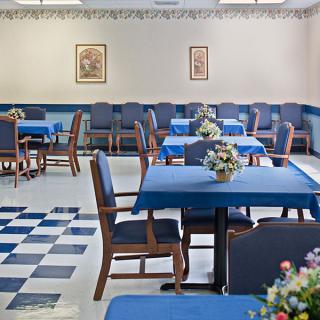
  • Dining room Dining roomDining rooms are important for seniors as they provide a space for socialization, connection, and nutritious meals. They offer opportunities for residents to bond over shared meals, foster a sense of community, and promote healthy eating habits. Dining rooms also ensure that seniors have access to well-balanced meals tailored to their dietary needs and preferences.
  • Fully furnished Fully furnishedFully furnished senior living communities are important for seniors because they provide convenience, comfort, and a hassle-free moving experience. Seniors can easily settle into their new living space without the stress of having to buy and move furniture. This allows them to focus on enjoying their new home and community.
  • Garden GardenGardens are important for seniors as they provide a peaceful and therapeutic environment for relaxation, physical activity, and socialization. Being in nature has been shown to reduce stress, improve mood, and promote overall well-being. Gardens also offer opportunities for seniors to engage in gardening activities, which can improve mobility, flexibility, and cognitive function. Additionally, gardens create a sense of community and connection with others who share a passion for plants and outdoor spaces.
  • Housekeeping services Housekeeping servicesHousekeeping services are important for seniors because they help maintain a clean and safe living environment, promote independence, and reduce the risk of accidents or illnesses. Additionally, having assistance with household chores can alleviate physical strain and allow seniors to focus on other aspects of their well-being.
  • Kitchenette KitchenetteKitchenettes are important for seniors living in senior living communities because they provide the convenience and independence of being able to prepare simple meals and snacks in the comfort of their own living space. This can help promote a sense of autonomy and well-being for seniors, allowing them to maintain some level of control over their dietary choices and daily routines.
  • Move-in coordination Move-in coordinationMove-in coordination is important for seniors because it helps ease the transition into their new living environment. It ensures that all logistics, such as packing, organizing movers, and setting up utilities are taken care of, allowing seniors to focus on settling in and adjusting to their new home. Having a smooth move-in process can alleviate stress and anxiety, making the transition smoother and more enjoyable for seniors.
  • Outdoor space Outdoor spaceOutdoor spaces are important for seniors as they provide opportunities for physical activity, social interaction, exposure to natural light and fresh air, and a sense of connection to nature. Having access to outdoor spaces can improve overall well-being and quality of life for older adults living in senior communities.
  • Restaurant-style dining Restaurant-style diningRestaurant-style dining is important for seniors because it allows them to enjoy delicious, nutritious meals in a social and upscale setting. This enhances their dining experience, promotes healthy eating habits, and fosters socialization with fellow residents, ultimately contributing to their overall well-being and quality of life.
  • Small library Small librarySmall libraries are important for seniors as they provide access to a variety of reading materials, including books, newspapers, and magazines. This can help stimulate their minds, keep them engaged, and provide a sense of community through book clubs and other social activities. Additionally, reading has been shown to improve cognitive function and overall mental well-being in older adults.
  • Telephone TelephoneTelephones are important for seniors as they provide a lifeline for communication with loved ones, emergency services, and healthcare providers. They offer a sense of security and independence, enabling seniors to stay connected and access assistance when needed.
  • Wi-Fi/high-speed internet available Wi-Fi/high-speed internet availableWi-Fi/high-speed internet is important for seniors to stay connected with loved ones, access online resources, and participate in virtual activities to combat feelings of loneliness and isolation. It also allows them to easily manage healthcare needs, access entertainment, and engage in lifelong learning opportunities.

Transportation

  • Yeager (20 miles away) Yeager (20 miles away)

Care Services

  • 24-hour call system 24-hour call system24-hour call systems are important for seniors because they provide peace of mind and immediate assistance in case of emergencies. This technology ensures that help is always available, promoting safety and security for elderly individuals living alone or in assisted living facilities.
  • 24-hour supervision 24-hour supervision24-hour supervision is important for seniors to ensure their safety, well-being, and access to immediate assistance in case of emergencies or health issues. This constant support provides peace of mind for both seniors and their loved ones, allowing them to age in place with dignity and security.
  • Activities of daily living assistance Activities of daily living assistanceActivities of daily living assistance are important for seniors because they provide essential support with tasks such as eating, bathing, dressing, and mobility. This assistance helps seniors maintain their independence, dignity, and overall quality of life as they age.
  • Assistance with bathing Assistance with bathingAssistance with bathing is crucial for seniors as it helps maintain personal hygiene, prevents infections, and ensures their overall well-being and comfort. It also provides a sense of dignity and independence for seniors who may struggle with this task on their own.
  • Assistance with dressing Assistance with dressingAssistance with dressing is important for seniors because it helps maintain their independence, promotes personal hygiene, prevents accidents and injuries, and improves overall quality of life. This service ensures that seniors can continue to dress comfortably and confidently, despite any physical limitations they may have.
  • Assistance with transfers Assistance with transfersAssistance with transfers is crucial for seniors as it helps prevent falls and injuries, maintains their independence, and ensures they can safely navigate their living environment. It also provides peace of mind for both seniors and their loved ones.
  • Diabetes diet Diabetes dietA diabetes diet is crucial for seniors as it helps manage blood sugar levels, reduce risks of complications, and improve overall health and well-being. By following a balanced and nutritious diet tailored to their specific needs, seniors can better control their diabetes and enhance their quality of life.
  • Meal preparation and service Meal preparation and serviceMeal preparation and service are crucial for seniors as they may have limited mobility or energy to cook nutritious meals. Having access to healthy and convenient food options can ensure they are getting the proper nutrition needed to maintain their overall health and well-being.
  • Medication management Medication managementMedication management is crucial for seniors to ensure they are taking the right medications at the correct dosages and times. This helps prevent adverse drug interactions, reduces the risk of medication errors, and promotes overall health and well-being. Proactive management also allows for adjustments as needed based on changing health conditions or new prescriptions.
  • Mental wellness program Mental wellness programMental wellness programs are essential for seniors as they promote cognitive stimulation, emotional support, and social engagement. These programs help prevent isolation, depression, and cognitive decline, ultimately enhancing the overall quality of life for older adults.
  • Special dietary restrictions Special dietary restrictionsSpecial dietary restrictions are important for seniors because age-related changes in metabolism and health conditions can make it difficult for their bodies to process certain foods. By following a diet tailored to their specific needs, seniors can maintain their overall health and well-being, manage chronic conditions, and reduce the risk of complications such as malnutrition or food interactions with medications.

Dining

  • Diabetes diet Diabetes dietA diabetes diet is crucial for seniors as it helps manage blood sugar levels, reduce risks of complications, and improve overall health and well-being. By following a balanced and nutritious diet tailored to their specific needs, seniors can better control their diabetes and enhance their quality of life.
  • Special dietary restrictions Special dietary restrictionsSpecial dietary restrictions are important for seniors because age-related changes in metabolism and health conditions can make it difficult for their bodies to process certain foods. By following a diet tailored to their specific needs, seniors can maintain their overall health and well-being, manage chronic conditions, and reduce the risk of complications such as malnutrition or food interactions with medications.

Activities

  • Community-sponsored activities Community-sponsored activitiesCommunity-sponsored activities are important for seniors as they provide opportunities for social interaction, mental stimulation, and physical activity. These activities can help improve overall well-being, combat loneliness and isolation, and promote a sense of belonging and purpose among older adults.
  • Resident-run activities Resident-run activitiesResident-run activities are important for seniors as they encourage social interaction, creativity, and a sense of autonomy. These activities empower seniors to stay engaged and active in their community while fostering meaningful connections with their peers.
  • Scheduled daily activities Scheduled daily activitiesScheduled daily activities are important for seniors because they provide structure, socialization, mental stimulation, and physical activity. Engaging in regular activities can improve overall well-being and quality of life for seniors living in a community setting.

Description

Montgomery General Hospital in Montgomery, WV offers a comfortable and convenient assisted living community for seniors. Residents will enjoy a range of amenities to enhance their stay, including cable or satellite TV, fully furnished accommodations, a dining room for communal meals, and a kitchenette for personal meal preparation. The community also features beautiful outdoor spaces and gardens for residents to relax and enjoy nature.

Housekeeping services are provided to ensure the comfort and cleanliness of each resident's living space. Move-in coordination is available to assist with the transition into the community. Wi-Fi/high-speed internet is accessible throughout the facility, allowing residents to stay connected with loved ones or engage in online activities.

The care services provided at Montgomery General Hospital include 24-hour supervision and assistance with activities of daily living such as bathing, dressing, and transfers. The staff is trained in diabetes diet management and can accommodate special dietary restrictions to ensure each resident's nutritional needs are met. Meal preparation and service are provided, giving residents delicious and healthy dining options.

Medication management is offered to help residents safely take their prescribed medications. A mental wellness program is available to support residents' emotional well-being.

Residents will have plenty of opportunities for social engagement through resident-run activities and scheduled daily activities organized by the staff. This encourages friendship-building among residents and fosters a sense of camaraderie within the community.

Montgomery General Hospital is conveniently located near two pharmacies, three physicians' offices, two restaurants, one transportation service, three places of worship, and one hospital. This ensures easy access to essential healthcare services as well as recreational opportunities outside of the community.

Overall, Montgomery General Hospital provides a well-rounded assisted living experience that prioritizes comfort, care, and socialization for its residents.

Nearby Places of Interest

Physicians

  • Montgomery Pediatrics (0 miles)
  • Rubin Gary (0 miles)
  • Family Medical & Surg (0.1 miles)
  • Valley Health Upper Kanawha (6.4 miles)
  • Wv Eye Consultants (9.9 miles)
  • Riverside Health Center (10.4 miles)
  • Ansted Medical Clinic (12.7 miles)

Hospitals

  • Montgomery General Hospital (0 miles)
  • Highland Hospital (16.1 miles)
  • Plateau Medical Center (17 miles)

Pharmacies

  • CVS Pharmacy (0.1 miles)
  • Smithers Family Pharmacy (1.5 miles)
  • CVS Pharmacy (7.5 miles)
  • The Pharmacy (9.1 miles)
  • Walgreens (11.2 miles)
  • Walgreens (12.6 miles)
  • Mountaineer Drug Marmet (13.8 miles)

Places of Worship

  • Montgomery Baptist Church (0.1 miles)
  • Oakland Church Of God (1.2 miles)
  • Hughes Creek Church Of God (2.8 miles)
  • Glen Ferris Apostolic Church (6.3 miles)
  • Gauley Bridge Baptist Church (7.1 miles)
  • Joe Law (7.1 miles)
  • Chesapeake Apostolic Church (11.7 miles)

Transportation

  • Montgomery Station (0.1 miles)
  • Csx (9.3 miles)
  • L & H Transportation (15.7 miles)
  • R J Coreman Shortline (16.3 miles)
  • Enterprise Rent-A-Car (16.3 miles)

Restaurants

  • McDonald's (1 miles)
  • Ludoria's Family Restaurant (3.4 miles)
  • Glen Ferris Inn (6.4 miles)
  • Pizza Hut (6.4 miles)
  • Shoney's (9.8 miles)
  • Arby's (9.9 miles)
  • Hardee's (13.6 miles)

Parks

  • Hawks Nest State Park Lodge (12.2 miles)
  • Fayetteville Town Park (15.2 miles)
  • New River Gorge National Park (15.5 miles)
  • Kaymoor Bottom (17 miles)

Cafes

  • Kool Beanz (15 miles)

Frequently Asked Questions

Where is Montgomery General Hospital?
What photos are available for Montgomery General Hospital in Montgomery, West Virginia?

Nearby Communities

Skilled Nursing Facility in Nearby Cities

Related Resources

  • brain games for seniorsEffective Strategies for Keeping Seniors' Minds Active: A Deep Dive into Brain Games and Apps

    The article outlines strategies for keeping seniors' minds active through brain games and apps, highlighting the importance of cognitive exercises, social engagement, and a healthy lifestyle in combating cognitive decline. It emphasizes the benefits of various types of games and offers practical tips for maintaining mental wellness through enjoyable activities while acknowledging their limitations.

  • aid and attendance vaIn-Depth Look at the VA Aid and Attendance Program

    The VA Aid and Attendance program offers financial assistance to veterans needing help with daily activities due to health issues, available through a pension for low-income wartime veterans or an allowance for 100% disabled individuals. Eligibility depends on medical documentation of care needs and navigating guidelines about income and service history, with funds being usable for various healthcare-related expenses.

  • caring for elderly parentsNurturing Our Loved Ones: A Daughter's Journey in Caring for Her Mother
    Please provide the content you'd like summarized.