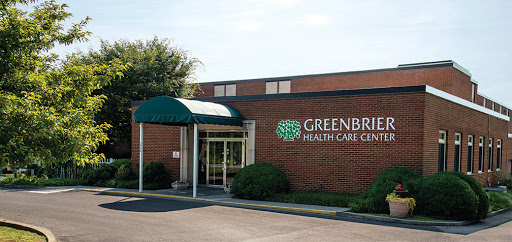
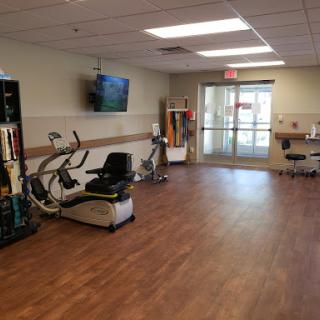
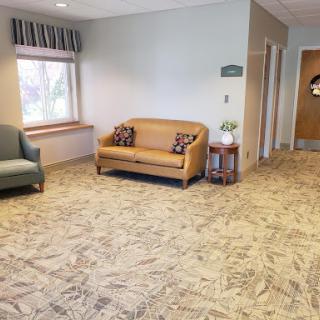


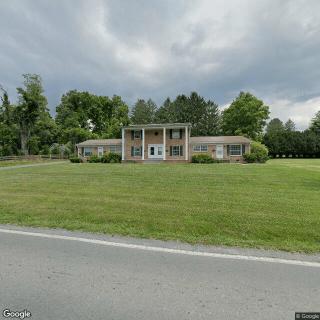
1115 Maplewood Avenue, Lewisburg, WV 24901
For more information about senior living options: (866) 208-4318
Overall Review of Greenbrier Health Care Center
Pros
 The staff are friendly and create a welcoming atmosphere.
- The facility is wonderful and provides great care.
- The staff are diligent, dedicated, and caring.
- Residents are treated with dignity and respect.
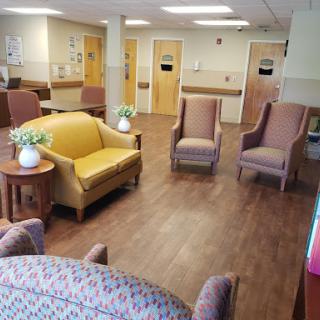
- Greenbrier Manor is a clean, friendly place that feels like home.
- Families note that staff keep them informed and involved.
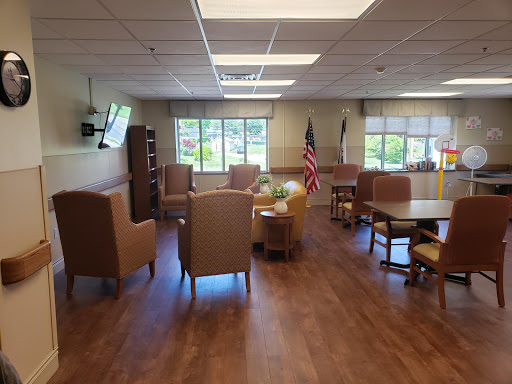
- Residents enjoy crafts, games, movies, and other activities.
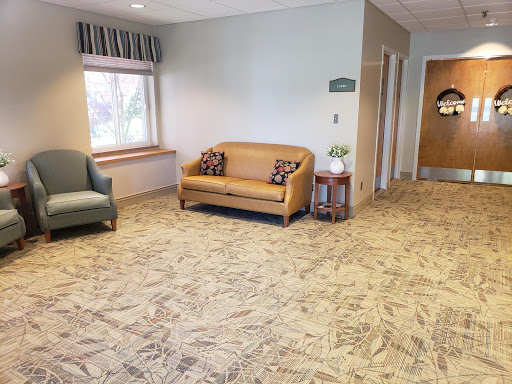
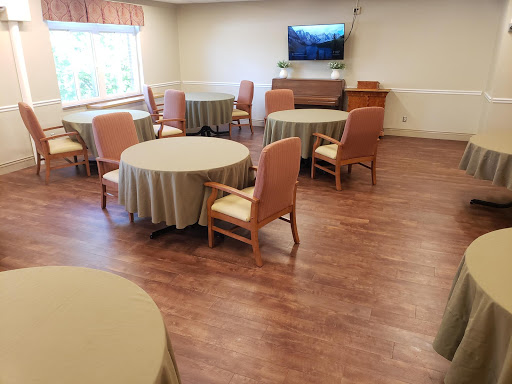
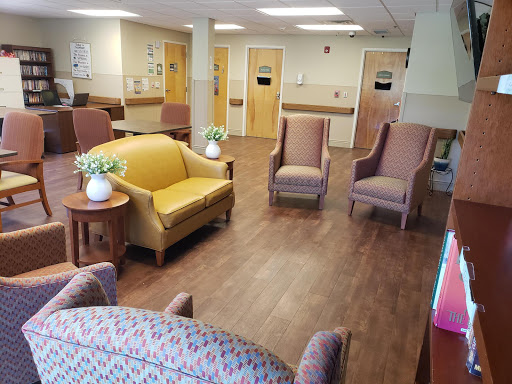
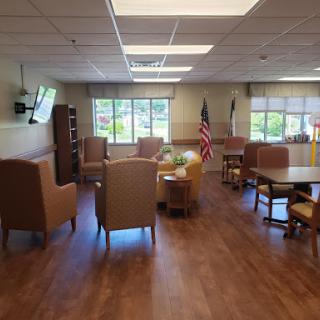
- The environment offers pleasant spaces, such as a rainbow room and a welcoming patio.
Cons
 The facility is terrible, dirty, and the maintenance staff is very rude.
- There are neglected patients and terrible smells throughout the facility.
- The staff hung up on the caller.
- They don’t answer the phone, leaving family members unable to reach loved ones.
- Many patient room doors are left wide open, and the environment is not conducive to recovery.
- The reviewer states that their 77-year-old father will not return to the facility by choice.
- The resident’s Harley Davidson T-shirts, hoodie, and hat were missing.
Review
Greenbrier Health Care Center in Lewisburg, WV is best suited for seniors who thrive in a warm, social, people-focused environment and for families that prize hands-on attention from staff. The strongest asset echoed across reviews is a staff culture built on friendliness, patience, and a genuine willingness to engage residents in daily life. Visitors repeatedly describe a welcoming atmosphere, with staff who know residents by name, participate in activities, and foster a sense of community through games, crafts, movies, and informal daily rituals. For residents who value companionship, routine social enrichment, and reliable, approachable caregivers, this facility offers a compelling match.
However, families should explicitly weigh considerations that show up as consistent caveats in multiple accounts. Several reviewers flag cleanliness and maintenance as meaningful concerns, including odors and neglected conditions in some areas. Communication gaps also surface, episodes where calls aren’t answered or families are left waiting for information or updates, creating a sense of distance during important moments. Potential residents with heightened needs for pristine environments, strict infection controls, or flawless, prompt communication may find these deficiencies hard to accept over the long term. In short, the positive social, relational core has to contend with operational fragility that can color the daily experience.
The key pros, caring staff, a friendly, engaging atmosphere, and meaningful activities, tend to offset many residents’ emotional and social needs. When staff create a sense of belonging and continuity, residents often show more comfort, cooperation, and enthusiasm about daily routines. The ability of caregivers to anticipate needs, provide feeding assistance, and include residents in simple decision-making can significantly improve quality of life, even if some physical plant issues persist. Yet the offset isn’t automatic: if cleanliness, maintenance responsiveness, and dependable communication falter, the emotional benefits risk being outweighed by frustration, discomfort, and a perceived decline in respect and safety.
This landscape suggests a targeted audience for whom Greenbrier is most appropriate, and a cautionary path for who should consider alternatives. For memory care or highly structured needs, the lack of clear separation between units and the occasional reports of “claustrophobic” shared spaces may not be ideal. For families who require a highly sterile environment, meticulous housekeeping, and rock-solid, real-time communication with staff and administrators, looking at other options with stronger track records in those dimensions could be prudent. The reviews imply that when things run smoothly, residents thrive on social stimulation and personal attention; when they don’t, the negatives can compound quickly.
A practical site-visit checklist emerges from weighing these factors. Prospective families should observe cleanliness firsthand and note any unpleasant odors or maintenance gaps. Monitor how quickly staff respond to call lights and patient needs, and ask about turnover rates and training for de-escalation, feeding assistance, and personal care tasks. Speak with front-desk and nursing leadership about how communication with families is managed, and request recent examples of issue resolution. Pay attention to how residents are supervised around common areas and how privacy and dignity are preserved in open-concept spaces. Finally, gauge whether activity programming is consistent, varied, and genuinely inclusive of each resident’s preferences and abilities.
The bottom line is practical and clear: Greenbrier Health Care Center delivers a warm, person-centered culture with commendable staff dedication and active social programming. It is a solid choice for families prioritizing human connection, resident engagement, and a home-like atmosphere where staff form meaningful relationships with residents. It is less suitable for families who cannot tolerate recurring cleanliness and communication shortcomings or who require a highly controlled clinical environment with zero tolerance for maintenance lapses. If those higher standards are non-negotiable, alternatives should be explored; if not, a strongly considered, visit-driven decision anchored in firsthand impressions of staff temperament and daily life can lead to a satisfying outcome for both resident and family.
 80 resident community capacity
 Skilled Nursing Facility
 Air-conditioning
 Beauty salon
 Cable or satellite TV
 Computer center
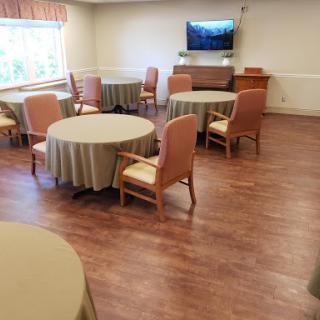
 Dining room
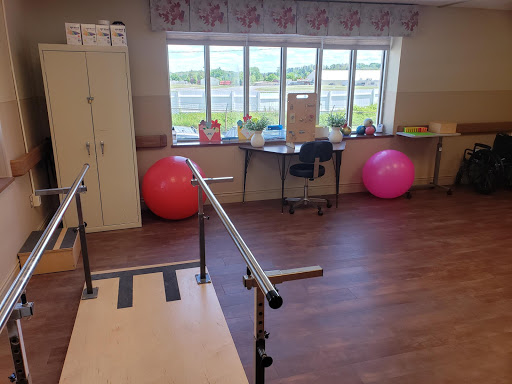
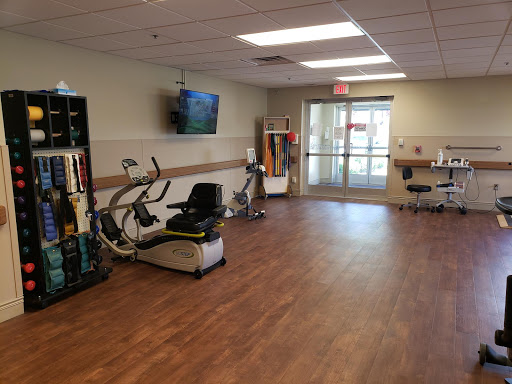
 Fitness room
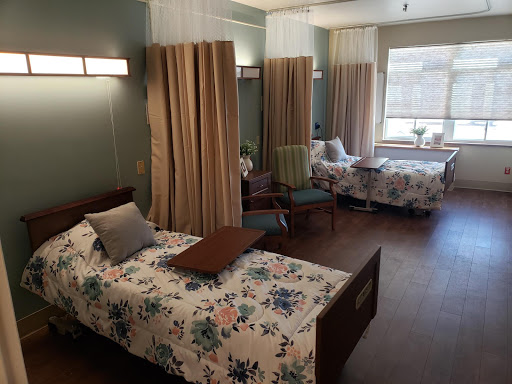
 Fully furnished
 Gaming room
 Garden
 Housekeeping services
 Kitchenette
 Move-in coordination
 Outdoor space
 Private bathrooms
 Restaurant-style dining
 Small library
 Telephone
 Wellness center
 Wi-Fi/high-speed internet available
 Greenbrier Valley (7 miles away)
 Community operated transportation
 12-16 hour nursing
 24-hour call system
 Activities of daily living assistance
 Assistance with bathing
 Assistance with dressing
 Assistance with transfers
 Diabetes diet
 Medication management
 Mental wellness program
 Special dietary restrictions
 Concierge services
 Planned day trips


 Top Cars for Senior Drivers and Essential Safety Innovations
 A Closer Look at Private Pay Home Care
 Comprehensive Approaches for Arthritis: A Detailed Guide to Symptoms, Causes, and Care