
411 Nicholas Street, Rupert, WV 25984
For more information about senior living options: (866) 208-4318
Overall Review of Autumn Way Assisted Living Home
Pros
 The Andersons seem really happy with Autumn Way.
- The staff at the front door were nice and very helpful.
Review
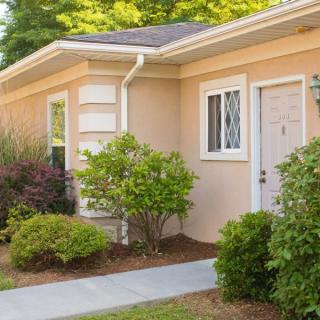
Autumn Way Assisted Living Home in Rupert, West Virginia is best suited for seniors who want a small, home-like setting where personal attention from staff is the norm and daily life centers on warmth and neighborly connection. The environment appears ideal for residents who value a close-knit community, casual familiarity with caregivers, and a calm pace that prioritizes comfort over formality. Families seeking a straightforward, human-centered option, one that feels less like a corporate campus and more like a welcoming residence, will likely find Autumn Way a natural fit. This is a place where residents and visitors alike notice a tangible sense of belonging from the moment the front door opens.
Those who may want to consider alternatives are the ones with needs beyond day-to-day companionship. If medical oversight needs to be intensive, if memory care or specialized therapies are required, or if programming must span a broad calendar with robust enrichment, another community with more comprehensive services may serve better. Residents who rely on frequent on-site therapy, complex medication management, or 24/7 nursing supervision may discover that a larger facility with formalized care pathways better aligns with their health trajectory. In short, Autumn Way excels in warmth and daily comfort, but families should compare what is offered against the level of clinical support their loved one truly requires.
From the reportable strengths, the clearest is the staff's welcoming demeanor at the entry and the overall happiness of residents. Friendly front-desk interactions set a tone of accessibility and reassurance, signaling dependable assistance for everyday needs and transitions. When visits or tours reveal residents who appear content and engaged, that is a powerful proxy for quality of life: consistent social contact, recognizable faces, and predictable routines reduce anxiety for new residents and relieve family members during the transition. In a setting where trust hinges on day-to-day interactions, these soft but real benefits often translate into measurable peace of mind.
With no explicit drawbacks detailed in the sole review, the dominant unknown remains: how the community scales to meet varying care demands as health or independence shifts. The small size can imply a more intimate environment but may also mean fewer on-site resources, fewer therapy options, and a less expansive activity calendar compared with larger assisted living homes. For families evaluating long-term placement, the crucial question becomes whether the daily life at Autumn Way will continue to align with evolving needs, or whether a more comprehensive program will be necessary down the line.
The positive elements, warm staff, visible resident happiness, and a home-like atmosphere, offset potential limits by delivering something that many families want most: confidence that a loved one is known, cared for, and part of a social fabric. When care needs stabilize, that sense of security can outvalue more expansive amenities. For caregivers, the comfort of daily interactions and reliable companionship can reduce the burden of supervision and caregiving at home. Thus, Autumn Way’s strengths are not merely sentimental; they represent practical, decision-driving value for those prioritizing personal touch and consistency.
Bottom-line guidance points to Autumn Way as a solid choice for seniors who want a warm, intimate environment with dependable staff and a genuine sense of community in Rupert. It is a strong recommendation for families prioritizing comfort, belonging, and straightforward daily living over large-scale programming or specialized clinical services. Those needing advanced medical oversight, memory-care-specific strategies, or a broader suite of activities should consider alternatives and arrange formal evaluations before deciding. A targeted site visit should focus on staff ratios during peak hours, the care planning process, and the match between resident preferences and daily routines.
 24 resident community capacity
 Assisted Living
 Beauty salon
 Cable or satellite TV
 Dining room
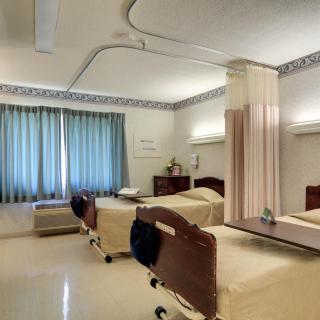
 Fully furnished
 Garden
 Housekeeping services
 Kitchenette
 Move-in coordination
 Outdoor space
 Telephone
 Wi-Fi/high-speed internet available
 Greenbrier Valley (18 miles away)
 24-hour call system
 Activities of daily living assistance
 Assistance with bathing
 Assistance with dressing
 Assistance with transfers
 Diabetes diet
 Meal preparation and service
 Medication management
 Mental wellness program
 Special dietary restrictions
 Transportation arrangement (medical)
 Transportation to doctors appointments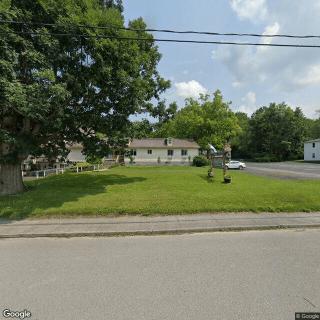



 Social Security Benefits and Assisted Living: Navigating Options Across the U.S.
 An Extensive Exploration of the VA Aid and Attendance Benefit
 Senior Transition Services: Understanding Their Role, Cost, and Importance