400 Mckinley Avenue, Harrisville, WV 26362
For more information about senior living options: (866) 208-4318
Overall Review of Pine View Nursing And Rehabilitation Center
Pros
 The CNA who helped him get in the truck was very good and helpful.
- One of the nurses, Jody, was very good and helpful.
Cons
 Her mother fell out of her chair.
- Her father was there for three days and fell three times.
- The staff seemed more irritated than compassionate.
- Some of the staff needed a course in dealing with dementia.
- On the first visit, a resident and a nurse were cursing and arguing.
Review
Pine View Nursing and Rehabilitation Center in Harrisville is best suited for families that can stay actively engaged in oversight and for residents who need modest assistance rather than intensive dementia-focused care. The setting offers glimpses of capable staff, but the overall pattern is inconsistent enough that reliability and tone of care become at least as important as any physical therapies or routine tasks. For families who cannot closely monitor day-to-day interactions or who expect steady, compassionate treatment for memory-impaired residents, this community is unlikely to meet those expectations.
There are clear reasons to consider alternatives. If dementia care requires calm, patient, and consistently respectful staff, or if fall prevention and safety are top priorities, other facilities with dedicated memory-care units and stronger safety records should be explored. Larger centers with more robust RN coverage, more uniform staff training, and proven incident-management processes generally deliver a safer, more predictable environment for seniors who are fragile or cognitively challenged. Location and cost may be constraints, but the trade-off in safety and dignity warrants a careful comparison.
On the upside, there are concrete instances of decent care. A CNA who helped with getting a loved one into the vehicle and a nurse named Jody were described as helpful and capable. Such incidents demonstrate that competent, compassionate care does exist within the staff, and when present, these individuals can make a real difference in the resident’s day. That potential, however, does not compensate for the broader pattern of concerns raised by several family members.
The most serious red flags center on safety and the care climate. Recurrent falls, mom falling from a chair and a relative’s dad experiencing multiple falls in a brief stay, signal shortcomings in monitoring, fall-prevention measures, and proactive mobility management. Beyond physical safety, the atmosphere in the facility is called into question by reports of residents and staff cursing and arguing, and by a sense that dementia-specific needs are met with irritability rather than empathy. In a setting that serves frail seniors, those dynamics can undermine trust, escalate agitation, and erode dignity, making it harder for residents to feel secure and respected.
Families weighing the decision should approach Pine View with a concrete plan: visit at different times to observe how staff respond to both routine and escalating situations; request a full rundown of staffing ratios, shift patterns, and turnover; review incident reports and the facility’s fall-prevention program; ask for details about dementia-care training and the presence of a designated memory-care coordinator; and insist on a clear, written plan of care with regular updates from a licensed nurse. If choosing Pine View, demand proactive oversight, transparent communication, and a trial period that includes concrete safety benchmarks and a clinician’s review of the resident’s care plan.
In the end, Pine View presents a mixed, cautionary picture. The existence of capable caregivers is real, but the frequency of safety incidents and the troubling behavioral climate shift the balance away from a confident recommendation for most families. This community is not a reliable fit for residents who require steady, compassionate dementia care or who rely on dependable safety protocols. For those who still consider it, the path forward must be anchored in assertive advocacy, rigorous care-planning, and unwavering accountability from administration and clinical leadership.
 56 resident community capacity
 Skilled Nursing Facility
 Air-conditioning
 Beauty salon
 Cable or satellite TV
 Computer center
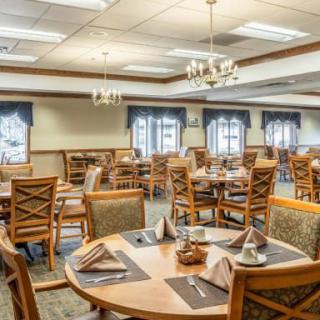
 Dining room
 Fitness room
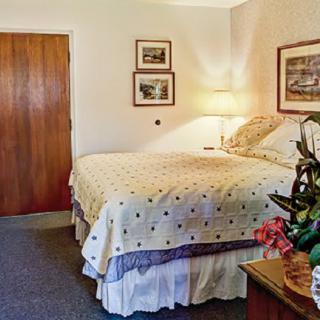
 Fully furnished
 Gaming room
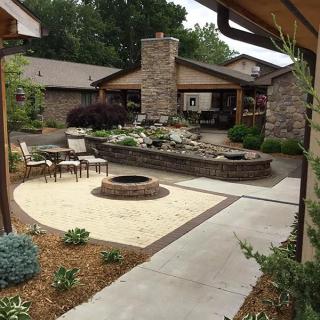
 Garden
 Housekeeping services
 Kitchenette
 Move-in coordination
 Outdoor space
 Private bathrooms
 Restaurant-style dining
 Small library
 Telephone
 Wellness center
 Wi-Fi/high-speed internet available
 Community operated transportation
 12-16 hour nursing
 24-hour call system
 Activities of daily living assistance
 Assistance with bathing
 Assistance with dressing
 Assistance with transfers
 Diabetes diet
 Medication management
 Mental wellness program
 Special dietary restrictions
 Concierge services
 Planned day trips


 Is a Geriatric Care Manager the Right Choice for Your Family?
 Compassionate Conversations: How to Comfort Someone Who Is Grieving
 Home Health Care Aides: Understanding Their Role and Supporting Your Family