Minnie Hamilton Health Care

Save
Minnie Hamilton Health Care

Minnie Hamilton Health Care

186 Hospital Drive, Grantsville, WV 26147

For more information about senior living options: (844) 490-3973

3.3 from 23 reviews
5 stars
12
4 stars
2
3 stars
0
2 stars
0
1 stars
9

Skilled Nursing Facility

Overall Review of Minnie Hamilton Health Care

Pros

  • pro The doctors, nurses, and staff treated patients with respect.
  • pro The nurses were very nice and helped patients a lot.
  • pro Catlin on the 4th floor stood out as exceptional.
  • pro The food was great.
  • pro The facility was very nice, and the staff were friendly and helpful.
  • pro The staff are wonderful and compassionate.

Cons

  • pro The hospital and healthcare system are described as a joke, with the records department labeled unprofessional, rude, and arrogant.
  • pro It is claimed that staff let a patient leave after the patient expressed a wish to commit suicide, signaling a lack of care for patients.
  • pro Repeated reports of consistently long wait times and slow service.
  • pro Doctors and nurses are described as judgmental, with alleged misdiagnoses and mocking of patients and ambulance drivers.
  • pro Staff gossip and poor communication make it hard for families to obtain information.
  • pro Administration and staffing issues are cited as evidence that the hospital is the worst in the tri-state.
  • pro For emergencies, patients are advised not to go there and to seek care elsewhere (Parkersburg) due to poor emergency handling.
  • pro Prescription refills are slow or incorrect, and COVID-19 test results can take days to return.

Review

The collection of remarks about MHHS in Grantsville paints a picture of a facility that inspires strongly mixed reactions. On one end, several reviewers describe experiences where patients felt respected, cared for, and even uplifted by the kindness of the staff. They recount that doctors, nurses, and other team members treated them with dignity, and they highlight particular individuals who stood out for their compassion. In these strands, the hospital earns praise for the personal attention, the positive bedside manner, and the general atmosphere of courtesy. One commenter notes that the nurses were especially nice and helpful, and even mentions a specific staff member, Catlin on the 4th floor, as a favorite. A few visitors also share more wholesome, constructive experiences - such as touring the facility with a loved one, encountering friendly and helpful staff, and perceiving the place as clean and welcoming. The sentiment here is that, when the care staff took time and patience, the experience could be genuinely reassuring and comforting.

However, a substantial portion of the feedback focuses on serious drawbacks and systemic problems that many patients encountered. Several reviewers carry a theme of frustration with the hospital's records department, describing the records staff as unprofessional, rude, and arrogant. One person explicitly calls for the staff member handling records to be fired, alleging a lack of medical knowledge, dismissive attitudes, and laughter on the phone when the caller attempted to communicate a need. This thread emphasizes not only poor customer service but also perceived gaps in competence and understanding that can complicate the patient's ability to obtain necessary documentation and information.

Concerns about the broader care environment are also persistent. Some reviewers voice doubts about the hospital's handling of pain management and crisis situations. One account highlights the WV opioid crisis as a context in which patients may be unfairly labeled as potential addicts, with the reviewer accusing the staff of poor judgment and insensitivity. A particularly troubling claim describes a scenario where the patient was told they could leave after expressing a suicide intention, leading the reviewer to conclude that the hospital "doesn't care about you at all" and advising others to seek care elsewhere, such as Spencer. These points reflect fears about how mental health crises and pain management are addressed in highly stressful moments.

There are also voices that emphasize negative experiences in the emergency department. A reviewer recounts a severe dissatisfaction with the care for a family member in the ER, including extended wait times, a lack of information, and what they describe as gossiping and unfriendly behavior among staff. The impression left is one of a chaotic and unsupportive environment where patients' questions go unanswered, and where the team seems to struggle to coordinate or communicate effectively during critical moments.

Amid the criticisms, other reviewers offer the opposite takeaway. Some describe the hospital as a place with "wonderful compassionate staff," noting that the atmosphere can be pleasant and that the care delivered by certain individuals felt genuinely caring. A few depict positive, practical experiences - shorter or smoother interactions, quick in-and-out service, and an overall impression of cleanliness and a supportive staff dynamic. These contrasting experiences underscore a broader pattern: outcomes and impressions appear highly variable, likely depending on the specific department, the time of day, and which staff members are involved in a given visit.

Practical frustrations also surface in more routine aspects of care. Several reviewers mention long wait times in the lobby or the backrooms, with some reporting periods of waiting for over an hour before being taken back to a room. Others point to issues with prescriptions and the efficiency of processing refills, implying recurring logistical bottlenecks and delays that can be stressful for patients already dealing with illness or pain. There are also mentions of external care pathways, including criticism of COVID-19 testing turnaround times and references to driving to Parkersburg to obtain more timely or reliable services for certain needs.

Taken together, these reviews present a hospital that some people hold in high regard for its compassionate, respectful care and clean environment, while others experience significant frustration with administrative inefficiencies, perceived insensitivity in crisis situations, and perceived judgmental attitudes in certain contexts. The dichotomy is striking: praise for personal kindness and patient-centered moments alongside criticisms of organizational shortcomings, communication gaps, and inconsistent quality of care. For anyone navigating care there, the message from the collective feedback is to proceed with awareness - acknowledging that a patient's experience may hinge on which staff members respond, the department involved, and the immediacy of the medical need, with some preferring alternative options for serious conditions or crisis situations.

Features

Housing

  • 24 resident community capacity 24 resident community capacity

Types of Care

  • Skilled Nursing Facility Skilled Nursing FacilitySkilled Nursing Facilities are crucial for seniors as they provide round-the-clock medical care, rehabilitation services, and assistance with daily activities. These facilities ensure that seniors receive the specialized care they need to maintain their health and well-being as they age.

Amenities

  • Beauty salon Beauty salonBeauty salons are important for seniors because they provide a space for them to feel pampered, socialize, and maintain their personal grooming and hygiene. Regular visits to a beauty salon can help boost seniors' self-esteem and overall well-being.
  • Cable or satellite TV Cable or satellite TVCable or satellite TV is important for seniors because it provides entertainment, news, and companionship, helping to combat loneliness and boredom. It also offers a wide range of programming options tailored to different interests and preferences.
  • Dining room Dining roomDining rooms are important for seniors as they provide a space for socialization, connection, and nutritious meals. They offer opportunities for residents to bond over shared meals, foster a sense of community, and promote healthy eating habits. Dining rooms also ensure that seniors have access to well-balanced meals tailored to their dietary needs and preferences.
  • Fully furnished Fully furnishedFully furnished senior living communities are important for seniors because they provide convenience, comfort, and a hassle-free moving experience. Seniors can easily settle into their new living space without the stress of having to buy and move furniture. This allows them to focus on enjoying their new home and community.
  • Garden GardenGardens are important for seniors as they provide a peaceful and therapeutic environment for relaxation, physical activity, and socialization. Being in nature has been shown to reduce stress, improve mood, and promote overall well-being. Gardens also offer opportunities for seniors to engage in gardening activities, which can improve mobility, flexibility, and cognitive function. Additionally, gardens create a sense of community and connection with others who share a passion for plants and outdoor spaces.
  • Housekeeping services Housekeeping servicesHousekeeping services are important for seniors because they help maintain a clean and safe living environment, promote independence, and reduce the risk of accidents or illnesses. Additionally, having assistance with household chores can alleviate physical strain and allow seniors to focus on other aspects of their well-being.
  • Kitchenette KitchenetteKitchenettes are important for seniors living in senior living communities because they provide the convenience and independence of being able to prepare simple meals and snacks in the comfort of their own living space. This can help promote a sense of autonomy and well-being for seniors, allowing them to maintain some level of control over their dietary choices and daily routines.
  • Move-in coordination Move-in coordinationMove-in coordination is important for seniors because it helps ease the transition into their new living environment. It ensures that all logistics, such as packing, organizing movers, and setting up utilities are taken care of, allowing seniors to focus on settling in and adjusting to their new home. Having a smooth move-in process can alleviate stress and anxiety, making the transition smoother and more enjoyable for seniors.
  • Outdoor space Outdoor spaceOutdoor spaces are important for seniors as they provide opportunities for physical activity, social interaction, exposure to natural light and fresh air, and a sense of connection to nature. Having access to outdoor spaces can improve overall well-being and quality of life for older adults living in senior communities.
  • Restaurant-style dining Restaurant-style diningRestaurant-style dining is important for seniors because it allows them to enjoy delicious, nutritious meals in a social and upscale setting. This enhances their dining experience, promotes healthy eating habits, and fosters socialization with fellow residents, ultimately contributing to their overall well-being and quality of life.
  • Small library Small librarySmall libraries are important for seniors as they provide access to a variety of reading materials, including books, newspapers, and magazines. This can help stimulate their minds, keep them engaged, and provide a sense of community through book clubs and other social activities. Additionally, reading has been shown to improve cognitive function and overall mental well-being in older adults.
  • Telephone TelephoneTelephones are important for seniors as they provide a lifeline for communication with loved ones, emergency services, and healthcare providers. They offer a sense of security and independence, enabling seniors to stay connected and access assistance when needed.
  • Wi-Fi/high-speed internet available Wi-Fi/high-speed internet availableWi-Fi/high-speed internet is important for seniors to stay connected with loved ones, access online resources, and participate in virtual activities to combat feelings of loneliness and isolation. It also allows them to easily manage healthcare needs, access entertainment, and engage in lifelong learning opportunities.

Care Services

  • 24-hour call system 24-hour call system24-hour call systems are important for seniors because they provide peace of mind and immediate assistance in case of emergencies. This technology ensures that help is always available, promoting safety and security for elderly individuals living alone or in assisted living facilities.
  • 24-hour supervision 24-hour supervision24-hour supervision is important for seniors to ensure their safety, well-being, and access to immediate assistance in case of emergencies or health issues. This constant support provides peace of mind for both seniors and their loved ones, allowing them to age in place with dignity and security.
  • Activities of daily living assistance Activities of daily living assistanceActivities of daily living assistance are important for seniors because they provide essential support with tasks such as eating, bathing, dressing, and mobility. This assistance helps seniors maintain their independence, dignity, and overall quality of life as they age.
  • Assistance with bathing Assistance with bathingAssistance with bathing is crucial for seniors as it helps maintain personal hygiene, prevents infections, and ensures their overall well-being and comfort. It also provides a sense of dignity and independence for seniors who may struggle with this task on their own.
  • Assistance with dressing Assistance with dressingAssistance with dressing is important for seniors because it helps maintain their independence, promotes personal hygiene, prevents accidents and injuries, and improves overall quality of life. This service ensures that seniors can continue to dress comfortably and confidently, despite any physical limitations they may have.
  • Assistance with transfers Assistance with transfersAssistance with transfers is crucial for seniors as it helps prevent falls and injuries, maintains their independence, and ensures they can safely navigate their living environment. It also provides peace of mind for both seniors and their loved ones.
  • Diabetes diet Diabetes dietA diabetes diet is crucial for seniors as it helps manage blood sugar levels, reduce risks of complications, and improve overall health and well-being. By following a balanced and nutritious diet tailored to their specific needs, seniors can better control their diabetes and enhance their quality of life.
  • Meal preparation and service Meal preparation and serviceMeal preparation and service are crucial for seniors as they may have limited mobility or energy to cook nutritious meals. Having access to healthy and convenient food options can ensure they are getting the proper nutrition needed to maintain their overall health and well-being.
  • Medication management Medication managementMedication management is crucial for seniors to ensure they are taking the right medications at the correct dosages and times. This helps prevent adverse drug interactions, reduces the risk of medication errors, and promotes overall health and well-being. Proactive management also allows for adjustments as needed based on changing health conditions or new prescriptions.
  • Mental wellness program Mental wellness programMental wellness programs are essential for seniors as they promote cognitive stimulation, emotional support, and social engagement. These programs help prevent isolation, depression, and cognitive decline, ultimately enhancing the overall quality of life for older adults.
  • Special dietary restrictions Special dietary restrictionsSpecial dietary restrictions are important for seniors because age-related changes in metabolism and health conditions can make it difficult for their bodies to process certain foods. By following a diet tailored to their specific needs, seniors can maintain their overall health and well-being, manage chronic conditions, and reduce the risk of complications such as malnutrition or food interactions with medications.
Dining

  • Diabetes diet Diabetes dietA diabetes diet is crucial for seniors as it helps manage blood sugar levels, reduce risks of complications, and improve overall health and well-being. By following a balanced and nutritious diet tailored to their specific needs, seniors can better control their diabetes and enhance their quality of life.
  • Special dietary restrictions Special dietary restrictionsSpecial dietary restrictions are important for seniors because age-related changes in metabolism and health conditions can make it difficult for their bodies to process certain foods. By following a diet tailored to their specific needs, seniors can maintain their overall health and well-being, manage chronic conditions, and reduce the risk of complications such as malnutrition or food interactions with medications.

Activities

  • Community-sponsored activities Community-sponsored activitiesCommunity-sponsored activities are important for seniors as they provide opportunities for social interaction, mental stimulation, and physical activity. These activities can help improve overall well-being, combat loneliness and isolation, and promote a sense of belonging and purpose among older adults.
  • Resident-run activities Resident-run activitiesResident-run activities are important for seniors as they encourage social interaction, creativity, and a sense of autonomy. These activities empower seniors to stay engaged and active in their community while fostering meaningful connections with their peers.
  • Scheduled daily activities Scheduled daily activitiesScheduled daily activities are important for seniors because they provide structure, socialization, mental stimulation, and physical activity. Engaging in regular activities can improve overall well-being and quality of life for seniors living in a community setting.

Description

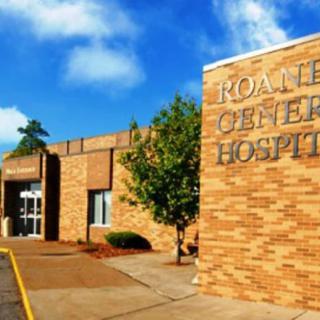
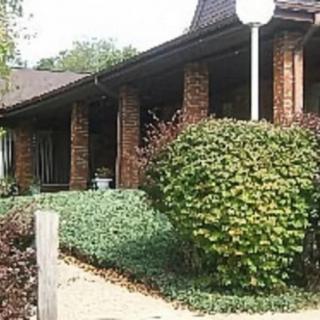
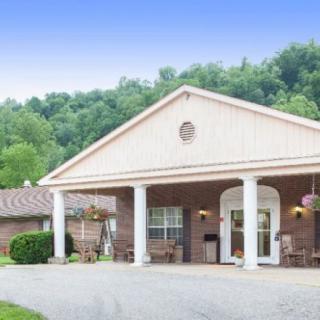
Minnie Hamilton Health Care in Grantsville, WV is a well-equipped assisted living community that offers a range of amenities and care services to enhance the quality of life for its residents. The community provides fully furnished accommodations with cable or satellite TV, ensuring that residents can relax and enjoy their favorite shows. The dining room serves delicious meals in a restaurant-style setting, catering to special dietary restrictions. Residents also have access to a kitchenette if they prefer to prepare their own meals.

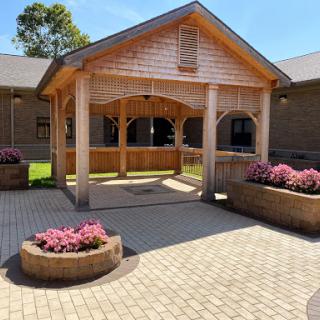
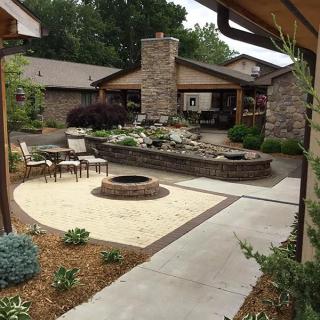
In addition to comfortable living spaces, Minnie Hamilton Health Care offers an array of amenities to promote an active and engaging lifestyle. Outdoor spaces and gardens provide opportunities for residents to enjoy fresh air and nature. A small library is available for book lovers, and Wi-Fi/high-speed internet ensures connectivity for those who wish to stay connected with loved ones or engage in online activities.

The caring staff at Minnie Hamilton Health Care provides 24-hour supervision and assistance with activities of daily living such as bathing, dressing, and transfers. They also offer medication management services to ensure that residents receive the appropriate medications at the right time. The community's mental wellness program focuses on promoting emotional well-being among residents.

Residents can participate in resident-run activities as well as scheduled daily activities organized by the community. This allows them to socialize with fellow residents and engage in hobbies or interests they may have.

Minnie Hamilton Health Care is conveniently located near three parks, three pharmacies, four restaurants, six places of worship, and one hospital. This makes it easy for residents to access additional resources or enjoy outings with friends and family.

Overall, Minnie Hamilton Health Care strives to provide a comfortable living environment where seniors can receive personalized care while enjoying various amenities and engaging in meaningful activities within their local community.

Nearby Places of Interest

Pharmacies

  • J & B Drugstore (0 miles)
  • Good Neighbor Pharmacy (0 miles)
  • Walgreens (0.1 miles)
  • Gil Co Faith Pharmacy (15.1 miles)
  • Staats Pharmacy (16 miles)
  • Willow Drug (16 miles)
  • Fruth Pharmacy (16.1 miles)

Places of Worship

  • Victory Baptist Church (0 miles)
  • First Baptist Church (0.2 miles)
  • Knotts Memorial UMC (0.2 miles)
  • Southern Baptist Convention (0.3 miles)
  • Mount Zion United Methodist Church (0.3 miles)
  • Pleasant Hill United Methodist (2.9 miles)
  • Rush Run Baptist Church Normantown (7.3 miles)

Restaurants

  • Tudor's Biscuit World (0.1 miles)
  • Red Devil Inn (0.1 miles)
  • Gino's Pizza (0.3 miles)
  • High Rise Pizza (4.5 miles)
  • Stone Bar & Grill (9.1 miles)
  • 10th Hole (13.7 miles)
  • Senor Patron Glenville (13.8 miles)

Hospitals

  • Minnie Hamilton Health Care Center (0.2 miles)

Parks

  • Town Park (0.4 miles)
  • Mt. Zion Community Park (3.7 miles)
  • Calhoun County Park (3.8 miles)
  • Cedar Creek State Park (13.1 miles)
  • City Square (13.9 miles)
  • Heritage Park (16 miles)
  • Washington Park (16.5 miles)

Physicians

  • Little Kanawha Family Medicine (13.3 miles)
  • Minnie Hamilton Health System (14.5 miles)
  • Gilmer Primary Care (14.5 miles)
  • Family Health Care (16 miles)
  • Westbrook Health Services (16.6 miles)
  • Coplin Memorial Health Center (18.7 miles)
  • Rr Health Center (20 miles)

Cafes

  • Cornerstone Cafe (13.9 miles)
  • Sand Fork Diner (18.6 miles)

Theaters

  • Robey Theatre (16.1 miles)

Transportation

  • U-Haul Neighborhood Dealer (16.1 miles)
  • Hunter's Paradise (18.2 miles)

Frequently Asked Questions

Where is Minnie Hamilton Health Care?

Nearby Communities

Related Resources

  • caregiver burnoutCaregiver Exhaustion: Recognizing the Signs and Restoring Your Well-Being

    Caregiver exhaustion, or burnout, stems from the relentless demands of caregiving, leading to emotional and physical depletion characterized by stress, frustration, and neglect of personal needs. Addressing this burden is essential to prevent long-term consequences, with early recognition and support being crucial for caregivers to maintain balance and implement self-care.

  • what is hospice care at homeUnderstanding Hospice Care at Home: Comprehensive Services, Key Benefits, and Eligibility

    Hospice care at home provides specialized end-of-life support that focuses on comfort and dignity for individuals with life-limiting illnesses, offering a range of services including medical management, emotional and spiritual support, and logistical assistance tailored to the family's needs. It involves collaboration to create individualized care plans and extends to bereavement support after a loved one's passing.

  • how much does 24/7 in home care cost per monthUnderstanding the Full Cost of 24/7 In-Home Care: A Detailed Overview

    The guide outlines the rising costs of 24/7 in-home care, ranging from $10,000 to over $20,000 monthly, driven by factors such as location and caregiver qualifications. It discusses the limited coverage by Medicare and private insurance, potential Medicaid support, and the emotional and living condition considerations influencing families' decisions on care arrangements.