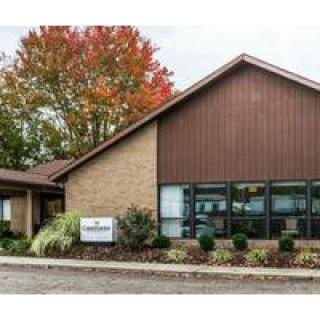
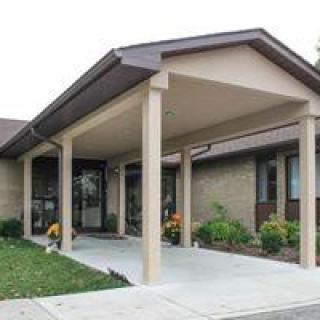
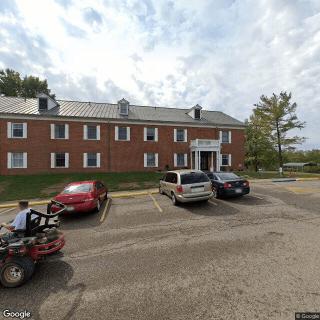
506 Riverview Road, Belmont, WV 26134
For more information about senior living options: (866) 208-4318
Overall Review of Carehaven Of Pleasants
Pros
 The staff are professional and caring.
 - Jaimie, the unit manager, is consistently on top of transportation and changing medical needs.
- The business office is extremely helpful in acquiring Medicaid.
- The facility is one of the best places in the area.
- The staff’s dedication to patient care makes this facility special.
- Carehaven’s team is dedicated to improving residents’ quality of life and the facility feels like a home.
Cons
 The staff seemed overworked.
- The facility was understaffed, with CNAs worn out trying to care for all the clients.
- The food served to residents was horrible and often unrecognizable.
- The dietary department needed major improvement.
- The laundry was understaffed.
- Items disappeared from a resident's room, with little help recovering them or obtaining reimbursement.
- A reviewer claimed the patient would have died in their care.
Review
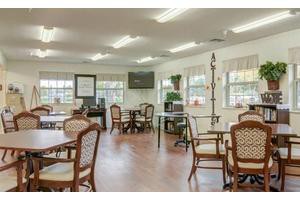
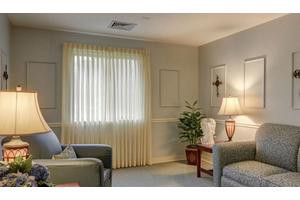
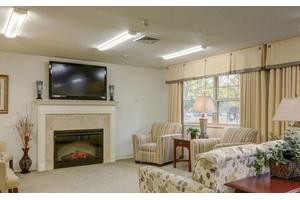
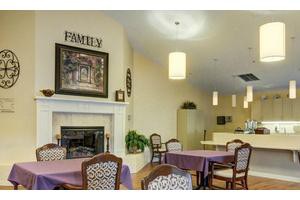
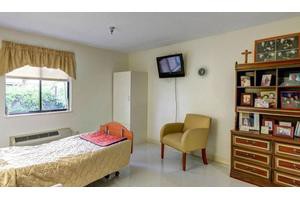
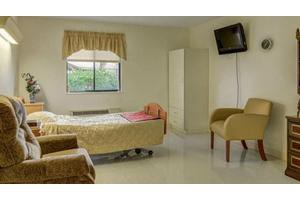
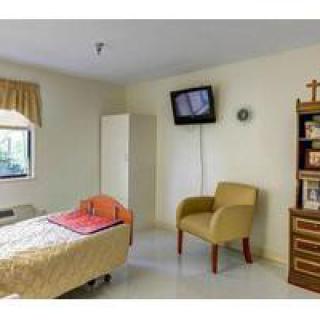
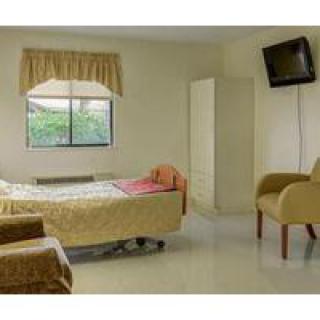
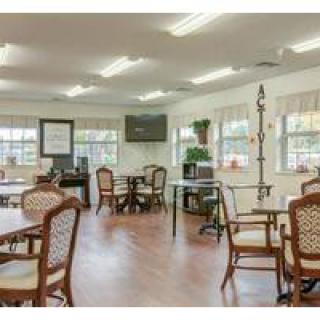
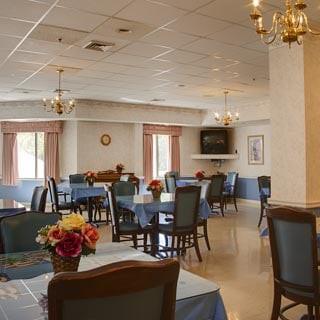
Carehaven Of Pleasants in Belmont, West Virginia is best suited for families seeking a small, home-like nursing environment where long-tenured staff deliver steady, compassionate care and the administration can reliably navigate Medicaid processes. It works especially well for residents who value personal connections with caregivers and a faith-based, stable ownership culture that has kept operations steady over the years. The setting favors those needing long-term care with regular routines, clear communication, and a sense of community rather than a high-amenity, hospital-like experience. The facility’s quiet, residential feel and adequately sized rooms contribute to a perception of comfort and dignity that many families prioritize in ongoing care.
Alternatives become worth weighing for anyone whose top priorities include guaranteed staffing levels, consistently high-quality meals, and a broader range of on-site amenities. Several reviews flag understaffing as a persistent concern, with CNAs and laundry staff stretched thin at times. Food quality is another red flag raised after ownership changes, and there are troubling anecdotes about serious lapses in basic care. For families that cannot tolerate variable staffing, inconsistent dining quality, or the risk of delayed response to medical needs, other nearby facilities with stronger staffing guarantees and more robust dietary programs may be a safer match.
The strongest positives here revolve around people and culture. A cadre of caregivers with 20-plus years on the job fosters deep familiarity with residents, enabling personalized attention and continuity of care. The therapy department receives strong praise, helping many residents progress in recovery and maintain function, while the administration and business office are noted for practical, compassionate support, particularly with navigating Medicaid. The living environment is frequently described as home-like and clean, with staff who engage residents in activities and conversations that promote dignity and meaningful daily life. When these elements align, families experience a sense of peace about a loved one’s well-being.
Yet the flip side cannot be ignored. Staffing strains surface as tangible limits on timely assistance and on tasks like laundry and meal service, which can erode comfort and satisfaction if not actively managed. Food quality, particularly after ownership transitions, has been called into question by some families, and there are strong warnings from several reviews about severe consequences from perceived neglect or delayed care. These risks do not negate the core strengths, but they do complicate risk assessment for families that must balance emotional reassurance with concrete guarantees of safety and daily living standards.
For families evaluating a move, concrete steps matter. During visits, observe how quickly aides respond to call bells, request a glimpse of the daily schedule, and verify meal options and dining service quality. Ask to meet the therapy team and review a resident care plan to understand how goals are set and tracked. Inquire about current staffing ratios, turnover, and the stability of front-line leadership, including the unit manager who coordinates transportation and medical needs. Finally, discuss explicit expectations around item handling, laundry processing, and incident reporting to gauge how the facility manages accountability and family communication.
The practical conclusion is clear: Carehaven Of Pleasants is most compelling for families who prize a small, emotionally supportive setting with deeply invested staff and a proven ability to handle Medicaid smoothly. It serves well residents who thrive under consistent, relationship-based care, value a home-like atmosphere, and can tolerate some variability in staffing and dining experiences. Those needing guaranteed, round-the-clock high-touch attention, premium dining, and extensive on-site amenities should look elsewhere. For the right resident, one who appreciates experienced caregivers, a strong therapy program, and a stable, faith-oriented community, the potential benefits can outweigh the notable drawbacks with active family involvement and vigilant oversight.
 68 resident community capacity
 Skilled Nursing Facility
 Air-conditioning
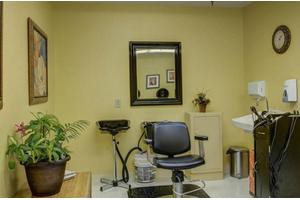
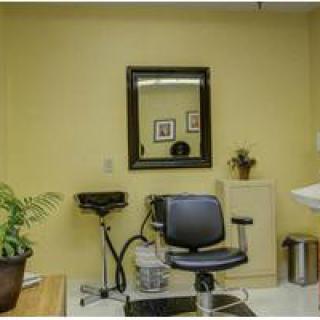
 Beauty salon
 Cable or satellite TV
 Computer center
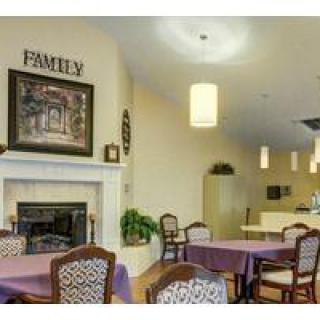
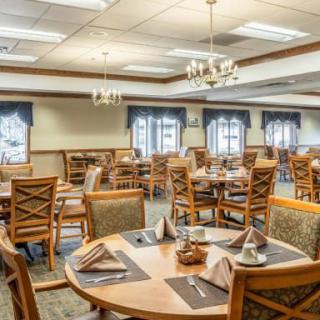
 Dining room
 Fitness room
 Fully furnished
 Gaming room
 Garden
 Housekeeping services
 Kitchenette
 Move-in coordination
 Outdoor space
 Private bathrooms
 Restaurant-style dining
 Small library
 Telephone
 Wellness center
 Wi-Fi/high-speed internet available
 Community operated transportation
 12-16 hour nursing
 24-hour call system
 Activities of daily living assistance
 Assistance with bathing
 Assistance with dressing
 Assistance with transfers
 Diabetes diet
 Medication management
 Mental wellness program
 Special dietary restrictions
 Concierge services
 Planned day trips



 Understanding the Full Cost of 24/7 In-Home Care: A Detailed Overview
 Exploring the World of Home Health Nurses: Qualifications, Roles, and Hiring Tips
 Navigating Medicare Coverage for In-Home Care Services