Reynolds Memorial Hospital is a nursing home community in Glen Dale, WV.
Information last verified:
800 Wheeling Avenue, Glen Dale, WV 26038
For more information about senior living options: (866) 208-4318
2.7 from 113 reviews
5 stars
41
4 stars
5
3 stars
6
2 stars
3
1 stars
58
Overall Review of Reynolds Memorial Hospital
common20 reviews mention this
Caring, respectful care stands out
Residents and patients frequently describe staff as caring and respectful.
Across multiple visits, reviewers describe being treated with respect and compassion by nurses and doctors. Several mention quick, attentive care and staff who explained things or helped them feel at ease during ER or outpatient care. A few also highlight particularly supportive experiences during psychiatric and inpatient stays.
caveat11 reviews mention this
Long ER waits frustrate families
Some reviewers report very long waits in the ER.
A recurring complaint is extended time spent waiting to be seen or to get discharge paperwork. Several reviewers describe sitting in hallways or waiting rooms for hours, sometimes after already being brought back for initial checks. Others tie the delay to feeling unsafe, abandoned, or like staff response was missing when they needed help.
caveat8 reviews mention this
Communication problems affect care flow
Reviewers mention poor communication during care.
Some reviewers describe miscommunication between staff, missed or unclear scheduling, and families struggling to get answers. There are also accounts of unhelpful call-handling and delays that make it harder to coordinate next steps. A few reviews specifically call out aftercare or transport expectations that did not line up with what was communicated.
caveat2 reviews mention this
Behavioral health reviews are mixed
Behavioral health experiences vary in the reviews.
One group of reviews describes the behavioral health unit and outpatient visits negatively, including criticism of psychiatrists and how patients were treated during visits. These accounts contrast with other reviews focused on general ER and medical care, which more often describe supportive interactions. Overall, behavioral health is the least consistently positive area in the feedback provided.
How we summarize
Counts show how many written reviews mention each theme; a review can touch several themes, and only frequently mentioned themes are displayed.
Features
Housing
20 resident community capacity
Types of Care
Skilled Nursing Facility
Amenities
Beauty salon
Cable or satellite TV
Dining room
Fully furnished
Garden
Housekeeping services
Kitchenette
Move-in coordination
Outdoor space
Restaurant-style dining
Small library
Telephone
Wi-Fi/high-speed internet available
Care Services
24-hour call system
24-hour supervision
Activities of daily living assistance
Assistance with bathing
Assistance with dressing
Assistance with transfers
Diabetes diet
Meal preparation and service
Medication management
Mental wellness program
Special dietary restrictions
Dining
Diabetes diet
Special dietary restrictions
Activities
Community-sponsored activities
Resident-run activities
Scheduled daily activities
Nearby Places of Interest
Physicians
Lung Center (0 miles)
George's Health Care Center (1.9 miles)
Anwar Eye Center (2.6 miles)
Associates in Ophthalmology - Moundsville (2.7 miles)
Clawson Joseph R Oral Surgeon (3.3 miles)
Raymond A Bannan MD (4.8 miles)
Wheeling Healthrite (7.5 miles)
Parks
Glen Dale Park and Playground (0.3 miles)
Glen Dale Park (0.3 miles)
Grand Vue Park (1.1 miles)
Bethlehem Community Park (8.1 miles)
Wheeling Park (8.8 miles)
Bridge Park (8.8 miles)
Restaurants
Taco Bell (1.1 miles)
Perkins Restaurant and Bakery (1.1 miles)
KFC (1.2 miles)
Burger King (1.4 miles)
Huddle House (1.6 miles)
Vocelli Pizza (1.6 miles)
Good Thymes (1.7 miles)
Pharmacies
Moundsville Pharmacy (1.2 miles)
Riesbeck's Pharmacy (1.5 miles)
Walgreens (1.6 miles)
CVS Pharmacy (2.3 miles)
Kroger Pharmacy (2.5 miles)
Good Neighbor Pharmacy (4.7 miles)
Save Rite Pharmacy (4.7 miles)
Cafes
Lil' B's (1.5 miles)
Centre Cup Coffee (8 miles)
Wheeling Coffee Shoppe (9.3 miles)
Tim Hortons (9.6 miles)
Places of Worship
Light of Faith Christian Ministries (1.7 miles)
Ash Avenue Church of God (1.8 miles)
Moundsville Foursquare Church (2.2 miles)
West Bellaire Methodist Church (4.2 miles)
South Bellaire United Methodist Church (4.3 miles)
Older adults with urinary tract infections (UTIs) often present atypical symptoms, complicating diagnosis due to factors like incomplete bladder emptying and chronic health conditions that increase their susceptibility. Effective management involves prompt treatment with antibiotics, hydration, and preventive strategies while minimizing antibiotic resistance and focusing on holistic care approaches.
California's Form 602A is a vital tool for evaluating the health needs of seniors seeking residential care, detailing their medical conditions and daily living requirements to ensure proper service alignment. This standardized form enhances communication among physicians, families, and facilities, serving as a regulatory measure for admissions and ongoing care while adapting to changing healthcare practices.
The overview of blood pressure management for seniors emphasizes the importance of monitoring and interpreting blood pressure readings, noting that normal ranges can vary due to age-related factors and individual health conditions. It highlights tailored guidelines for systolic and diastolic levels, the necessity of early detection and consistent management to prevent serious health complications, and advocates for personalized care strategies that incorporate lifestyle changes and medication adherence.
Get PricingAsk A QuestionSchedule A TourContact Senior Advisor
By clicking submit, you agree to our Partner's Terms of Use. You
also consent to receive calls and texts, which may be autodialed, from our Partner. Your consent is not a condition to
using our Partner's service. Please visit our Partner's Privacy Policy for information about their privacy practices.

 20 resident community capacity
 Skilled Nursing Facility
 Beauty salon
 Cable or satellite TV
 Dining room
 Fully furnished
 Garden
 Housekeeping services
 Kitchenette
 Move-in coordination
 Outdoor space
 Restaurant-style dining
 Small library
 Telephone
 Wi-Fi/high-speed internet available
 24-hour call system
 Activities of daily living assistance
 Assistance with bathing
 Assistance with dressing
 Assistance with transfers
 Diabetes diet
 Medication management
 Mental wellness program
 Special dietary restrictions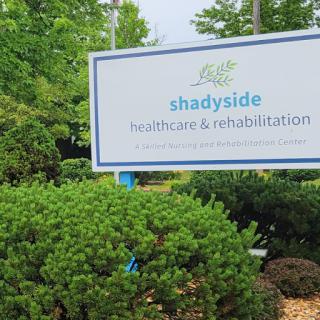
 24/7 nursing supervision with diabetes-specific care and rich on-site amenities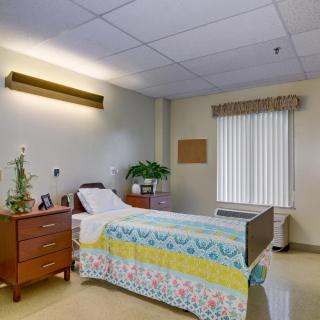



 Urinary Tract Infections in Older Adults: Comprehensive Insights on Symptoms, Treatment, and Prevention
 California's Form 602A: An In-Depth Examination of Senior Care Assessment
 Comprehensive Look at Senior Blood Pressure Charts: Normal and Elevated Levels by Age