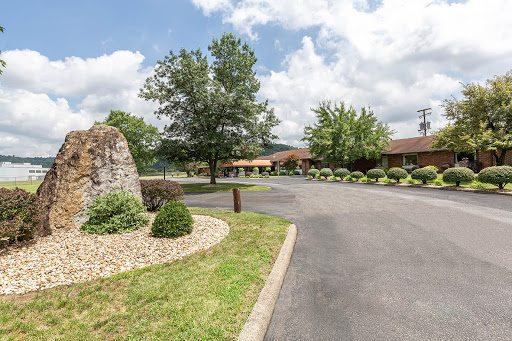
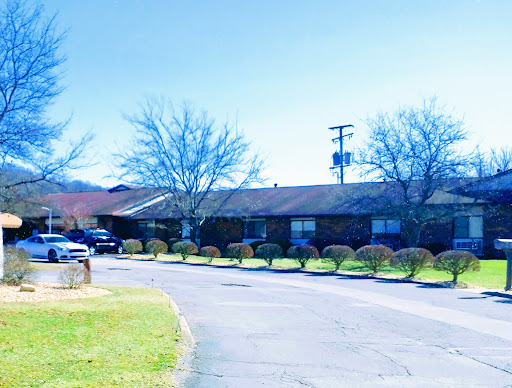
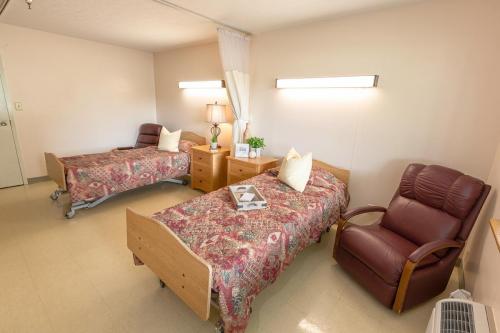




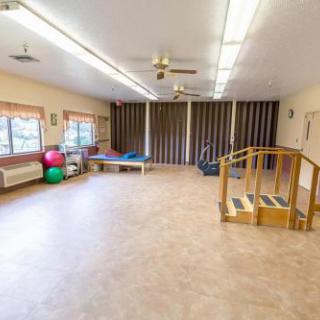
60583 State Route 7, Shadyside, OH 43947
For more information about senior living options: (866) 208-4318
Overall Review of Continuing Healthcare Of Shadyside
Pros
 The facility is considered the best place for skilled or long-term care.
- The staff show respect toward one another and toward residents.
- Residents visiting the facility made positive remarks.
- The staff are nothing short of amazing; their care and attention are awesome.
- Their compassion during COVID has been incredible.
Cons
 The facility is a joke and needs to be shut down.
- The facility needs to be investigated because of the way it treats its patients.
- The brother-in-law was not treated properly during his stay.
- Food was not brought to him half the time, and when it was, it was barely edible.
- The reviewer would not recommend the facility to anyone.
- The reviewer believed most five-star reviews were written by staff members, calling the rating into question.
- The facility did not follow the patient’s diet restrictions.
- The food brought for the patient was reported as lost.
- There were times when a tray was not brought to her at all.
- The facility was described as terrible.
Review
Continuing Healthcare Of Shadyside is best suited for seniors who value respectful, person-centered care and a straightforward daily routine in a supportive, home-like setting. Families that want caregivers who treat residents with dignity and steady assistance with activities of daily living will likely find this community a workable fit. Those needing strict dietary control or perfectly reliable meal delivery should consider alternatives, as reviews repeatedly flag inconsistencies in service. The overall tone in favorable comments points to a culture of warmth and attentiveness, but care delivery appears variable across shifts. For a resident who thrives on consistent human connection and close supervision, this facility can be a solid choice; for others, the gaps may be too pronounced to ignore.
Pros center on the caregiving staff’s demeanor. Favorable accounts describe staff who show respect toward residents and each other, delivering care with patience and visible concern. Several residents and visitors convey that the atmosphere feels caring and consistent, and some reviews explicitly praise the facility’s capability for skilled or long-term care. The sense of personal attention, where caregivers know names, preferences, and routines, is repeatedly cited as a strength. When these strengths align, residents appear more at ease, more engaged, and better able to maintain a sense of normalcy in daily life. These positives create a cushion against other shortcomings, but they cannot erase the risk posed by service and dietary gaps.
Consistently troubling reports revolve around basic service, especially meals. Families recount meals not arriving, trays lost, or food that did not meet prescribed diets, with some parents describing unsafe or unsatisfactory nourishment. Diet restrictions being overlooked undermines medical and culinary plans, and the pattern of missed meals is described as ongoing in several accounts. A few reviewers question the credibility of five-star praises, suggesting staff members may be posting favorable feedback. While not every shift fails, the frequency and gravity of these anecdotes indicate a real risk to nutritional stability and overall well-being. Taken together, these concerns cast doubt on the facility’s ability to reliably sustain residents who depend on precise care and consistent meal service.
How the positives weigh against the negatives matters for decision making. Respectful, compassionate care helps residents feel secure and reduces anxiety, but warmth cannot substitute for dependable nutrition, timely assistance with meals, or adherence to dietary orders. The favorable care environment can lower stress and improve mood, yet persistent meal mishaps threaten health, appetite, and satisfaction with daily living. In short, the community can deliver meaningful, person-centered care in good days, but operational gaps, especially around diet and meal timing, undercut that strength on too many occasions. Families should weigh the comfort of kind staff against the tangible risks of inconsistent nourishment and service, recognizing that the latter can erode quality of life faster than the former supports it.
Evaluation should be hands-on. Prospective residents and families should observe mealtime routines, request current menus and dietary protocols, and confirm that dietary restrictions are implemented consistently. Speak with multiple staff members and residents about day-to-day operations, and review any available state inspection summaries or recent corrective actions. Ask about staffing levels, turnover, and how supervisors monitor quality across shifts. Request concrete examples of how problems are addressed and resolved, and seek assurances that accountability remains constant, not seasonal. A thorough, in-person assessment will reveal whether the care culture can be sustained and whether the operational gaps can be reliably closed over time.
In sum, Continuing Healthcare Of Shadyside offers a pragmatic option for families who prize a respectful, person-centered environment and are prepared to actively monitor care, particularly nutrition and meal delivery. The strongest case rests with compassionate staff and the everyday warmth residents experience; the strongest warning is the inconsistency in meals and diet adherence that can undermine safety and satisfaction. If staff performance is consistently strong and dietary protocols are tightened, this facility can serve as a solid long-term home. If not, alternatives with more reliable nutrition management and fewer service gaps should be pursued without delay. The decision hinges on whether the resident’s quality of life is best served by steady human connection or by predictable, clinically reliable meals and adherence.
 99 resident community capacity
 Assisted Living
 Skilled Nursing Facility
 Activities on-site
 Air-conditioning
 Beauty salon
 Cable or satellite TV
 Computer center
 Devotional services off-site
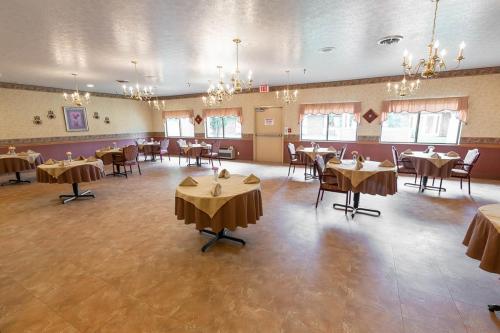
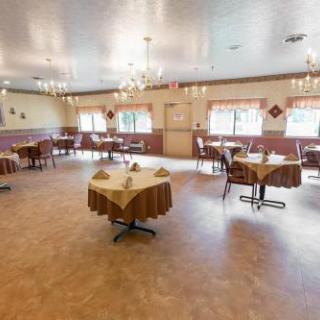
 Dining room
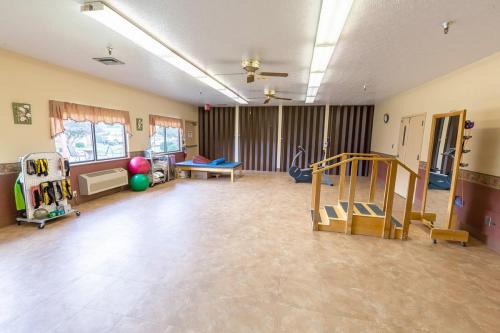
 Fitness room
 Fully furnished
 Gaming room
 Garden
 Housekeeping services
 Indoor common areas
 Kitchenette
 Move-in coordination
 Outdoor space
 Private bathrooms
 Restaurant-style dining
 Small library
 Telephone
 Wellness center
 Wi-Fi/high-speed internet available
 Community operated transportation
 12-16 hour nursing
 24-hour call system
 Ambulatory care
 Assistance with bathing
 Assistance with dressing
 Assistance with transfers
 Diabetes diet
 Diabetic care
 Medication management
 Mental wellness program
 Special dietary restrictions
 Concierge services
 Planned day trips




 Understanding the Distinctions: Assisted Living and Memory Care Explained
 Guiding Elderly Parents Who Refuse Assisted Living: 6 Practical Steps
 Your Comprehensive Guide to Luxury Assisted Living: Elevated Facilities, Amenities, and Costs