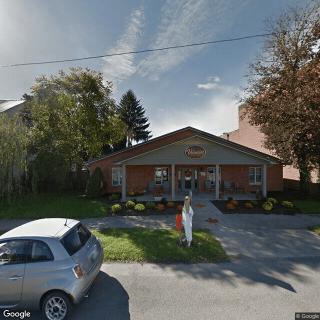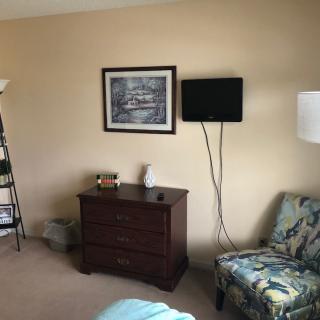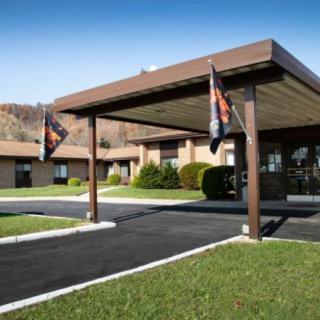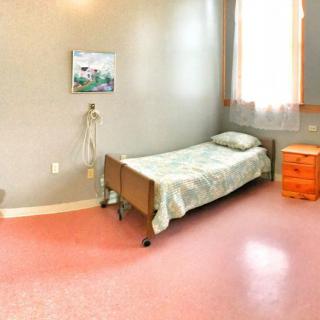

Elkins Regional Convalescent Center

Save
Elkins Regional Convalescent Center Elkins Regional Convalescent Center Elkins Regional Convalescent Center Elkins Regional Convalescent Center

Elkins Regional Convalescent Center

1175 Beverly Pike, Elkins, WV 26241

For more information about senior living options: (844) 490-3973

3.1 from 13 reviews
5 stars
6
4 stars
1
3 stars
0
2 stars
0
1 stars
6

Skilled Nursing Facility

What level of care are you interested in?

Assisted Living

Memory Care

Independent Living

Skilled Nursing Facility

Continuing Care Retirement Community (CCRC)CCRC

Other


Request a tour at Elkins Regional Convalescent Center

    Overall Review of Elkins Regional Convalescent Center

    Pros

    • pro The place is a blessing.
    • pro Amy Erdman was a godsend to residents.
    • pro The father loved Amy Erdman.
    • pro Amy Erdman was kind and wonderful to everyone.
    • pro Many people hugged Amy Erdman and thanked her.
    • pro The establishment and its personnel are highly recommended.
    • pro The mother is living there, she likes it and is treated well.
    • pro They take great care of Thomas Miller.

    Cons

    • pro Amy Erdman is one of the rudest employees up there; she needs fired.
    • pro There were 15 falls in the first two years, including a broken shoulder at age 91, with the patient left in bed for a full day before being taken to the hospital.
    • pro The patient suffered abuse and neglect, including severe bed sores that looked like they needed stitches.
    • pro A nurse slammed the patient into the wall.
    • pro The patient lay dying and privacy and quiet had to be begged for.

    Review

    The collection of experiences paints a picture of a tough, demanding environment where small moments of grace stand out against some troubling lapses. Several reviewers begin by acknowledging how hard the work is in a setting like this, where caring for elderly residents is a high-stakes, emotionally charged job. One comment frames the place as a blessing in a field that's rarely easy, noting that no nursing home is perfect but that this facility makes an effort to do right by its residents. In that spirit, a particular staff member - Amy Erdman - shows up in multiple notes as a focal point of praise. The reviewer who tells of their father being there describes Erdman as a "god send," someone who was consistently kind and attentive to many residents. They observed her bringing warmth to the wards, sharing hugs and thanks from residents, and felt pride in having their loved one under her watch. It's the kind of praise that suggests Erdman's presence could feel like a beacon of reassurance in a difficult place.

    Yet the very same name appears in a starkly opposite light. Another reviewer states plainly that Amy Erdman is "one of the rudest employees up there" and asserts that she needs to be fired. This explicit negative claim sits alongside the earlier glowing testimony, underscoring a broader reality: experiences within the same facility can diverge dramatically depending on who is providing care and how interactions unfold. The juxtaposition invites readers to consider how individual staff members can shape a resident's day in very different ways, and why personal experiences might vary so widely from one family member to another.

    Beyond the questions about a single employee, other accounts offer a sense of the day-to-day life for residents and families inside the building. One reviewer reports a generally positive tone about their mother's time there, saying she is living well, is treated well, and eats well. They emphasize that when she asks for something, the nurses respond promptly, painting a picture of attentive, reliable basic care. This perspective highlights the continuity of routine care - the meals, the responsiveness to requests, the general sense that daily needs are being met - which many families weigh heavily when deciding on a long-term care option.

    Another review casts a much more alarming light on safety and quality of care. In this account, there were 15 falls in the first two years, culminating in a broken shoulder for an elderly resident. The reviewer describes a full day where their loved one lay in bed before being taken to the hospital, and later, while their loved one was near death, they had to beg for privacy and quiet. This narrative focuses on neglect in urgent moments and on the heartbreaking need for humane boundaries and dignified end-of-life experiences. It's a somber reminder that even when some staff are kind and responsive, systemic or episodic failures can have devastating consequences for residents and their families.

    There are also notes of strong positivity about other individuals in the staff. One reviewer specifically praises the care given to their brother, Thomas Miller, calling the staff "awesome," describing the facility as clean and the nurses as very nice. This voice contributes to the sense that the place can be well-run and personable on a day-to-day basis, at least in certain moments and for certain residents. It adds texture to the overall picture: care quality isn't monolithic and can vary by person, circumstance, and perhaps even shift.

    A final, troubling account closes the collection with a stern warning. The reviewer describes a two-month stay during which the staff were mean and abusive toward their mother. The consequences were severe: fractures, multiple bruises, and bedsores so serious they required stitches in appearance. They attribute bed sores to neglect and recount a specific incident where a nurse allegedly slammed their mom into a wall. The reviewer also mentions another resident falling from a wheelchair in an adjacent room. This account ends with a clear verdict: reconsider placing a loved one there, as the reviewer does not plan to return their mother to that facility. This dramatic grievance underscores the importance families attach to safety, respectful treatment, and visible accountability in care environments.

    Taken together, these accounts present a facility that can feel like two distinct worlds depending on who you ask and when you visit. There are stories of warmth, attentive care, and clean surroundings, alongside accounts of serious safety concerns, neglect, and harsh treatment. The experiences underscore the variability that can exist within a single care setting - the difference a particular staff member can make, the way incidents are handled, and how families perceive privacy, dignity, and safety in moments that matter most. For anyone considering this place for a loved one, the takeaway is nuanced: it may be a place of genuine kindness and solid daily care at times, but there are serious red flags raised by other residents and families that demand careful scrutiny, clear questions about staff training and supervision, and a thorough look at safety protocols, incident reporting, and patient privacy standards before making a decision.

    Features

    Housing

    • 111 resident community capacity 111 resident community capacity

    Types of Care

    • Skilled Nursing Facility Skilled Nursing FacilitySkilled Nursing Facilities are crucial for seniors as they provide round-the-clock medical care, rehabilitation services, and assistance with daily activities. These facilities ensure that seniors receive the specialized care they need to maintain their health and well-being as they age.

    Amenities

    • Air-conditioning Air-conditioningAir conditioning is important for seniors as they are more vulnerable to heat-related illnesses and may have underlying health conditions that make it difficult for them to regulate their body temperature. It helps to keep them comfortable, safe, and healthy in hot weather.
    • Beauty salon Beauty salonBeauty salons are important for seniors because they provide a space for them to feel pampered, socialize, and maintain their personal grooming and hygiene. Regular visits to a beauty salon can help boost seniors' self-esteem and overall well-being.
    • Cable or satellite TV Cable or satellite TVCable or satellite TV is important for seniors because it provides entertainment, news, and companionship, helping to combat loneliness and boredom. It also offers a wide range of programming options tailored to different interests and preferences.
    • Computer center Computer centerA computer center is essential for seniors as it provides access to technology, communication tools, and resources that can enhance their daily lives. It allows them to stay connected with loved ones, engage in online activities, and learn new skills, ultimately promoting socialization and mental stimulation.
    • Dining room Dining roomDining rooms are important for seniors as they provide a space for socialization, connection, and nutritious meals. They offer opportunities for residents to bond over shared meals, foster a sense of community, and promote healthy eating habits. Dining rooms also ensure that seniors have access to well-balanced meals tailored to their dietary needs and preferences.
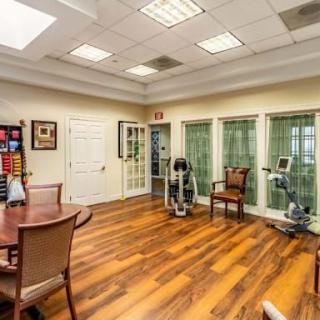
    • Fitness room Fitness roomHaving a fitness room in a senior living community is essential for seniors to stay active, maintain their physical health, and improve their overall well-being. Regular exercise can help prevent falls, reduce the risk of chronic diseases, and promote mental sharpness. It also provides social opportunities for residents to connect with others and enjoy a sense of community.
    • Fully furnished Fully furnishedFully furnished senior living communities are important for seniors because they provide convenience, comfort, and a hassle-free moving experience. Seniors can easily settle into their new living space without the stress of having to buy and move furniture. This allows them to focus on enjoying their new home and community.
    • Gaming room Gaming roomGaming rooms are important for seniors as they provide a fun and engaging environment for socializing, cognitive stimulation, and physical activity. Games can improve memory, problem-solving skills, and overall mental well-being while fostering friendships and reducing feelings of isolation.
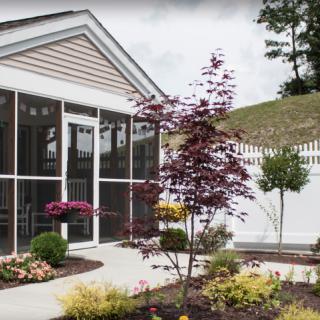
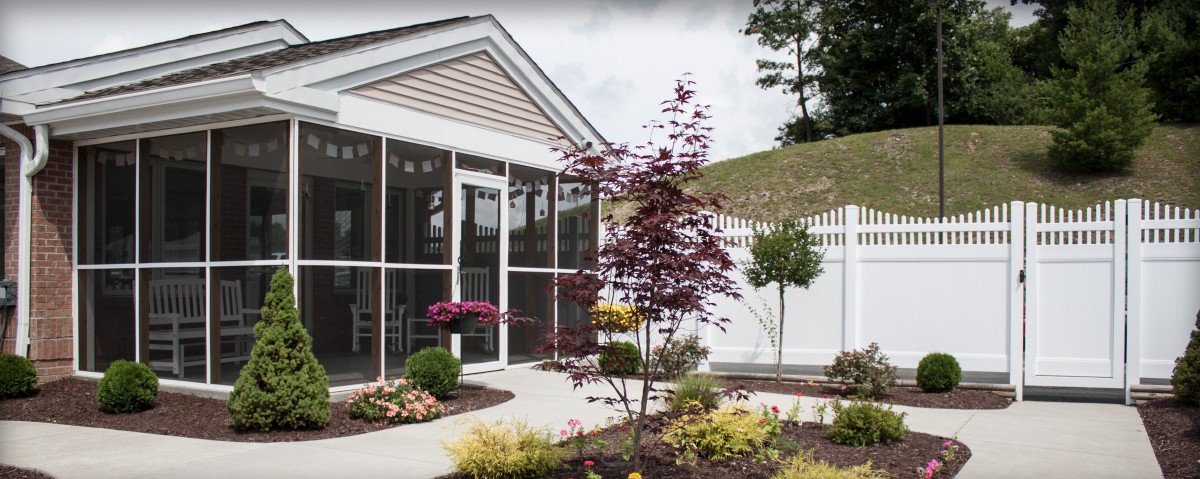
    • Garden GardenGardens are important for seniors as they provide a peaceful and therapeutic environment for relaxation, physical activity, and socialization. Being in nature has been shown to reduce stress, improve mood, and promote overall well-being. Gardens also offer opportunities for seniors to engage in gardening activities, which can improve mobility, flexibility, and cognitive function. Additionally, gardens create a sense of community and connection with others who share a passion for plants and outdoor spaces.
    • Housekeeping services Housekeeping servicesHousekeeping services are important for seniors because they help maintain a clean and safe living environment, promote independence, and reduce the risk of accidents or illnesses. Additionally, having assistance with household chores can alleviate physical strain and allow seniors to focus on other aspects of their well-being.
    • Kitchenette KitchenetteKitchenettes are important for seniors living in senior living communities because they provide the convenience and independence of being able to prepare simple meals and snacks in the comfort of their own living space. This can help promote a sense of autonomy and well-being for seniors, allowing them to maintain some level of control over their dietary choices and daily routines.
    • Move-in coordination Move-in coordinationMove-in coordination is important for seniors because it helps ease the transition into their new living environment. It ensures that all logistics, such as packing, organizing movers, and setting up utilities are taken care of, allowing seniors to focus on settling in and adjusting to their new home. Having a smooth move-in process can alleviate stress and anxiety, making the transition smoother and more enjoyable for seniors.
    • Outdoor space Outdoor spaceOutdoor spaces are important for seniors as they provide opportunities for physical activity, social interaction, exposure to natural light and fresh air, and a sense of connection to nature. Having access to outdoor spaces can improve overall well-being and quality of life for older adults living in senior communities.
    • Private bathrooms Private bathroomsPrivate bathrooms are important for seniors in senior living communities because they provide independence, dignity, and comfort. Having a private bathroom allows seniors to maintain their personal hygiene routines without the need for assistance, promoting a sense of autonomy and privacy. Additionally, private bathrooms help prevent the spread of infections and provide a safe and clean environment for seniors to navigate safely.
    • Restaurant-style dining Restaurant-style diningRestaurant-style dining is important for seniors because it allows them to enjoy delicious, nutritious meals in a social and upscale setting. This enhances their dining experience, promotes healthy eating habits, and fosters socialization with fellow residents, ultimately contributing to their overall well-being and quality of life.
    • Small library Small librarySmall libraries are important for seniors as they provide access to a variety of reading materials, including books, newspapers, and magazines. This can help stimulate their minds, keep them engaged, and provide a sense of community through book clubs and other social activities. Additionally, reading has been shown to improve cognitive function and overall mental well-being in older adults.
    • Telephone TelephoneTelephones are important for seniors as they provide a lifeline for communication with loved ones, emergency services, and healthcare providers. They offer a sense of security and independence, enabling seniors to stay connected and access assistance when needed.
    • Wellness center Wellness centerWellness centers are important for seniors because they offer a variety of programs and services that promote physical, mental, and emotional well-being. These centers provide opportunities for exercise, socialization, education, and relaxation, helping seniors maintain their overall health and quality of life.
    • Wi-Fi/high-speed internet available Wi-Fi/high-speed internet availableWi-Fi/high-speed internet is important for seniors to stay connected with loved ones, access online resources, and participate in virtual activities to combat feelings of loneliness and isolation. It also allows them to easily manage healthcare needs, access entertainment, and engage in lifelong learning opportunities.

    Transportation

    • Community operated transportation Community operated transportationCommunity operated transportation is crucial for seniors as it provides them with the means to access essential services, social activities, and medical appointments. It allows seniors to maintain their independence and quality of life by ensuring they can participate in activities outside of their homes. Additionally, community-operated transportation services offer a safe and reliable way for seniors to travel without having to rely on family or friends for assistance.
    • Transportation arrangement Transportation arrangementTransportation arrangements are crucial for seniors as they may face challenges with driving, mobility, or access to public transportation. Having reliable transportation services ensures that seniors can easily attend appointments, social activities, and maintain their independence and quality of life.
    • Transportation arrangement (non-medical) Transportation arrangement (non-medical)Transportation arrangements are essential for seniors as they provide access to essential services, activities, and social interactions outside the home. This service helps maintain independence, mobility, and overall well-being for seniors who may have limited transportation options.
    • Transportation to doctors appointments Transportation to doctors appointmentsTransportation to doctors appointments is crucial for seniors as it ensures they have access to necessary medical care and support, promoting their health and well-being. It allows them to receive timely treatment, monitor existing conditions, and address any new health concerns efficiently. Additionally, transportation services can help seniors maintain their independence and quality of life by enabling them to stay connected with their healthcare providers.

    Care Services

    • 12-16 hour nursing 12-16 hour nursing12-16 hour nursing care is crucial for seniors in order to ensure around-the-clock monitoring, timely medication administration, and prompt response to any health concerns or emergencies. This level of care helps to promote the overall well-being and safety of seniors living in senior living communities.
    • 24-hour call system 24-hour call system24-hour call systems are important for seniors because they provide peace of mind and immediate assistance in case of emergencies. This technology ensures that help is always available, promoting safety and security for elderly individuals living alone or in assisted living facilities.
    • 24-hour supervision 24-hour supervision24-hour supervision is important for seniors to ensure their safety, well-being, and access to immediate assistance in case of emergencies or health issues. This constant support provides peace of mind for both seniors and their loved ones, allowing them to age in place with dignity and security.
    • Activities of daily living assistance Activities of daily living assistanceActivities of daily living assistance are important for seniors because they provide essential support with tasks such as eating, bathing, dressing, and mobility. This assistance helps seniors maintain their independence, dignity, and overall quality of life as they age.
    • Assistance with bathing Assistance with bathingAssistance with bathing is crucial for seniors as it helps maintain personal hygiene, prevents infections, and ensures their overall well-being and comfort. It also provides a sense of dignity and independence for seniors who may struggle with this task on their own.
    • Assistance with dressing Assistance with dressingAssistance with dressing is important for seniors because it helps maintain their independence, promotes personal hygiene, prevents accidents and injuries, and improves overall quality of life. This service ensures that seniors can continue to dress comfortably and confidently, despite any physical limitations they may have.
    • Assistance with transfers Assistance with transfersAssistance with transfers is crucial for seniors as it helps prevent falls and injuries, maintains their independence, and ensures they can safely navigate their living environment. It also provides peace of mind for both seniors and their loved ones.
    • Diabetes diet Diabetes dietA diabetes diet is crucial for seniors as it helps manage blood sugar levels, reduce risks of complications, and improve overall health and well-being. By following a balanced and nutritious diet tailored to their specific needs, seniors can better control their diabetes and enhance their quality of life.
    • Meal preparation and service Meal preparation and serviceMeal preparation and service are crucial for seniors as they may have limited mobility or energy to cook nutritious meals. Having access to healthy and convenient food options can ensure they are getting the proper nutrition needed to maintain their overall health and well-being.
    • Medication management Medication managementMedication management is crucial for seniors to ensure they are taking the right medications at the correct dosages and times. This helps prevent adverse drug interactions, reduces the risk of medication errors, and promotes overall health and well-being. Proactive management also allows for adjustments as needed based on changing health conditions or new prescriptions.
    • Mental wellness program Mental wellness programMental wellness programs are essential for seniors as they promote cognitive stimulation, emotional support, and social engagement. These programs help prevent isolation, depression, and cognitive decline, ultimately enhancing the overall quality of life for older adults.
    • Special dietary restrictions Special dietary restrictionsSpecial dietary restrictions are important for seniors because age-related changes in metabolism and health conditions can make it difficult for their bodies to process certain foods. By following a diet tailored to their specific needs, seniors can maintain their overall health and well-being, manage chronic conditions, and reduce the risk of complications such as malnutrition or food interactions with medications.

    Dining

    • Diabetes diet Diabetes dietA diabetes diet is crucial for seniors as it helps manage blood sugar levels, reduce risks of complications, and improve overall health and well-being. By following a balanced and nutritious diet tailored to their specific needs, seniors can better control their diabetes and enhance their quality of life.
    • Special dietary restrictions Special dietary restrictionsSpecial dietary restrictions are important for seniors because age-related changes in metabolism and health conditions can make it difficult for their bodies to process certain foods. By following a diet tailored to their specific needs, seniors can maintain their overall health and well-being, manage chronic conditions, and reduce the risk of complications such as malnutrition or food interactions with medications.

    Activities

    • Community-sponsored activities Community-sponsored activitiesCommunity-sponsored activities are important for seniors as they provide opportunities for social interaction, mental stimulation, and physical activity. These activities can help improve overall well-being, combat loneliness and isolation, and promote a sense of belonging and purpose among older adults.
    • Concierge services Concierge servicesConcierge services are essential for seniors as they provide assistance with daily tasks and errands, enhance their quality of life by offering convenience and personalized care, and promote a sense of safety and security.
    • Fitness programs Fitness programsFitness programs are crucial for seniors as they help improve strength, flexibility, balance, and overall well-being. Staying active can reduce the risk of chronic diseases, improve mental health, and enhance quality of life in older adults.
    • Planned day trips Planned day tripsPlanned day trips are important for seniors because they offer opportunities for socialization, mental stimulation, and physical activity. They provide a change of scenery and help seniors stay engaged and connected to their community, promoting overall well-being and quality of life.
    • Resident-run activities Resident-run activitiesResident-run activities are important for seniors as they encourage social interaction, creativity, and a sense of autonomy. These activities empower seniors to stay engaged and active in their community while fostering meaningful connections with their peers.
    • Scheduled daily activities Scheduled daily activitiesScheduled daily activities are important for seniors because they provide structure, socialization, mental stimulation, and physical activity. Engaging in regular activities can improve overall well-being and quality of life for seniors living in a community setting.

    Description

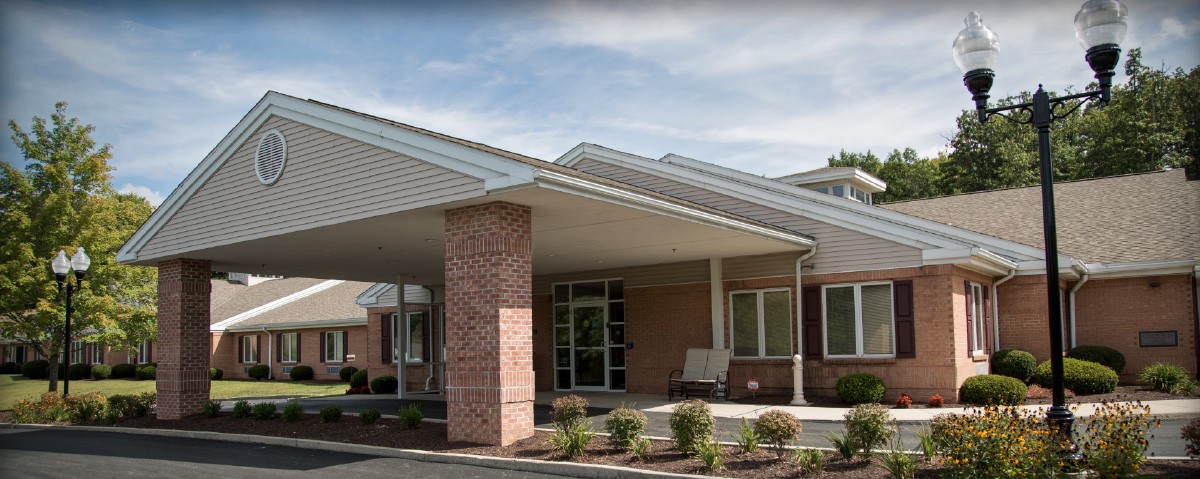
    Elkins Regional Convalescent Center in Elkins, WV is an exceptional assisted living community that offers a wide range of amenities and high-quality care services for seniors. Our residents enjoy a comfortable and fulfilling lifestyle with access to numerous amenities within our beautifully designed facility.

    For those who wish to look their best, we have a beauty salon where residents can receive professional haircuts, styling, and other beauty treatments. Our well-appointed rooms include cable or satellite TV for entertainment, ensuring that residents can stay updated on their favorite shows or movies.

    Transportation is made convenient with our community-operated transportation service, which provides easy access to nearby destinations. Our computer center allows residents to stay connected with loved ones through email and social media while our Wi-Fi/high-speed internet ensures seamless online connectivity for all.

    Mealtimes are a delight at Elkins Regional Convalescent Center, as residents can savor delicious meals in our elegant dining room with restaurant-style dining. Special dietary restrictions are always accommodated to ensure that every resident's nutritional needs are met. Additionally, our kitchenettes allow residents the option of preparing small meals or snacks whenever they desire.

    We value the importance of mental and physical wellness, which is why we offer a diverse range of activities and services. Residents can engage in various activities such as gaming in our gaming room, reading books from our small library, participating in fitness programs in our fitness room and joining planned day trips for fun adventures outside the community.

    Care services at Elkins Regional Convalescent Center are comprehensive and personalized to meet each resident's specific needs. With 24-hour call system and supervision, assistance with daily activities including bathing, dressing, and transfers is readily available. Medication management ensures that residents receive their medications timely and accurately while special dietary restrictions are strictly followed.

    Located conveniently near cafes, parks, pharmacies, physicians' offices, restaurants, places of worship, hospitals as well as transportation options nearby make it easy for our residents to access the services they need and enjoy their surroundings. At Elkins Regional Convalescent Center, we provide a warm and inviting community where seniors can thrive in an environment that promotes their well-being and independence.

    Nearby Places of Interest

    Restaurants

    • Don Patron Mexican Grill (0.5 miles)
    • Bob Evans (1 miles)
    • Western Steer Family Steak House (2.1 miles)
    • Gandy Dancer Theatre & Conference Center (2.1 miles)
    • McDonald's (2.5 miles)
    • Hardee's (2.8 miles)
    • Beverly Restaurant (2.9 miles)

    Pharmacies

    • Walmart Pharmacy (0.8 miles)
    • CVS Pharmacy (3.2 miles)
    • Health Center Pharmacy (3.3 miles)
    • Walgreens (3.3 miles)
    • Mace's Pharmacy (11 miles)
    • Walgreens (17.1 miles)
    • Community Care Pharmacy (17.3 miles)

    Hospitals

    • Davis Memorial Quick Care (1 miles)
    • Davis Medical Center (3.3 miles)
    • Davis Memorial Hospital (3.3 miles)
    • Davis Memorial Hospital (21.6 miles)
    • Broaddus Hospital (21.6 miles)

    Transportation

    • U-Haul Neighborhood Dealer (1.6 miles)
    • Durbin & Greenbrier (2.9 miles)
    • Dan's Taxidermy Studio (3.3 miles)
    • U-Haul Neighborhood Dealer (21.6 miles)

    Places of Worship

    • Church of Jesus Christ of Latter Day Saints (2.1 miles)
    • Church Of God Family Worship (2.5 miles)
    • Otterbein United Methodist Church (2.7 miles)
    • Holy Trinity Lutheran Church (2.9 miles)
    • Woodford Memorial United Methodist Church (2.9 miles)
    • Grace Episcopal Church (3 miles)
    • Highland Park United Methodist (3.1 miles)

    Cafes

    • Tiptop (3 miles)
    • Outback Coffee Shop (3.6 miles)
    • Kangaroo Cafe (3.6 miles)

    Physicians

    • Hummer Family Practice (3.1 miles)
    • Nitesh Ratnakar (3.2 miles)
    • Tygart Valley Medical Specialties (3.2 miles)
    • Pain Management Center (3.2 miles)
    • High C Stephen MD (3.3 miles)
    • Cancer Care Center (3.3 miles)
    • Elkins Express Care (3.6 miles)

    Parks

    • Beverly Historic District (3.3 miles)
    • Bluegrass Park (3.6 miles)
    • Audra State Park (20.9 miles)

    Frequently Asked Questions

    Where is Elkins Regional Convalescent Center?
    What photos are available for Elkins Regional Convalescent Center in Elkins, West Virginia?

    Nearby Communities

    Related Resources

    • aid and attendance vaIn-Depth Look at the VA Aid and Attendance Program
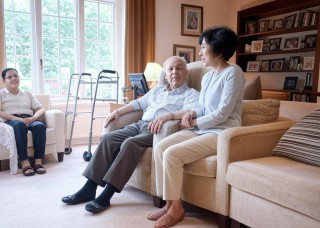
      The VA Aid and Attendance program offers financial assistance to veterans needing help with daily activities due to health issues, available through a pension for low-income wartime veterans or an allowance for 100% disabled individuals. Eligibility depends on medical documentation of care needs and navigating guidelines about income and service history, with funds being usable for various healthcare-related expenses.

    • caring for elderly parentsNurturing Our Loved Ones: A Daughter's Journey in Caring for Her Mother

      Please provide the content you'd like summarized.

    • caring for elderly parentsNurturing Our Elders: Linda's Journey of Supporting Her Mother

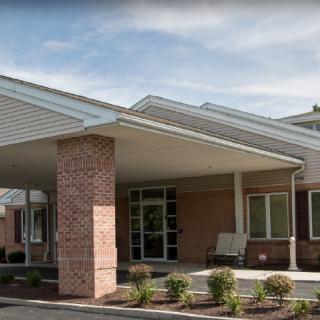
      Linda's caregiving journey for her elderly mother, Joan, is marked by deep love and challenges as she navigates health changes, emotional support, and practical arrangements while learning to prioritize self-care and utilize community resources. Their evolving relationship highlights resilience and the universal themes of empathy and preparedness in caregiver experiences.


    Get Pricing Ask A Question Schedule A Tour Contact Senior Advisor