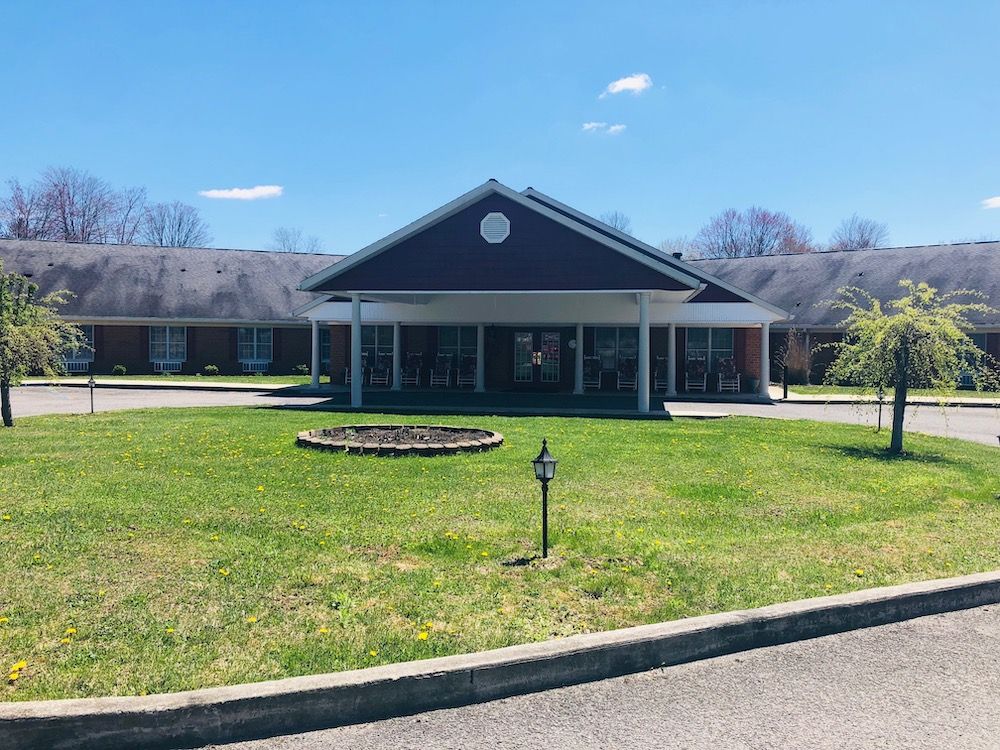
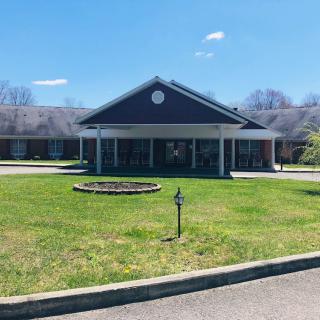
301 Wilson Lane, Elkins, WV 26241
For more information about senior living options: (866) 208-4318
Colonial Place Costs & Pricing
Colonial Place offers a range of accommodations with monthly costs that reflect both the quality of care and the local market. The pricing for a semi-private room is set at $4,218, aligning with the costs in Randolph County but significantly higher than the state average of $3,683. For those considering studio apartments, Colonial Place charges $4,921, which matches local rates while exceeding the West Virginia average of $4,207. Finally, their one-bedroom units are priced at $5,759; this figure is consistent with Randolph County but surpasses the state average by a notable margin of $1,742. Overall, while Colonial Place aligns with county pricing for certain room types, it does stand out as more expensive compared to broader statewide averages.
| Floor plans | Colonial Place | Randolph County | West Virginia |
|---|---|---|---|
| Semi-Private | $4,218 | $4,218 | $3,683 |
| Studio | $4,921 | $4,921 | $4,207 |
| 1 Bedroom | $5,759 | $5,759 | $4,017 |
Overall Review of Colonial Place
Pros
 The facility is described as the best they've tried.
- The staff are attentive, friendly, and professional.
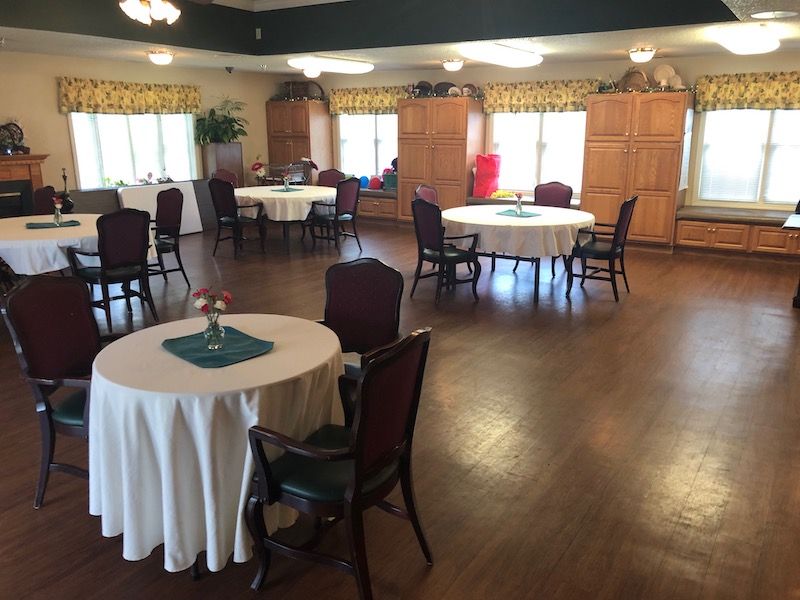
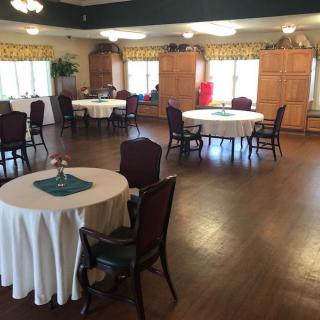
- The facility is clean and spacious.
- The memory care unit is excellent.
- They highly recommend the facility.
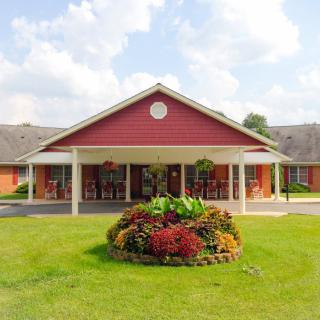
- The courtyard is well-designed, fenced, ADA compliant, with benches and nice sidewalks.
- A wide range of activities is offered.
- They could not ask for better care.
- The staff are absolutely wonderful and kind to residents and visitors.
- The meals are excellent.
Cons
 Colonial Place reduced the staff and changed operations, impacting care.
- The place is not clean.
- The care quality is lacking.
- There was no notification about the changes.
- There is worry about residents whose families don't know.
- The canopy over the outside patio area has not been replaced, leaving residents without shade.
Review
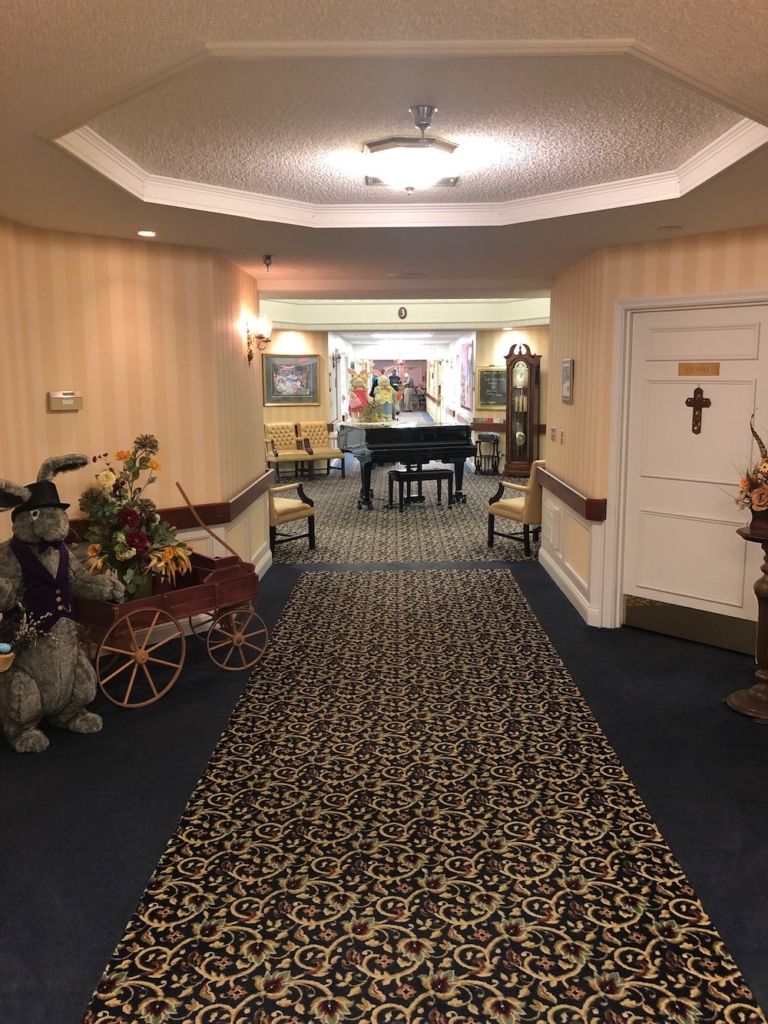
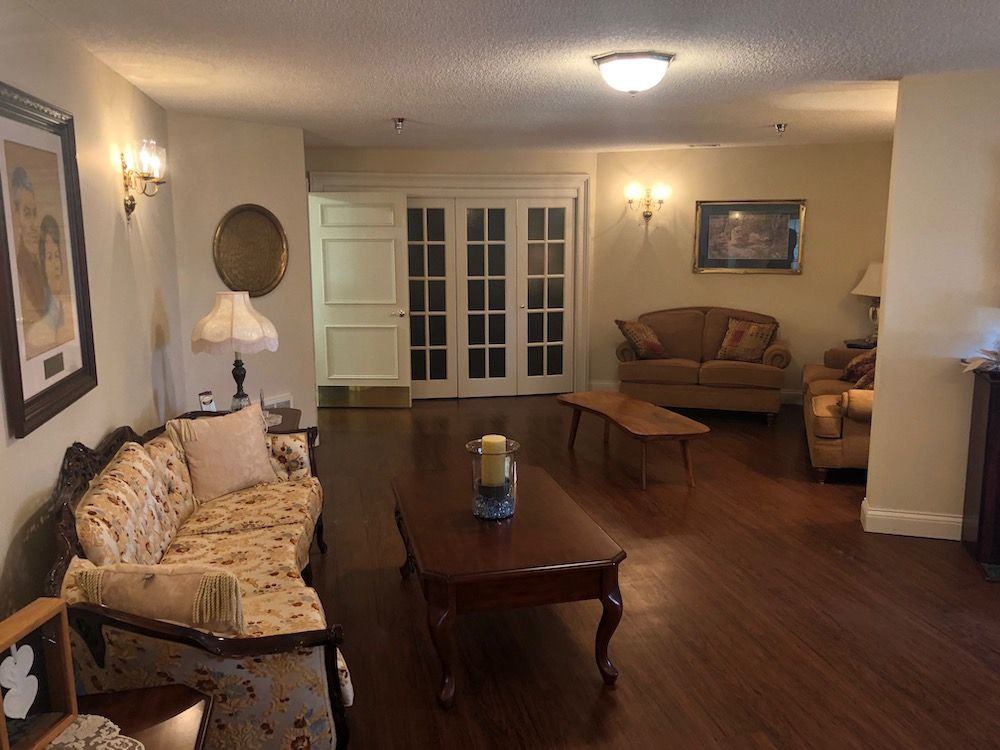
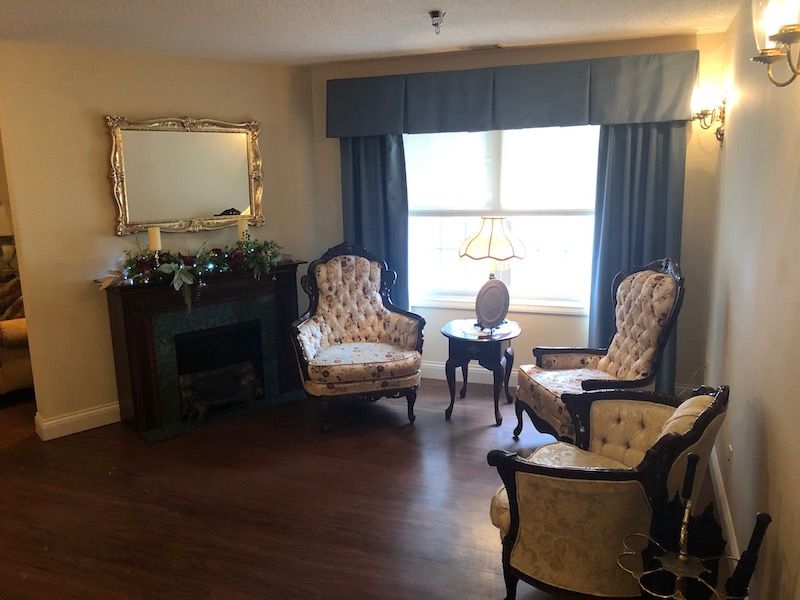
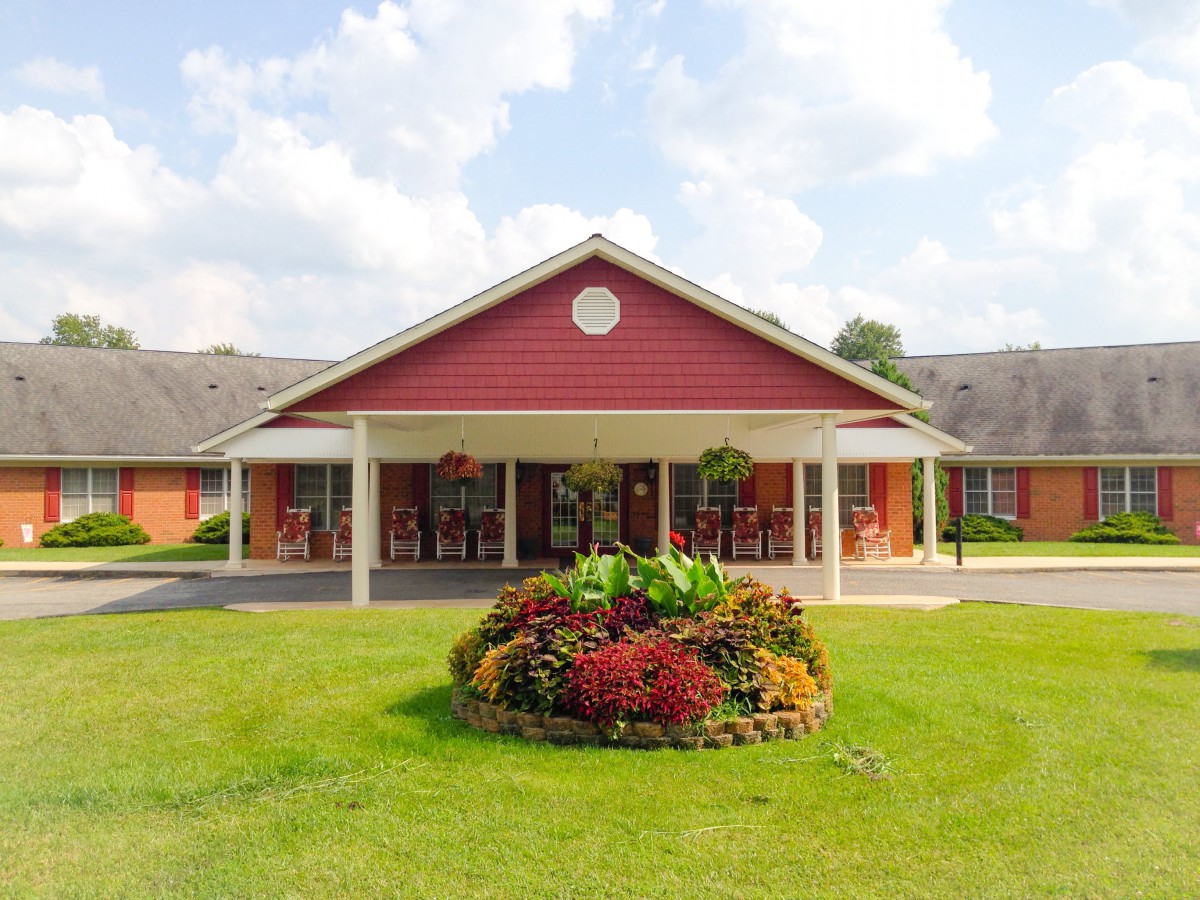
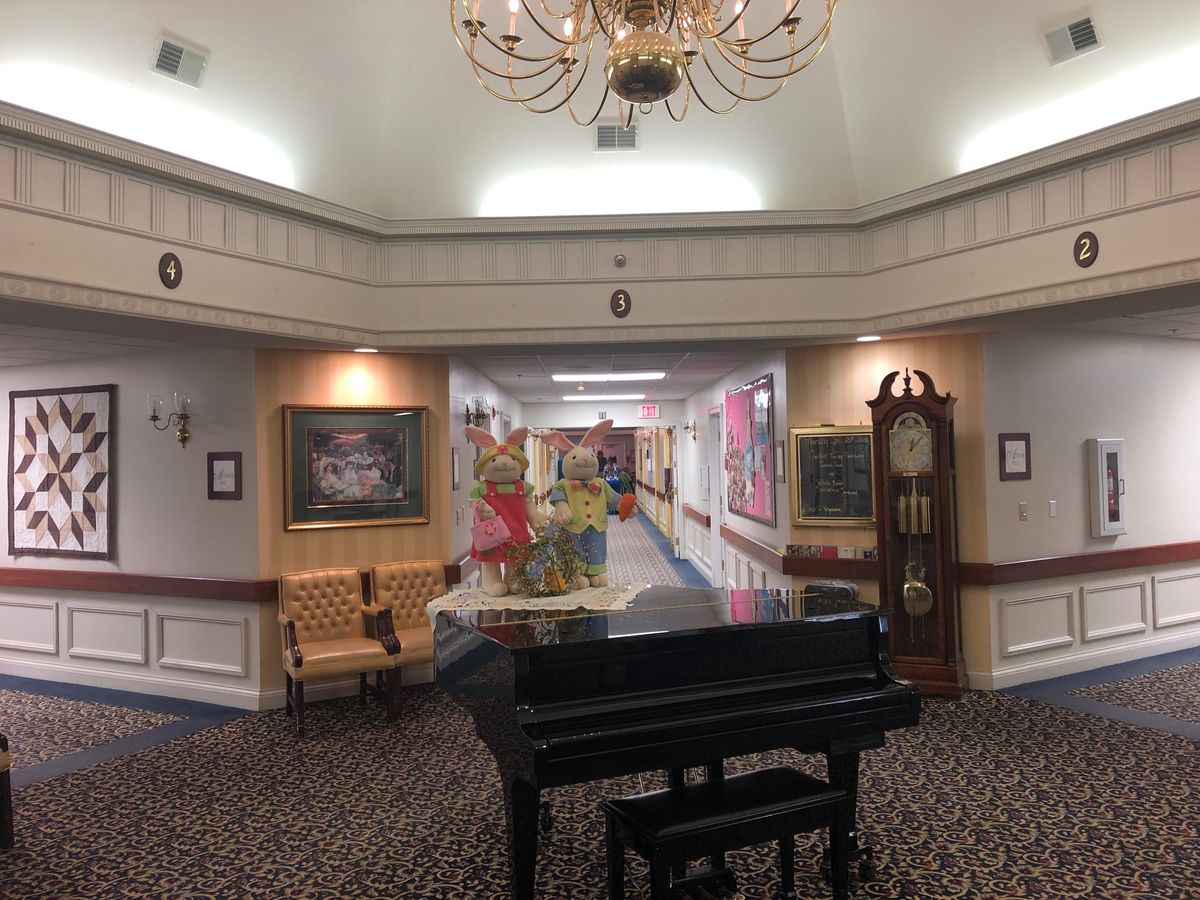
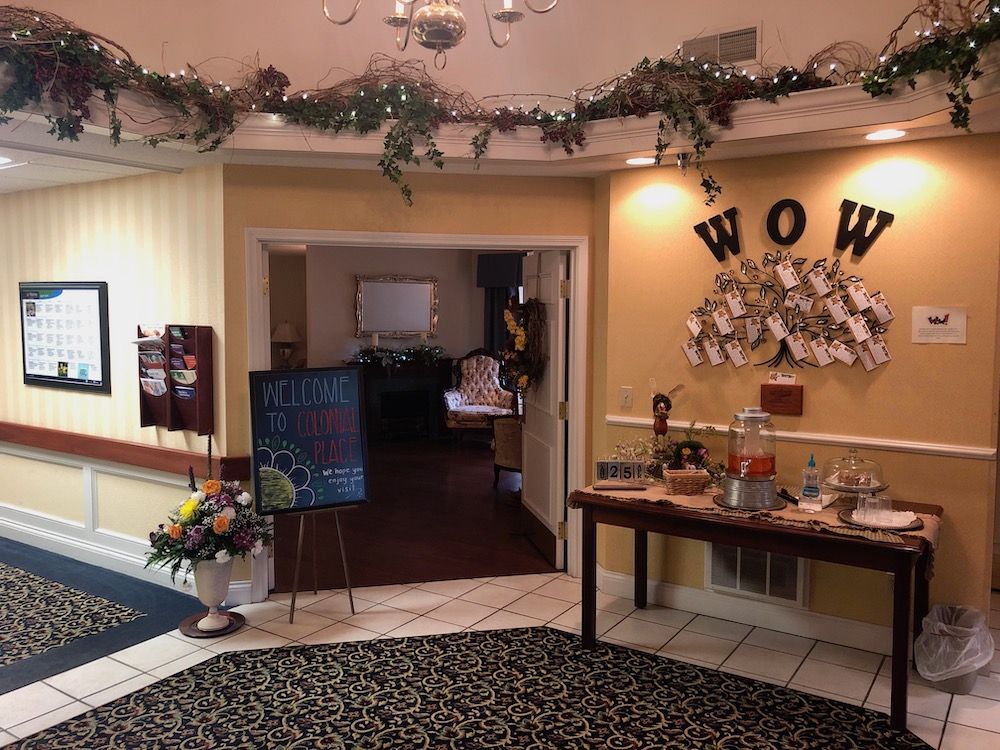
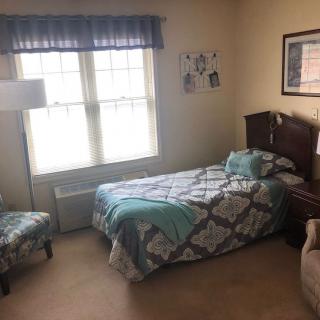
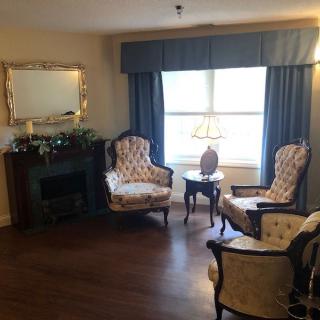
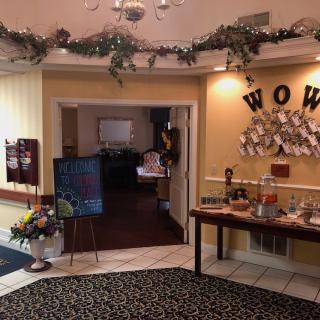
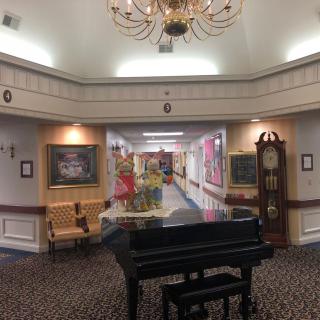
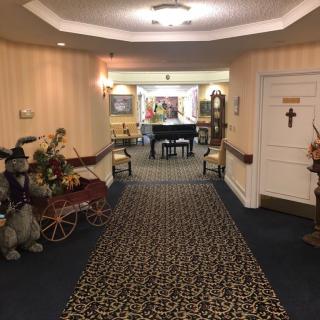
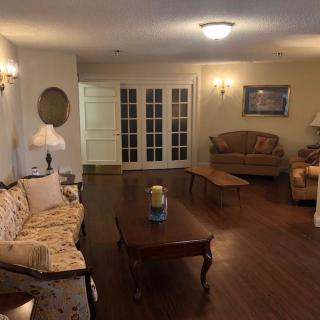
Colonial Place in Elkins, West Virginia is best suited for families seeking a memory-care–forward environment with a warm, attentive staff and a homey, well‑maintained setting. The community earns strong praise for its memory-care unit, where caregivers and families report an excellent level of specialized care, purposeful activities, and a safety‑minded approach. The facility itself is repeatedly described as clean and spacious, with a fenced, ADA‑compliant courtyard, inviting outdoor spaces, and a calendar packed with activities. For families who want direct, dependable communication from staff and a setting that feels like a residence rather than a clinical institution, Colonial Place often checks those boxes.
That said, potential residents should consider alternatives if staffing stability and consistent cleanliness are non‑negotiables. Several reviews flag a recent reduction in staff and accompanying changes in operations that some families feel have diminished care quality. There are mentions of lapses in cleanliness tied to leaner staffing and worries about how changes were communicated to families. For those who prize reliable transparency, predictable staffing, and fully shaded outdoor areas, it may be prudent to compare other local options to ensure a smooth continuity of care.
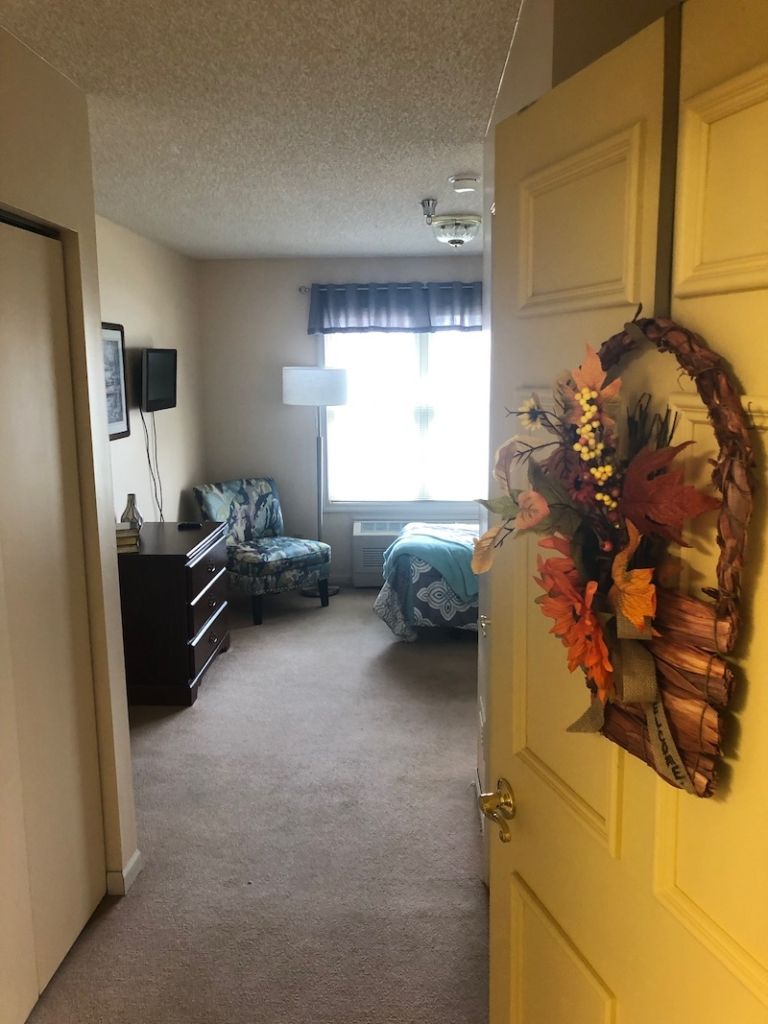
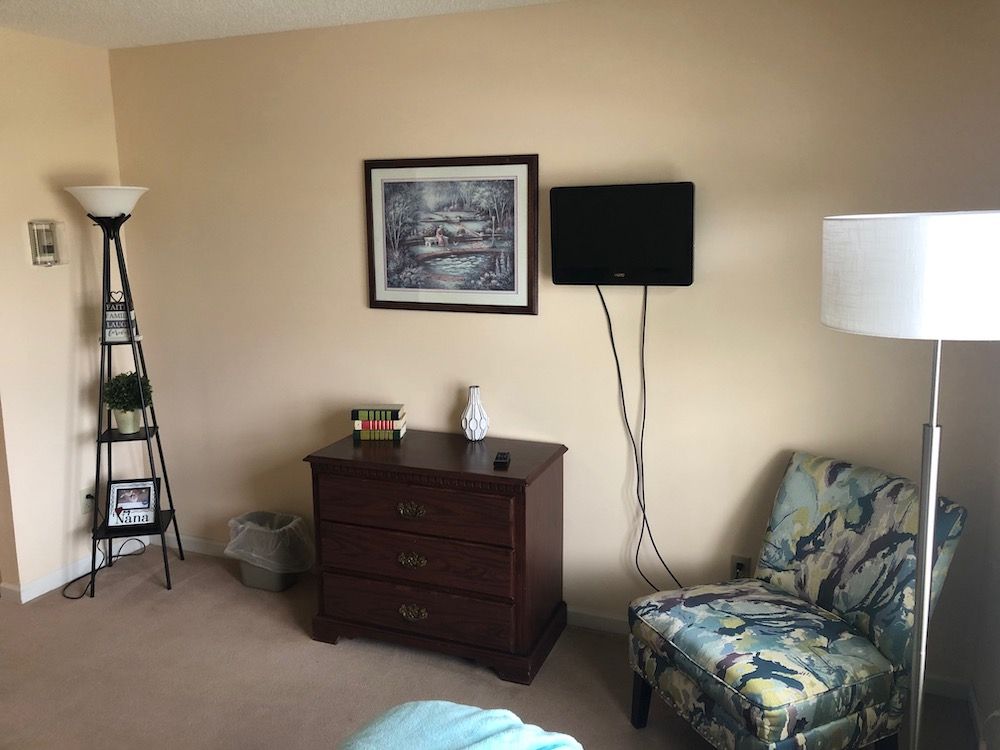
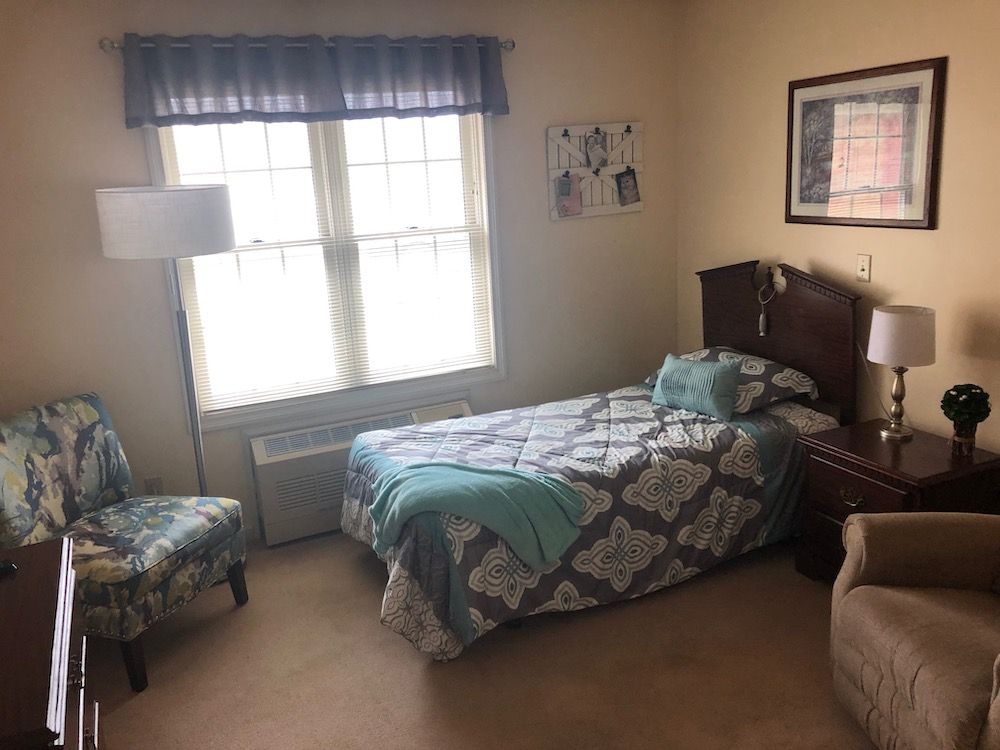
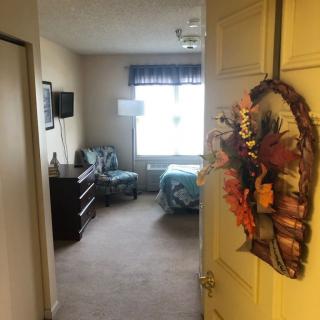
On balance, the positives are compelling. Staff are widely described as attentive, kind, and approachable, with ongoing efforts to keep residents active and engaged in daily routines. The dining program earns favorable remarks for variety and quality, and private rooms with individual climate control and ample storage contribute to a comfortable living experience. The campus’ dementia‑specific design, distinct areas for roamers with constant aides and a quiet zone for residents who need a calmer environment, adds a meaningful layer of safety and calm. Families consistently note solid communication from the staff and administrators, which can be a crucial healing factor for loved ones and their relatives.
Yet the downsides carry weight in decision making. Reports of reduced staffing, changes in care approaches, and inconsistent upkeep can undermine confidence, especially for families accustomed to a higher level of hands‑on attention. A few reviewers describe a sense that quality has declined since staffing shifts, and the absence of timely notices about these changes can strain trust. Some residents may encounter a more lockdown‑style atmosphere, which can feel restrictive for families seeking greater resident autonomy. A practical, small but real item is the outdoor canopy issue cited by one family; while minor, it highlights how even peripheral details can affect daily enjoyment.
Do the strengths offset the weaknesses? For many families, the answer is yes, particularly in cases where memory‑care expertise and daily activity are primary priorities. The care team’s demonstrated attentiveness, the robust memory‑care infrastructure, and the clean, welcoming milieu provide a solid foundation that can offset occasional staffing fluctuations. However, the caveat is clear: sustained staffing stability and transparent, proactive communication are essential to preserving the quality long term. The best fit tends to be families willing to accept occasional operational bumps in exchange for proven dementia care, structured activity, and a compassionate, engaged staff.
Practical next steps for families: arrange a candid on‑site tour with a focus on the memory‑care areas, and interview frontline caregivers and supervisors about current staffing levels and what changes have looked like in daily routines. Inspect outdoor spaces for shade options, confirm how residents access the courtyard, and review the most recent activity calendar to gauge real-time engagement. If roaming safety or a need for quiet, low‑stimulus areas are priorities, verify how those spaces are staffed and monitored day by day. In the end, Colonial Place offers a compelling package for families who want a dependable memory‑care setting with attentive staff and meaningful activity; for those who cannot tolerate potential declines in cleanliness or communication, it remains wise to compare several Elkins options to find a longer‑term fit.
 88 resident community capacity
 Studio apartments
 Assisted Living
 Memory Care
 Respite Care
 Activities off-site
 Air-conditioning
 Bath tubs
 Beautician on-site
 Cable or satellite TV
 Computer center
 Devotional services off-site
 Dining room
 Fitness room
 Fully furnished
 Gaming room
 Garden
 Ground floor units
 Handicap accessible
 Housekeeping services
 Indoor common areas
 Kitchenette
 Laundry
 Move-in coordination
 Outdoor common areas
 Party space
 Private bathrooms
 Restaurant-style dining
 Small library
 Telephone
 Wellness center
 Wheelchair accessible showers
 Wi-Fi/high-speed internet available
 Community operated transportation
 12-16 hour nursing
 24-hour call system
 Ambulatory care
 Assistance with bathing
 Assistance with dressing
 Assistance with transfers
 Diabetes diet
 Diabetic care
 Incontinence care
 Medication management
 Mental wellness program
 Special dietary restrictions
 Art classes
 Catholic services
 Concierge services
 Cooking classes
 Day trips and outings
 Educational speakers / life long learning
 Happy hour
 English




 Engaging Memory Care Activities That Enhance Quality of Life
 When to Transition from Assisted Living to Memory Care: Key Indicators, Steps, and Finding the Right Community
 Understanding the Distinctions: Assisted Living and Memory Care Explained