St. Joseph's Hospital

Save

St. Joseph's Hospital

Amalia Drive #1, Buckhannon, WV 26201

For more information about senior living options: (844) 490-3973

3 from 84 reviews
5 stars
38
4 stars
3
3 stars
3
2 stars
4
1 stars
36

Skilled Nursing Facility

What level of care are you interested in?

Assisted Living

Memory Care

Independent Living

Skilled Nursing Facility

Continuing Care Retirement Community (CCRC)CCRC

Other


Request a tour at St. Joseph's Hospital

    Overall Review of St. Joseph's Hospital

    Pros

    • pro The ER staff at St. Joseph's were friendly, kind, and compassionate.
    • pro The ER experience was quick and thorough despite being busy.
    • pro Nurses and doctors were in to see him within minutes of getting a bed.
    • pro The Respiratory Rehabilitation staff genuinely care about patients' health.
    • pro The Respiratory Rehabilitation program is highly recommended for compassionate care.
    • pro The ER staff are amazing - communicative, caring, patient, and understanding.
    • pro Staff opened the door and promptly arranged a wheelchair, showing attentive service.

    Cons

    • pro The hospital is terrible, with the staff rude and unprofessional.
    • pro ER wait times are unreasonably long, with patients waiting for hours to be seen.
    • pro Billing is inconsistent and incorrect across multiple visits, including a $1500 charge for an unnecessary procedure.
    • pro ICU nursing staff are inattentive and poor in meeting basic patient needs.
    • pro Security concerns exist, including a claim that a guard used a racial slur, making the environment feel unsafe.
    • pro Doctors are perceived to care more about money than patients, with long discharge times to maximize billing.
    • pro The podiatry office is terrible, with patients kept waiting indefinitely.
    • pro There are reports of misdiagnoses and inadequate care.
    • pro Test results and explanations are delayed or not communicated promptly.

    Review

    The collection of patient experiences at this hospital presents a diary of contrasts. On one side, there are moments of swift, compassionate care that leave a lasting positive impression; on the other, there are episodes of frustration, fear, and questions about safety, billing, and the overall responsiveness of the system. Taken together, the reviews form a complex picture of a facility that can deliver high-quality, human-centered care in some circumstances, while simultaneously revealing significant gaps in others.

    Several ER visits stand out for their praise of quick attention and clear communication. In a July visit for a child with high blood pressure and other symptoms, the family arrived to a scene where staff worked efficiently, and a bed was secured with remarkable speed. The nurse and the physician were in soon after, and the overall experience was described as outstanding. Specific names - Emma, Kim, Hannah, Charity, and Dr. Dobranski - were cited as the caring professionals who contributed to that positive impression. In another note, the ER team is described as "amazing - communicative, caring, patient and understanding," and a later account highlighted a bright, clean ER environment, a thoughtful nurse, and a physician (Dr. Travis Fisher) who explained the condition and treatment plan in a way that helped the patient feel informed and supported. These kinds of experiences emphasize moments when the hospital demonstrates its capacity for empathy, efficiency, and professional competence.

    Beyond the ER, there is strong, heartfelt praise for the Respiratory Rehabilitation program. The writer who recently graduated from the program described it as a place where staff truly cares about patients' health and well-being. The sentiment is that the people there are genuinely invested in patients' outcomes, and the recommendation to others is emphatic: go to St. Joseph's, because the staff's kindness and dedication are evident. That program is portrayed as a bright spot within the hospital ecosystem, reinforcing the idea that, when given time and attention, patients can receive targeted, compassionate care that supports their longer-term health goals.

    However, a recurring thread throughout the reviews is concern about financial and administrative processes. A patient reports being charged incorrectly across multiple visits, including a $1500 bill for a procedure they did not need, with the back-and-forth process suggesting that the determination of necessity should have occurred at the initial visit rather than after an expensive test. These experiences cast doubt on the consistency and transparency of billing practices and raise questions about the alignment between care decisions and the costs billed to patients. In addition, there is a separate note about the podiatry office, described as a place where patients are left waiting indefinitely, underscoring a broader frustration with scheduling and throughput that extends beyond the ER.

    Safety and bedside care concerns also surface in several accounts. One reviewer describes nursing in the ICU as "very poor" and not attentive to basic needs, highlighting a sense that essential caregiving might be slipping in some high-acuity settings. Another reviewer characterizes the hospital as a place where misdiagnosis is a risk and where a broader pattern of disengagement from patient needs can exist. There are also explicit safety worries about security practices: a claim that a security guard used a racial slur - allegedly the N-word - and a broader complaint that the security team may not be adequately trained to handle crisis situations, particularly for mental health concerns. Taken together, these notes raise legitimate concerns about safety culture, staff training, and the overall environment in which patients and families navigate medical crises.

    Wait times and triage experiences further color the overall assessment. Several reviews recount long waits in the ER, with patients waiting for hours without being seen, to the point of leaving due to the delay. One account describes waiting for over four hours with a child who had a head injury, only to be told to monitor symptoms and delay procedures like CT scanning. Others describe 3-, 4-, or 5-hour waits in the waiting room, with some patients choosing to seek care elsewhere rather than endure prolonged, uncertain delays. In one case, a patient with chest pain reports that only an EKG was performed and that crucial family medical history was not fully explored due to a curt line of questioning. These experiences collectively suggest inconsistencies in triage, workflow, and the ability to deliver timely diagnostic testing when patients most need it.

    Despite the negatives, there are nuanced moments of praise for individual clinicians, even within negative contexts. A parent recounts their teenage son's ER visit for chest pain where an otherwise positive relationship with a physician had deteriorated in the moment - driven by interrupted history-taking and a perceived lack of thoroughness. Yet in other posts, the same clinicians are described in highly favorable terms, suggesting that the quality of care can vary not just day by day but perhaps from clinician to clinician or shift to shift. This variability can leave patients and families uncertain about what to expect on any given visit, complicating the decision about where to seek care in a health system that already has mixed signals about reliability and outcomes.

    In sum, the patient reviews describe a hospital that operates at peak level in moments of strong, compassionate clinical interaction - where ER teams move quickly, where dedicated staff in rehabilitation care for long-term health, and where individuals feel heard and understood. Yet the same system is perceived as faltering in other critical areas: billing accuracy, wait times that stretch to hours in the ER, inconsistent nursing attentiveness in high-acuity settings, and safety culture concerns that include allegations of racial insensitivity and insufficient crisis training. For families evaluating care, the hospital presents a paradox: signs of excellence and kindness in some encounters, juxtaposed with meaningful frustrations and safety concerns in others. The overarching message from these accounts is that improvements in administration, throughput, and safety training could help align the patient experience with the high-quality care evident in several personal stories.

    Features

    Housing

    • 26 resident community capacity 26 resident community capacity

    Types of Care

    • Skilled Nursing Facility Skilled Nursing FacilitySkilled Nursing Facilities are crucial for seniors as they provide round-the-clock medical care, rehabilitation services, and assistance with daily activities. These facilities ensure that seniors receive the specialized care they need to maintain their health and well-being as they age.

    Amenities

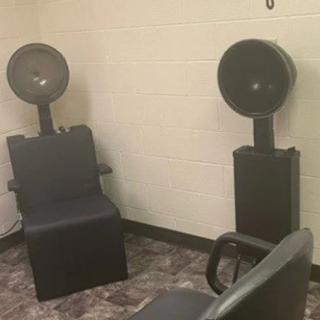
    • Beauty salon Beauty salonBeauty salons are important for seniors because they provide a space for them to feel pampered, socialize, and maintain their personal grooming and hygiene. Regular visits to a beauty salon can help boost seniors' self-esteem and overall well-being.
    • Cable or satellite TV Cable or satellite TVCable or satellite TV is important for seniors because it provides entertainment, news, and companionship, helping to combat loneliness and boredom. It also offers a wide range of programming options tailored to different interests and preferences.
    • Dining room Dining roomDining rooms are important for seniors as they provide a space for socialization, connection, and nutritious meals. They offer opportunities for residents to bond over shared meals, foster a sense of community, and promote healthy eating habits. Dining rooms also ensure that seniors have access to well-balanced meals tailored to their dietary needs and preferences.
    • Fully furnished Fully furnishedFully furnished senior living communities are important for seniors because they provide convenience, comfort, and a hassle-free moving experience. Seniors can easily settle into their new living space without the stress of having to buy and move furniture. This allows them to focus on enjoying their new home and community.
    • Garden GardenGardens are important for seniors as they provide a peaceful and therapeutic environment for relaxation, physical activity, and socialization. Being in nature has been shown to reduce stress, improve mood, and promote overall well-being. Gardens also offer opportunities for seniors to engage in gardening activities, which can improve mobility, flexibility, and cognitive function. Additionally, gardens create a sense of community and connection with others who share a passion for plants and outdoor spaces.
    • Housekeeping services Housekeeping servicesHousekeeping services are important for seniors because they help maintain a clean and safe living environment, promote independence, and reduce the risk of accidents or illnesses. Additionally, having assistance with household chores can alleviate physical strain and allow seniors to focus on other aspects of their well-being.
    • Kitchenette KitchenetteKitchenettes are important for seniors living in senior living communities because they provide the convenience and independence of being able to prepare simple meals and snacks in the comfort of their own living space. This can help promote a sense of autonomy and well-being for seniors, allowing them to maintain some level of control over their dietary choices and daily routines.
    • Move-in coordination Move-in coordinationMove-in coordination is important for seniors because it helps ease the transition into their new living environment. It ensures that all logistics, such as packing, organizing movers, and setting up utilities are taken care of, allowing seniors to focus on settling in and adjusting to their new home. Having a smooth move-in process can alleviate stress and anxiety, making the transition smoother and more enjoyable for seniors.
    • Outdoor space Outdoor spaceOutdoor spaces are important for seniors as they provide opportunities for physical activity, social interaction, exposure to natural light and fresh air, and a sense of connection to nature. Having access to outdoor spaces can improve overall well-being and quality of life for older adults living in senior communities.
    • Restaurant-style dining Restaurant-style diningRestaurant-style dining is important for seniors because it allows them to enjoy delicious, nutritious meals in a social and upscale setting. This enhances their dining experience, promotes healthy eating habits, and fosters socialization with fellow residents, ultimately contributing to their overall well-being and quality of life.
    • Small library Small librarySmall libraries are important for seniors as they provide access to a variety of reading materials, including books, newspapers, and magazines. This can help stimulate their minds, keep them engaged, and provide a sense of community through book clubs and other social activities. Additionally, reading has been shown to improve cognitive function and overall mental well-being in older adults.
    • Telephone TelephoneTelephones are important for seniors as they provide a lifeline for communication with loved ones, emergency services, and healthcare providers. They offer a sense of security and independence, enabling seniors to stay connected and access assistance when needed.
    • Wi-Fi/high-speed internet available Wi-Fi/high-speed internet availableWi-Fi/high-speed internet is important for seniors to stay connected with loved ones, access online resources, and participate in virtual activities to combat feelings of loneliness and isolation. It also allows them to easily manage healthcare needs, access entertainment, and engage in lifelong learning opportunities.

    Care Services

    • 24-hour call system 24-hour call system24-hour call systems are important for seniors because they provide peace of mind and immediate assistance in case of emergencies. This technology ensures that help is always available, promoting safety and security for elderly individuals living alone or in assisted living facilities.
    • 24-hour supervision 24-hour supervision24-hour supervision is important for seniors to ensure their safety, well-being, and access to immediate assistance in case of emergencies or health issues. This constant support provides peace of mind for both seniors and their loved ones, allowing them to age in place with dignity and security.
    • Activities of daily living assistance Activities of daily living assistanceActivities of daily living assistance are important for seniors because they provide essential support with tasks such as eating, bathing, dressing, and mobility. This assistance helps seniors maintain their independence, dignity, and overall quality of life as they age.
    • Assistance with bathing Assistance with bathingAssistance with bathing is crucial for seniors as it helps maintain personal hygiene, prevents infections, and ensures their overall well-being and comfort. It also provides a sense of dignity and independence for seniors who may struggle with this task on their own.
    • Assistance with dressing Assistance with dressingAssistance with dressing is important for seniors because it helps maintain their independence, promotes personal hygiene, prevents accidents and injuries, and improves overall quality of life. This service ensures that seniors can continue to dress comfortably and confidently, despite any physical limitations they may have.
    • Assistance with transfers Assistance with transfersAssistance with transfers is crucial for seniors as it helps prevent falls and injuries, maintains their independence, and ensures they can safely navigate their living environment. It also provides peace of mind for both seniors and their loved ones.
    • Diabetes diet Diabetes dietA diabetes diet is crucial for seniors as it helps manage blood sugar levels, reduce risks of complications, and improve overall health and well-being. By following a balanced and nutritious diet tailored to their specific needs, seniors can better control their diabetes and enhance their quality of life.
    • Meal preparation and service Meal preparation and serviceMeal preparation and service are crucial for seniors as they may have limited mobility or energy to cook nutritious meals. Having access to healthy and convenient food options can ensure they are getting the proper nutrition needed to maintain their overall health and well-being.
    • Medication management Medication managementMedication management is crucial for seniors to ensure they are taking the right medications at the correct dosages and times. This helps prevent adverse drug interactions, reduces the risk of medication errors, and promotes overall health and well-being. Proactive management also allows for adjustments as needed based on changing health conditions or new prescriptions.
    • Mental wellness program Mental wellness programMental wellness programs are essential for seniors as they promote cognitive stimulation, emotional support, and social engagement. These programs help prevent isolation, depression, and cognitive decline, ultimately enhancing the overall quality of life for older adults.
    • Special dietary restrictions Special dietary restrictionsSpecial dietary restrictions are important for seniors because age-related changes in metabolism and health conditions can make it difficult for their bodies to process certain foods. By following a diet tailored to their specific needs, seniors can maintain their overall health and well-being, manage chronic conditions, and reduce the risk of complications such as malnutrition or food interactions with medications.

    Dining

    • Diabetes diet Diabetes dietA diabetes diet is crucial for seniors as it helps manage blood sugar levels, reduce risks of complications, and improve overall health and well-being. By following a balanced and nutritious diet tailored to their specific needs, seniors can better control their diabetes and enhance their quality of life.
    • Special dietary restrictions Special dietary restrictionsSpecial dietary restrictions are important for seniors because age-related changes in metabolism and health conditions can make it difficult for their bodies to process certain foods. By following a diet tailored to their specific needs, seniors can maintain their overall health and well-being, manage chronic conditions, and reduce the risk of complications such as malnutrition or food interactions with medications.

    Activities

    • Community-sponsored activities Community-sponsored activitiesCommunity-sponsored activities are important for seniors as they provide opportunities for social interaction, mental stimulation, and physical activity. These activities can help improve overall well-being, combat loneliness and isolation, and promote a sense of belonging and purpose among older adults.
    • Resident-run activities Resident-run activitiesResident-run activities are important for seniors as they encourage social interaction, creativity, and a sense of autonomy. These activities empower seniors to stay engaged and active in their community while fostering meaningful connections with their peers.
    • Scheduled daily activities Scheduled daily activitiesScheduled daily activities are important for seniors because they provide structure, socialization, mental stimulation, and physical activity. Engaging in regular activities can improve overall well-being and quality of life for seniors living in a community setting.

    Description

    St. Joseph's Hospital in Buckhannon, WV, offers a warm and welcoming assisted living community designed to promote comfort, safety, and well-being for its residents. With a comprehensive array of amenities, residents can enjoy a fulfilling and engaging lifestyle within a supportive environment.

    The community features beautifully furnished accommodations complete with cable or satellite TV, Wi-Fi/high-speed internet access, and kitchenettes for personal convenience. Residents can take advantage of the serene outdoor spaces and well-maintained gardens that provide a peaceful retreat. The dining experience is elevated with restaurant-style service, catering to special dietary restrictions and promoting nutritious meal options tailored to individual needs.

    St. Joseph’s emphasizes comprehensive care services including 24-hour supervision, assistance with daily activities such as bathing and dressing, medication management, and specialized programs focusing on mental wellness and diabetes management. Friendly staff members are dedicated to providing personalized support while encouraging independence.

    Residents can participate in scheduled daily activities alongside resident-run events that foster social connections and engagement within the community. Housekeeping services ensure a clean living environment while move-in coordination makes transitions smooth for new residents.

    Conveniently located near parks, pharmacies, physicians’ offices, restaurants, places of worship, and entertainment venues—a theater included—St. Joseph's Hospital provides easy access to essential services and recreational opportunities. Whether looking for assistance or a vibrant community atmosphere, St. Joseph’s offers an ideal setting for an enriching lifestyle tailored to meet each resident's unique needs.

    Nearby Places of Interest

    This part of Buckhannon, West Virginia, offers a convenient and bustling environment with a variety of amenities that cater to senior living. With multiple restaurants such as Taco Bell, Yummy Buffet, and C J Maggie's American Grill within walking distance, residents have plenty of dining options to choose from. Additionally, there are several places of worship nearby including Holy Rosary Catholic Church and Sago Baptist Church for spiritual fulfillment. For medical needs, there are multiple physicians' offices and pharmacies in close proximity, providing easy access to healthcare services. The community also boasts recreational opportunities with Upshur Village Cinemas and Audra State Park just a short drive away. Overall, this area offers a well-rounded lifestyle for seniors looking for convenience and accessibility in their daily activities.

    Restaurants

    • Mathias John Joseph s Foundation of Buckhannon (0 miles)
    • Taco Bell (0.2 miles)
    • Yummy Buffet (0.3 miles)
    • The World's End Restaurant (0.3 miles)
    • C J Maggie's American Grill (0.4 miles)
    • Arby's (0.5 miles)
    • McDonald's (0.7 miles)

    Places of Worship

    • St Joseph's Convent (0 miles)
    • Holy Rosary Catholic Church (0.1 miles)
    • Office of Prison Ministries (0.1 miles)
    • Sago Baptist Church (0.3 miles)
    • Chapel Hill United Methodist Church (0.6 miles)
    • First United Methodist Church (0.6 miles)
    • Wesley Chapel and Martin Religious Center (0.9 miles)

    Physicians

    • Express Care Clinic (0.1 miles)
    • St Joseph's Physicians Office Center (0.1 miles)
    • Dr Ali Khan (0.2 miles)
    • Buckhannon Medical Care (0.3 miles)
    • Care Express (0.3 miles)
    • Associates for Womens Health (0.4 miles)
    • Family Medical Clinic (11.8 miles)

    Pharmacies

    • CVS Pharmacy (0.2 miles)
    • Revco Drug Stores (0.2 miles)
    • Thompson's Pharmacy (0.4 miles)
    • Miller's Pharmacy (0.4 miles)
    • Walmart Pharmacy (9.8 miles)
    • Fast & Friendly Pharmacy (12.3 miles)
    • CVS Pharmacy (12.6 miles)

    Theaters

    • Upshur Village Cinemas (1 miles)

    Parks

    • Audra State Park (1.7 miles)
    • Clarksburg City Park (18.9 miles)

    Transportation

    • Valley Rent A Car (1.9 miles)
    • U-Haul Neighborhood Dealer (15.3 miles)

    Hospitals

    • Stonewall Jackson Memorial Hospital (12.8 miles)
    • Broaddus Hospital (14.1 miles)
    • Stonewall Jackson Memorial Hospital (14.3 miles)
    • Davis Memorial Hospital (15.3 miles)
    • Jeffery E. Gates, OD & Associates (19 miles)

    Cafes

    • Tim Hortons (18.8 miles)
    • Starbucks (19.8 miles)

    Frequently Asked Questions

    Where is St. Joseph's Hospital?
    What photos are available for St. Joseph's Hospital in Buckhannon, West Virginia?

    Nearby Communities

    Skilled Nursing Facility in Nearby Cities

    Related Resources

    • does medicare cover hospiceComprehensive Guide to Medicare Coverage for Hospice Care

      Hospice care focuses on providing comfort and support for individuals nearing the end of life, with Medicare Part A covering services like nursing care and counseling for patients with a terminal illness and a life expectancy of six months or less. While most hospice services are low-cost for eligible patients, families should be aware that certain expenses, such as room and board, may not be covered.

    • caregiver burnoutCaring for Those Who Care: Recognizing, Understanding, and Overcoming Caregiver Burnout

      Caregiver burnout is a common issue resulting from the intense physical, emotional, and mental demands of caregiving, leading to symptoms like fatigue and social withdrawal. To prevent burnout, caregivers should recognize early warning signs and implement self-care strategies, seek support, and prioritize their own well-being alongside that of those they care for.

    • caregiver burnoutCaregiver Exhaustion: Recognizing the Signs and Restoring Your Well-Being

      Caregiver exhaustion, or burnout, stems from the relentless demands of caregiving, leading to emotional and physical depletion characterized by stress, frustration, and neglect of personal needs. Addressing this burden is essential to prevent long-term consequences, with early recognition and support being crucial for caregivers to maintain balance and implement self-care.


    Get Pricing Ask A Question Schedule A Tour Contact Senior Advisor