
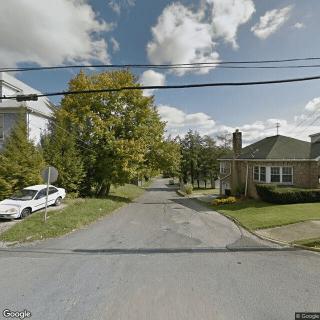
95 Healthcare Drive, Philippi, WV 26416
For more information about senior living options: (866) 208-4318
Overall Review of Mansfield Place
Pros
 The community is small, and the nurse-to-resident ratio is really good.
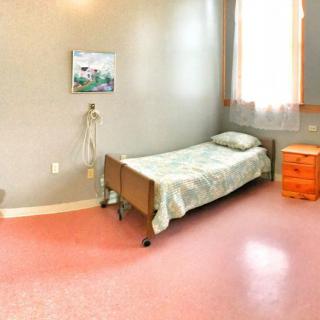
- The rooms include a television, a private bathroom, and a shower.
- The facility is very clean and offers daily activities to engage residents.
- Religious services are offered on Sundays, with programs to involve residents.
- The staff is conscientious, communicative, and involved in residents’ care.
- It is described as a wonderful place where residents are treated with respect and kindness.
- The staff are caring and clearly love their residents, contributing to good care.
Cons
 The reviewer describes the staff as the worst.
- The reviewer states that CNAs staying at work while sick is illegal and calls for reporting the facility.
- The reviewer feels the level of care for their mother was not up to expectations.
- The reviewer notes short-staffing and an unbearable smell, with residents' requests ignored.
- The reviewer complains that the social worker is hard to reach.
Review
Mansfield Place in Philippi, WV is best suited for families seeking an intimate, nurse-driven environment for memory-care within a small community. The setting appeals to those who value a private-room experience, a clean and orderly campus, and structured daily engagement for a resident with Alzheimer’s or dementia. The presence of daily activities, Sunday religious services, and active family involvement in care planning meetings stands out as a core strength. When care teams operate well, residents receive attentive monitoring and coordinated touchpoints with nutritionists, activities staff, and the head nurse. This combination can deliver meaningful continuity in a small-house model where staff can know residents well.
Still, opportunities to consider alternatives are warranted for families with different non-negotiables. Those who require unwavering staffing predictability, rapid response to needs, and consistently accessible social-work support may find Mansfield Place challenging. One recurring concern is difficulty reaching the social worker, which undermines timely care coordination for families that rely on regular updates. A separate thread from the same reviews highlights perceived staffing strain and even illegal practices (a CNA reportedly working while sick), underscoring a potential mismatch for households that cannot tolerate inconsistent coverage or questions about staff well-being and compliance.
On the upside, the strongest verifiable pros are tangible and recurring. The Alzheimer’s unit benefits from a relatively favorable nurse-to-resident ratio, a meaningful factor in daily comfort and safer monitoring. Rooms are described as comfortable with private baths and televisions, and the environment is consistently portrayed as clean. The facility emphasizes daily activities designed to engage residents, with some programs and games that encourage interaction among peers. Family members report constructive involvement through regular meetings, which can help align care goals, nutrition, and activity plans with a resident’s history and preferences. For families that prioritize a warm, personalized care plan, these elements can make a real difference.
Yet the main cons carry significant weight. Reports of short-staffing on certain shifts, difficulties in obtaining timely assistance for basic needs, and odors in the facility paint a troubling picture of day-to-day operations. Instances where residents were observed needing help yet being overlooked raise concerns about response times and overall safety. The combination of staffing pressures, communication gaps with the social worker, and a few emotionally charged caregiver experiences suggest that not every resident will receive consistently proactive attention. In a setting meant to support vulnerable seniors, these gaps cannot be dismissed.
The critical question becomes whether the pros can meaningfully offset the cons for a given family and resident. The answer depends on tolerances for variability and the ability to engage closely with care planning. For a resident whose family can visit often, monitor daily routines, and participate actively in care conferences, Mansfield Place can deliver a comfortable, engaged environment with disciplined routines and clean surroundings. For others, especially those needing rapid, reliable help, or who require a transparent, uninterrupted line of communication to a social worker and administrator, the risks associated with staffing and oversight may outweigh the benefits. This is not a one-size-fits-all decision; it hinges on whether a small, intimate setting can be safeguarded against the more troublesome operational gaps.
In closing, Mansfield Place should be on the short list for families who value a tight-knit staff rapport, a clean and calm living space, and active family involvement in care decisions, particularly for Alzheimer’s care. However, those who cannot tolerate inconsistent staffing, limited staff accessibility, or odors that signal underlying workflow issues should evaluate stronger alternatives with steadier staffing patterns and more transparent accountability. Prospective families are advised to request detailed staffing schedules, meet the social worker and nurse manager, tour during peak hours, and review the resident care plan in depth. If those assurances cannot be secured, exploring other licensed options in the region is a prudent, protective choice.
 60 resident community capacity
 Skilled Nursing Facility
 Air-conditioning
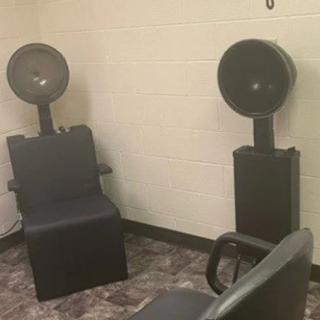
 Beauty salon
 Cable or satellite TV
 Computer center
 Dining room
 Fitness room
 Fully furnished
 Gaming room
 Garden
 Housekeeping services
 Kitchenette
 Move-in coordination
 Outdoor space
 Private bathrooms
 Restaurant-style dining
 Small library
 Telephone
 Wellness center
 Wi-Fi/high-speed internet available
 Community operated transportation
 12-16 hour nursing
 24-hour call system
 Activities of daily living assistance
 Assistance with bathing
 Assistance with dressing
 Assistance with transfers
 Diabetes diet
 Medication management
 Mental wellness program
 Special dietary restrictions
 Concierge services
 Planned day trips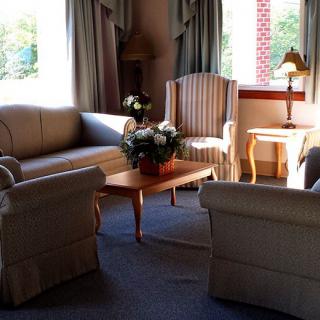





 In-Depth Look at the VA Aid and Attendance Program
 Nurturing Our Loved Ones: A Daughter's Journey in Caring for Her Mother
 Nurturing Our Elders: Linda's Journey of Supporting Her Mother