
183 Holbrook Road, Buckhannon, WV 26201
For more information about senior living options: (866) 208-4318
Overall Review of Holbrook Nursing Home
Pros
 They take good care of residents' mothers.
- There were a few good people there, including the head nurse.
- They took good care of her mother and made her final days pain-free.
- The staff members were nice.
Cons
 The reviewer was not happy with the place or the treatment.
- The facility is not conducive to healing.
- Clothes were lost in laundry and disappeared.
- There was a big fight in the bathroom in the middle of the night.
- The experience was the most horrible of their life, and the place should be closed.
- The staff were cold and treated the reviewer poorly, and comfort care was misrepresented as drugging patients.
- The building is old and dilapidated with a bad odor, and physical therapy was a joke.
Review
Holbrook Nursing Home in Buckhannon is best suited for families operating on a tight budget who need basic custodial support and can tolerate an older, somewhat worn facility with uneven staffing. It is not the right match for families seeking strong rehabilitation programs, modern amenities, or consistently warm, professional care. Those with memory-care needs or requiring highly structured supervision will likely find this community insufficient to meet expectations.
Alternatives deserve serious consideration for anyone prioritizing cleanliness, safety, and predictable care. Several reviews describe an outdated building with a strong odor, inconsistent housekeeping, and a culture where some staff can be cold or dismissive. For families anchored on robust rehab, wound care, or infection-control standards, a different home in or near Buckhannon, potentially one in Elkins that has earned praise, will typically deliver steadier quality and a more respectful environment.
On the upside, there are authentic moments of good care. Some caregivers are described as genuinely attentive, and there are instances where staff helped a resident endure serious illness with a pain-free end. A head nurse and a few team members are cited as competent and compassionate. Yet these positives are overwhelmed by a chorus of negative experiences: an aging facility that feels neglected, a physical-therapy program that many residents deem ineffective, and reports of lost laundry and belongings. Night-time incidents, disengaged or distant staff, and appearances of understaffing contribute to a perception that care quality is inconsistent at best.
That imbalance matters because the potential benefits do not consistently offset the fundamental risks. The ability to provide comfort in final days holds value, but it cannot erase ongoing concerns about safety, privacy, and respect. When residents complain about being shut in rooms, overmedication, or being treated as a problem to be managed rather than a person with needs, the overall trust in daily care erodes. The sense that some residents seem to “run the place”, and that responses to problems are slow or dismissive, further diminishes confidence that basic needs will be met reliably.
From a practical decision-making standpoint, concrete steps are essential. Schedule multiple visits at different hours to observe how staff interact with residents and how problems are handled across shifts. Speak with direct caregivers, the head nurse, and the administrator about care planning, medication administration, and discharge processes. Inspect cleanliness and odor personally, and verify laundry handling and the return of personal items. Request to review individualized care plans, rehabilitation services, and social programming to gauge whether activities are ongoing and meaningful. If choosing Holbrook, set explicit expectations, demand clear escalation paths, and be prepared to reassess if safety or dignity appears at risk.
Bottom line: Holbrook Nursing Home represents a last-resort option for families constrained by cost, where a loved one needs only basic assistance and can tolerate an older, imperfect setting. For anyone seeking consistently safe care, reliable rehab, and a living environment that is clean, respectful, and well-maintained, alternatives should be prioritized. When a placement at this facility is contemplated, approaching with vigilance, well-defined benchmarks, and a ready exit plan is prudent to avoid compromising both safety and quality of life.
 120 resident community capacity
 Skilled Nursing Facility
 Air-conditioning
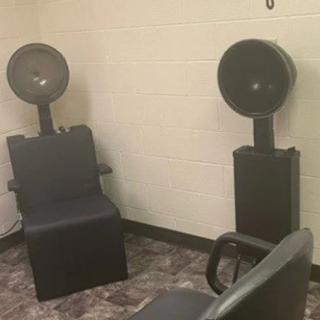
 Beauty salon
 Cable or satellite TV
 Computer center
 Dining room
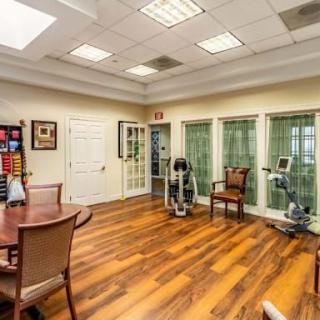
 Fitness room
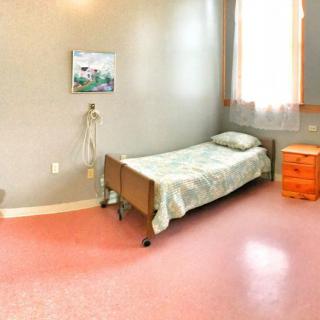
 Fully furnished
 Gaming room
 Garden
 Housekeeping services
 Kitchenette
 Move-in coordination
 Outdoor space
 Private bathrooms
 Restaurant-style dining
 Small library
 Telephone
 Wellness center
 Wi-Fi/high-speed internet available
 Community operated transportation
 12-16 hour nursing
 24-hour call system
 Activities of daily living assistance
 Assistance with bathing
 Assistance with dressing
 Assistance with transfers
 Diabetes diet
 Medication management
 Mental wellness program
 Special dietary restrictions
 Concierge services
 Planned day trips



 Top Cars for Senior Drivers and Essential Safety Innovations
 A Closer Look at Private Pay Home Care
 Comprehensive Approaches for Arthritis: A Detailed Guide to Symptoms, Causes, and Care