The Oaks At Timberline in Vancouver, WA

Save

  • Interior

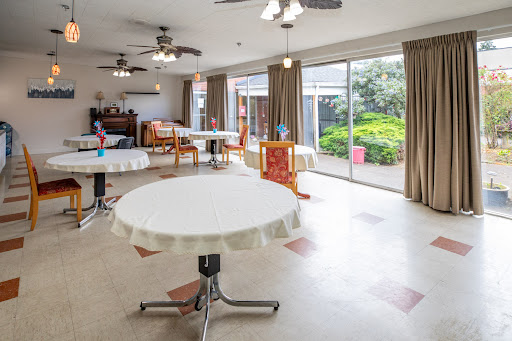
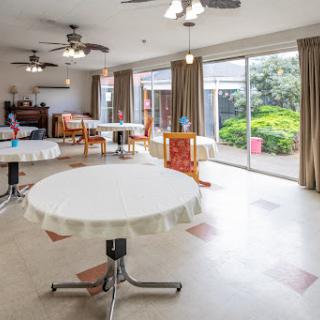
    A bright and spacious dining area with tables set up for meals, featuring large windows that allow natural light to fill the space.
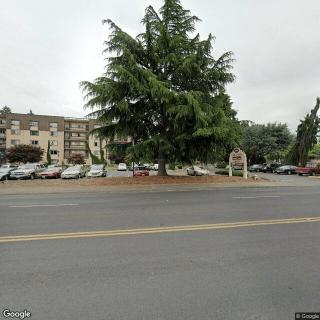
  • Outdoors

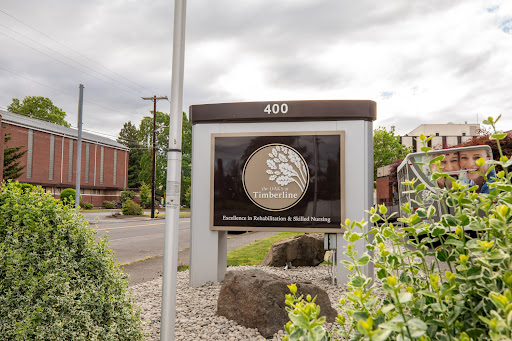
    A business sign indicating the location of a firm specializing in architecture and engineering.
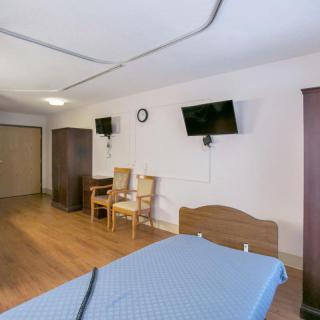
  • Bedroom

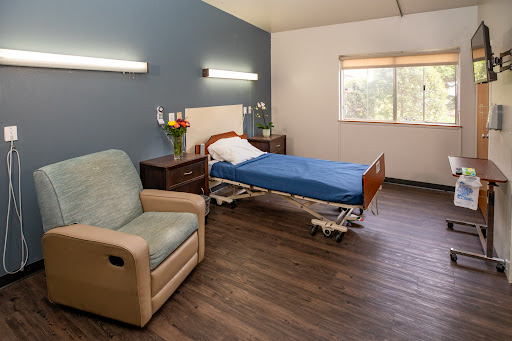
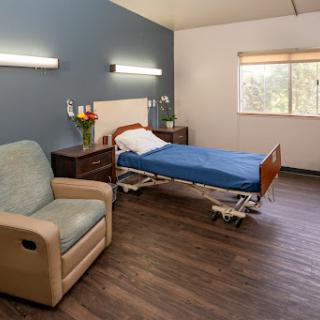
    A comfortable patient room featuring a hospital bed, seating area, and a view from the window.
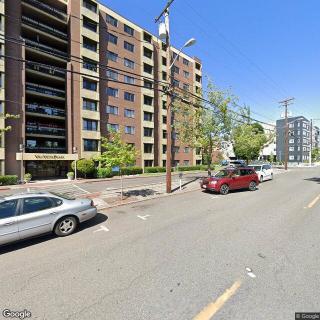
  • Trees

    Aerial view of a suburban area featuring a mix of buildings, greenery, and roads under a cloudy sky.
  • Landscaping

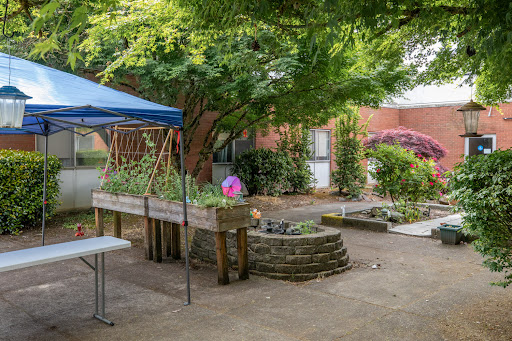
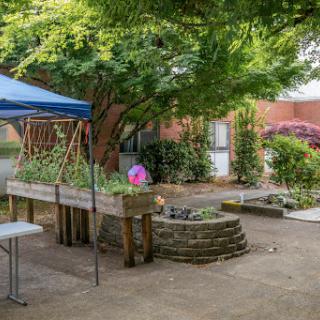
    A serene garden area featuring raised vegetable beds, a table, and lush greenery.
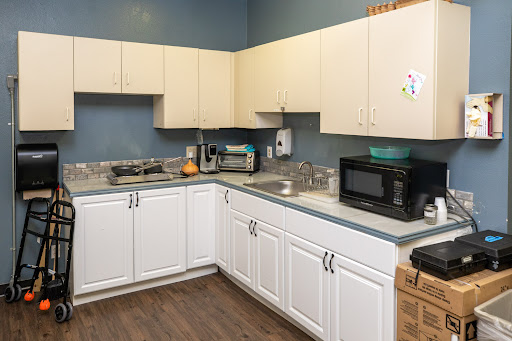
  • Kitchen

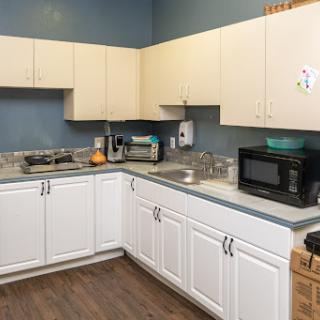
    A modern kitchen featuring white cabinets, a countertop with a sink, and various appliances.
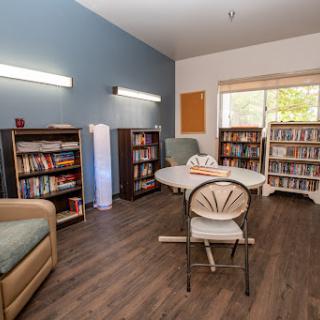
  • Seating Area

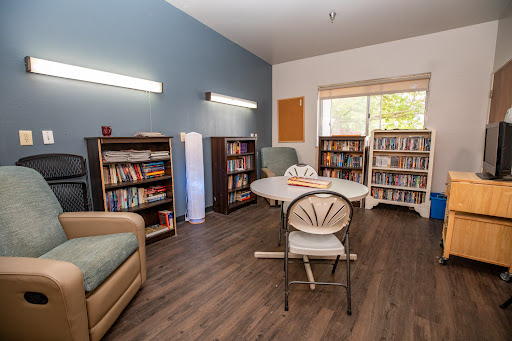
    A cozy reading room with bookshelves, a comfortable seating area, and plenty of natural light.
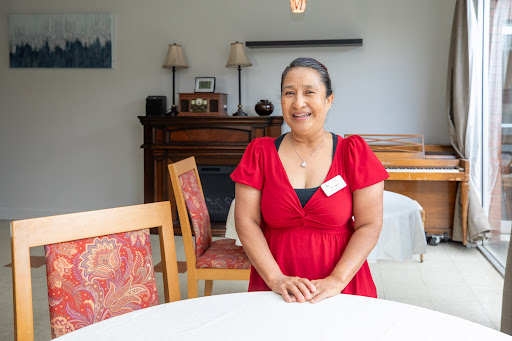
  • Office

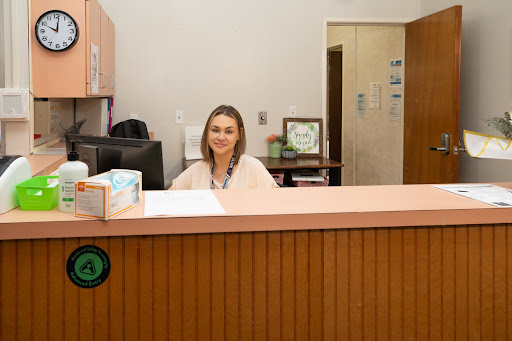
    A friendly receptionist sitting at a desk, ready to assist visitors in an office setting.
  • Indoor Garden

    A vibrant indoor garden setup showcasing various plants against a green backdrop.

The Oaks At Timberline in Vancouver, WA

400 East 33rd Street, Vancouver, WA 98663

For more information about senior living options: (844) 490-3973

4 from 80 reviews
5 stars
55
4 stars
4
3 stars
1
2 stars
3
1 stars
17

Skilled Nursing Facility

What level of care are you interested in?

Assisted Living

Memory Care

Independent Living

Skilled Nursing Facility

Continuing Care Retirement Community (CCRC)CCRC

Other


Request a tour at The Oaks At Timberline

    Overall Review of The Oaks At Timberline

    Pros

    • pro The Oaks at Timberline's leadership and support team are amazing, caring, professional, and highly organized.
    • pro Each staff member is engaging, follows through on needs, and treats residents with respect.
    • pro The care plan meetings are focused, informative, and outcome-based.
    • pro The admissions team is compassionate and proactive, helping families stay together during stressful times.
    • pro The staff provide a safe haven where residents regain strength, with attentive front-line care.
    • pro The therapy and nursing teams are dedicated, delivering excellent care and motivating patients to improve.
    • pro The facility has undergone positive renovations and upgrades, with a strong therapy department.
    • pro Front desk and reception staff are welcoming, friendly, and accommodating.
    • pro Families would readily recommend The Oaks at Timberline for short-term rehab and skilled nursing care.
    • pro Reviewers consistently note that the staff's kindness, professionalism, and teamwork create a caring environment.

    Cons

    • pro Reviewers advise against sending loved ones here.
    • pro Residents were left sitting in their own filth for hours.
    • pro The staff were described as apathetic and lacking nurturing ability.
    • pro There was a lack of organization and communication between patients and staff.
    • pro Care was minimal due to under-staffing.
    • pro The facility regularly ran out of food.
    • pro Some five-star reviews were alleged to be written by staff or their friends.
    • pro Noelle was described as unprofessional and engaging in personal attacks.
    • pro There were reports that reducing medications led to a patient's deterioration requiring hospitalization.

    Review

    The Oaks at Timberline in Vancouver, WA is best suited for families seeking a rehab-forward skilled nursing experience where the priority is recovery, therapy intensity, and attentive, compassionate caregiving. This community tends to excel for short- to mid-term rehabilitation after surgeries or hospitalizations, especially when a strong PT/OT program and steady leadership are valued. It is especially appealing to families who want a hands-on team that coordinates care with purpose and who are comfortable advocating for a detailed, outcome-driven plan. Those seeking long-term independent living with minimal supervision or a pristine, brand-new facility may want to consider alternatives where the emphasis is less on aggressive rehabilitation and more on housing and routine maintenance.

    On the positive side, the Oaks earns trust through consistently praised leadership and a dedicated, professional staff. Families recount cohesive, organized teams that communicate well, with shift-to-shift passdowns described as thorough and mission-focused. The therapy department frequently earns high marks for its therapists and the hands-on approach that helps patients regain strength quickly. Front-desk staff and admissions personnel are often highlighted for their empathy and responsiveness, with caregivers described as having genuine warmth and a team mindset that makes residents feel valued. The recent renovations and the presence of two therapy gyms are noted benefits that enhance the rehabilitation experience, along with meals that residents and families often rate as satisfactory or better.

    Yet the portrait is not uniformly positive. The most consequential concerns center on staffing consistency, communication gaps, and safety lapses that can shadow even otherwise strong care. Some reviews describe prolonged wait times for call buttons, and a sense that hungry or frightened residents must wait too long for assistance. There are disturbing anecdotes about patients left seated in soiled conditions, or about wound care and oxygen management that did not meet expectations, requiring family vigilance and, in at least one case, emergency hospital transfer. Reports of older, sometimes worn facilities mix with praise for care, creating a clear tension between outstanding individual interactions and system-level gaps that can affect outcomes.

    Those who should consider alternatives include families prioritizing flawless daily operation and predictable safety. If a loved one has fragile oxygen needs, a history of medication management problems, or a pattern of requiring rapid, reliable assistance, the risk of inconsistent response times or protocol lapses may be a deterrent. Similarly, families who demand unassailable cleanliness, uniformly modern facilities, or absolute assurance that every detail is handled without escalation might prefer another community. While some residents and families sing the praises of the staff, others highlight experiences where communication with leadership or nursing was insufficient to prevent problems, underscoring the importance of ongoing oversight by families or guardians.

    To make the most of a stay at Oaks, families should lean into its strengths while proactively addressing its weaknesses. The robust rehab focus and capable therapists mean meaningful gains with disciplined participation and clear, written care plans. Directors of admissions and wound/therapy teams can be pivotal allies; securing a direct line of communication with a case manager or nurse manager early helps align expectations and speed problem resolution. Families should demand transparent, scheduled care conferences, confirm therapy intensity and daily goals, verify medication management processes, and insist on prompt attention to any changes in vital signs or oxygen needs. A preemptive check on room size, bed suitability, dating of supplies, and ongoing housekeeping can also reduce frustrations during recovery.

    Bottom line: The Oaks at Timberline delivers effective, compassionate rehab in a setting that has won trust from many families who value hands-on care, clear leadership, and tangible recovery outcomes. The caveat is that facility-age downsides, staffing variability, and occasional safety-and-cleanliness concerns require vigilant oversight from families and a willingness to press for timely, transparent communication. For those who can leverage the strong therapy team and the caring culture while maintaining an active partnership with staff, this community remains a compelling option. If such vigilance feels unlikely or safety and flawless daily operations are non-negotiable, exploring alternatives with a more consistent safety track record may be prudent.

    Features

    Housing

    • 98 resident community capacity 98 resident community capacity

    Types of Care

    • Skilled Nursing Facility Skilled Nursing FacilitySkilled Nursing Facilities are crucial for seniors as they provide round-the-clock medical care, rehabilitation services, and assistance with daily activities. These facilities ensure that seniors receive the specialized care they need to maintain their health and well-being as they age.

    Amenities

    • Air-conditioning Air-conditioningAir conditioning is important for seniors as they are more vulnerable to heat-related illnesses and may have underlying health conditions that make it difficult for them to regulate their body temperature. It helps to keep them comfortable, safe, and healthy in hot weather.
    • Beauty salon Beauty salonBeauty salons are important for seniors because they provide a space for them to feel pampered, socialize, and maintain their personal grooming and hygiene. Regular visits to a beauty salon can help boost seniors' self-esteem and overall well-being.
    • Cable or satellite TV Cable or satellite TVCable or satellite TV is important for seniors because it provides entertainment, news, and companionship, helping to combat loneliness and boredom. It also offers a wide range of programming options tailored to different interests and preferences.
    • Computer center Computer centerA computer center is essential for seniors as it provides access to technology, communication tools, and resources that can enhance their daily lives. It allows them to stay connected with loved ones, engage in online activities, and learn new skills, ultimately promoting socialization and mental stimulation.
    • Dining room Dining roomDining rooms are important for seniors as they provide a space for socialization, connection, and nutritious meals. They offer opportunities for residents to bond over shared meals, foster a sense of community, and promote healthy eating habits. Dining rooms also ensure that seniors have access to well-balanced meals tailored to their dietary needs and preferences.
    • Fitness room Fitness roomHaving a fitness room in a senior living community is essential for seniors to stay active, maintain their physical health, and improve their overall well-being. Regular exercise can help prevent falls, reduce the risk of chronic diseases, and promote mental sharpness. It also provides social opportunities for residents to connect with others and enjoy a sense of community.
    • Fully furnished Fully furnishedFully furnished senior living communities are important for seniors because they provide convenience, comfort, and a hassle-free moving experience. Seniors can easily settle into their new living space without the stress of having to buy and move furniture. This allows them to focus on enjoying their new home and community.
    • Gaming room Gaming roomGaming rooms are important for seniors as they provide a fun and engaging environment for socializing, cognitive stimulation, and physical activity. Games can improve memory, problem-solving skills, and overall mental well-being while fostering friendships and reducing feelings of isolation.
    • Garden GardenGardens are important for seniors as they provide a peaceful and therapeutic environment for relaxation, physical activity, and socialization. Being in nature has been shown to reduce stress, improve mood, and promote overall well-being. Gardens also offer opportunities for seniors to engage in gardening activities, which can improve mobility, flexibility, and cognitive function. Additionally, gardens create a sense of community and connection with others who share a passion for plants and outdoor spaces.
    • Housekeeping services Housekeeping servicesHousekeeping services are important for seniors because they help maintain a clean and safe living environment, promote independence, and reduce the risk of accidents or illnesses. Additionally, having assistance with household chores can alleviate physical strain and allow seniors to focus on other aspects of their well-being.
    • Kitchenette KitchenetteKitchenettes are important for seniors living in senior living communities because they provide the convenience and independence of being able to prepare simple meals and snacks in the comfort of their own living space. This can help promote a sense of autonomy and well-being for seniors, allowing them to maintain some level of control over their dietary choices and daily routines.
    • Move-in coordination Move-in coordinationMove-in coordination is important for seniors because it helps ease the transition into their new living environment. It ensures that all logistics, such as packing, organizing movers, and setting up utilities are taken care of, allowing seniors to focus on settling in and adjusting to their new home. Having a smooth move-in process can alleviate stress and anxiety, making the transition smoother and more enjoyable for seniors.
    • Outdoor space Outdoor spaceOutdoor spaces are important for seniors as they provide opportunities for physical activity, social interaction, exposure to natural light and fresh air, and a sense of connection to nature. Having access to outdoor spaces can improve overall well-being and quality of life for older adults living in senior communities.
    • Private bathrooms Private bathroomsPrivate bathrooms are important for seniors in senior living communities because they provide independence, dignity, and comfort. Having a private bathroom allows seniors to maintain their personal hygiene routines without the need for assistance, promoting a sense of autonomy and privacy. Additionally, private bathrooms help prevent the spread of infections and provide a safe and clean environment for seniors to navigate safely.
    • Restaurant-style dining Restaurant-style diningRestaurant-style dining is important for seniors because it allows them to enjoy delicious, nutritious meals in a social and upscale setting. This enhances their dining experience, promotes healthy eating habits, and fosters socialization with fellow residents, ultimately contributing to their overall well-being and quality of life.
    • Small library Small librarySmall libraries are important for seniors as they provide access to a variety of reading materials, including books, newspapers, and magazines. This can help stimulate their minds, keep them engaged, and provide a sense of community through book clubs and other social activities. Additionally, reading has been shown to improve cognitive function and overall mental well-being in older adults.
    • Telephone TelephoneTelephones are important for seniors as they provide a lifeline for communication with loved ones, emergency services, and healthcare providers. They offer a sense of security and independence, enabling seniors to stay connected and access assistance when needed.
    • Wellness center Wellness centerWellness centers are important for seniors because they offer a variety of programs and services that promote physical, mental, and emotional well-being. These centers provide opportunities for exercise, socialization, education, and relaxation, helping seniors maintain their overall health and quality of life.
    • Wi-Fi/high-speed internet available Wi-Fi/high-speed internet availableWi-Fi/high-speed internet is important for seniors to stay connected with loved ones, access online resources, and participate in virtual activities to combat feelings of loneliness and isolation. It also allows them to easily manage healthcare needs, access entertainment, and engage in lifelong learning opportunities.

    Transportation

    • Portland International (5 miles away) Portland International (5 miles away)
    • Community operated transportation Community operated transportationCommunity operated transportation is crucial for seniors as it provides them with the means to access essential services, social activities, and medical appointments. It allows seniors to maintain their independence and quality of life by ensuring they can participate in activities outside of their homes. Additionally, community-operated transportation services offer a safe and reliable way for seniors to travel without having to rely on family or friends for assistance.
    • Transportation arrangement Transportation arrangementTransportation arrangements are crucial for seniors as they may face challenges with driving, mobility, or access to public transportation. Having reliable transportation services ensures that seniors can easily attend appointments, social activities, and maintain their independence and quality of life.
    • Transportation arrangement (non-medical) Transportation arrangement (non-medical)Transportation arrangements are essential for seniors as they provide access to essential services, activities, and social interactions outside the home. This service helps maintain independence, mobility, and overall well-being for seniors who may have limited transportation options.
    • Transportation to doctors appointments Transportation to doctors appointmentsTransportation to doctors appointments is crucial for seniors as it ensures they have access to necessary medical care and support, promoting their health and well-being. It allows them to receive timely treatment, monitor existing conditions, and address any new health concerns efficiently. Additionally, transportation services can help seniors maintain their independence and quality of life by enabling them to stay connected with their healthcare providers.

    Care Services

    • 12-16 hour nursing 12-16 hour nursing12-16 hour nursing care is crucial for seniors in order to ensure around-the-clock monitoring, timely medication administration, and prompt response to any health concerns or emergencies. This level of care helps to promote the overall well-being and safety of seniors living in senior living communities.
    • 24-hour call system 24-hour call system24-hour call systems are important for seniors because they provide peace of mind and immediate assistance in case of emergencies. This technology ensures that help is always available, promoting safety and security for elderly individuals living alone or in assisted living facilities.
    • 24-hour supervision 24-hour supervision24-hour supervision is important for seniors to ensure their safety, well-being, and access to immediate assistance in case of emergencies or health issues. This constant support provides peace of mind for both seniors and their loved ones, allowing them to age in place with dignity and security.
    • Activities of daily living assistance Activities of daily living assistanceActivities of daily living assistance are important for seniors because they provide essential support with tasks such as eating, bathing, dressing, and mobility. This assistance helps seniors maintain their independence, dignity, and overall quality of life as they age.
    • Assistance with bathing Assistance with bathingAssistance with bathing is crucial for seniors as it helps maintain personal hygiene, prevents infections, and ensures their overall well-being and comfort. It also provides a sense of dignity and independence for seniors who may struggle with this task on their own.
    • Assistance with dressing Assistance with dressingAssistance with dressing is important for seniors because it helps maintain their independence, promotes personal hygiene, prevents accidents and injuries, and improves overall quality of life. This service ensures that seniors can continue to dress comfortably and confidently, despite any physical limitations they may have.
    • Assistance with transfers Assistance with transfersAssistance with transfers is crucial for seniors as it helps prevent falls and injuries, maintains their independence, and ensures they can safely navigate their living environment. It also provides peace of mind for both seniors and their loved ones.
    • Diabetes diet Diabetes dietA diabetes diet is crucial for seniors as it helps manage blood sugar levels, reduce risks of complications, and improve overall health and well-being. By following a balanced and nutritious diet tailored to their specific needs, seniors can better control their diabetes and enhance their quality of life.
    • Meal preparation and service Meal preparation and serviceMeal preparation and service are crucial for seniors as they may have limited mobility or energy to cook nutritious meals. Having access to healthy and convenient food options can ensure they are getting the proper nutrition needed to maintain their overall health and well-being.
    • Medication management Medication managementMedication management is crucial for seniors to ensure they are taking the right medications at the correct dosages and times. This helps prevent adverse drug interactions, reduces the risk of medication errors, and promotes overall health and well-being. Proactive management also allows for adjustments as needed based on changing health conditions or new prescriptions.
    • Mental wellness program Mental wellness programMental wellness programs are essential for seniors as they promote cognitive stimulation, emotional support, and social engagement. These programs help prevent isolation, depression, and cognitive decline, ultimately enhancing the overall quality of life for older adults.
    • Special dietary restrictions Special dietary restrictionsSpecial dietary restrictions are important for seniors because age-related changes in metabolism and health conditions can make it difficult for their bodies to process certain foods. By following a diet tailored to their specific needs, seniors can maintain their overall health and well-being, manage chronic conditions, and reduce the risk of complications such as malnutrition or food interactions with medications.
    • Transportation to doctors appointments Transportation to doctors appointmentsTransportation to doctors appointments is crucial for seniors as it ensures they have access to necessary medical care and support, promoting their health and well-being. It allows them to receive timely treatment, monitor existing conditions, and address any new health concerns efficiently. Additionally, transportation services can help seniors maintain their independence and quality of life by enabling them to stay connected with their healthcare providers.

    Dining

    • Diabetes diet Diabetes dietA diabetes diet is crucial for seniors as it helps manage blood sugar levels, reduce risks of complications, and improve overall health and well-being. By following a balanced and nutritious diet tailored to their specific needs, seniors can better control their diabetes and enhance their quality of life.
    • Special dietary restrictions Special dietary restrictionsSpecial dietary restrictions are important for seniors because age-related changes in metabolism and health conditions can make it difficult for their bodies to process certain foods. By following a diet tailored to their specific needs, seniors can maintain their overall health and well-being, manage chronic conditions, and reduce the risk of complications such as malnutrition or food interactions with medications.

    Activities

    • Community-sponsored activities Community-sponsored activitiesCommunity-sponsored activities are important for seniors as they provide opportunities for social interaction, mental stimulation, and physical activity. These activities can help improve overall well-being, combat loneliness and isolation, and promote a sense of belonging and purpose among older adults.
    • Concierge services Concierge servicesConcierge services are essential for seniors as they provide assistance with daily tasks and errands, enhance their quality of life by offering convenience and personalized care, and promote a sense of safety and security.
    • Fitness programs Fitness programsFitness programs are crucial for seniors as they help improve strength, flexibility, balance, and overall well-being. Staying active can reduce the risk of chronic diseases, improve mental health, and enhance quality of life in older adults.
    • Planned day trips Planned day tripsPlanned day trips are important for seniors because they offer opportunities for socialization, mental stimulation, and physical activity. They provide a change of scenery and help seniors stay engaged and connected to their community, promoting overall well-being and quality of life.
    • Resident-run activities Resident-run activitiesResident-run activities are important for seniors as they encourage social interaction, creativity, and a sense of autonomy. These activities empower seniors to stay engaged and active in their community while fostering meaningful connections with their peers.
    • Scheduled daily activities Scheduled daily activitiesScheduled daily activities are important for seniors because they provide structure, socialization, mental stimulation, and physical activity. Engaging in regular activities can improve overall well-being and quality of life for seniors living in a community setting.

    Description

    The Oaks at Timberline in Vancouver, WA is a premier assisted living community offering a range of amenities and care services to cater to the needs of its residents. With a focus on providing a comfortable and engaging environment, this community aims to enhance the quality of life for seniors.

    Residents can enjoy the convenience of on-site amenities such as a beauty salon, computer center, gaming room, and small library. The fully furnished accommodations feature private bathrooms and cable or satellite TV for the comfort and entertainment of residents. Additionally, Wi-Fi/high-speed internet is available throughout the community.

    To promote overall wellness, The Oaks at Timberline offers a fitness room and wellness center that provide opportunities for physical activity and exercise programs. Residents can also take pleasure in outdoor spaces including gardens and outdoor seating areas.

    Dining at this community is designed to accommodate special dietary restrictions. A restaurant-style dining room serves delicious meals prepared by professional chefs. Residents can expect assistance with meal preparation, service, and adherence to diabetes diets when necessary.

    Care services provided include 24-hour call system and supervision, assistance with activities of daily living such as bathing, dressing, and transfers. Medication management is also available to ensure residents receive proper dosage at the appropriate times. Mental wellness programs are offered to support emotional well-being.

    For transportation needs, The Oaks at Timberline offers both community-operated transportation as well as arrangement for non-medical transportation to doctors' appointments. Move-in coordination services are also provided for added convenience.

    Engaging activities are an integral part of life at this assisted living community. Concierge services help residents plan their day trips while scheduled daily activities offer opportunities for socialization and exploration. Resident-run activities encourage involvement within the community.

    Located in close proximity to cafes, parks, pharmacies, physicians' offices, restaurants, hospitals, and transportation options nearby, The Oaks at Timberline ensures easy access to essential services and amenities outside its premises.

    Overall, The Oaks at Timberline is a well-equipped and welcoming assisted living community that offers comprehensive care services, a wide range of amenities, and engaging activities to promote the well-being and happiness of its residents.

    Nearby Places of Interest

    Physicians

    • Vancouver Eye Care (0.1 miles)
    • Family medicine clinic (0.2 miles)
    • Ideal Option (1 miles)
    • Sea Mar Community Health Centers (3.6 miles)
    • The Vancouver Clinic (4.2 miles)
    • Luke Rosen DO (5 miles)
    • Harpers Playground (5.2 miles)

    Pharmacies

    • Walgreens (0.4 miles)
    • Safeway Pharmacy (2.5 miles)
    • CVS Pharmacy (2.8 miles)
    • Target Pharmacy (2.8 miles)
    • Walgreens (3.3 miles)
    • Walgreens (3.3 miles)
    • Safeway Pharmacy (3.4 miles)

    Hospitals

    • Vancouver VA Medical Center (0.6 miles)
    • Firstenburg Tower (4.4 miles)
    • PeaceHealth Southwest Family Birth Center (4.4 miles)
    • Salmon Legacy Creek Hospital (5.3 miles)
    • HCR ManorCare (5.4 miles)

    Cafes

    • Relevant Coffee (0.8 miles)
    • Compass Coffee (1.3 miles)
    • Panera Bread (2 miles)
    • Dutch Bros Coffee (2.1 miles)
    • Dutch Bros Coffee (3.3 miles)
    • Starbucks (4.3 miles)
    • Posies Cafe (4.4 miles)

    Parks

    • Esther Short Park (1.3 miles)
    • Fort Vancouver National Historic Site (1.5 miles)
    • Douglas Carter Fisher Park (2.5 miles)
    • Luke Jensen Sports Park (3 miles)
    • Vanport Park (3.4 miles)
    • Northgate Park (4.7 miles)
    • Felida Park (5 miles)

    Transportation

    • Amtrak (1.5 miles)
    • Concourse D (5.2 miles)
    • Alaska Airlines Lounge - PDX (5.2 miles)
    • Concourse C (5.3 miles)
    • TSA Checkpoint A/B/C - Portland International Airport (5.3 miles)
    • Portland International Airport (PDX) (5.3 miles)
    • Concourse E (5.3 miles)

    Restaurants

    • Beaches Restaurant & Bar (2.2 miles)
    • Island Cafe (2.9 miles)
    • McDonald's (3.2 miles)
    • Super Taco Express (3.3 miles)
    • McDonald's (3.3 miles)
    • Grapes 'n Growlers (4.1 miles)
    • Local Asian Bistro (4.1 miles)

    Frequently Asked Questions

    Where is The Oaks At Timberline?
    What photos are available for The Oaks At Timberline in Vancouver, Washington?

    Nearby Communities

    • Knights of Pythias

      Knights of Pythias

      Vancouver, WA

      3.5 from 55 reviews
       

      pro Friendly staff and caregiving services with library and salon amenities.

    • Find Us At Home

      Find Us At Home

      Battleground, WA

      5 from 2 reviews
      $7,530 to $8,310 / month

      pro Attentive, personalized care with knowledgeable staff.

    • Total Care - Vancouver

      Total Care - Vancouver

      Vancouver, WA


      pro Convenient access to nearby cafes, parks, pharmacies, physicians, restaurants, transportation, and hospitals.

    • Discovery Nursing & Rehab Of Vancouver

      Discovery Nursing & Rehab Of Vancouver

      Vancouver, WA

      3.7 from 6 reviews
       

      pro Comprehensive amenities and 24/7 care support for daily living and well-being.

    • Van Vista Assisted Living

      Van Vista Assisted Living

      Vancouver, WA

      2.9 from 9 reviews
       

      pro Vibrant community with extensive amenities and 24/7 staff support.

    • Van Vista Plaza- Section 8 Housing

      Van Vista Plaza- Section 8 Housing

      Vancouver, WA

       
      $1,795 / month

      pro Affordable Section 8-assisted living with diabetic care, pet-friendly, and on-site activities.

    • Seventh Generation Eldercare

      Seventh Generation Eldercare

      Vancouver, WA

      4.2 from 19 reviews
      $4,640 / month

      pro Compassionate, professional staff skilled in dementia care.

    • Smith Tower Apartments

      Smith Tower Apartments

      Vancouver, WA

      4.2 from 68 reviews
       

      pro Affordable for seniors with a secure, friendly environment and easy access to transit.

    • Clearwater Springs Assisted Living

      Clearwater Springs Assisted Living

      Vancouver, WA

      4.1 from 90 reviews
      $3,985 to $4,760 / month

      pro Caring staff with engaging activities in a clean, welcoming setting.

    Related Resources

    • palliative care vs hospiceUnderstanding the Nuances of Palliative Care and Hospice: A Comprehensive Exploration

      Palliative care focuses on alleviating distress at any stage of a serious illness and can accompany curative treatments, while hospice care is for those nearing the end of life with a prognosis of six months or less, emphasizing comfort over curative measures. Both prioritize holistic care for patients and families but differ in timing, goals, and scope.

    • fecal incontinenceFecal Incontinence in Older Adults: A Comprehensive Guide
      Fecal incontinence, prevalent among older adults, arises from factors like weakened pelvic muscles and nerve damage, significantly affecting well-being and social interactions. Diagnosis involves clinical evaluation and tests to inform tailored treatments, while caregivers and preventive measures can aid in managing the condition effectively.

    • gardening for seniorsNurturing Well-Being Through Gardening: A Detailed Guide for Senior Enthusiasts
      Gardening provides seniors with physical exercise, mental and emotional support, and social interaction opportunities, while accommodating their needs through raised beds and ergonomic tools. It promotes health benefits like improved dexterity and cardiovascular health, encourages sustainable practices, and allows for manageable upkeep with low-maintenance plants.


    Get Pricing Ask A Question Schedule A Tour Contact Senior Advisor