Discovery Nursing & Rehab Of Vancouver

Save

  • Interior

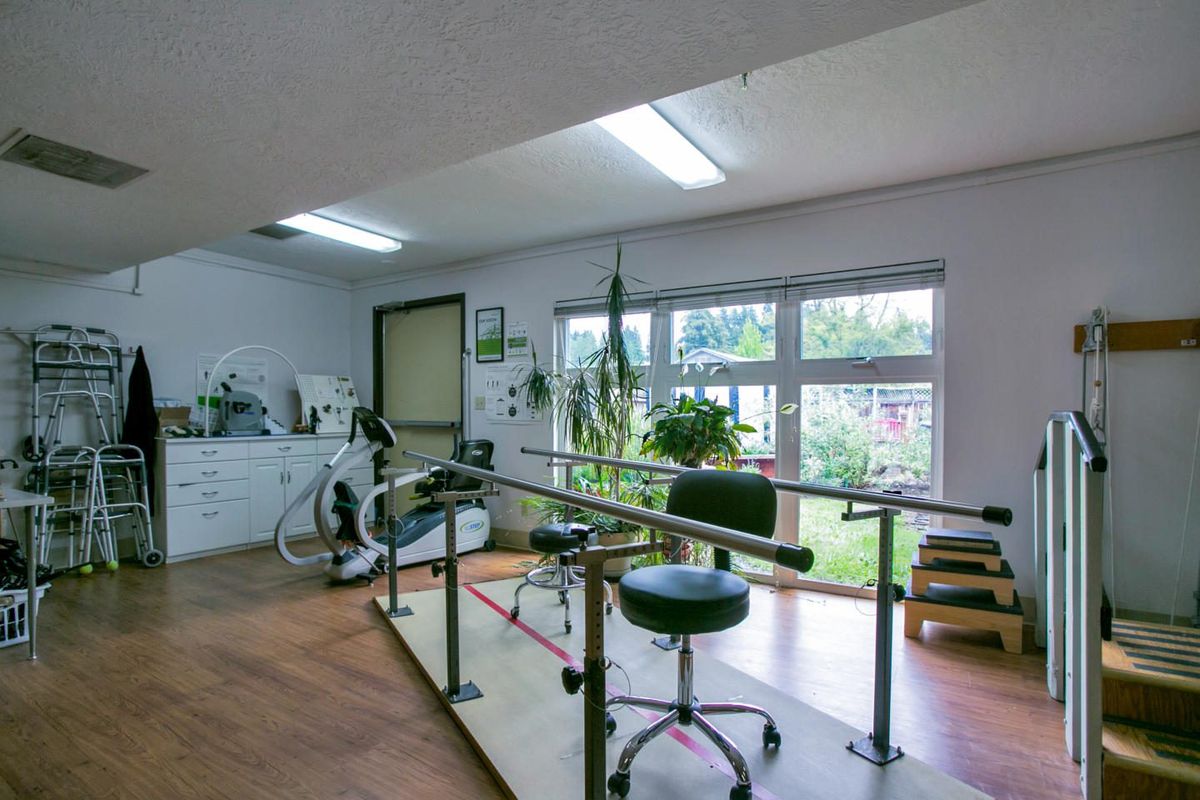
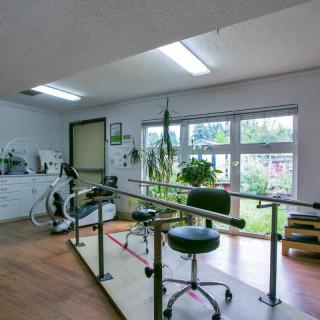
    A physical therapy room equipped with parallel bars and exercise equipment, featuring bright natural lighting.
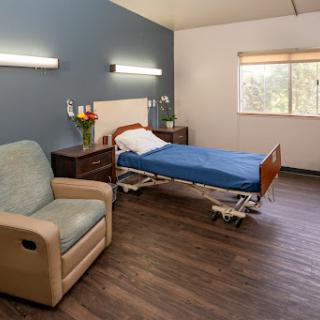
  • Bedroom

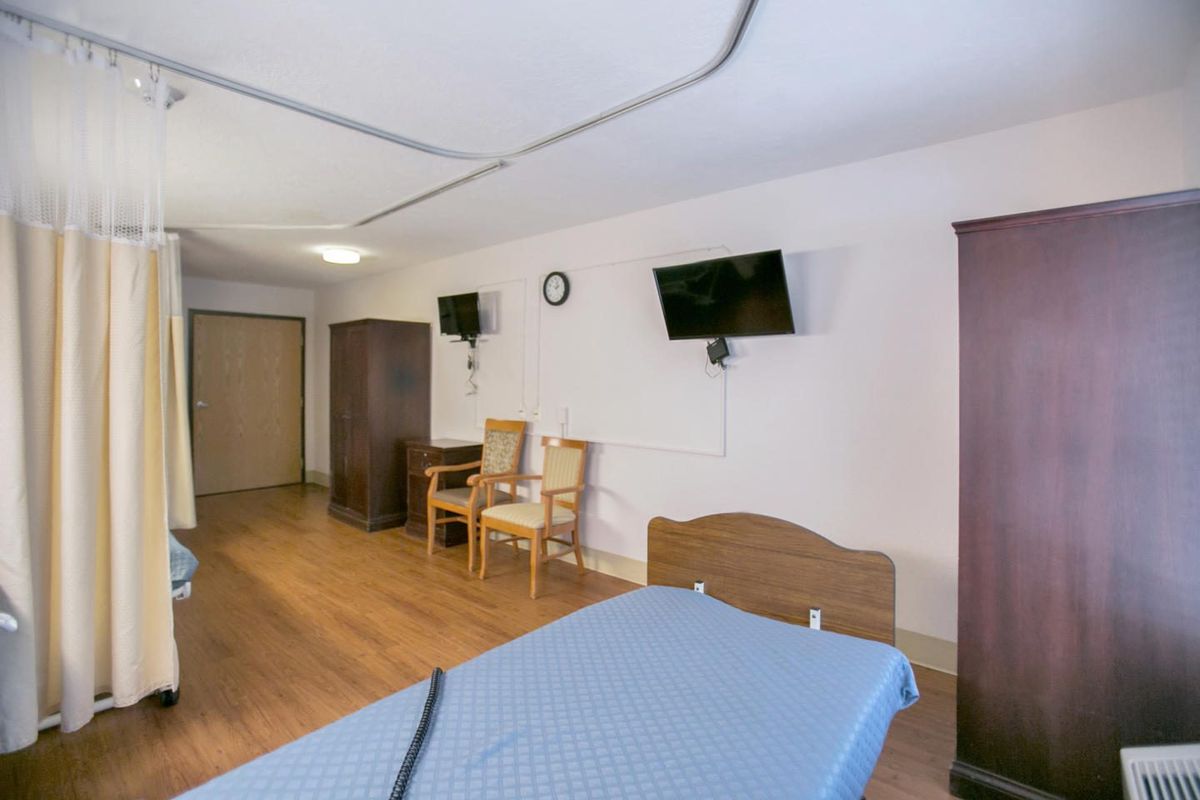
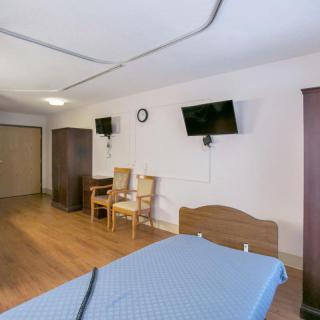
    A hospital room with a bed, television, chairs, and a wardrobe.
  • Trees

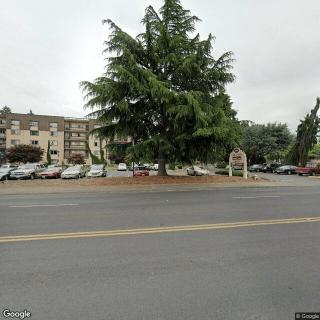
    A beautifully landscaped garden with a curving brick pathway and lush greenery.
  • Windows

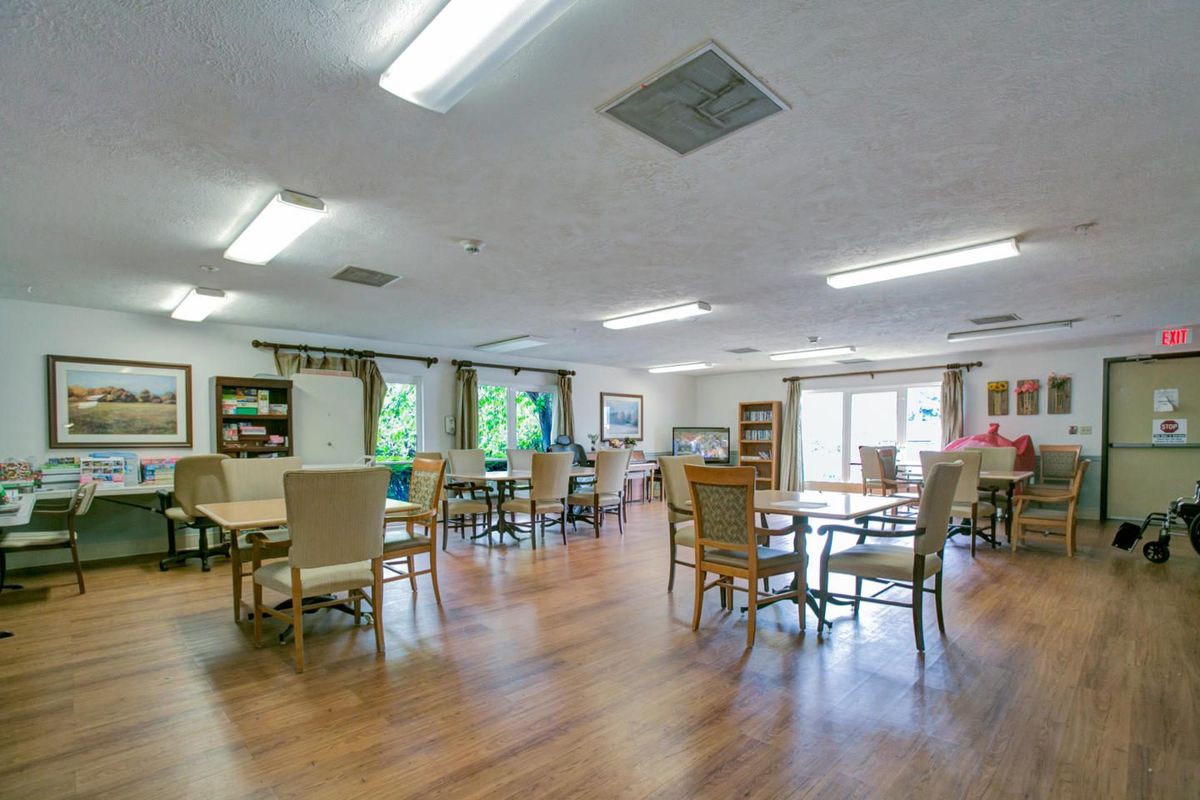
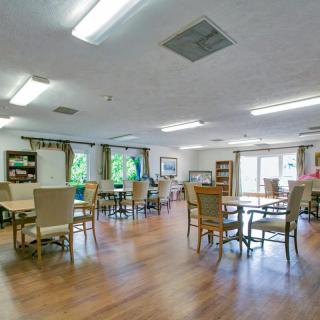
    A spacious dining area with multiple tables and chairs, featuring wood flooring and bright natural lighting from large windows.
  • Dining

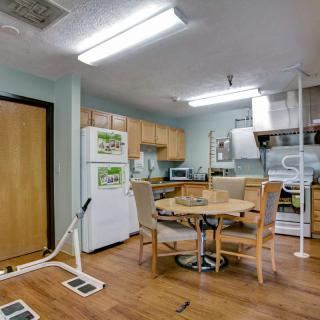
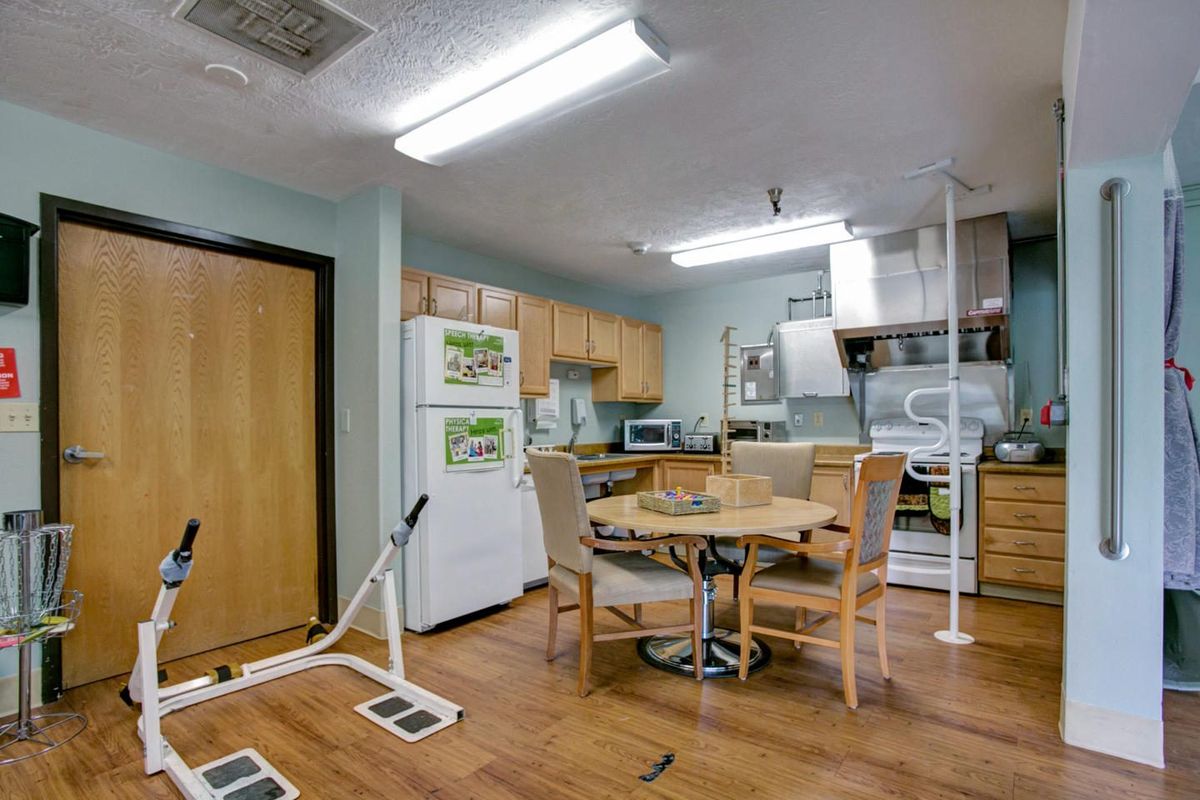
    A kitchen and dining area with appliances and a round table surrounded by chairs.
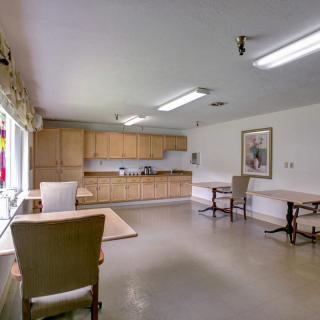
  • Kitchen

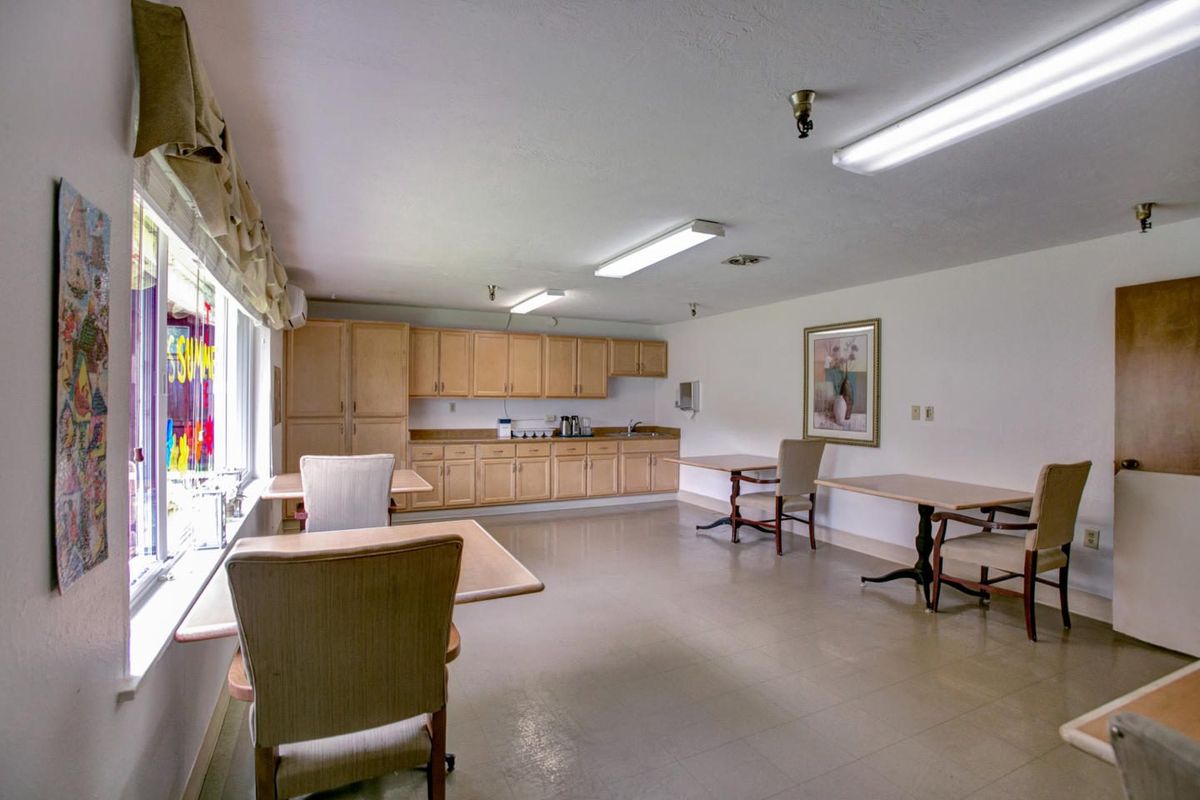
    A room with a kitchen area, tables, and chairs.
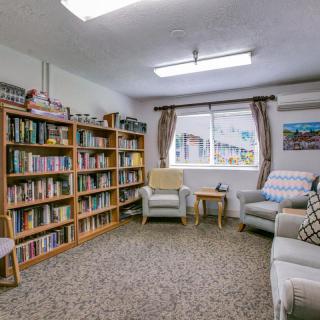
  • Library

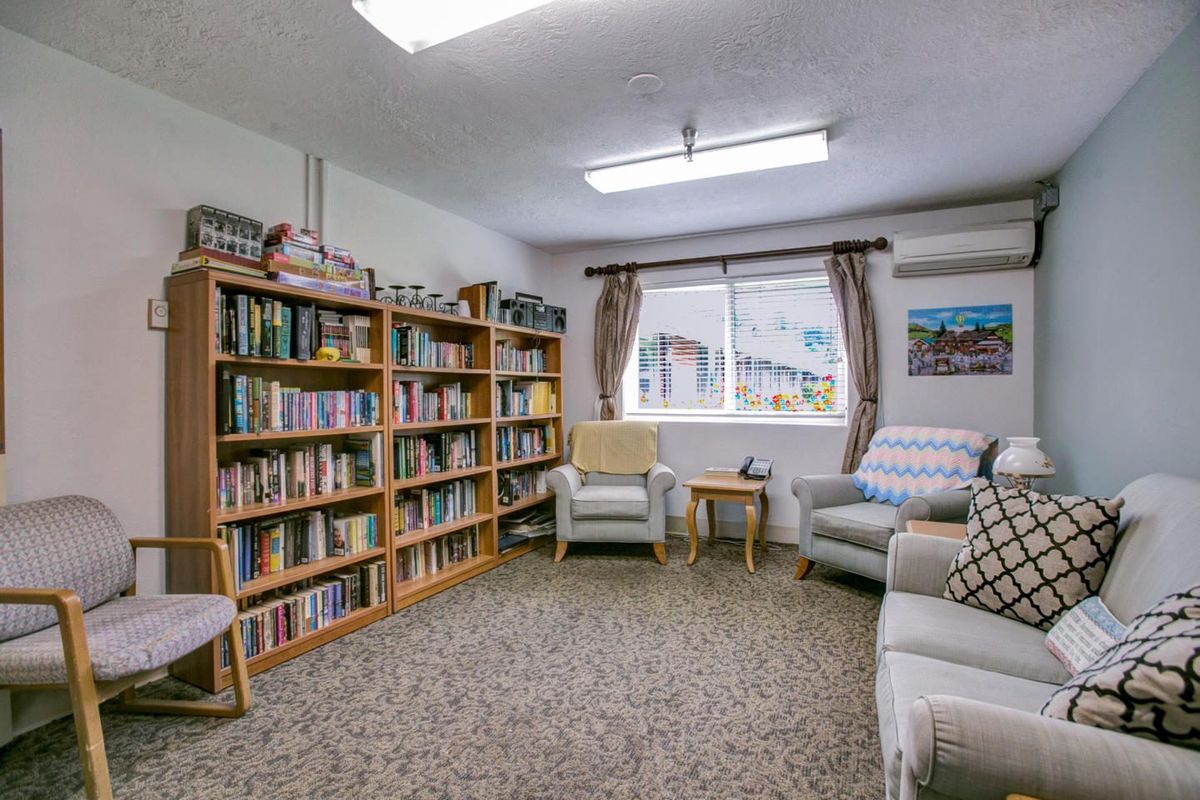
    A cozy library room with bookshelves filled with books and comfortable armchairs by the window.

Discovery Nursing & Rehab Of Vancouver

5220 Northeast Hazel Dell Avenue, Vancouver, WA 98663

For more information about senior living options: (844) 490-3973

3.7 from 6 reviews
5 stars
4
4 stars
0
3 stars
0
2 stars
0
1 stars
2

Skilled Nursing Facility

What level of care are you interested in?

Assisted Living

Memory Care

Independent Living

Skilled Nursing Facility

Continuing Care Retirement Community (CCRC)CCRC

Other


Request a tour at Discovery Nursing & Rehab Of Vancouver

    Overall Review of Discovery Nursing & Rehab Of Vancouver

    Pros

    • pro Staff listened to her and adjusted meds, giving them on time.
    • pro Therapy improved her independence and mobility.
    • pro Insurance was explained clearly.
    • pro Nursing and social-services leads communicated proactively.
    • pro The staff were extremely friendly, energetic, and caring.
    • pro The facility was very clean and felt professional.

    Cons

    • pro The reviewer calls it the worst facility to place a loved one for rehab.
    • pro The grandmother did not receive adequate rehabilitation during the two-week stay.
    • pro The facility overmedicated her with muscle relaxants used as a restraint for behavior.
    • pro She was given medications she didn't need, including heart medication.
    • pro Therapy nurses were described as horrible and did not listen to family members who are the POA.
    • pro The grandmother developed a bedsore due to not being checked or monitored at night.
    • pro Staff did not provide proper bathing and misrepresented care as a bed bath.
    • pro The reviewer would not recommend this facility and would suggest choosing a different facility for rehabilitation.

    Review

    Caregiving journeys through skilled nursing facilities often come with a mix of hope, worry, and the plain realities of hospital-to-home transitions. In this collection of impressions, a common thread is that care quality and experiences can swing widely from one resident to the next, sometimes even within the same facility. On one end, there are accounts of thoughtful, patient-centered rehab that left families feeling heard and confident in the plan ahead. On the other end, there are deeply troubling episodes of neglect and overmedication that led to harm and lasting distrust. Taken together, these voices reflect the complicated picture that families weigh when considering a rehab stay for a loved one.

    One family's three-week rehab experience reads as a generally positive arc. They describe a team that listened attentively, adjusted medications as needed, and administered them on time. The rehab therapy helped their loved one regain independence and mobility, and insurance explanations were clear and straightforward. The nursing and social-work leadership were cited as proactive communicators who kept the family informed, and the records office was praised for its speed. Importantly, staff were noted as respectful toward both the patient and the family's power of attorney, which contributed to a sense of trust and control during a stressful process. The reviewer also gave credit to leadership by named figures, suggesting that if Jemal and Stephanie remained in place, they would feel confident returning in the future. The recommendation included practical steps for other families: call leadership, visit if possible, ask direct questions about Medicare ratings and improvement efforts, stay involved, and even bring earplugs to manage any noise during the stay.

    A separate tour-based impression adds another positive note: the staff were described as extremely friendly, energetic, and caring, and the facility itself was praised for cleanliness and a professional atmosphere. This brief snapshot reinforces the sense that, when well-staffed and well-led, the environment can feel orderly and supportive, with a culture that prioritizes patient well-being and respectful treatment.

    Yet the same facility is also the site of sharply negative experiences. One account declares it the worst place for rehabilitation, focusing on a two-week stay that failed to deliver adequate rehab. The reviewer alleges overmedication with muscle relaxants used as behavior restraints, prescribed for expressions of distress or calls for family. They claim pain was present but not adequately balanced against the medications, and they question the appropriateness of other drugs, including heart medications, used in this context. The critic argues that therapy was insufficient, and that nursing did not listen to the family's input as the patient's POA. Compounding the concerns were basic care failures: a lack of night-time charging and supervision led to bedsores, rooms where patients cried for family with doors closed, and a culture where the reviewer felt compelled to step in to feed or change the patient. The account further alleges that some basic hygiene tasks, such as bathing, were mischaracterized as "bed baths," with the reviewer insisting real care had to be improvised by family members. The overall tone is one of regret and alarm about the patient's decline tied to perceived neglect and inappropriate medication management.

    Another succinct negative sentiment captures a more generalized dissatisfaction: "Good place" in name, but the follow-on statements are stark - "Patients do not get the care they need" and a clear recommendation not to use the facility for rehabilitation. This review echoes themes of inadequate care, insufficient therapy, and a lack of confidence in the facility's ability to meet the needs of vulnerable residents. Taken with the more positive experiences, this perspective highlights the unevenness that families can encounter when evaluating a potential stay, underscoring the importance of firsthand observation and careful questioning.

    What these mixed reviews collectively illustrate is a facility that can deliver strong rehab outcomes under the right conditions - effective therapy, timely medications, careful attention to insurance and administrative concerns, and a leadership team that communicates openly. At the same time, there are serious warning signals about how things can go wrong: overmedication without a clear therapeutic goal, insufficient therapy that leaves residents vulnerable to decline, and basic standards of care that can slip when oversight is weak or when family voices aren't prioritized. The gap between positive experiences and negative ones appears to hinge, in large part, on leadership consistency, the responsiveness of the care team, and the degree to which families are engaged and empowered to monitor daily care.

    For families considering this facility, the takeaway is nuanced and action-oriented. It's worth engaging directly with leadership to discuss Medicare ratings and improvement plans, as the more optimistic review suggests. Tours, conversations with staff, and observations during the first days can reveal whether the unit's culture aligns with family expectations for responsiveness, respect, and safety. Strongly consider bringing up concrete questions about medication management, therapy plans, wound care, hygiene practices, and night-time supervision. If possible, ask to speak with a current resident's POA to gauge consistency between the care plan and daily experience. Finally, plan to stay actively involved throughout the stay - from regular check-ins to ensuring that detailed care notes and therapy progress are clearly documented and communicated.

    In the end, the facility presents a spectrum of outcomes. Some residents appear to benefit substantially from coordinated rehab and attentive leadership, while others experience concerning gaps in care that can have lasting consequences. Prospective families should approach with a structured checklist: assess staffing levels and turnover, review the facility's Medicare ratings and recent improvement efforts, verify the responsiveness of the care team, and prepare to advocate actively for their loved one's needs. By doing so, they can better determine whether the environment is likely to be a safe, effective, and compassionate setting for rehabilitation and ongoing care.

    Features

    Housing

    • 89 resident community capacity 89 resident community capacity

    Types of Care

    • Skilled Nursing Facility Skilled Nursing FacilitySkilled Nursing Facilities are crucial for seniors as they provide round-the-clock medical care, rehabilitation services, and assistance with daily activities. These facilities ensure that seniors receive the specialized care they need to maintain their health and well-being as they age.

    Amenities

    • Air-conditioning Air-conditioningAir conditioning is important for seniors as they are more vulnerable to heat-related illnesses and may have underlying health conditions that make it difficult for them to regulate their body temperature. It helps to keep them comfortable, safe, and healthy in hot weather.
    • Beauty salon Beauty salonBeauty salons are important for seniors because they provide a space for them to feel pampered, socialize, and maintain their personal grooming and hygiene. Regular visits to a beauty salon can help boost seniors' self-esteem and overall well-being.
    • Cable or satellite TV Cable or satellite TVCable or satellite TV is important for seniors because it provides entertainment, news, and companionship, helping to combat loneliness and boredom. It also offers a wide range of programming options tailored to different interests and preferences.
    • Computer center Computer centerA computer center is essential for seniors as it provides access to technology, communication tools, and resources that can enhance their daily lives. It allows them to stay connected with loved ones, engage in online activities, and learn new skills, ultimately promoting socialization and mental stimulation.
    • Dining room Dining roomDining rooms are important for seniors as they provide a space for socialization, connection, and nutritious meals. They offer opportunities for residents to bond over shared meals, foster a sense of community, and promote healthy eating habits. Dining rooms also ensure that seniors have access to well-balanced meals tailored to their dietary needs and preferences.
    • Fitness room Fitness roomHaving a fitness room in a senior living community is essential for seniors to stay active, maintain their physical health, and improve their overall well-being. Regular exercise can help prevent falls, reduce the risk of chronic diseases, and promote mental sharpness. It also provides social opportunities for residents to connect with others and enjoy a sense of community.
    • Fully furnished Fully furnishedFully furnished senior living communities are important for seniors because they provide convenience, comfort, and a hassle-free moving experience. Seniors can easily settle into their new living space without the stress of having to buy and move furniture. This allows them to focus on enjoying their new home and community.
    • Gaming room Gaming roomGaming rooms are important for seniors as they provide a fun and engaging environment for socializing, cognitive stimulation, and physical activity. Games can improve memory, problem-solving skills, and overall mental well-being while fostering friendships and reducing feelings of isolation.
    • Garden GardenGardens are important for seniors as they provide a peaceful and therapeutic environment for relaxation, physical activity, and socialization. Being in nature has been shown to reduce stress, improve mood, and promote overall well-being. Gardens also offer opportunities for seniors to engage in gardening activities, which can improve mobility, flexibility, and cognitive function. Additionally, gardens create a sense of community and connection with others who share a passion for plants and outdoor spaces.
    • Housekeeping services Housekeeping servicesHousekeeping services are important for seniors because they help maintain a clean and safe living environment, promote independence, and reduce the risk of accidents or illnesses. Additionally, having assistance with household chores can alleviate physical strain and allow seniors to focus on other aspects of their well-being.
    • Kitchenette KitchenetteKitchenettes are important for seniors living in senior living communities because they provide the convenience and independence of being able to prepare simple meals and snacks in the comfort of their own living space. This can help promote a sense of autonomy and well-being for seniors, allowing them to maintain some level of control over their dietary choices and daily routines.
    • Move-in coordination Move-in coordinationMove-in coordination is important for seniors because it helps ease the transition into their new living environment. It ensures that all logistics, such as packing, organizing movers, and setting up utilities are taken care of, allowing seniors to focus on settling in and adjusting to their new home. Having a smooth move-in process can alleviate stress and anxiety, making the transition smoother and more enjoyable for seniors.
    • Outdoor space Outdoor spaceOutdoor spaces are important for seniors as they provide opportunities for physical activity, social interaction, exposure to natural light and fresh air, and a sense of connection to nature. Having access to outdoor spaces can improve overall well-being and quality of life for older adults living in senior communities.
    • Private bathrooms Private bathroomsPrivate bathrooms are important for seniors in senior living communities because they provide independence, dignity, and comfort. Having a private bathroom allows seniors to maintain their personal hygiene routines without the need for assistance, promoting a sense of autonomy and privacy. Additionally, private bathrooms help prevent the spread of infections and provide a safe and clean environment for seniors to navigate safely.
    • Restaurant-style dining Restaurant-style diningRestaurant-style dining is important for seniors because it allows them to enjoy delicious, nutritious meals in a social and upscale setting. This enhances their dining experience, promotes healthy eating habits, and fosters socialization with fellow residents, ultimately contributing to their overall well-being and quality of life.
    • Small library Small librarySmall libraries are important for seniors as they provide access to a variety of reading materials, including books, newspapers, and magazines. This can help stimulate their minds, keep them engaged, and provide a sense of community through book clubs and other social activities. Additionally, reading has been shown to improve cognitive function and overall mental well-being in older adults.
    • Telephone TelephoneTelephones are important for seniors as they provide a lifeline for communication with loved ones, emergency services, and healthcare providers. They offer a sense of security and independence, enabling seniors to stay connected and access assistance when needed.
    • Wellness center Wellness centerWellness centers are important for seniors because they offer a variety of programs and services that promote physical, mental, and emotional well-being. These centers provide opportunities for exercise, socialization, education, and relaxation, helping seniors maintain their overall health and quality of life.
    • Wi-Fi/high-speed internet available Wi-Fi/high-speed internet availableWi-Fi/high-speed internet is important for seniors to stay connected with loved ones, access online resources, and participate in virtual activities to combat feelings of loneliness and isolation. It also allows them to easily manage healthcare needs, access entertainment, and engage in lifelong learning opportunities.

    Transportation

    • Portland International (6 miles away) Portland International (6 miles away)
    • Community operated transportation Community operated transportationCommunity operated transportation is crucial for seniors as it provides them with the means to access essential services, social activities, and medical appointments. It allows seniors to maintain their independence and quality of life by ensuring they can participate in activities outside of their homes. Additionally, community-operated transportation services offer a safe and reliable way for seniors to travel without having to rely on family or friends for assistance.
    • Transportation arrangement Transportation arrangementTransportation arrangements are crucial for seniors as they may face challenges with driving, mobility, or access to public transportation. Having reliable transportation services ensures that seniors can easily attend appointments, social activities, and maintain their independence and quality of life.
    • Transportation arrangement (non-medical) Transportation arrangement (non-medical)Transportation arrangements are essential for seniors as they provide access to essential services, activities, and social interactions outside the home. This service helps maintain independence, mobility, and overall well-being for seniors who may have limited transportation options.
    • Transportation to doctors appointments Transportation to doctors appointmentsTransportation to doctors appointments is crucial for seniors as it ensures they have access to necessary medical care and support, promoting their health and well-being. It allows them to receive timely treatment, monitor existing conditions, and address any new health concerns efficiently. Additionally, transportation services can help seniors maintain their independence and quality of life by enabling them to stay connected with their healthcare providers.

    Care Services

    • 12-16 hour nursing 12-16 hour nursing12-16 hour nursing care is crucial for seniors in order to ensure around-the-clock monitoring, timely medication administration, and prompt response to any health concerns or emergencies. This level of care helps to promote the overall well-being and safety of seniors living in senior living communities.
    • 24-hour call system 24-hour call system24-hour call systems are important for seniors because they provide peace of mind and immediate assistance in case of emergencies. This technology ensures that help is always available, promoting safety and security for elderly individuals living alone or in assisted living facilities.
    • 24-hour supervision 24-hour supervision24-hour supervision is important for seniors to ensure their safety, well-being, and access to immediate assistance in case of emergencies or health issues. This constant support provides peace of mind for both seniors and their loved ones, allowing them to age in place with dignity and security.
    • Activities of daily living assistance Activities of daily living assistanceActivities of daily living assistance are important for seniors because they provide essential support with tasks such as eating, bathing, dressing, and mobility. This assistance helps seniors maintain their independence, dignity, and overall quality of life as they age.
    • Assistance with bathing Assistance with bathingAssistance with bathing is crucial for seniors as it helps maintain personal hygiene, prevents infections, and ensures their overall well-being and comfort. It also provides a sense of dignity and independence for seniors who may struggle with this task on their own.
    • Assistance with dressing Assistance with dressingAssistance with dressing is important for seniors because it helps maintain their independence, promotes personal hygiene, prevents accidents and injuries, and improves overall quality of life. This service ensures that seniors can continue to dress comfortably and confidently, despite any physical limitations they may have.
    • Assistance with transfers Assistance with transfersAssistance with transfers is crucial for seniors as it helps prevent falls and injuries, maintains their independence, and ensures they can safely navigate their living environment. It also provides peace of mind for both seniors and their loved ones.
    • Diabetes diet Diabetes dietA diabetes diet is crucial for seniors as it helps manage blood sugar levels, reduce risks of complications, and improve overall health and well-being. By following a balanced and nutritious diet tailored to their specific needs, seniors can better control their diabetes and enhance their quality of life.
    • Meal preparation and service Meal preparation and serviceMeal preparation and service are crucial for seniors as they may have limited mobility or energy to cook nutritious meals. Having access to healthy and convenient food options can ensure they are getting the proper nutrition needed to maintain their overall health and well-being.
    • Medication management Medication managementMedication management is crucial for seniors to ensure they are taking the right medications at the correct dosages and times. This helps prevent adverse drug interactions, reduces the risk of medication errors, and promotes overall health and well-being. Proactive management also allows for adjustments as needed based on changing health conditions or new prescriptions.
    • Mental wellness program Mental wellness programMental wellness programs are essential for seniors as they promote cognitive stimulation, emotional support, and social engagement. These programs help prevent isolation, depression, and cognitive decline, ultimately enhancing the overall quality of life for older adults.
    • Special dietary restrictions Special dietary restrictionsSpecial dietary restrictions are important for seniors because age-related changes in metabolism and health conditions can make it difficult for their bodies to process certain foods. By following a diet tailored to their specific needs, seniors can maintain their overall health and well-being, manage chronic conditions, and reduce the risk of complications such as malnutrition or food interactions with medications.

    Dining

    • Diabetes diet Diabetes dietA diabetes diet is crucial for seniors as it helps manage blood sugar levels, reduce risks of complications, and improve overall health and well-being. By following a balanced and nutritious diet tailored to their specific needs, seniors can better control their diabetes and enhance their quality of life.
    • Special dietary restrictions Special dietary restrictionsSpecial dietary restrictions are important for seniors because age-related changes in metabolism and health conditions can make it difficult for their bodies to process certain foods. By following a diet tailored to their specific needs, seniors can maintain their overall health and well-being, manage chronic conditions, and reduce the risk of complications such as malnutrition or food interactions with medications.

    Activities

    • Community-sponsored activities Community-sponsored activitiesCommunity-sponsored activities are important for seniors as they provide opportunities for social interaction, mental stimulation, and physical activity. These activities can help improve overall well-being, combat loneliness and isolation, and promote a sense of belonging and purpose among older adults.
    • Concierge services Concierge servicesConcierge services are essential for seniors as they provide assistance with daily tasks and errands, enhance their quality of life by offering convenience and personalized care, and promote a sense of safety and security.
    • Fitness programs Fitness programsFitness programs are crucial for seniors as they help improve strength, flexibility, balance, and overall well-being. Staying active can reduce the risk of chronic diseases, improve mental health, and enhance quality of life in older adults.
    • Planned day trips Planned day tripsPlanned day trips are important for seniors because they offer opportunities for socialization, mental stimulation, and physical activity. They provide a change of scenery and help seniors stay engaged and connected to their community, promoting overall well-being and quality of life.
    • Resident-run activities Resident-run activitiesResident-run activities are important for seniors as they encourage social interaction, creativity, and a sense of autonomy. These activities empower seniors to stay engaged and active in their community while fostering meaningful connections with their peers.
    • Scheduled daily activities Scheduled daily activitiesScheduled daily activities are important for seniors because they provide structure, socialization, mental stimulation, and physical activity. Engaging in regular activities can improve overall well-being and quality of life for seniors living in a community setting.

    Description

    Discovery Nursing & Rehab Of Vancouver is an assisted living community located in Vancouver, WA. Our community offers a wide range of amenities to enhance the comfort and enjoyment of our residents.

    For our residents' convenience and relaxation, we provide a beauty salon where they can get pampered and look their best. They can also enjoy their favorite shows and movies with cable or satellite TV in the comfort of their own rooms. We offer community-operated transportation for outings or errands, as well as a computer center for residents to stay connected with loved ones.

    Our dining room provides restaurant-style dining experiences, serving delicious meals prepared by our staff according to special dietary restrictions. Residents can also enjoy the social aspect of mealtimes and make new friends. Additionally, our kitchenette facilities are available for those who prefer to prepare their own meals.

    We understand the importance of maintaining physical fitness, so we provide a fitness room equipped with various exercise equipment to help residents stay active and healthy. Our gaming room offers opportunities for leisure activities, while our small library provides a quiet space for residents to read and relax.

    To ensure cleanliness and tidiness, we offer housekeeping services. Each resident has a private bathroom for their comfort and privacy. Wi-Fi/high-speed internet is available throughout the community, allowing residents to stay connected online.

    At Discovery Nursing & Rehab Of Vancouver, we prioritize the well-being of our residents by providing care services such as 24-hour call system and supervision. Our dedicated staff is available to assist with activities of daily living like bathing, dressing, and transfers. We have trained personnel who manage medication administration as per individual requirements.

    Our mental wellness program focuses on promoting emotional health through various activities and therapies tailored towards each resident's needs. Transportation arrangements are made not only for non-medical purposes but also for doctors' appointments.

    Residents at our community can enjoy a variety of activities including fitness programs, planned day trips, resident-run activities, and scheduled daily activities. We also offer concierge services to cater to individual preferences and needs.

    Located in Vancouver, WA, our community is conveniently surrounded by numerous amenities. There are several cafes, parks, pharmacies, physicians, restaurants, and hospitals nearby for easy access to additional services and social opportunities.

    Discovery Nursing & Rehab Of Vancouver strives to create a comfortable and vibrant living environment where residents can enjoy their golden years with the utmost care and support.

    Nearby Places of Interest

    Physicians

    • Family medicine clinic (1 miles)
    • Vancouver Eye Care (1 miles)
    • Ideal Option (2 miles)
    • Sea Mar Community Health Centers (3.8 miles)
    • Luke Rosen DO (4.1 miles)
    • Salmon Creek Plastic Surgery (4.2 miles)
    • Legacy Medical Group-Salmon Creek Family Medicine (4.3 miles)

    Cafes

    • Panera Bread (1 miles)
    • Dutch Bros Coffee (1.1 miles)
    • Relevant Coffee (1.8 miles)
    • Compass Coffee (2.2 miles)
    • Dutch Bros Coffee (2.3 miles)
    • Starbucks (3.7 miles)
    • Blackrock Coffee (4.1 miles)

    Pharmacies

    • Walgreens (1.4 miles)
    • Safeway Pharmacy (1.5 miles)
    • CVS Pharmacy (1.8 miles)
    • Target Pharmacy (1.8 miles)
    • Walgreens (2.3 miles)
    • Walgreens (3.2 miles)
    • Walgreens (3.5 miles)

    Hospitals

    • Vancouver VA Medical Center (1.6 miles)
    • Salmon Legacy Creek Hospital (4.3 miles)
    • HCR ManorCare (4.4 miles)
    • PeaceHealth Southwest Family Birth Center (4.9 miles)
    • Firstenburg Tower (4.9 miles)

    Restaurants

    • McDonald's (2.3 miles)
    • Super Taco Express (2.3 miles)
    • Grapes 'n Growlers (3.2 miles)
    • Local Asian Bistro (3.2 miles)
    • Beaches Restaurant & Bar (3.2 miles)
    • McDonald's (3.5 miles)
    • McDonald's (3.9 miles)

    Parks

    • Luke Jensen Sports Park (2.3 miles)
    • Esther Short Park (2.3 miles)
    • Douglas Carter Fisher Park (2.3 miles)
    • Fort Vancouver National Historic Site (2.5 miles)
    • Felida Park (4.1 miles)
    • Vanport Park (4.3 miles)
    • Vista Meadows Neighborhood Park (4.8 miles)

    Transportation

    • Amtrak (2.3 miles)
    • Concourse D (6 miles)
    • Concourse C (6.1 miles)
    • TSA Checkpoint A/B/C - Portland International Airport (6.1 miles)
    • Alaska Airlines Lounge - PDX (6.1 miles)
    • Portland International Airport (PDX) (6.1 miles)
    • Concourse E (6.1 miles)

    Frequently Asked Questions

    Where is Discovery Nursing & Rehab Of Vancouver?
    What photos are available for Discovery Nursing & Rehab Of Vancouver in Vancouver, Washington?

    Nearby Communities

    Related Resources


    Get Pricing Ask A Question Schedule A Tour Contact Senior Advisor