For more information about senior living options: (866) 208-4318
2.5 from 98 reviews
5 stars
28
4 stars
5
3 stars
5
2 stars
6
1 stars
54
Overall Review of Columbia River Adult Day Health Center
common10 reviews mention this
Staff support feels uneven
Residents describe both genuinely supportive care and moments where help feels missing.
Some residents say the people they worked with were friendly, professional, and respectful, and they point to counselors and front-desk staff as a reason they felt safe and supported. A few reviews also mention positive experiences finding a counselor who was a good fit and getting started quickly. Other residents, however, describe unresponsiveness, high turnover, and staff who did not offer assistance when problems came up. Overall, the reviews suggest the day-to-day experience can vary depending on the staff and the situation.
caveat7 reviews mention this
Medication and crisis support concerns
Some residents report problems with medication follow-through and crisis responsiveness.
Several reviews raise concerns about medication management, including being left without needed doses, having refills delayed or limited, or feeling like psychiatric help was not available when people were in crisis. A few residents describe being treated in ways that did not feel compassionate during urgent moments, or feeling dismissed when they asked for help. Others mention that appointments for medication support were hard to access, leaving them to wait for care. Taken together, these accounts point to a mismatch between what residents needed and how quickly medication-related issues were handled.
caveat9 reviews mention this
Scheduling and intake delays upset families
Many reviews describe frustrating delays, missed steps, or difficulties getting scheduled.
Multiple residents describe long waits for intake or difficulty getting their case opened, including no response after calls and uncertainty about appointment status. Some also report practical barriersā€”such as being turned away due to insurance, needing multiple walk-ins, or changes that were not clearly communicated. A few reviews mention cancellations or missed sessions that led to extended gaps in care. Even among people who had some positive experiences, these scheduling issues show up often enough to affect how residents and families feel about the overall process.
caveat8 reviews mention this
Clinic operations and communication draw complaints
Residents frequently mention breakdowns in administration, communication, and follow-up.
Some reviews criticize how the clinic handled administrative issues, including abrupt service changes, limited explanations, and unclear communication around closures or case status. Others describe problems such as incorrect paperwork requirements, missed notifications, or staff changing therapists without timely coordination. There are also complaints about problems in the check-in process and staff not responding reliably to concerns. These themes suggest that, beyond clinical fit, residents often feel let down by operational reliability.
common4 reviews mention this
Some reviews praise the environment
A subset of residents say the lobby and visit environment felt calm and safe.
A few reviews specifically describe the lobby as calming and note small details like staff being friendly and attentive at check-in. Some residents also say the setting felt safe and supportive as they worked through difficult periods. At the same time, other reviews describe visits as uncomfortable or lacking basic comfort and privacy. The environment reads as mixed: some found it helpful, while others found it off-putting.
How we summarize
Counts show how many written reviews mention each theme; a review can touch several themes, and only frequently mentioned themes are displayed.
Features
Types of Care
Day Program
Amenities
Respite or short term stays offered
Transportation
Portland International (7 miles away)
Nearby Places of Interest
This area of Vancouver, Washington offers a variety of amenities and services that may be appealing for seniors looking to relocate. With numerous cafes, pharmacies, restaurants, parks, physicians, hospitals, transportation options, and places of worship within a few miles radius, residents will have easy access to essential facilities. From popular coffee shops like Panera Bread and Dutch Bros Coffee to well-known pharmacy chains like CVS and Walgreens, convenience is paramount in this neighborhood. In addition, the presence of multiple parks such as Luke Jensen Sports Park and Douglas Carter Fisher Park provides opportunities for outdoor recreation and relaxation. Access to healthcare services is readily available with various physicians' offices and hospitals nearby. The proximity to Portland International Airport also offers convenient travel options for visiting family or planning trips. Overall, this part of Vancouver presents a well-rounded community suitable for senior living with its range of amenities and services.
Cafes
Panera Bread (0.2 miles)
Dutch Bros Coffee (0.3 miles)
Dutch Bros Coffee (1.2 miles)
Relevant Coffee (2.9 miles)
Blackrock Coffee (3 miles)
Starbucks (3.3 miles)
Compass Coffee (3.4 miles)
Pharmacies
Safeway Pharmacy (0.4 miles)
CVS Pharmacy (0.7 miles)
Target Pharmacy (0.7 miles)
Walgreens (1.2 miles)
Walgreens (2.5 miles)
Safeway Pharmacy (2.9 miles)
Fred Meyer Pharmacy (3.1 miles)
Restaurants
McDonald's (1.2 miles)
Super Taco Express (1.2 miles)
Grapes 'n Growlers (2.3 miles)
Local Asian Bistro (2.4 miles)
McDonald's (2.8 miles)
Applebee's (2.8 miles)
Taco Bell (2.9 miles)
Parks
Luke Jensen Sports Park (1.8 miles)
Douglas Carter Fisher Park (2.5 miles)
Felida Park (3.2 miles)
Esther Short Park (3.4 miles)
Fort Vancouver National Historic Site (3.6 miles)
Vista Meadows Neighborhood Park (3.7 miles)
Fairgrounds Community Park (4.5 miles)
Physicians
Family medicine clinic (2.1 miles)
Vancouver Eye Care (2.2 miles)
Luke Rosen DO (3 miles)
Ideal Option (3.1 miles)
Salmon Creek Plastic Surgery (3.1 miles)
Legacy Medical Group-Salmon Creek Family Medicine (3.3 miles)
Entofficedotorg Plic (3.3 miles)
Hospitals
Vancouver VA Medical Center (2.6 miles)
Salmon Legacy Creek Hospital (3.2 miles)
HCR ManorCare (3.3 miles)
PeaceHealth Southwest Family Birth Center (5.5 miles)
Firstenburg Tower (5.5 miles)
Transportation
Amtrak (3.4 miles)
Concourse D (6.9 miles)
Concourse C (7 miles)
TSA Checkpoint A/B/C - Portland International Airport (7 miles)
Adult day care programs offer essential support and activities for older adults, yet many hesitate to participate due to concerns about independence and stigma. To alleviate these apprehensions, families should facilitate open discussions, explore financial resources, suggest trial visits, and collaborate with healthcare providers to highlight the benefits of such services for both the participants and their caregivers.
Living wills and advance directives are crucial legal documents that outline an individual's healthcare preferences when they cannot make decisions themselves, enhancing patient autonomy and alleviating family stress during medical crises. The article emphasizes the need for these documents to be personalized, legally valid, and regularly updated, while also encouraging communication about end-of-life wishes among family members and healthcare providers.
The article examines living wills and advance directives, highlighting their significance in expressing healthcare preferences for those unable to communicate due to illness or incapacity. It discusses their historical development, legal components, limitations, practical drafting advice, and the importance of clear communication among families and healthcare professionals regarding end-of-life decisions.
Get PricingAsk A QuestionSchedule A TourContact Senior Advisor
By clicking submit, you agree to our Partner's Terms of Use. You
also consent to receive calls and texts, which may be autodialed, from our Partner. Your consent is not a condition to
using our Partner's service. Please visit our Partner's Privacy Policy for information about their privacy practices.

 Day Program
 Respite or short term stays offered
 Portland International (7 miles away)
 Caring staff with engaging activities in a clean, welcoming setting.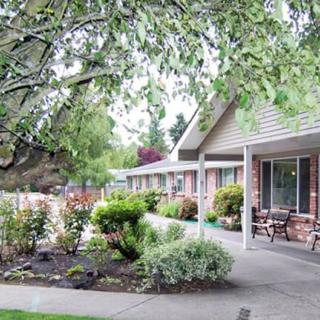



 Encouraging Participation in Adult Day Care: A Guide to Supporting a Hesitant Parent
 Comprehensive Exploration of Living Wills and Other Advance Directives
 A Detailed Exploration of Living Wills and Advance Directives