Fir Lane Health And Rehab Center in Shelton, WA

Save

Fir Lane Health And Rehab Center in Shelton, WA

Information last verified:

2430 North 13Th Street, Shelton, WA 98584

For more information about senior living options: (844) 490-3973

3.1 from 72 reviews
5 stars
30
4 stars
7
3 stars
4
2 stars
2
1 stars
29

Overall Review of Fir Lane Health And Rehab Center

Pros

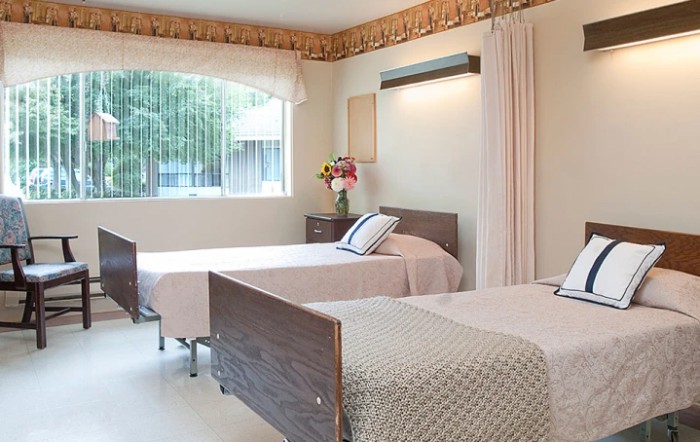
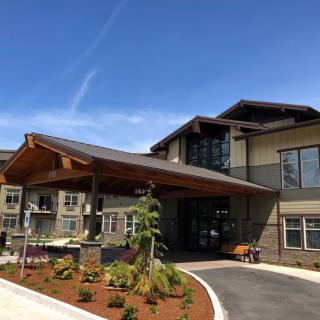
  • pro The facility is described as the best in Shelton for nursing care, with a remodel that adds a fresh, clean look.
  • pro The staff is amazing, helpful, and caring.
  • pro Rehab is fantastic, with therapists who do a great job and the therapy department going above and beyond.
  • pro Therapy is awesome, with Summer and Wendy making sessions enjoyable.
  • pro The staff provided loving care and treated residents like family.
  • pro Fir Lane Cares' new Executive Director is kind and knowledgeable, bringing a positive energy to the building.
  • pro The management cares deeply about residents and willingly helps on the floor.
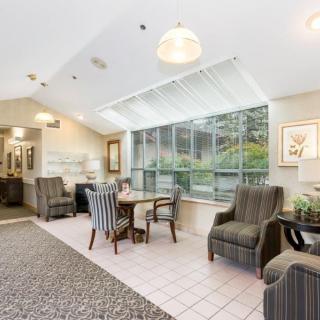
  • pro The facility is clean, and the staff are friendly, courteous, and quick to respond, with plenty of smiles and interactions.
  • pro Great place to recover and get back on the way home.

Cons

  • pro The reviewers describe Fir Lane Health and Rehab Center as a terrible facility and would rate it zero stars.
  • pro They claim the place stinks of poop and residents are left for hours in their filth.
  • pro They say the staff are overworked and unable to provide proper care due to high patient loads.
  • pro They report residents are left unattended and delayed in receiving basic needs like showers, medications, and meals.
  • pro They recount infections or wounds turning serious due to inadequate attention and dressing changes.
  • pro They criticize the administration as horrible and lacking leadership.
  • pro They describe the facility as dirty, unclean, and with outdated, uncomfortable conditions.
  • pro They warn others not to send loved ones there and some call for the facility to be shut down.

Review

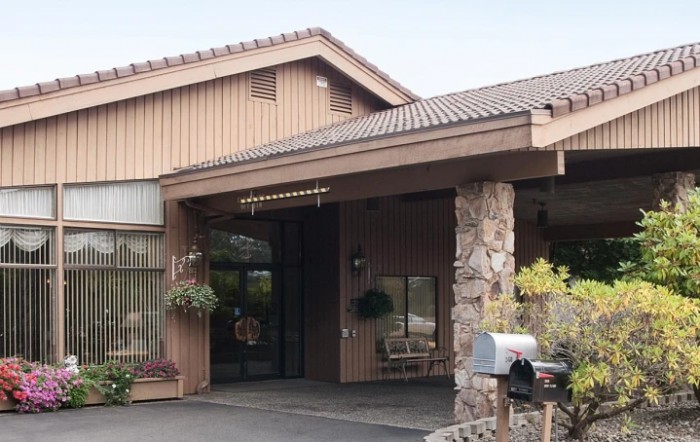
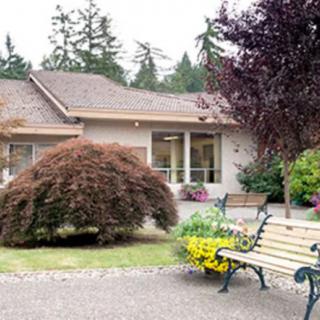
Fir Lane Health and Rehab Center in Shelton is best suited for families pursuing a targeted, short-term rehabilitation path where the main goal is to restore mobility and confidence through strong physical therapy. The center has earned praise for the rehab team’s skill and dedication, and several residents leave with tangible improvements in function. It can be a good fit for someone who responds well to therapy-driven recovery and who doesn’t require constant medical oversight or memory-care level supervision. Those with high medical complexity, frequent need for on-site physicians, or dementia-specific care should look at alternatives with more consistent medical staffing and specialized programming. The remodeled interior and generally clean presentation add a reassuring backdrop for recovery, helping patients feel comfortable as they rebuild daily living skills.

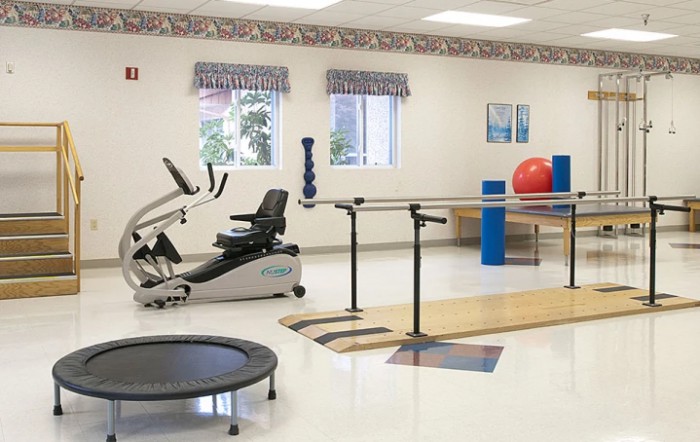
On the positives, Fir Lane’s therapy department repeatedly stands out in reviews. Therapists are described as capable, engaged, and able to motivate even severely limited individuals to push toward self-care and broader movement. Specific therapists, such as Summer and Wendy, are singled out for making therapy purposeful and even enjoyable, which translates into real gains and renewed optimism about going home. In several accounts, the rehab experience is framed as the defining strength of the facility, with families thanking the therapy team for getting loved ones back on their feet. Beyond therapy, some reviewers note sincere, family-like care from nurses and aides, and a new executive director has been described as bringing a more positive energy to the building. For families who can leverage good therapy momentum, Fir Lane can deliver meaningful, job-like progress that shortens the path to discharge.

However, the disease here is inconsistent staffing and uneven care quality. A substantial body of reviews centers on chronic under-staffing and care gaps that undermine even the best therapy. Reported nurse-to-patient ratios and aide availability leave residents waiting for help with basic needs, including bathing, toileting, and medication administration. Instances of neglect, delayed showers, missed dressings, and delayed responses to requests for assistive devices recur across multiple accounts. The most alarming critiques describe bed-bound or severely ill residents being left unattended for long periods, with delays in pain relief, wound care, and essential monitoring. These patterns create real safety concerns, falls, infections, untreated edema, and, in some cases, rapid medical declines, that cannot be dismissed as isolated incidents.

The tension between excellent rehabilitation and troubling day-to-day care is the center’s defining paradox. The strong therapy outcomes and the moments of compassionate nursing care are real and repeated, but they are offset by documented lapses in basic daily care, cleanliness, and timely medical attention. When a resident progresses in therapy, families praise the clear discharge planning and the sense that their loved one is reclaiming independence. Yet when that same resident is not promptly washed, fed adequately, or monitored for heart failure symptoms, the gains from therapy are compromised and the overall experience becomes untenable. In practical terms, therapy progress can be a decisive factor for short-term stays, but sustained safety and dignity hinge on consistent staffing and effective care coordination, areas where Fir Lane has repeatedly faltered in the reviews.

This facility’s leadership and staffing churn also color the decision-making process. Some families report a respectful, accessible leadership team and a culture of hands-on problem solving, with administrators who will step onto the floor to assist and troubleshoot. Others describe a pattern of turnover and under-resourcing that erodes confidence in long-term reliability. The contrast means potential residents should enter with a clear plan: insist on a dedicated care manager, demand transparent communication about staffing levels, and push for daily physician rounds or timely medical oversight. It is reasonable to expect proactive problem-solving from leadership, but the reality reflected in many reviews is that consistency and follow-through depend heavily on the shift and the particular staff present at any moment.

The bottom-line decision comes down to risk tolerance and care priorities. If the objective is strong, outcome-driven therapy and a cleaner, more welcoming environment for a defined rehab window, Fir Lane can be a prudent choice, provided the family actively monitors care, champions prompt response, and sets firm expectations with staff. If, however, ongoing medical oversight, robust infection control, reliable assistance with activities of daily living, or dementia-focused programming are non-negotiable, alternatives with steadier nurse coverage and stronger clinical governance are worth pursuing. Prospective families should schedule visits at different times, speak directly with frontline staff about caseloads, and request a transparent plan for fall prevention, wound care, and medication management before committing.

In practical terms, a disciplined evaluation protocol is essential. Ask who is on site daily, the nurse-to-patient ratio, and how quickly aides respond to calls. Verify the presence of a practicing physician or an on-call medical director, and request a written plan for chronic conditions such as CHF or edema management, including monitoring schedules and escalation steps. Review the dining program and portion sizes, since nutrition and hydration bear on recovery; confirm that dietary plans align with medical needs and preferences. Finally, observe intentionally during a tour and ask current residents about their daily routines, the cadence of therapy sessions, and how concerns are handled on difficult days. Fir Lane can be a viable, even excellent, recovery-focused option for the right person, but the decision must hinge on a clear, proactive strategy to balance the standout therapy with the very real care gaps documented in numerous reviews.

Features

Housing

  • 135 resident community capacity 135 resident community capacity

Types of Care

  • Skilled Nursing Facility Skilled Nursing FacilitySkilled Nursing Facilities are crucial for seniors as they provide round-the-clock medical care, rehabilitation services, and assistance with daily activities. These facilities ensure that seniors receive the specialized care they need to maintain their health and well-being as they age.

Amenities

  • Air-conditioning Air-conditioningAir conditioning is important for seniors as they are more vulnerable to heat-related illnesses and may have underlying health conditions that make it difficult for them to regulate their body temperature. It helps to keep them comfortable, safe, and healthy in hot weather.
  • Beauty salon Beauty salonBeauty salons are important for seniors because they provide a space for them to feel pampered, socialize, and maintain their personal grooming and hygiene. Regular visits to a beauty salon can help boost seniors' self-esteem and overall well-being.
  • Cable or satellite TV Cable or satellite TVCable or satellite TV is important for seniors because it provides entertainment, news, and companionship, helping to combat loneliness and boredom. It also offers a wide range of programming options tailored to different interests and preferences.
  • Computer center Computer centerA computer center is essential for seniors as it provides access to technology, communication tools, and resources that can enhance their daily lives. It allows them to stay connected with loved ones, engage in online activities, and learn new skills, ultimately promoting socialization and mental stimulation.
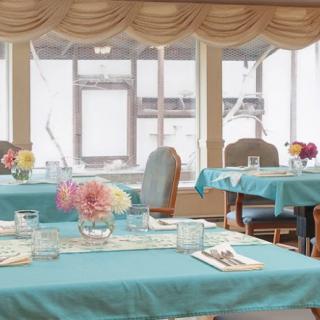
  • Dining room Dining roomDining rooms are important for seniors as they provide a space for socialization, connection, and nutritious meals. They offer opportunities for residents to bond over shared meals, foster a sense of community, and promote healthy eating habits. Dining rooms also ensure that seniors have access to well-balanced meals tailored to their dietary needs and preferences.
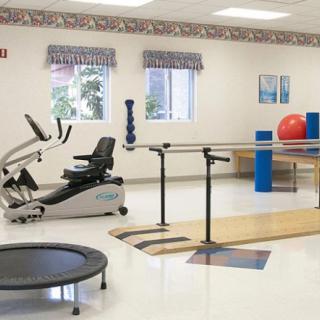
  • Fitness room Fitness roomHaving a fitness room in a senior living community is essential for seniors to stay active, maintain their physical health, and improve their overall well-being. Regular exercise can help prevent falls, reduce the risk of chronic diseases, and promote mental sharpness. It also provides social opportunities for residents to connect with others and enjoy a sense of community.
  • Fully furnished Fully furnishedFully furnished senior living communities are important for seniors because they provide convenience, comfort, and a hassle-free moving experience. Seniors can easily settle into their new living space without the stress of having to buy and move furniture. This allows them to focus on enjoying their new home and community.
  • Gaming room Gaming roomGaming rooms are important for seniors as they provide a fun and engaging environment for socializing, cognitive stimulation, and physical activity. Games can improve memory, problem-solving skills, and overall mental well-being while fostering friendships and reducing feelings of isolation.
  • Garden GardenGardens are important for seniors as they provide a peaceful and therapeutic environment for relaxation, physical activity, and socialization. Being in nature has been shown to reduce stress, improve mood, and promote overall well-being. Gardens also offer opportunities for seniors to engage in gardening activities, which can improve mobility, flexibility, and cognitive function. Additionally, gardens create a sense of community and connection with others who share a passion for plants and outdoor spaces.
  • Housekeeping services Housekeeping servicesHousekeeping services are important for seniors because they help maintain a clean and safe living environment, promote independence, and reduce the risk of accidents or illnesses. Additionally, having assistance with household chores can alleviate physical strain and allow seniors to focus on other aspects of their well-being.
  • Kitchenette KitchenetteKitchenettes are important for seniors living in senior living communities because they provide the convenience and independence of being able to prepare simple meals and snacks in the comfort of their own living space. This can help promote a sense of autonomy and well-being for seniors, allowing them to maintain some level of control over their dietary choices and daily routines.
  • Move-in coordination Move-in coordinationMove-in coordination is important for seniors because it helps ease the transition into their new living environment. It ensures that all logistics, such as packing, organizing movers, and setting up utilities are taken care of, allowing seniors to focus on settling in and adjusting to their new home. Having a smooth move-in process can alleviate stress and anxiety, making the transition smoother and more enjoyable for seniors.
  • Outdoor space Outdoor spaceOutdoor spaces are important for seniors as they provide opportunities for physical activity, social interaction, exposure to natural light and fresh air, and a sense of connection to nature. Having access to outdoor spaces can improve overall well-being and quality of life for older adults living in senior communities.
  • Private bathrooms Private bathroomsPrivate bathrooms are important for seniors in senior living communities because they provide independence, dignity, and comfort. Having a private bathroom allows seniors to maintain their personal hygiene routines without the need for assistance, promoting a sense of autonomy and privacy. Additionally, private bathrooms help prevent the spread of infections and provide a safe and clean environment for seniors to navigate safely.
  • Restaurant-style dining Restaurant-style diningRestaurant-style dining is important for seniors because it allows them to enjoy delicious, nutritious meals in a social and upscale setting. This enhances their dining experience, promotes healthy eating habits, and fosters socialization with fellow residents, ultimately contributing to their overall well-being and quality of life.
  • Small library Small librarySmall libraries are important for seniors as they provide access to a variety of reading materials, including books, newspapers, and magazines. This can help stimulate their minds, keep them engaged, and provide a sense of community through book clubs and other social activities. Additionally, reading has been shown to improve cognitive function and overall mental well-being in older adults.
  • Telephone TelephoneTelephones are important for seniors as they provide a lifeline for communication with loved ones, emergency services, and healthcare providers. They offer a sense of security and independence, enabling seniors to stay connected and access assistance when needed.
  • Wellness center Wellness centerWellness centers are important for seniors because they offer a variety of programs and services that promote physical, mental, and emotional well-being. These centers provide opportunities for exercise, socialization, education, and relaxation, helping seniors maintain their overall health and quality of life.
  • Wi-Fi/high-speed internet available Wi-Fi/high-speed internet availableWi-Fi/high-speed internet is important for seniors to stay connected with loved ones, access online resources, and participate in virtual activities to combat feelings of loneliness and isolation. It also allows them to easily manage healthcare needs, access entertainment, and engage in lifelong learning opportunities.

Transportation

  • Community operated transportation Community operated transportationCommunity operated transportation is crucial for seniors as it provides them with the means to access essential services, social activities, and medical appointments. It allows seniors to maintain their independence and quality of life by ensuring they can participate in activities outside of their homes. Additionally, community-operated transportation services offer a safe and reliable way for seniors to travel without having to rely on family or friends for assistance.
  • Transportation arrangement Transportation arrangementTransportation arrangements are crucial for seniors as they may face challenges with driving, mobility, or access to public transportation. Having reliable transportation services ensures that seniors can easily attend appointments, social activities, and maintain their independence and quality of life.
  • Transportation arrangement (non-medical) Transportation arrangement (non-medical)Transportation arrangements are essential for seniors as they provide access to essential services, activities, and social interactions outside the home. This service helps maintain independence, mobility, and overall well-being for seniors who may have limited transportation options.
  • Transportation to doctors appointments Transportation to doctors appointmentsTransportation to doctors appointments is crucial for seniors as it ensures they have access to necessary medical care and support, promoting their health and well-being. It allows them to receive timely treatment, monitor existing conditions, and address any new health concerns efficiently. Additionally, transportation services can help seniors maintain their independence and quality of life by enabling them to stay connected with their healthcare providers.

Care Services

  • 12-16 hour nursing 12-16 hour nursing12-16 hour nursing care is crucial for seniors in order to ensure around-the-clock monitoring, timely medication administration, and prompt response to any health concerns or emergencies. This level of care helps to promote the overall well-being and safety of seniors living in senior living communities.
  • 24-hour call system 24-hour call system24-hour call systems are important for seniors because they provide peace of mind and immediate assistance in case of emergencies. This technology ensures that help is always available, promoting safety and security for elderly individuals living alone or in assisted living facilities.
  • 24-hour supervision 24-hour supervision24-hour supervision is important for seniors to ensure their safety, well-being, and access to immediate assistance in case of emergencies or health issues. This constant support provides peace of mind for both seniors and their loved ones, allowing them to age in place with dignity and security.
  • Activities of daily living assistance Activities of daily living assistanceActivities of daily living assistance are important for seniors because they provide essential support with tasks such as eating, bathing, dressing, and mobility. This assistance helps seniors maintain their independence, dignity, and overall quality of life as they age.
  • Assistance with bathing Assistance with bathingAssistance with bathing is crucial for seniors as it helps maintain personal hygiene, prevents infections, and ensures their overall well-being and comfort. It also provides a sense of dignity and independence for seniors who may struggle with this task on their own.
  • Assistance with dressing Assistance with dressingAssistance with dressing is important for seniors because it helps maintain their independence, promotes personal hygiene, prevents accidents and injuries, and improves overall quality of life. This service ensures that seniors can continue to dress comfortably and confidently, despite any physical limitations they may have.
  • Assistance with transfers Assistance with transfersAssistance with transfers is crucial for seniors as it helps prevent falls and injuries, maintains their independence, and ensures they can safely navigate their living environment. It also provides peace of mind for both seniors and their loved ones.
  • Diabetes diet Diabetes dietA diabetes diet is crucial for seniors as it helps manage blood sugar levels, reduce risks of complications, and improve overall health and well-being. By following a balanced and nutritious diet tailored to their specific needs, seniors can better control their diabetes and enhance their quality of life.
  • Meal preparation and service Meal preparation and serviceMeal preparation and service are crucial for seniors as they may have limited mobility or energy to cook nutritious meals. Having access to healthy and convenient food options can ensure they are getting the proper nutrition needed to maintain their overall health and well-being.
  • Medication management Medication managementMedication management is crucial for seniors to ensure they are taking the right medications at the correct dosages and times. This helps prevent adverse drug interactions, reduces the risk of medication errors, and promotes overall health and well-being. Proactive management also allows for adjustments as needed based on changing health conditions or new prescriptions.
  • Mental wellness program Mental wellness programMental wellness programs are essential for seniors as they promote cognitive stimulation, emotional support, and social engagement. These programs help prevent isolation, depression, and cognitive decline, ultimately enhancing the overall quality of life for older adults.
  • Special dietary restrictions Special dietary restrictionsSpecial dietary restrictions are important for seniors because age-related changes in metabolism and health conditions can make it difficult for their bodies to process certain foods. By following a diet tailored to their specific needs, seniors can maintain their overall health and well-being, manage chronic conditions, and reduce the risk of complications such as malnutrition or food interactions with medications.

Dining

  • Diabetes diet Diabetes dietA diabetes diet is crucial for seniors as it helps manage blood sugar levels, reduce risks of complications, and improve overall health and well-being. By following a balanced and nutritious diet tailored to their specific needs, seniors can better control their diabetes and enhance their quality of life.
  • Special dietary restrictions Special dietary restrictionsSpecial dietary restrictions are important for seniors because age-related changes in metabolism and health conditions can make it difficult for their bodies to process certain foods. By following a diet tailored to their specific needs, seniors can maintain their overall health and well-being, manage chronic conditions, and reduce the risk of complications such as malnutrition or food interactions with medications.

Activities

  • Community-sponsored activities Community-sponsored activitiesCommunity-sponsored activities are important for seniors as they provide opportunities for social interaction, mental stimulation, and physical activity. These activities can help improve overall well-being, combat loneliness and isolation, and promote a sense of belonging and purpose among older adults.
  • Concierge services Concierge servicesConcierge services are essential for seniors as they provide assistance with daily tasks and errands, enhance their quality of life by offering convenience and personalized care, and promote a sense of safety and security.
  • Fitness programs Fitness programsFitness programs are crucial for seniors as they help improve strength, flexibility, balance, and overall well-being. Staying active can reduce the risk of chronic diseases, improve mental health, and enhance quality of life in older adults.
  • Planned day trips Planned day tripsPlanned day trips are important for seniors because they offer opportunities for socialization, mental stimulation, and physical activity. They provide a change of scenery and help seniors stay engaged and connected to their community, promoting overall well-being and quality of life.
  • Resident-run activities Resident-run activitiesResident-run activities are important for seniors as they encourage social interaction, creativity, and a sense of autonomy. These activities empower seniors to stay engaged and active in their community while fostering meaningful connections with their peers.
  • Scheduled daily activities Scheduled daily activitiesScheduled daily activities are important for seniors because they provide structure, socialization, mental stimulation, and physical activity. Engaging in regular activities can improve overall well-being and quality of life for seniors living in a community setting.

Description

Fir Lane Health And Rehab Center in Shelton, WA is an exceptional assisted living community that offers a wide range of amenities and care services to ensure the comfort and well-being of its residents.

The community features a beauty salon where residents can pamper themselves and feel their best. Cable or satellite TV is available in each room for entertainment purposes, and community-operated transportation makes it easy for residents to get around town. A computer center is provided for those who want to stay connected and engaged digitally.

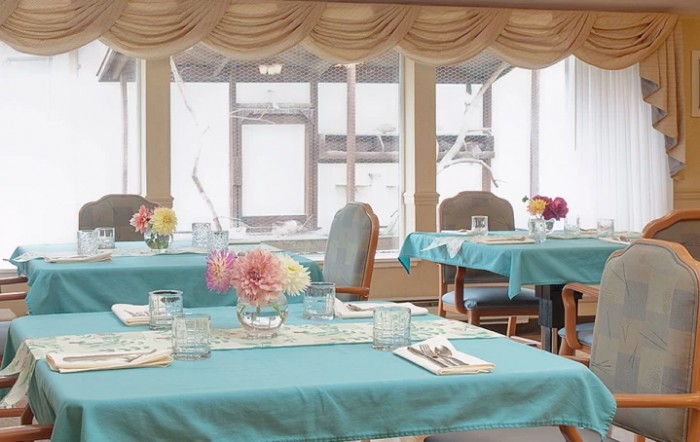
Meals are served in a spacious dining room with restaurant-style dining, ensuring residents have pleasant dining experiences. Additionally, the kitchenette allows for personal cooking preferences. Housekeeping services keep the living spaces clean and tidy.

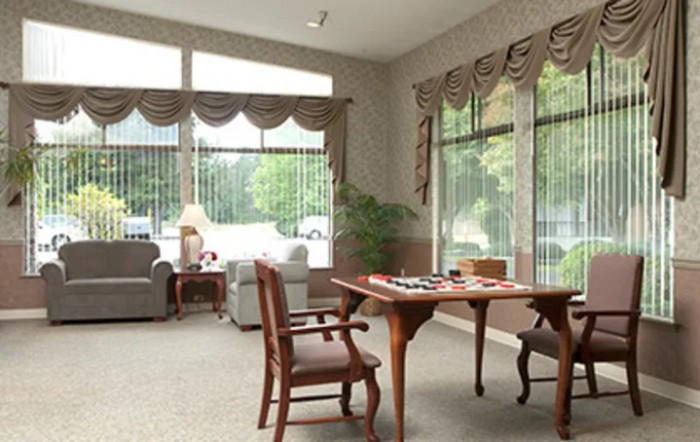
Fir Lane Health And Rehab Center boasts numerous recreational options to keep residents active and entertained. A fitness room is available for exercise enthusiasts, while a gaming room offers opportunities for friendly competition. The beautiful garden provides a peaceful outdoor space for relaxation and nature appreciation. Residents can also spend quiet moments in the small library.

Residents have access to telephone services, Wi-Fi/high-speed internet, and move-in coordination assistance. Transportation arrangements are made for non-medical needs as well as doctor's appointments, ensuring convenience and accessibility.

Care services at Fir Lane Health And Rehab Center are comprehensive and personalized to meet individual needs. With 24-hour call systems and supervision, residents can feel safe knowing assistance is readily available when needed. Trained staff provide assistance with daily tasks such as bathing, dressing, and transfers. Special dietary restrictions such as diabetes diets are accommodated to promote overall health.

Medication management is offered to ensure proper dosage adherence, while mental wellness programs promote emotional well-being among residents. Transportation arrangements are made for medical needs.

The community organizes various activities to enrich the lives of its residents. Concierge services cater to individual needs and requests while fitness programs encourage physical activity. Planned day trips provide opportunities for exploration and socialization. Resident-run activities foster a sense of community and engagement, while daily activities are scheduled to keep residents entertained and fulfilled.

Fir Lane Health And Rehab Center is conveniently located near parks, pharmacies, physicians' offices, restaurants, and hospitals. This ensures that residents have easy access to additional amenities and healthcare services in the surrounding area.

Nearby Places of Interest

Physicians

  • Gastroenterology Associates (0.3 miles)
  • Olympia Multi-Specialty Clinic (0.3 miles)
  • Penoyar, Christopher DO - Mason General Hospital Family (0.3 miles)
  • Christopher Webb Penoyar (0.3 miles)
  • Shelton Family Medicine (0.3 miles)
  • Mountain View Women's Health Center (0.3 miles)
  • Olympic Physicians (0.4 miles)

Hospitals

  • MGH Family Health (0.3 miles)
  • Mason General Hospital Foundation (0.4 miles)
  • Mason General Hospital (0.4 miles)
  • Mark Reed Health Care Clinic (14 miles)
  • MultiCare Capital Medical Center (15 miles)

Pharmacies

  • Tavis, Craig H (0.4 miles)
  • Medicine Shoppe (0.4 miles)
  • Walmart Pharmacy (0.8 miles)
  • Neil's Pharmacy (1.2 miles)
  • West Olympia Pharmacy (14.8 miles)
  • Rite Aid (14.9 miles)
  • Safeway Food & Drug (15 miles)

Restaurants

  • Mendoza's Texas Style Food (0.6 miles)
  • McDonald's (0.7 miles)
  • Jack In The Box (0.7 miles)
  • Wendy's (0.8 miles)
  • Suzan's Grill (0.8 miles)
  • Domino's Pizza (1.3 miles)
  • Taylor Shellfish Company (6.1 miles)

Parks

  • Lake Isabella State Park (4.4 miles)
  • Olympic National Park - Staircase Entrance (8.2 miles)
  • Potlatch State Park (9.4 miles)
  • Frye Cove County Park (10.3 miles)
  • Twanoh State Park (11.8 miles)
  • Burfoot Park (12 miles)
  • Straddleline Orv Park (12.8 miles)

Cafes

  • Steamboat Island Coffee Shop (11.2 miles)
  • Urraco Coffee Company (11.3 miles)
  • Starbucks (14.9 miles)
  • Starbucks (15.1 miles)
  • Olympia Coffee Roasting Co. (15.5 miles)
  • Panera Bread (15.6 miles)
  • Starbucks (15.7 miles)

Places of Worship

  • Olympia Unitarian Universalist Congregation (14.2 miles)
  • Olympic Christian Academy (14.3 miles)
  • Westwood Baptist Church (14.4 miles)
  • Woodard Lane Cohousing (14.8 miles)

Transportation

  • Olympia Transit Center (16.1 miles)

Frequently Asked Questions

Where is Fir Lane Health And Rehab Center?
What photos are available for Fir Lane Health And Rehab Center in Shelton, Washington?

Nearby Communities

  • Alpine Way Continuing Care Community

    Alpine Way Continuing Care Community

    Shelton, WA

    4 from 51 reviews
    $3,325 to $5,275 / month

    pro Attentive staff and a clean, engaging living environment.

  • Shelton Health & Rehab Center

    Shelton Health & Rehab Center

    Shelton, WA

    3.9 from 58 reviews
     

    pro Comprehensive amenities and wellness programs for an active lifestyle.

  • Maple Glen Assisted Living

    Maple Glen Assisted Living

    Shelton, WA

    4.4 from 39 reviews
    $4,500 to $5,500 / month

    pro Small, personalized community with attentive staff and engaging activities.

  • Maple Glen Assisted Living Community

    Maple Glen Assisted Living Community

    Shelton, WA

    4 from 18 reviews
     

    pro Extensive amenities and round-the-clock care (restaurant-style dining, transportation, fitness, beauty salon, housekeeping, and in-unit kitchenettes).

  • Northcliff Place Adult Family Home

    Northcliff Place Adult Family Home

    Shelton, WA

     
    $3,500 to $4,000 / month

    pro Memory Care-focused staff with private rooms and on-site amenities (beautician, devotional services, activities).

  • Golden Acres Ranch AFH

    Golden Acres Ranch AFH

    Shelton, WA

    5 from 2 reviews
    $2,800 to $3,400 / month

    pro Caring staff, engaging activities, and affordable memory care.

  • Fieldstone Cooper Point Olympia

    Fieldstone Cooper Point Olympia

    Olympia, WA

    4.5 from 45 reviews
    $3,795 to $5,445 / month

    pro Friendly, well-trained staff with engaging activities and flexible dining in a clean, well-equipped community.

  • Fieldstone Olympia Memory Care

    Fieldstone Olympia Memory Care

    Olympia, WA

    4.7 from 55 reviews
    $5,995 to $9,125 / month

    pro Kind, patient staff in a clean, attractive setting with engaging activities and strong family involvement.

  • Artesian Place

    Artesian Place

    Olympia, WA

    4.1 from 62 reviews
    $3,600 to $4,100 / month

    pro Clean, welcoming atmosphere with friendly staff, engaging activities, and recent renovations.

Related Resources

  • assistive devices for elderly8 Essential Assistive Devices for Older Adults

    The article highlights eight essential assistive devices that improve the independence and safety of older adults, addressing issues related to mobility, balance, vision, hearing, and dexterity. It emphasizes the importance of proper selection guided by healthcare professionals to enhance seniors' quality of life while allowing them to age in place.

  • how to pay for nursing homeNavigating the Financial Road to Nursing Home Care: In-Depth Guidance and Resources

    The article offers detailed guidance on the financial complexities of nursing home care, covering costs, payment methods, and alternative funding strategies while emphasizing the importance of proactive planning and legal considerations for individuals and families making care decisions.

  • caregiver benefitsSupportive Employee Benefits That Help Caregivers Attain Better Work-Life Harmony
    The article emphasizes the critical role of supportive employee benefits for caregivers, advocating for flexible scheduling, paid leave, and mental health services to ease their challenges while enhancing employee well-being and organizational loyalty. It also highlights the importance of strong leadership in promoting these initiatives to foster a sustainable workplace culture that values caregivers.