

1122 South 216Th Street, Des Moines, WA 98198
For more information about senior living options: (866) 208-4318
Overall Review of Wesley Homes Health Center
Pros
 The staff at Wesley provide wonderful treatment.
- Malinda is very helpful.
- The facility is beautiful.
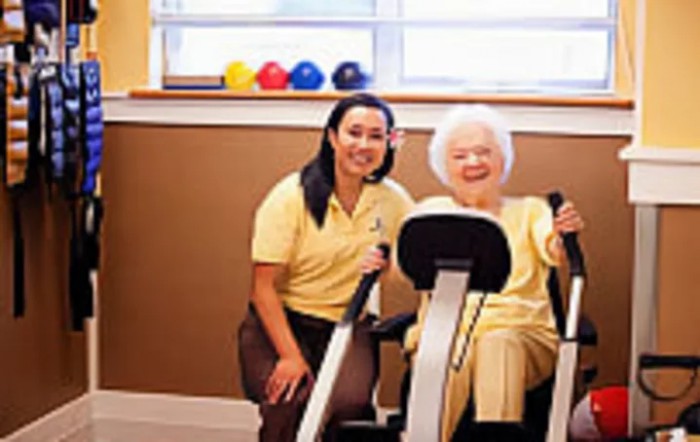
- The new rehab facility is very clean and has private rooms.
- The neighbors are friendly and the staff are responsive and congenial.
- Wesley offers a full range of care that meets residents' needs.
- The aides were fantastic and very caring.
- Administration was great and on top of everything.
Cons
 The food continues to be overcooked and tasteless.
- Management nods but provides little to no follow-through.
- Some of the caregivers are good, but most don’t care.
- G has not been bathed for at least two weeks.
- They keep taking her bedspread with no explanation.
- The facility is always short-staffed, with no individualized care or ownership.
- The on-call doctor is never around and rarely responsive.
Review
Wesley Homes Health Center is best suited for families seeking skilled rehab and medical support within a campus that features a newer, clean rehab wing and a calm, home-like environment. The facility appears to shine for residents who can benefit from attentive, professional therapy and nursing care, and for families willing to advocate consistently to ensure care plans are followed. It works best when the primary goal is to secure a broad continuum of care in one place, with the reassurance of private rooms and a soothing atmosphere. Those who prioritize strong daily oversight, consistently high staff engagement, and standout dining should calibrate expectations accordingly.
Those who may want to explore alternatives are guided by several red flags evident in the feedback. If reliable, proactive management, rapid problem resolution, and daily, individualized attention are non-negotiables, this community may fall short. Families evaluating dementia care should consider properties with demonstrated, dedicated surveillance and simpler, safer protocols for wandering and rapid changes in condition. For residents who insist on consistently excellent meals, transparent administration, or a higher staffing ratio across all shifts, alternatives with stronger reputations in these areas warrant serious consideration. Finally, if cost is a priority and therapy time feels insufficient for the price, look at other options in the region before committing.
On the strength side, the facility’s care framework offers meaningful advantages. The new rehab area is praised for cleanliness, privacy, and a functional space that supports recovery. Positive sentiments about some caregivers and nurses reinforce the sense that, when engaged, staff can deliver genuine warmth and support. The broader care continuum, ranging from rehabilitation to nursing oversight and post-acute services, appears capable of meeting diverse medical needs under one roof. For families who value a quiet, purpose-built environment with accessible staff, these elements can translate into real comfort and stability during recovery.
But the downsides are significant and consistently appear across several reviews. Meals are repeatedly described as overcooked, bland, and uninspired, with comments that food quality undermines daily life and dining experience. Staffing and accountability concerns run through the narrative: chronic short-staffing, inconsistent follow-through, and a pattern of pass-the-buck problem resolution undermine trust in everyday care. Reports of infrequent personal care, missed baths, and miscommunications about schedules point to gaps in daily operations that a facility in this category cannot dismiss. The on-site physician access and responsiveness are questioned, and some families describe a troubling lack of ownership when problems arise. In dementia care, the facility is criticized for insufficient surveillance and safety practices, including incidents of residents not being properly monitored and poorly coordinated transportation to appointments, which elevates safety risk. These factors collectively temper the appeal, particularly for residents who require consistent, attentive, and transparent care.
The core pros, professional rehab, a high-quality physical environment, and a broad care offering, do offset some concerns for families who can exercise active oversight and who place substantial weight on medical recovery and a serene setting. Where families can partner with a responsive care team, the practical advantages of a newer facility, private rooms, and a comprehensive care menu can still yield solid outcomes. However, the balance tilts away from guaranteed value for critics of staffing inconsistency, frequent administrative missteps, and subpar mealtime experiences. For anyone prioritizing dementia safety and aggressively responsive management, the gaps may tip the decision toward alternatives, even within the same Wesley campus.
In practical terms, this community is a defensible choice for families who can commit to careful, ongoing monitoring and who want a full care ladder in one location. Prospective residents should schedule a candid tour focused on daily routines: therapy duration, nurse-to-resident ratios on every shift, how care plans are updated, and what guarantees exist for prompt problem resolution. Insist on seeing sample menus and speaking with dining staff about meal options. Probe transport coordination for medical appointments and obtain a clear explanation of discharge processes and timelines. It is equally wise to compare with other nearby options, including independent living tracks on campus, to determine whether a more consistently attentive environment or more affordable, varied meal experiences align better with the family’s goals and budget.
 148 resident community capacity
 Skilled Nursing Facility
 Air-conditioning
 Beautician on-site
 Cable or satellite TV
 Computer center
 Dining room
 Financing advice
 Fitness room
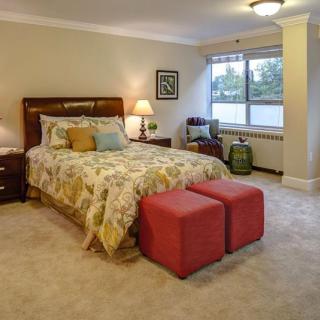
 Fully furnished
 Gaming room
 Garden
 Guest parking
 Housekeeping services
 Kitchenette
 Laundry
 Move-in coordination
 Outdoor space
 Party space
 Private bathrooms
 Restaurant-style dining
 Small library
 Telephone
 Wellness center
 Wi-Fi/high-speed internet available
 Seattle-Tacoma International (3 miles away)
 Community operated transportation
 12-16 hour nursing
 24-hour call system
 Activities of daily living assistance
 Assistance with bathing
 Assistance with dressing
 Assistance with transfers
 Diabetes diet
 Hospice care
 Medication management
 Mental wellness program
 Physical therapy
 Special dietary restrictions
 Concierge services
 Educational speakers / life long learning
 Games
Games Live musical performances
 Planned day trips
 Religious services
 Stories
 Wii bowling
 English



 Comprehensive Look at Senior Blood Pressure Charts: Normal and Elevated Levels by Age
 Top Canine Companions for Older Adults
 Comprehensive Guide to Blood Pressure Charts for Older Adults: Understanding Normal and High Readings by Age