

21234 1st Place S., Des Moines, WA 98198
To contact a resident: (206) 372-2960
For more information about senior living options: (866) 208-4318
LG Trinity Home Care, llc Costs & Pricing
At LG Trinity Home Care, LLC, the monthly costs for resident accommodations are competitively priced at $5,000 for both private rooms and one-bedroom units. This pricing aligns closely with King County's average for similar facilities, which stands at $5,034 for private rooms and $5,127 for one-bedroom apartments. When compared to the broader Washington state figures of $4,772 for private rooms and $4,632 for one-bedroom accommodations, it's clear that our rates are well-positioned within the local market. Prospective residents can appreciate not only the value of our services but also the commitment we have to providing quality care in a comfortable environment.
| Floor plans | LG Trinity Home Care, llc | King County | Washington |
|---|---|---|---|
| Private | $5,000 | $5,034 | $4,774 |
| 1 Bedroom | $5,000 | $5,127 | $4,634 |
Memory care communities with a similar price nearby
-
from +$750 / mo

Fieldstone Rolling Bay and Fieldstone Memory Care
$5,750 to $8,895 / month19.0 miles away -
from +$500 / mo

Twin Lake Adult Family Home
$5,500 to $6,500 / month7.6 miles away -
About the same
Peace and Pleasant Care Adult Family Home II
$5,000 to $6,000 / month3.6 miles away -
from -$695 / mo

Penrose Harbor at Heron's Key
$4,305 to $7,332 / month13.2 miles away -
from -$500 / mo
A Serenity AFH
$4,500 to $6,000 / month10.4 miles away
Overall Review of LG Trinity Home Care, llc
Cons
 The nurses close up at 7 and don’t reopen until 8, leaving residents waiting.
- The process feels like a “wait your turn” system.
- The care results in loved ones being kept in dirty diapers all night and morning.
- The reviewer cautions against sending loved ones there.
Review
LG Trinity Home Care in Des Moines is best suited for seniors whose care needs are mostly limited to monitoring and light assistance, and for families who can actively supervise and coordinate care on a daily basis. The setting appears to favor a smaller, quieter operation rather than a large, highly staffed campus. However, a single review paints a stark warning: basic care like diaper changes and timely response to requests hinges on a late-morning shift, leaving residents waiting hours for help. In practical terms, any loved one who requires reliable overnight support or prompt incontinence care should not be placed here.
Those who need alternatives should focus on facilities with 24/7 on-site nursing coverage, clearly posted response times, and consistent, predictable routines. If care plans depend on rapid intervention and continuous monitoring, this community falls short. For residents with complex mobility issues, cognitive challenges, or a history of skin problems stemming from delayed care, the lack of immediate attention becomes a decisive drawback. In short, this setting is not suitable for anyone prioritizing dignity, comfort, and uninterrupted care throughout the night and early morning.
From a risk-benefit standpoint, the available information provides virtually no offset to the primary concern. Any potential advantages, such as a quieter, smaller environment or possible cost considerations, do not compensate for the risk of residents being left unattended for extended periods. The notable “pro” families should demand is dependable staffing and enforceable standards for response times, especially for incontinence management. Without those assurances, any supposed benefits remain theoretical and insufficient to counterbalance the documented care gaps.
The consequences are concrete and immediate. Overnight delays in personal care erode comfort, heighten skin irritation and infection risk, and disrupt sleep for residents and anxious families. The cited pattern of closing a shift and delaying care until the next morning signals inconsistent coverage and fragmented routines, which undermine safety and dignity. In a setting where nurses effectively close up early and do not reopen until the next day, there is a real risk of skipped or rushed care. This should be treated as a dealbreaker for anyone who cannot advocate actively for a loved one around the clock.
To evaluate options thoroughly, ask pointed questions during tours or conversations: what are staffing ratios across day and night, and are licensed nurses on-site 24/7 or only on-call? What is the average response time for urgent requests, and how is that tracked? How are diaper changes and toileting assistance scheduled, documented, and audited? Can current residents’ families be contacted for candid feedback, and is there a formal process for complaints and rapid remediation? Request recent quality metrics, safety incident records, and any state licensing notes. A facility must demonstrate clear, reliable responsiveness before committing to a resident’s lifelong care.
Bottom line: for families unwilling to tolerate delays in essential care, LG Trinity Home Care is not a reliable match. Seek alternatives with verifiable, consistent staffing and demonstrated responsiveness, ideally with 24/7 on-site coverage or robust backup plans. If cost constraints or limited availability drive the choice, insist on an enforceable care plan with daily check-ins and explicit escalation steps to protect a loved one from prolonged neglect. The deciding factor is whether dependable, prompt care can be guaranteed; otherwise, move toward options that meet these non-negotiables.
 Board and Care Home
 Memory Care
 Cats allowed
 Dogs allowed
 Activities off-site
 Beautician on-site
 Indoor common areas
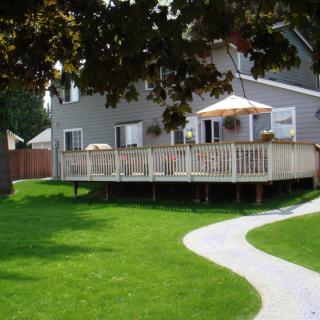
 Outdoor common areas
 Private
 Private bathrooms
 Respite or short term stays offered
 Wheelchair accessible showers
 Seattle-Tacoma International (3 miles away)
 Diabetic care
 Incontinence care
 Medication management
 Kosher
 Birthday parties
 Dedicated staff with proactive safety measures and transparent family communication.




 A Detailed Exploration of Assisted Living Medicaid Waivers Across the United States
 Exploring the Contrasts Between Assisted Living and Skilled Nursing
 Vibrant Senior Living: A Comprehensive Guide for Active Older Adults