
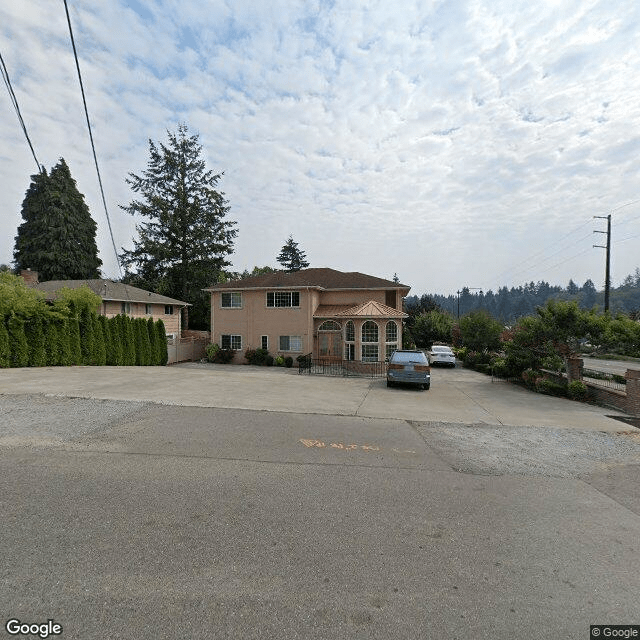
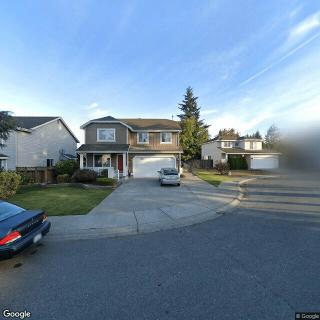
103 South 197th Street, Des Moines, WA 98148
To contact a resident: (206) 660-5224
For more information about senior living options: (866) 208-4318
Angelwings Group Costs & Pricing
At Angelwings Group, the monthly cost for a private room is set at $5,000, which positions us competitively within the local market. When compared to King County's average for similar accommodations, which is slightly higher at $5,034, our rates offer a more affordable option without compromising on quality or care. Furthermore, when looking at the state average in Washington, priced at $4,772 for private rooms, Angelwings Group remains within a reasonable range while ensuring residents receive exceptional services and support tailored to their needs. This pricing structure reflects our commitment to providing value and excellence in senior living.
| Floor plans | Angelwings Group | King County | Washington |
|---|---|---|---|
| Private | $5,000 | $5,034 | $4,774 |
Memory care communities with a similar price nearby
-
from +$750 / mo
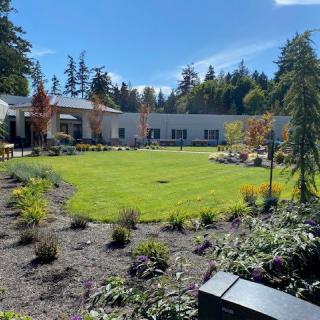
Fieldstone Rolling Bay and Fieldstone Memory Care
$5,750 to $8,895 / month18.1 miles away -
from +$500 / mo

Twin Lake Adult Family Home
$5,500 to $6,500 / month8.5 miles away -
About the same
Peace and Pleasant Care Adult Family Home II
$5,000 to $6,000 / month4.2 miles away -
from -$695 / mo
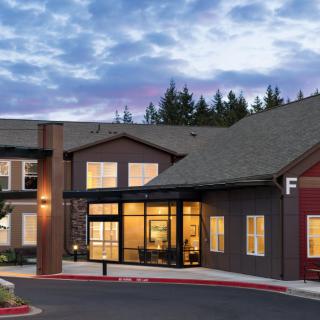
Penrose Harbor at Heron's Key
$4,305 to $7,332 / month13.5 miles away -
from -$500 / mo
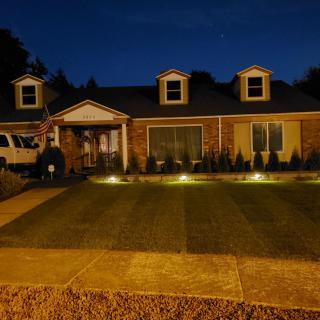
A Serenity AFH
$4,500 to $6,000 / month11.2 miles away
Overall Review of Angelwings Group
Pros
 The staff are professional, kind, and easy to work with.
- The home is beautiful, clean, and the meals are wonderful.
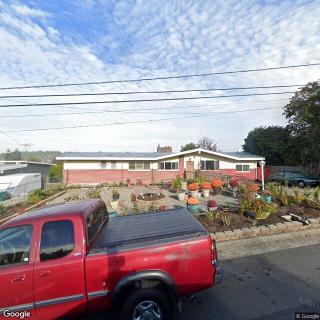
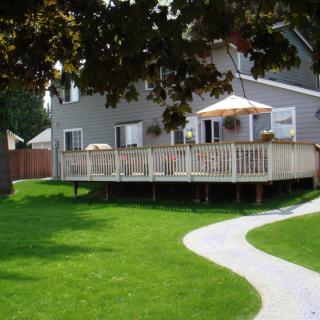
- The outdoor courtyard is a real plus for visiting loved ones.
- Residents are cared for with warmth, compassion, and genuine kindness.
- Amelia and her team demonstrate kindness and dedication to families in crisis.
- The staff coordinate medical care, tele-visits, and prescriptions with thorough documentation.
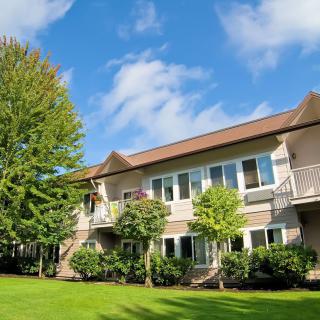
- The facility is spacious, bright, and has private rooms with accessible bathrooms.
- The atmosphere feels like family, and families feel confident in the care provided.
- The staff are friendly, patient, and consistently go above and beyond.
Cons
 The only drawback is that mom would be left on her own.
Review
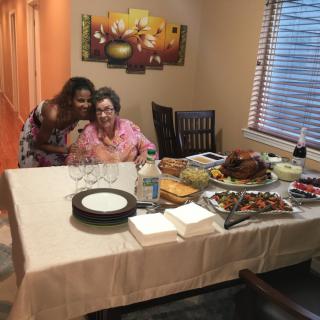
Angelwings Group in Des Moines, WA, is best suited for families seeking a warm, home-like adult family home experience with exceptionally attentive caregivers. This community shines for residents who benefit from constant supervision, individualized routines, and a caregiving team that treats each resident as family. The setting is intimate and small-scale, with private rooms, walk-in/roll-in showers, bright natural light, and inviting common spaces. For families dealing with dementia or Alzheimer’s, the model delivers continuity of care, proactive communication, and a steady, relational approach that keeps residents safe, engaged, and well cared for.
Those evaluating options should consider alternatives if medical acuity or the pace of clinical programming is a priority. A larger, more institution-like facility with on-site nurses, physicians, or rehab teams may better meet needs that require higher-level medical oversight or more formal, hospital-style routines. Families seeking aggressive rehabilitation, broader medical services, or cost structures that lean toward a different pricing model might find a larger campus or independent-assistive models more suited to their expectations. For travelers or households far from Des Moines, distance and availability of in-person family involvement can also shape whether an AFH setting remains the optimal fit.
The core strengths of Angelwings effectively offset the most significant trade-offs. Reviews repeatedly praise the staff’s professionalism, kindness, and genuine care for residents, with multiple accounts highlighting the team’s stability, responsiveness, and ability to coordinate medical care, prescriptions, and telehealth visits. The home environment consistently earns praise for cleanliness, beauty, and a kitchen-driven, home-cooked meals program that residents look forward to. Family communication is a standout, with caregivers and managers noted for keeping families closely informed about health updates, celebrations, and daily happenings, which reduces anxiety for loved ones and supports informed decision-making.
Care coordination is another standout advantage. Families report that Angelwings staff not only administer daily care but also integrate with physicians, manage appointments, and deliver thorough documentation that travels to doctors’ visits. The leadership, particularly Amelia and her team, is described as deeply committed, hands-on, and responsive, turning what could be a routine placement into a trusted partnership. The facility’s design, private suites, easy access to outdoor spaces, and a bright, welcoming atmosphere, enhances quality of life and supports meaningful visits from family and friends, which in turn reinforces the level of care residents receive.
A potential caveat for some families centers on the nuanced balance between a home-like pace and the expectations of continuous supervision. While the overwhelming view in the reviews is that Angelwings delivers 24/7 attentiveness in a small setting, there is at least one observation about the risk of a resident feeling left on their own if supervision slips. That concern is not the norm in the consensus, but it is a legitimate factor to explore during tours and care-plan discussions. Prospective families should verify staffing levels for shifts, confirm how wandering or needs-at-all-times care is managed, and ensure the cadence of daily activities aligns with the resident’s preferences and cognitive needs.
In the end, Angelwings stands out as a top-tier choice for families prioritizing a loving, highly engaged, home-like environment with a proven track record in dementia-aligned care. It is especially compelling for those who value strong family communication, meticulous care documentation, and a leadership team that treats residents like kin and families like partners. If that combination matches the resident’s needs and budget, a visit should be scheduled promptly to meet Amelia, the caregiving team, and the residents themselves. For families seeking a more clinical setting, broader medical services, or cost-structure configurations outside the AFH model, it is prudent to compare a few alternatives before deciding.
 Board and Care Home
 Memory Care
 Activities off-site
 Beautician on-site
 Devotional services off-site
 Indoor common areas
 Outdoor common areas
 Private
 Private bathrooms
 Respite or short term stays offered
 Wheelchair accessible showers
 Seattle-Tacoma International (2 miles away)
 Diabetic care
 High acuity care
 Incontinence care
 Medication management
 Kosher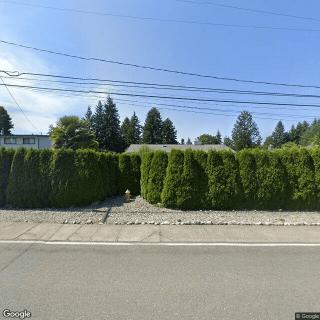

 Understanding the Distinctions: Assisted Living and Memory Care Explained
 How to Communicate with a Loved One Living with Dementia: 10 Supportive Strategies
 Comprehensive Guide to VA Nursing Homes: A Crucial Long-Term Care Resource for Veterans